
An electrocardiogram, commonly known as an ECG or EKG, is a cornerstone of modern cardiology. It’s a non-invasive diagnostic tool that provides a window into the electrical activity of your heart. While the term might sound technical, understanding the basics of what an ECG is, how it works, and what it reveals can demystify this vital medical procedure and empower you with knowledge about your cardiovascular health. This article will delve into the world of ECGs, exploring their purpose, the technology behind them, and their significance across various domains, from healthcare to the broader technological landscape.
The Heart’s Electrical Blueprint: Understanding ECG Fundamentals
At its core, the heart is a remarkable pump, driven by a sophisticated electrical system. Every beat, every contraction, is initiated by tiny electrical impulses generated within specialized cells. These impulses travel through the heart muscle in a precise sequence, orchestrating the rhythmic pumping of blood throughout your body. An electrocardiogram is essentially a recording of these electrical signals.
How the Electrical Signals are Generated and Measured
The heart’s electrical activity originates in the sinoatrial (SA) node, often called the heart’s natural pacemaker, located in the upper right chamber (atrium). The SA node generates an electrical impulse that spreads across the atria, causing them to contract and pump blood into the ventricles. This impulse then travels to the atrioventricular (AV) node, which acts as a relay station, delaying the signal slightly before passing it on to the ventricles. The electrical impulse then rapidly disseminates through the ventricles, triggering their contraction and pushing blood out to the lungs and the rest of the body.
An ECG machine works by detecting these electrical impulses on the surface of the skin. Small, adhesive electrodes are placed on specific locations on your chest, arms, and legs. These electrodes are connected by wires to the ECG machine, which amplifies the faint electrical signals and records them as a series of waves and lines on a graph. Each wave and interval on the ECG tracing represents a specific electrical event occurring within the heart.
Interpreting the ECG Waveform: What the Lines Mean
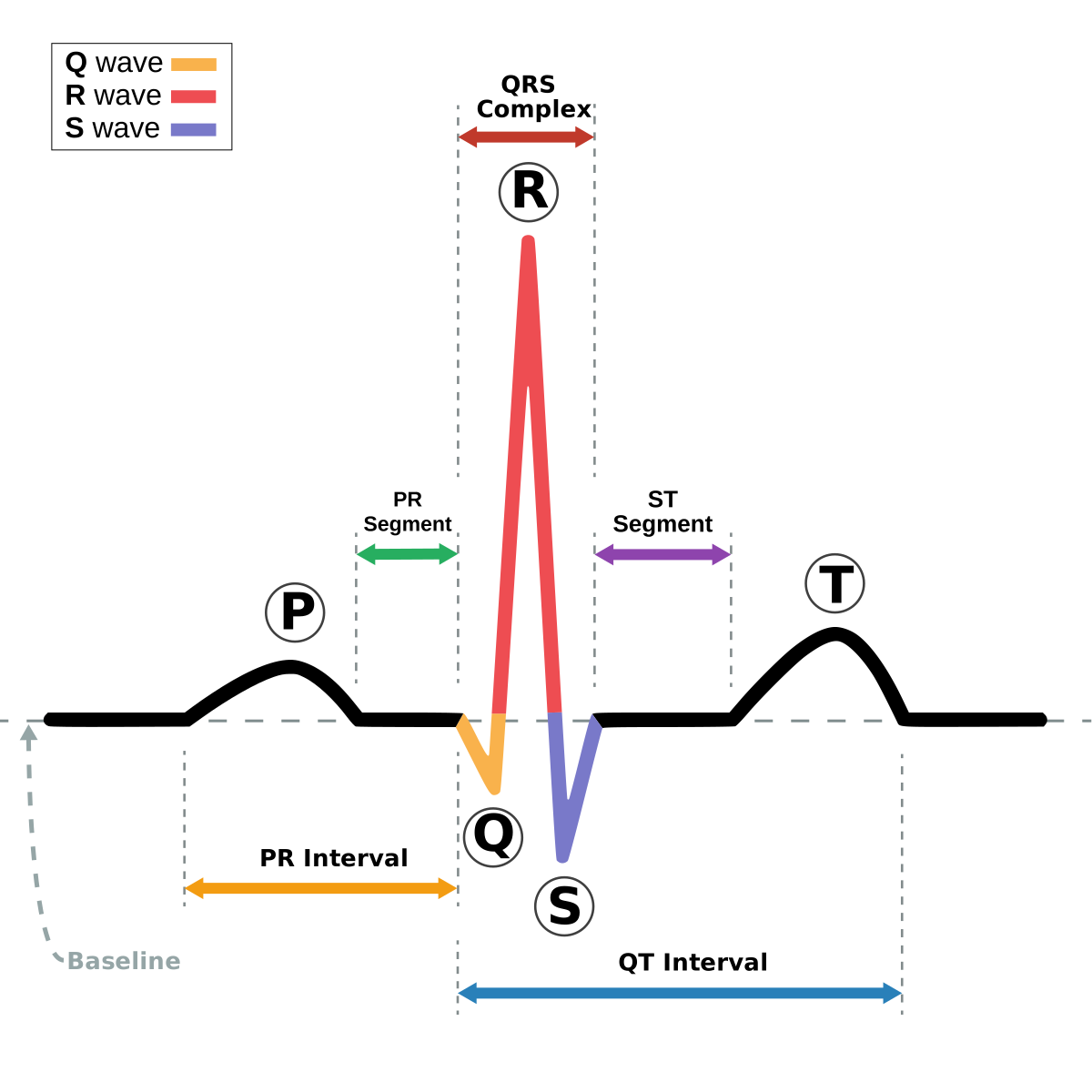
The characteristic wavy line produced by an ECG is not random; it’s a detailed narrative of your heart’s electrical activity. Typically, an ECG waveform consists of several distinct components:
- P wave: This small, rounded wave represents the electrical activation of the atria. It signifies the moment the SA node fires and the impulse begins to spread through the upper chambers.
- QRS complex: This is the most prominent part of the ECG tracing, characterized by a sharp spike. It represents the electrical activation of the ventricles, the powerful lower chambers of the heart responsible for pumping blood to the rest of the body. The QRS complex is composed of three waves: the Q wave (the first downward deflection), the R wave (the first upward deflection), and the S wave (the downward deflection after the R wave).
- T wave: This wave follows the QRS complex and represents the electrical recovery or repolarization of the ventricles. It signifies the moment the ventricular muscle cells are electrically reset, preparing for the next beat.
Beyond these individual waves, the intervals and segments between them are also crucial for interpretation. For instance, the PR interval measures the time it takes for the electrical impulse to travel from the atria to the ventricles, while the ST segment reflects the period between ventricular depolarization and repolarization. Deviations from the normal shape, duration, or timing of these waves and intervals can indicate various heart conditions.
The Technology Behind the ECG: From Analog to Digital and Beyond
The evolution of electrocardiography is a testament to technological advancement, transforming a cumbersome diagnostic tool into sophisticated, portable, and increasingly intelligent devices. Understanding the technological trajectory of ECGs offers insights into broader trends in healthcare technology.
Early Innovations and the Birth of the ECG
The concept of measuring the heart’s electrical activity dates back to the late 19th century with the work of Willem Einthoven, a Dutch physiologist who is widely considered the father of electrocardiography. Einthoven developed the first practical electrocardiograph in 1903, a bulky instrument that used string galvanometers to detect and record the tiny electrical currents of the heart. His pioneering work earned him the Nobel Prize in Physiology or Medicine in 1924.
These early ECG machines were analog, producing ink tracings on paper. While revolutionary for their time, they were complex to operate and required skilled technicians for both recording and interpretation. The technology relied on direct current amplification and meticulous calibration to produce readable results.
The Digital Revolution in ECG Technology
The advent of digital technology dramatically transformed ECGs. Digital ECG machines digitize the electrical signals, allowing for easier storage, transmission, and analysis. This shift brought about several significant advantages:
- Improved Signal Quality: Digital processing can filter out noise and artifacts, leading to clearer and more accurate recordings.
- Enhanced Data Management: Digital ECGs can be easily stored in electronic health records (EHRs), facilitating quick access for physicians and enabling longitudinal tracking of a patient’s cardiac health.
- Remote Monitoring: Digital ECGs can be transmitted wirelessly, paving the way for telemedicine and remote patient monitoring.
- Advanced Analysis: Digital data allows for sophisticated algorithmic analysis, aiding in the detection of subtle abnormalities that might be missed by the human eye.
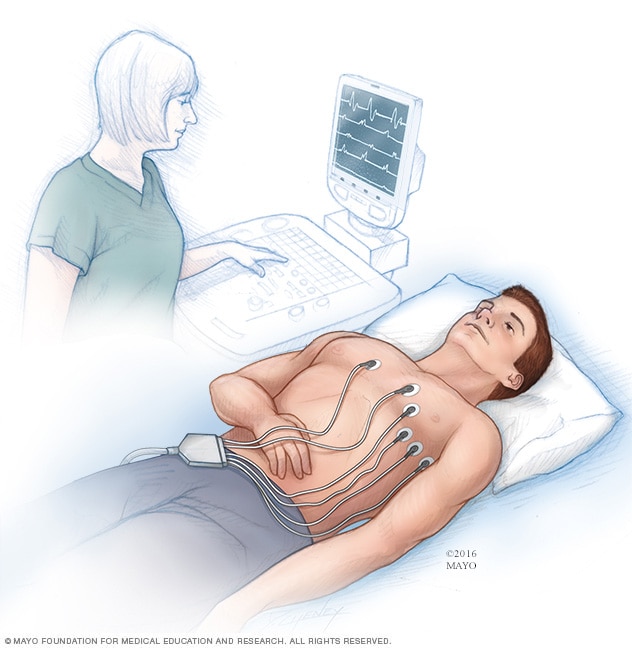
Modern ECG machines are often compact, portable, and can even be integrated into other medical devices. Some even offer wireless connectivity, allowing for immediate transmission of data to healthcare providers. This has made ECGs more accessible, both in hospital settings and in outpatient clinics, and even for home monitoring in specific cases.
The Role of AI and Software in ECG Interpretation
The integration of Artificial Intelligence (AI) and advanced software is pushing the boundaries of ECG technology even further. AI algorithms are being trained on vast datasets of ECGs to identify patterns associated with various cardiac conditions. This has several implications:
- Automated Screening: AI can act as a first line of screening, flagging potential abnormalities for further review by a cardiologist, potentially speeding up diagnosis.
- Enhanced Accuracy: AI can detect subtle nuances in ECG waveforms that may be difficult for humans to discern, leading to more accurate diagnoses.
- Personalized Risk Assessment: By analyzing ECG data in conjunction with other patient information, AI can contribute to more personalized risk assessments for cardiovascular events.
- Prognostic Insights: AI models are being developed to predict the likelihood of future cardiac events based on ECG patterns.
Software plays a crucial role in enabling these AI capabilities, from data acquisition and processing to sophisticated diagnostic algorithms and user interfaces. This fusion of hardware and intelligent software is making ECGs more powerful, accessible, and integral to preventive healthcare strategies.
ECGs in the Broader Context: Beyond Medical Diagnosis
While the primary application of ECGs is in diagnosing and monitoring heart conditions, the underlying principles and the technology itself have relevance in broader technological and branding contexts.
ECGs as a Technological Benchmark and Innovation Driver
The development and ongoing refinement of ECG technology serve as a case study for innovation in medical devices. The journey from Einthoven’s string galvanometer to AI-powered portable ECG monitors highlights key technological trends:
- Miniaturization and Portability: The drive to make medical devices smaller, lighter, and more portable is evident in the evolution of ECGs, mirroring trends across all gadget categories.
- Data Integration and Interoperability: The seamless integration of digital ECGs into EHRs and other health platforms underscores the importance of data interoperability in modern tech.
- The Power of Algorithms: The increasing reliance on software and AI for analysis demonstrates the growing impact of algorithms in all fields, from finance to healthcare.
- User Experience (UX) Design: As ECGs become more accessible, the design of the user interface and the overall patient experience are becoming critical, aligning with broader tech product design principles.
The challenges faced in developing accurate and reliable ECG technology – signal processing, noise reduction, and robust interpretation – have spurred innovation that has applications beyond healthcare, influencing the development of sensors and data analysis tools in other industries.
The Branding of Health Tech and Trust
The field of medical technology, including ECG devices, relies heavily on building trust and establishing a strong brand reputation. For healthcare providers and patients alike, the reliability, accuracy, and safety of medical devices are paramount.
- Brand Strategy in Healthcare: Companies developing ECG technology must employ robust brand strategies that emphasize scientific rigor, clinical validation, and patient well-being. Case studies showcasing successful patient outcomes and partnerships with leading medical institutions are crucial for building credibility.
- Corporate Identity and Reputation: A strong corporate identity for a medical device company conveys a commitment to quality and innovation. A positive reputation is built on consistent performance, ethical practices, and a track record of providing effective solutions.
- Marketing and Design: The marketing of ECG devices needs to be both informative and reassuring. While technical specifications are important, the design of the devices and their accompanying software should reflect a user-friendly and professional approach, instilling confidence in their use.
The branding of health tech is not just about selling a product; it’s about selling confidence and peace of mind. In the sensitive domain of health, a brand that is synonymous with reliability and cutting-edge yet trustworthy technology is invaluable.

The Financial Implications and Accessibility of ECG Technology
The cost and accessibility of ECG technology have significant implications for healthcare systems and individual financial planning.
- Personal Finance and Health: While ECGs are typically performed in a clinical setting, understanding their purpose can inform personal financial decisions related to health insurance and preventative care. Investing in regular check-ups that may include ECGs can be a wise financial move for long-term well-being.
- Business Finance and Healthcare Innovation: The development and manufacturing of ECG devices represent a significant market within the broader healthcare industry. Companies invest heavily in R&D, production, and distribution, impacting business finance and the economy. The cost-effectiveness of different ECG solutions also influences adoption rates by healthcare institutions.
- Financial Tools for Healthcare Access: Innovations in healthcare financing, such as payment plans or insurance coverage for diagnostic procedures, play a role in ensuring wider access to essential technologies like ECGs, particularly in regions with limited resources. The development of more affordable and portable ECG devices also contributes to democratizing access to cardiac diagnostics.
In conclusion, the electrocardiogram is a remarkably insightful tool that translates the electrical language of the heart into a visual representation. Its journey from a groundbreaking invention to a sophisticated, technologically advanced diagnostic instrument mirrors the rapid evolution of technology across various sectors. Understanding what an ECG is, the science behind it, and its broader implications offers a holistic perspective on this essential medical technology and its impact on our lives.
aViewFromTheCave is a participant in the Amazon Services LLC Associates Program, an affiliate advertising program designed to provide a means for sites to earn advertising fees by advertising and linking to Amazon.com. Amazon, the Amazon logo, AmazonSupply, and the AmazonSupply logo are trademarks of Amazon.com, Inc. or its affiliates. As an Amazon Associate we earn affiliate commissions from qualifying purchases.