
In an era defined by rapid technological advancement, the lifecycle of our electronic devices has become a critical concern. From the smartphones we use daily to the powerful computers that drive industries, our reliance on technology is undeniable. But what happens when these devices reach the end of their useful life? This is where e-recycling, or electronic recycling, enters the picture, offering a crucial solution to the growing mountain of discarded electronics. Far from being just an environmental initiative, understanding e-recycling is increasingly important for individuals and businesses alike, touching upon key aspects of technology trends, brand responsibility, and even financial considerations.
The Ever-Growing E-Waste Challenge: A Digital Deluge
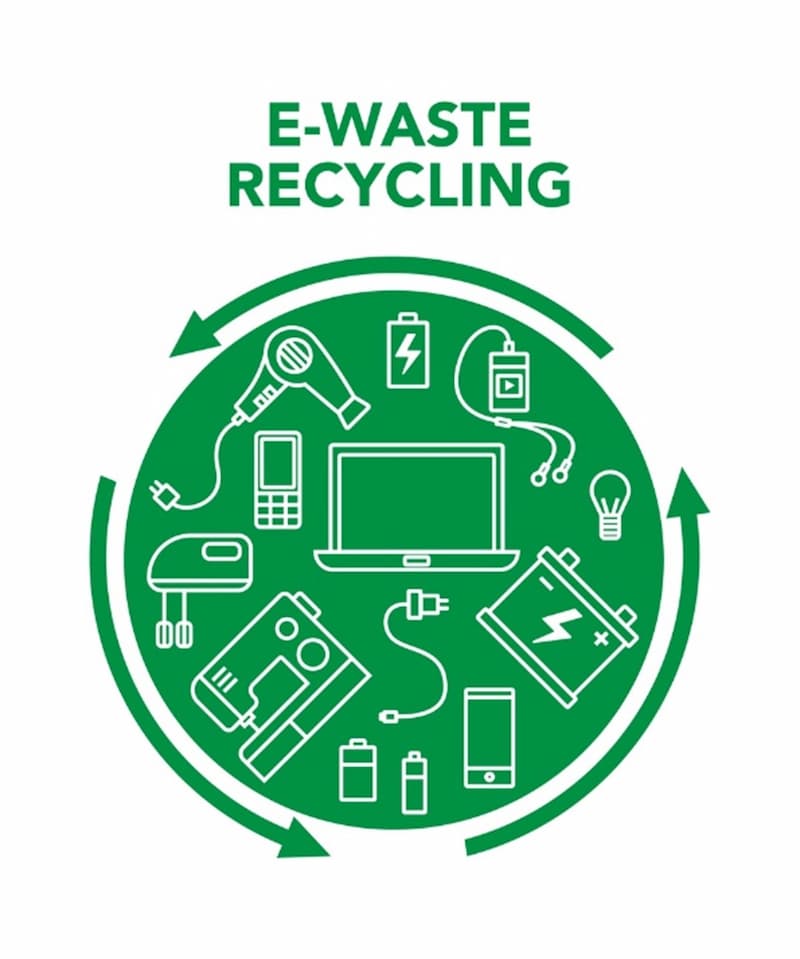
The relentless pace of innovation means that devices become obsolete at an alarming rate. New models with enhanced features and capabilities are constantly hitting the market, prompting consumers and businesses to upgrade. This constant churn generates a significant and growing problem known as e-waste, or electronic waste. E-waste encompasses any discarded electronic or electrical equipment, from large appliances like refrigerators and televisions to smaller items like laptops, mobile phones, and even the cables and chargers that accompany them.
The Scope of the Problem: A Global Ticking Time Bomb
The sheer volume of e-waste generated globally is staggering. According to various reports, millions of tons of e-waste are produced annually, a figure that is projected to continue its upward trajectory. This isn’t just an aesthetic problem; the materials contained within these discarded electronics pose serious environmental and health risks if not managed properly.
The Hidden Dangers: Toxic Materials and Untapped Resources
Many electronic devices are manufactured using a complex mix of materials, some of which are valuable and others that are hazardous. Precious metals like gold, silver, copper, and platinum are often found in circuit boards, while hazardous substances such as lead, mercury, cadmium, and flame retardants are also present.
When e-waste is improperly disposed of, typically in landfills, these toxic materials can leach into the soil and groundwater, contaminating ecosystems and posing severe health risks to humans and wildlife. The long-term consequences of such pollution can be devastating, impacting agricultural land, water sources, and public health for generations.
Conversely, the valuable materials locked away within e-waste represent a significant missed opportunity. Extracting these metals from discarded electronics is often more environmentally friendly and less resource-intensive than mining virgin materials from the earth. This is where the concept of a circular economy for electronics truly shines.
E-Recycling: More Than Just Disposal, It’s Resource Recovery and Responsibility
At its core, e-recycling is the process of safely and responsibly dismantling discarded electronic devices, recovering valuable materials, and properly disposing of hazardous components. It’s a multifaceted approach that addresses both the environmental burden of e-waste and the economic potential of its constituent parts.
The E-Recycling Process: From Discarded to Reclaimed
The journey of an electronic device from end-of-life to recycled material involves several key stages:
- Collection: This is the initial phase where e-waste is gathered from individuals, businesses, and public collection points. Reputable e-recycling programs work with certified collection partners to ensure that devices are directed to authorized processing facilities.
- Sorting and Deguassing: Upon arrival at a recycling facility, electronics are sorted based on their type and material composition. Devices containing batteries or cathode ray tubes (CRTs) require special handling to remove hazardous components like mercury or lead before further processing.
- Dismantling: Skilled technicians then carefully dismantle the devices. This manual process is crucial for separating different materials such as plastics, metals, glass, and circuit boards.
- Shredding and Separation: Once dismantled, many components are further processed through shredding. This breaks down the materials into smaller pieces, making it easier to separate them using various technologies like magnets (for ferrous metals), eddy currents (for non-ferrous metals like aluminum), and optical sorters (for different types of plastics).
- Material Recovery: The separated materials are then sent to specialized refiners and manufacturers for reprocessing. Precious metals are extracted and purified, plastics are melted down and reformed, and glass is cleaned and repurposed.
- Hazardous Waste Management: Any remaining hazardous materials are treated and disposed of in accordance with strict environmental regulations, ensuring they do not pose a risk to the environment or human health.
The Benefits of E-Recycling: A Trifecta of Positive Outcomes
The impact of robust e-recycling practices extends across environmental, economic, and even technological spheres.
Environmental Stewardship: Protecting Our Planet for Tomorrow
The most immediate and apparent benefit of e-recycling is its contribution to environmental protection. By diverting e-waste from landfills, we prevent the release of toxic substances into the soil and water. This not only safeguards natural ecosystems but also protects human health from the harmful effects of pollution. Furthermore, recycling reduces the need for raw material extraction, which is often an energy-intensive and environmentally damaging process. Mining, for instance, can lead to deforestation, habitat destruction, and significant greenhouse gas emissions.
Economic Opportunities: Unlocking Value and Driving Innovation
E-recycling is not just about environmental responsibility; it’s also a significant economic driver. The recovery of valuable materials like gold, silver, copper, and palladium from e-waste creates a secondary source of these precious commodities. This can reduce reliance on volatile global commodity markets and contribute to a more sustainable supply chain for manufacturers. Moreover, the e-recycling industry itself creates jobs, from collection and logistics to processing and material refinement.
From a business perspective, embracing e-recycling can also lead to cost savings. By extending the lifespan of equipment through refurbishment and responsible disposal, companies can reduce their capital expenditure on new technology. Furthermore, adopting e-recycling aligns with growing consumer and investor expectations for corporate social responsibility.
Technological Advancement: Fueling the Circular Economy
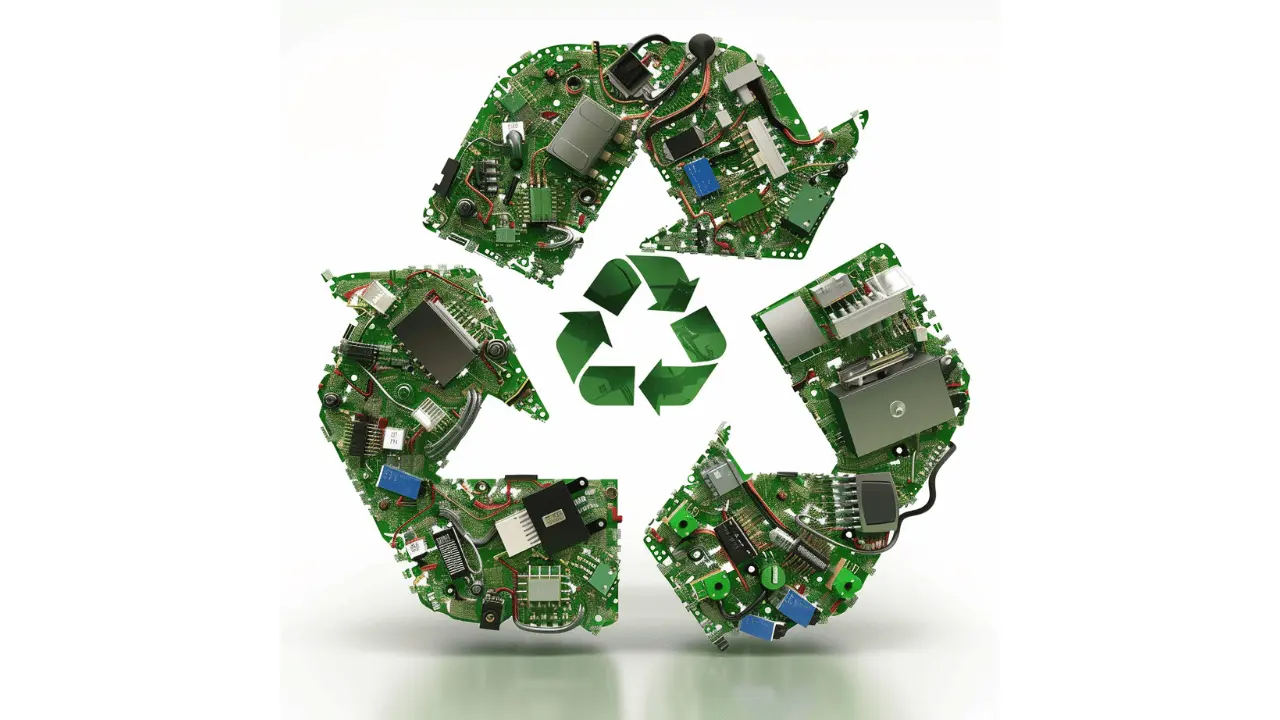
The drive towards e-recycling is intrinsically linked to the broader movement towards a circular economy. This economic model aims to keep products and materials in use for as long as possible, minimizing waste and maximizing resource utilization. In the context of technology, this means designing products with repairability and recyclability in mind, facilitating easier disassembly and material recovery.
The insights gained from analyzing the composition of e-waste can also inform future product design. Understanding which materials are most challenging to recycle or most valuable to recover can guide manufacturers in developing more sustainable and resource-efficient devices. This creates a feedback loop that drives innovation in both hardware design and material science.
E-Recycling and Your Digital Footprint: Tech, Brand, and Money
Understanding e-recycling is no longer confined to environmental circles. It has tangible implications for how we interact with technology, how brands are perceived, and how we manage our finances.
Tech and E-Recycling: The Lifecycle of Gadgets and Data Security
As consumers, we are at the forefront of the e-waste generation. The constant upgrade cycle of smartphones, laptops, and other gadgets means we are frequently faced with decisions about what to do with our old devices. Responsible e-recycling ensures that these devices are handled properly, preventing them from ending up in landfills.
Beyond environmental concerns, data security is paramount when disposing of electronics. Old devices often contain sensitive personal or corporate information. Reputable e-recycling services offer certified data destruction, ensuring that your digital footprint is erased before your device is processed. This is a crucial aspect of digital security that many overlook. Furthermore, by opting for e-recycling, you are supporting a more sustainable approach to the tech industry, encouraging manufacturers to consider the end-of-life of their products.
Brand and E-Recycling: Corporate Responsibility and Reputation Management
For businesses, embracing e-recycling is no longer an option; it’s a strategic imperative. Consumers are increasingly discerning, and a brand’s commitment to environmental sustainability can significantly influence purchasing decisions and overall reputation. Implementing robust e-recycling programs demonstrates a commitment to corporate social responsibility (CSR).
This can manifest in several ways:
- Take-back Programs: Many electronics manufacturers and retailers offer take-back programs, allowing customers to return old devices for recycling when purchasing new ones. This not only reduces e-waste but also enhances customer loyalty.
- Supply Chain Sustainability: Businesses are increasingly scrutinizing their supply chains for ethical and sustainable practices. Partnering with certified e-recycling providers ensures that the disposal of business electronics is handled responsibly.
- Marketing and Branding: Highlighting e-recycling initiatives in marketing materials and corporate reports can bolster a brand’s image, positioning it as an environmentally conscious and forward-thinking organization. This can differentiate them from competitors and attract a more engaged customer base.
- Employee Engagement: Encouraging employees to participate in e-recycling drives or providing convenient recycling options within the workplace can foster a culture of sustainability and boost employee morale.
Money and E-Recycling: Financial Benefits and Investment Opportunities
The financial implications of e-recycling are often underestimated, but they are significant for both individuals and businesses.
- Cost Savings: For businesses, extending the lifespan of electronics through refurbishment and then responsibly recycling obsolete equipment can lead to considerable cost savings compared to frequent replacements.
- Revenue Generation: The recovery of valuable materials from e-waste can create new revenue streams. While not a primary source of income for most individuals, the potential for businesses to recoup costs or even profit from valuable materials salvaged from their e-waste is a growing area of interest.
- Reduced Disposal Costs: Improper disposal of e-waste can incur significant fines and penalties due to environmental regulations. Investing in proper e-recycling services can prevent these costly repercussions.
- Investment in the Circular Economy: As the circular economy gains momentum, there are growing investment opportunities in companies specializing in e-recycling, resource recovery, and sustainable electronics manufacturing. Investors are increasingly looking for businesses that align with environmental, social, and governance (ESG) principles.
- Personal Finance: For individuals, understanding the value of materials within their old electronics can also have a minor financial impact. While selling old devices for resale is an option, proper recycling ensures even the materials that can’t be resold are handled responsibly, preventing potential future costs associated with environmental cleanup.
The Future of E-Recycling: Towards a Sustainable Digital Ecosystem
The challenges posed by e-waste are significant, but so are the opportunities presented by e-recycling. As technology continues to evolve at an unprecedented pace, the importance of responsible e-waste management will only grow.
Innovation in Recycling Technologies: Smarter, Faster, Greener
The field of e-recycling is continuously innovating. Advanced sorting technologies, artificial intelligence-powered material identification, and more efficient methods for extracting precious metals are constantly being developed. These advancements promise to make e-recycling more efficient, cost-effective, and environmentally sound.
Policy and Regulation: Driving Responsible Practices
Governments worldwide are increasingly implementing stricter regulations and Extended Producer Responsibility (EPR) schemes to manage e-waste. These policies hold manufacturers and importers accountable for the end-of-life management of their products, incentivizing them to design for recyclability and support e-recycling infrastructure.
Consumer Awareness and Action: The Power of Choice
Ultimately, the success of e-recycling hinges on consumer awareness and action. By understanding the importance of e-recycling and making informed choices about how we dispose of our old electronics, we can collectively contribute to a more sustainable digital future. Supporting certified e-recycling providers, opting for products designed for longevity and repairability, and advocating for responsible e-waste policies are all crucial steps we can take.
In conclusion, “what is e-recycling” is a question that extends far beyond simple disposal. It’s a critical component of managing the environmental impact of our technological society, a vital aspect of brand responsibility in the digital age, and a significant consideration for individual and corporate financial well-being. By embracing e-recycling, we can transform the growing challenge of e-waste into an opportunity for resource recovery, environmental stewardship, and a more sustainable, circular economy for technology.
aViewFromTheCave is a participant in the Amazon Services LLC Associates Program, an affiliate advertising program designed to provide a means for sites to earn advertising fees by advertising and linking to Amazon.com. Amazon, the Amazon logo, AmazonSupply, and the AmazonSupply logo are trademarks of Amazon.com, Inc. or its affiliates. As an Amazon Associate we earn affiliate commissions from qualifying purchases.