
While the title might initially suggest a purely medical topic, understanding E. coli and its symptoms can surprisingly intersect with our core interests in technology, brand perception, and even financial preparedness. In today’s interconnected world, information travels at the speed of light, and a health concern like an E. coli outbreak can quickly ripple through communities, impacting businesses, consumer trust, and individual well-being. This article aims to demystify E. coli, explain its symptoms, and explore how these concepts, while seemingly distinct, can resonate with the tech-savvy, brand-conscious, and financially astute individuals we cater to.

Understanding E. coli: Beyond a Medical Concern
Escherichia coli, commonly known as E. coli, is a type of bacteria that is widespread in the environment, including in the intestines of humans and animals. For the most part, E. coli strains are harmless and even beneficial, playing a role in digestion. However, some strains, particularly Shiga toxin-producing E. coli (STEC), can cause serious illness. These pathogenic strains are the ones that generate headlines and public health alerts.
The Pathogenic Players: STEC and Their Impact
The strains of E. coli that cause illness are primarily those that produce Shiga toxins. These toxins damage the lining of the intestine, leading to a range of symptoms. The most well-known and dangerous STEC strain is E. coli O157:H7, but other serogroups can also be problematic. Understanding which strains are responsible is crucial for public health officials and for consumers to make informed decisions about food safety.
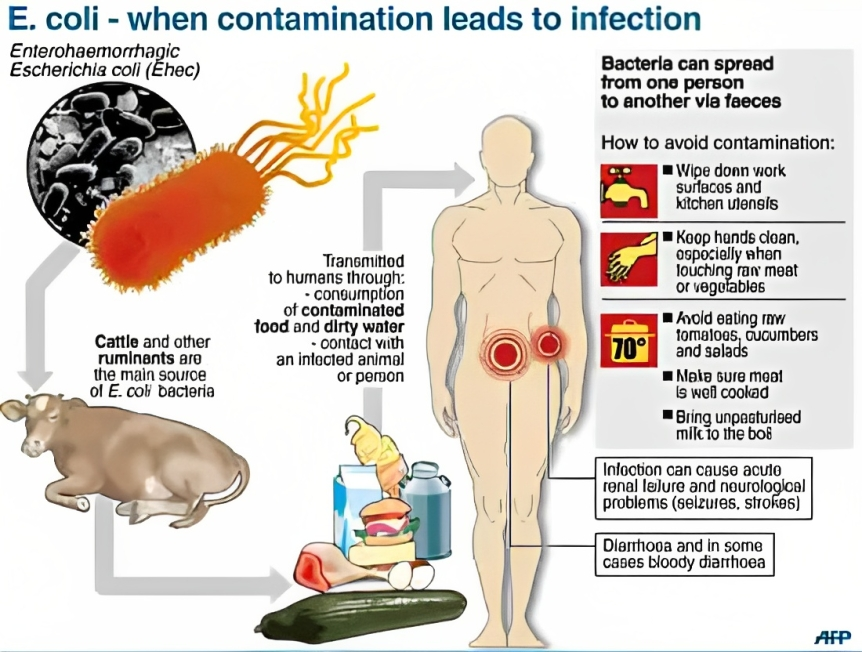
The transmission of these harmful E. coli strains typically occurs through the fecal-oral route. This means that the bacteria from the feces of an infected person or animal can contaminate food, water, or surfaces, and then be ingested by another person. Common sources of contamination include undercooked ground beef, raw milk, contaminated produce, and even recreational water.
Transmission Routes: More Than Just Food
While contaminated food is a primary concern, it’s important to recognize that E. coli can spread through other means as well. Person-to-person transmission is possible, especially in settings where hygiene is compromised, such as daycare centers or nursing homes. This highlights the importance of rigorous handwashing and sanitation practices.
Waterborne transmission is another significant route. Contaminated drinking water sources or recreational waters, like lakes and swimming pools, can harbor E. coli. This underscores the vital role of robust public health infrastructure and regular water quality testing, areas where technological advancements in monitoring and analysis are increasingly playing a role.
Symptoms of E. coli Infection: Recognizing the Warning Signs
The symptoms of an E. coli infection can vary depending on the strain of bacteria and the individual’s immune system, but they generally appear 1 to 10 days after exposure, with an average of 3 to 4 days. Recognizing these symptoms is critical for seeking timely medical attention and preventing complications.
Gastrointestinal Distress: The Most Common Manifestations
The hallmark symptoms of an E. coli infection are related to gastrointestinal distress. These can include:
- Diarrhea: This is often the first and most prominent symptom. It can range from mild to severe and may initially be watery.
- Bloody Diarrhea: A particularly concerning symptom is diarrhea that contains blood. This indicates that the Shiga toxins are damaging the intestinal lining.
- Abdominal Cramps: Severe and often sudden abdominal pain and cramping are common. These cramps can be intense and debilitating.
- Nausea and Vomiting: Some individuals may experience nausea, which can lead to vomiting, further exacerbating dehydration.
It’s important to note that fever is usually absent or low-grade in E. coli infections, distinguishing it from some other bacterial infections.
Beyond the Gut: Potential Complications

While most individuals recover from E. coli infections within a week, a small percentage can develop a severe complication known as Hemolytic Uremic Syndrome (HUS). This is a life-threatening condition that primarily affects young children and the elderly.
Hemolytic Uremic Syndrome (HUS): A Serious Threat
HUS is characterized by:
- Kidney Failure: The toxins produced by E. coli can damage the kidneys, leading to a decrease in their ability to filter waste from the blood.
- Anemia: Red blood cells are destroyed, resulting in a shortage of healthy red blood cells to carry oxygen to the body’s tissues.
- Low Platelet Count: Platelets, which are crucial for blood clotting, are also affected, increasing the risk of bleeding.
Symptoms of HUS can include decreased urination, unusual bruising, pale skin, and fatigue. Prompt medical intervention is crucial for managing HUS and improving outcomes.
E. coli and the Wider World: Implications for Tech, Brands, and Money
While the immediate concern with E. coli is health, the implications of outbreaks extend far beyond the medical sphere, touching upon our core interests:
Technological Innovations in Food Safety and Public Health
The ability to track, identify, and prevent E. coli outbreaks is increasingly reliant on technological advancements. From sophisticated DNA sequencing techniques that can pinpoint the source of an outbreak to smart sensors that monitor food production environments, technology plays a crucial role.
- Data Analytics and AI: The vast amounts of data generated by food safety monitoring and outbreak investigations can be analyzed using AI and machine learning algorithms. This helps identify patterns, predict potential risks, and inform preventative measures. Apps and digital platforms can also be used to disseminate real-time alerts and educational information to the public.
- Supply Chain Transparency: Blockchain technology is being explored to create more transparent and traceable food supply chains. This allows for rapid identification of contaminated products and more efficient recalls, mitigating the impact of outbreaks.
- Diagnostic Tools: Innovations in rapid diagnostic tests for E. coli can help healthcare providers and food industry professionals identify the bacteria more quickly, leading to faster interventions.
Brand Reputation and Consumer Trust in the Face of Outbreaks
For businesses, particularly those in the food industry, an E. coli outbreak can be devastating to their brand reputation. Consumer trust is a valuable asset, and a contamination incident can erode it in a matter of days.
- Crisis Communication Strategies: Effective communication is paramount during a crisis. Brands need to have robust crisis communication plans in place, leveraging digital channels to provide accurate information, apologize if necessary, and outline the steps being taken to rectify the situation. Transparency and speed are key to rebuilding trust.
- Quality Control and Assurance: Demonstrating a strong commitment to quality control and food safety is not just a matter of compliance but a cornerstone of brand integrity. Case studies of companies that have successfully navigated food safety challenges and emerged stronger often highlight their proactive approach to safety protocols.
- Consumer Perception and Marketing: In the aftermath of an outbreak, marketing efforts need to be carefully considered. Building a narrative of safety, reliability, and responsibility can help to slowly rebuild consumer confidence. Personal branding for leaders within the food industry can also play a role in conveying a sense of accountability and commitment.
Financial Preparedness and the Cost of Illness and Outbreaks
The financial implications of E. coli infections, both for individuals and for businesses, can be significant.
- Individual Financial Strain: For individuals who become ill, medical expenses, lost wages due to inability to work, and the potential for long-term health complications can create considerable financial strain. This underscores the importance of having adequate health insurance and emergency savings.
- Business Financial Losses: For businesses, an E. coli outbreak can lead to costly product recalls, lost sales, legal liabilities, increased insurance premiums, and significant damage to their bottom line. The cost of implementing enhanced safety measures and rebuilding brand reputation can be substantial.
- Economic Impact: Widespread E. coli outbreaks can have broader economic consequences, impacting agricultural sectors, tourism, and the overall food industry. Investing in robust public health infrastructure and food safety regulations can be seen as a form of preventative financial planning for society as a whole. Side hustles focused on developing innovative food safety solutions or consulting on crisis management could also emerge from this need.
Conclusion: A Holistic Approach to Understanding and Mitigating Risks
While the immediate focus on “what is E. coli and what are the symptoms” is health-related, a deeper understanding reveals its interconnectedness with technology, brand management, and financial planning. By embracing technological solutions for prevention and detection, maintaining strong brand integrity through rigorous safety standards, and ensuring personal and business financial resilience, we can better navigate the risks associated with foodborne illnesses like E. coli. In our increasingly complex world, a holistic perspective is not just beneficial; it’s essential for thriving.
aViewFromTheCave is a participant in the Amazon Services LLC Associates Program, an affiliate advertising program designed to provide a means for sites to earn advertising fees by advertising and linking to Amazon.com. Amazon, the Amazon logo, AmazonSupply, and the AmazonSupply logo are trademarks of Amazon.com, Inc. or its affiliates. As an Amazon Associate we earn affiliate commissions from qualifying purchases.