
Diabetic foot is a severe, often debilitating complication of diabetes that arises from prolonged exposure to high blood sugar levels. It encompasses a spectrum of conditions, from nerve damage (neuropathy) and poor circulation (peripheral artery disease) to infections and, in critical cases, amputations. Traditionally, the identification and management of diabetic foot have relied heavily on manual examinations, patient education, and reactive treatments. However, in our rapidly evolving technological landscape, understanding “what is diabetic foot” extends beyond its medical definition to encompass the pivotal role technology now plays in its prevention, early detection, precise diagnosis, and advanced management. This article delves into how digital innovations are redefining our approach to diabetic foot, transforming it from a predominantly reactive challenge into an area ripe for proactive, data-driven intervention.

The Core Challenge: Defining Diabetic Foot in a Tech-Driven World
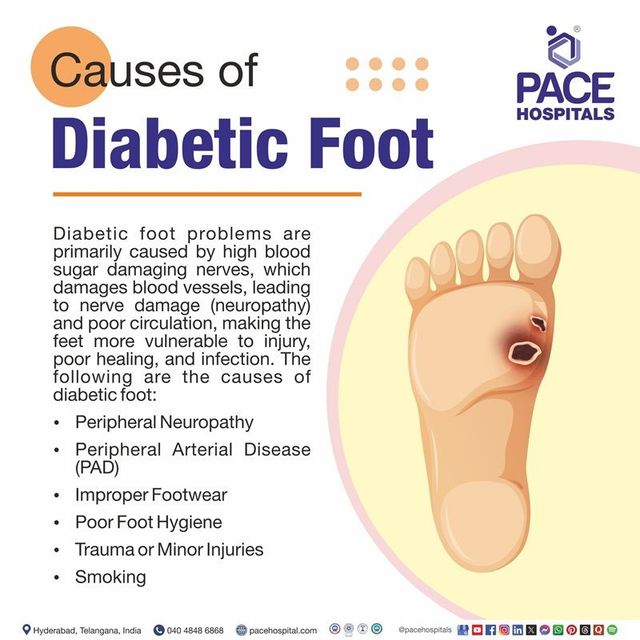
To fully appreciate the technological interventions, one must first grasp the multifaceted nature of diabetic foot itself. It is not a single disease but a complex syndrome stemming from various interconnected physiological impairments. For individuals with diabetes, consistently elevated glucose levels can damage blood vessels and nerves over time. This damage manifests primarily in two critical ways: peripheral neuropathy, which diminishes sensation and pain perception in the feet, and peripheral artery disease (PAD), which restricts blood flow, impairing healing and increasing susceptibility to infection. In a tech-driven world, the definition of diabetic foot is increasingly informed by the digital tools that help us visualize, quantify, and predict these underlying pathologies, moving beyond mere observation to actionable data points.
Understanding the Pathophysiology Through Digital Lenses
The intrinsic pathophysiology of diabetic foot – nerve damage, impaired circulation, and compromised immune response – forms the bedrock of its clinical presentation. Digital diagnostic tools are now providing unprecedented insights into these mechanisms. Advanced sensors can map nerve conduction velocities with precision, identifying neuropathy at earlier, more treatable stages. High-resolution Doppler ultrasound and advanced imaging software create detailed visualizations of vascular compromise, pinpointing arterial blockages that might otherwise go unnoticed until severe complications arise. Furthermore, sophisticated software models are being developed to simulate tissue stress and pressure distribution, helping to explain how repetitive microtrauma, often unfelt due to neuropathy, contributes to ulcer formation. These digital lenses allow clinicians and researchers to move beyond symptomatic diagnosis to a deeper, data-informed understanding of disease progression.
The Silent Threat: Early Detection Imperatives
One of the most insidious aspects of diabetic foot is its “silent” nature; due to neuropathy, patients often don’t feel pain from injuries, blisters, or even deep ulcers. This lack of sensation means that significant damage can occur before any visible signs prompt medical attention, often leading to advanced infections or osteomyelitis. The imperative for early detection is paramount, and it is here that technology truly shines. Without timely intervention, what begins as a minor skin break can rapidly escalate, necessitating aggressive treatments or, in the worst-case scenario, amputation. Technology aims to break this cycle by providing continuous, non-invasive monitoring and alerting systems that flag potential issues long before they become critical. This shift from reactive crisis management to proactive surveillance is a cornerstone of modern, tech-enabled diabetic foot care.
Technology as the First Line of Defense: Prevention and Early Detection
The most effective strategy against diabetic foot complications is prevention, underpinned by vigilant monitoring and proactive interventions. Technology is rapidly transforming this landscape, empowering both patients and healthcare providers with tools that predict risk, monitor subtle changes, and facilitate timely action. By leveraging smart devices and sophisticated algorithms, we can identify individuals at high risk and intervene before damage becomes irreversible.
Wearable Sensors and Smart Insoles: Proactive Monitoring
Wearable technology has emerged as a game-changer in preventing diabetic foot complications. Smart insoles, embedded with pressure sensors, can continuously monitor plantar pressure distribution during daily activities. When specific areas experience excessive or prolonged pressure—a common precursor to ulcer formation—the insoles can alert the patient via a smartphone app. Some advanced versions even incorporate temperature sensors to detect inflammation, a sign of impending tissue breakdown, often occurring days before an ulcer becomes visible. Similarly, smart socks with integrated textile sensors can track temperature, moisture, and even micro-movements, providing real-time data to identify anomalies indicative of infection or injury, long before the patient might feel them. These devices empower patients to take an active role in their foot health, providing actionable data for preventative adjustments.
AI-Powered Risk Assessment and Predictive Analytics
Artificial intelligence (AI) and machine learning (ML) are revolutionizing risk assessment for diabetic foot. By analyzing vast datasets—including patient medical history, glycemic control data, previous foot complications, genetic markers, and even lifestyle factors—AI algorithms can identify high-risk individuals with remarkable accuracy. Predictive analytics can forecast the likelihood of ulcer development or recurrence, allowing clinicians to tailor preventative strategies. For instance, an AI model might flag a patient with suboptimal glycemic control, a history of neuropathy, and specific gait patterns as being at extremely high risk, prompting more frequent clinical check-ups, specialized footwear prescriptions, or personalized educational interventions. This data-driven approach moves beyond traditional risk scoring to a dynamic, continuously learning system that refines predictions over time.
Telemedicine and Remote Consultations in Prevention
The rise of telemedicine platforms has significantly enhanced access to preventative care, particularly for individuals in remote areas or those with mobility challenges. Patients can now conduct virtual consultations with podiatrists or endocrinologists, sharing images or video of their feet, discussing symptoms, and receiving guidance without needing an in-person visit. Remote monitoring devices, often integrated with telemedicine platforms, allow healthcare providers to track vital signs, glucose levels, and even data from smart insoles from a distance. This capability ensures consistent oversight and facilitates early intervention, reducing the barriers to care that can often lead to delayed diagnosis and advanced complications. Telemedicine transforms routine check-ups into convenient, ongoing engagements, strengthening the patient-provider relationship in preventative care.
Advanced Diagnostics: Precision Tools for Diabetic Foot Assessment
Once a concern arises, accurate and timely diagnosis is paramount. Technology is providing clinicians with an array of sophisticated tools that offer unparalleled precision in assessing the extent of damage, identifying specific pathologies, and guiding treatment strategies for diabetic foot. These tools move beyond qualitative observation to quantitative, objective measurements.
Digital Imaging and 3D Modeling for Wound Analysis
The assessment of diabetic foot ulcers has been dramatically improved by digital imaging technologies. High-resolution digital cameras, often integrated with specialized software, can capture detailed images of wounds, allowing for precise measurement of size, depth, and wound bed characteristics. Beyond static images, 3D imaging and modeling systems can create volumetric representations of ulcers, enabling clinicians to track healing progression (or deterioration) with objective, quantifiable data. This allows for more informed adjustments to wound care protocols. Thermal imaging cameras can detect subtle temperature variations that indicate inflammation or infection, even before visible signs appear, providing an early warning system for complications that require immediate attention. These digital tools ensure consistency in assessment and provide a robust record for tracking long-term outcomes.
Neuropathy and Angiopathy Screening with Advanced Devices
Diagnosing the underlying neuropathy and angiopathy (vascular disease) is critical for effective management. Advanced diagnostic devices are now commonplace. Quantitative Sensory Testing (QST) devices objectively measure nerve function by assessing thermal, vibratory, and pressure thresholds, providing a more detailed picture of neurological impairment than traditional monofilament tests. Non-invasive vascular assessment tools, such as transcutaneous oxygen measurement (TcPO2) and advanced Doppler ultrasound systems, precisely quantify blood flow to the feet, identifying areas of ischemia. These devices can pinpoint the exact location and severity of arterial blockages, guiding decisions on revascularization procedures. The integration of these disparate diagnostic data points, often within a single software platform, provides a holistic view of the patient’s condition, facilitating more targeted interventions.
Software Solutions for Comprehensive Patient Data Management
The complexity of diabetic foot care generates a substantial amount of patient data – from glucose logs and sensor readings to wound images and vascular assessments. Robust software solutions, including Electronic Health Records (EHRs) with specialized modules for diabetic foot, are crucial for integrating and managing this information. These platforms allow clinicians to track patient history, monitor treatment efficacy, schedule follow-up appointments, and access all relevant diagnostic data from a single interface. Cloud-based systems facilitate seamless information sharing among multidisciplinary care teams (podiatrists, endocrinologists, vascular surgeons, dietitians), ensuring coordinated and comprehensive care. Predictive analytics within these software suites can also alert providers to potential complications based on trend analysis, further enhancing proactive management.
Revolutionary Treatments and Management Tools
Beyond diagnosis, technology is also transforming the very nature of diabetic foot treatment and ongoing management. From smart wound dressings to robotic assistance, the interventions available are becoming increasingly sophisticated, personalized, and effective. These advancements aim to accelerate healing, prevent recurrence, and improve overall patient outcomes.
Smart Dressings and Automated Wound Care Systems
Traditional wound care, while essential, can be time-consuming and prone to human error. Smart wound dressings are revolutionizing this. These dressings contain sensors that monitor key parameters of the wound environment, such as pH levels, temperature, and exudate volume. Some can even release antimicrobial agents or growth factors in response to specific wound conditions. Data from these dressings can be wirelessly transmitted to healthcare providers, allowing for continuous, remote monitoring of the healing process. Automated wound care systems, incorporating robotics and AI, are also being developed to perform precise debridement or apply dressings with greater consistency and hygiene, particularly in complex or large wounds, minimizing infection risk and accelerating recovery.
Robotic Assistance in Surgical Interventions
For severe cases of diabetic foot that require surgical intervention, such as debridement, osteotomy, or even amputation, robotic assistance is beginning to play a role. Robotic systems offer enhanced precision, stability, and dexterity, allowing surgeons to perform intricate procedures with greater accuracy and less invasiveness. This can lead to reduced tissue trauma, faster recovery times, and improved functional outcomes. While still an emerging field in diabetic foot surgery, the potential for robotics to elevate the standard of care, particularly in delicate reconstructive procedures or bone infection management, is significant, promising to optimize patient rehabilitation.
Virtual Reality and Gamification for Patient Education
Patient education and adherence to self-care protocols are critical, yet often challenging aspects of diabetic foot management. Virtual reality (VR) and gamification are offering innovative solutions. VR platforms can immerse patients in interactive simulations, demonstrating proper foot inspection techniques, the importance of glycemic control, or the correct way to wear specialized footwear. This experiential learning can significantly improve retention and engagement compared to traditional pamphlets or verbal instructions. Gamified apps can turn routine tasks, like daily foot checks or medication adherence, into engaging challenges with rewards, fostering long-term behavioral change. By making education interactive and enjoyable, technology empowers patients to become active partners in their own care, reducing the likelihood of complications.
The Future of Diabetic Foot Care: An Integrated Tech Ecosystem
The trajectory of technological advancement in diabetic foot care points towards an increasingly integrated ecosystem. The vision is one where diverse digital tools – from wearables and AI diagnostics to advanced treatments and educational platforms – communicate seamlessly, creating a holistic, personalized, and highly efficient care continuum. This integration promises to move us closer to a future where diabetic foot complications are rare, and quality of life for individuals with diabetes is significantly improved.
Interoperability and Data Sharing for Holistic Care
The full potential of these technologies can only be realized through robust interoperability and secure data sharing. Imagine a system where data from a patient’s smart insoles, continuous glucose monitor, and remote wound camera automatically update their electronic health record, which is then accessible to their entire multidisciplinary care team. AI algorithms analyze this aggregated data in real-time, flagging potential issues, suggesting personalized interventions, and predicting future risks. This seamless flow of information eliminates silos, reduces redundant testing, and ensures that every member of the care team has the most current and comprehensive understanding of the patient’s condition, leading to truly holistic and coordinated care.

Personalized Medicine Driven by AI and Big Data
The future of diabetic foot care will be profoundly personalized, driven by the power of AI and big data analytics. By integrating genetic profiles, microbiome data, lifestyle choices, environmental factors, and continuous physiological monitoring, AI can construct a highly individualized risk profile and predict treatment responses. This means moving beyond “one-size-fits-all” approaches to interventions tailored precisely to an individual’s unique biological and lifestyle context. Personalized medicine will dictate specific footwear designs, optimal wound care protocols, targeted pharmacological interventions, and highly customized preventative strategies. This data-driven, precision approach promises to unlock unprecedented levels of effectiveness in preventing and managing diabetic foot, ultimately reducing the burden of this devastating complication.
aViewFromTheCave is a participant in the Amazon Services LLC Associates Program, an affiliate advertising program designed to provide a means for sites to earn advertising fees by advertising and linking to Amazon.com. Amazon, the Amazon logo, AmazonSupply, and the AmazonSupply logo are trademarks of Amazon.com, Inc. or its affiliates. As an Amazon Associate we earn affiliate commissions from qualifying purchases.