
Dentures, at their core, are removable prosthetic devices designed to replace missing teeth and surrounding tissues. For centuries, the concept of artificial teeth has evolved, from crude early attempts to today’s highly sophisticated and customized solutions. While often associated with traditional, manual craftsmanship, the contemporary landscape of denture fabrication is deeply intertwined with cutting-edge technology, transforming them from simple tooth replacements into advanced biomechanical devices. This article will explore what dentures are through a strictly technological lens, highlighting the innovations that define their design, production, and performance in the 21st century.

Beyond Traditional: The Evolution of Denture Technology
The journey of dentures has been marked by continuous innovation, moving from rudimentary methods to highly precise digital workflows. Understanding this evolution is key to appreciating the technological leap modern dentures represent.
From Ivory to Advanced Polymers: Materials Science Revolution
Historically, dentures were crafted from a variety of materials, including ivory, animal bone, and even human teeth, often leading to poor fit, discomfort, and rapid deterioration. The first significant material breakthrough came with vulcanite rubber in the mid-19th century, offering a more resilient and formable base. However, the true revolution arrived with polymethyl methacrylate (PMMA) acrylic in the 1930s. PMMA remains the most common base material today, but even it has seen significant advancements. Modern PMMA is engineered for enhanced durability, improved aesthetics, and superior biocompatibility. Beyond PMMA, advanced polymers like nylon-based thermoplastics offer flexibility, lightness, and allergen-free properties for specific denture types, while innovative ceramic and composite materials are used for prosthetic teeth, mimicking natural enamel in translucency and strength. This materials science evolution is crucial, as the performance and longevity of dentures are directly tied to the technological properties of their constituent elements.
Digital Impressions and CAD/CAM: Precision in Design
One of the most profound technological shifts in dentistry, directly impacting dentures, is the adoption of digital impressioning and Computer-Aided Design/Computer-Aided Manufacturing (CAD/CAM). Gone are the days when uncomfortable, messy goo was the only way to capture the oral landscape. Today, intraoral scanners, which are high-resolution optical gadgets, capture precise 3D images of the patient’s oral cavity in minutes. This digital data is then fed into specialized CAD software. Dental technicians and dentists use these sophisticated programs to virtually design the denture base and individual prosthetic teeth. This software allows for unparalleled precision, enabling adjustments down to micrometers, optimizing fit, bite alignment (occlusion), and aesthetic contours far beyond what was possible with manual techniques. The ability to simulate the final outcome digitally reduces errors, enhances patient comfort, and streamlines the entire design process.
3D Printing and Additive Manufacturing: Customization at Scale
The digital designs created using CAD software are not just for display; they are the blueprints for advanced manufacturing. 3D printing, or additive manufacturing, has become a game-changer in denture production. Instead of traditional milling or hand-sculpting, specialized 3D printers, often using vat photopolymerization (SLA/DLP) or material jetting technologies, build dentures layer by layer from liquid resins or powdered materials. This technology allows for the creation of highly complex geometries with incredible accuracy, enabling perfect customization for each patient. From temporary dentures and surgical guides for implant placement to the actual final denture bases and teeth, 3D printing offers speed, material efficiency, and a level of personalized fit that was previously unattainable. It’s a prime example of how digital manufacturing tools are revolutionizing a classic medical device.
Types of Modern Dentures: A Technological Spectrum
The “what is dentures” question also encompasses the various types available today, each leveraging different technological approaches to address diverse patient needs.
Conventional vs. Implant-Supported: Integrating Biocompatible Tech
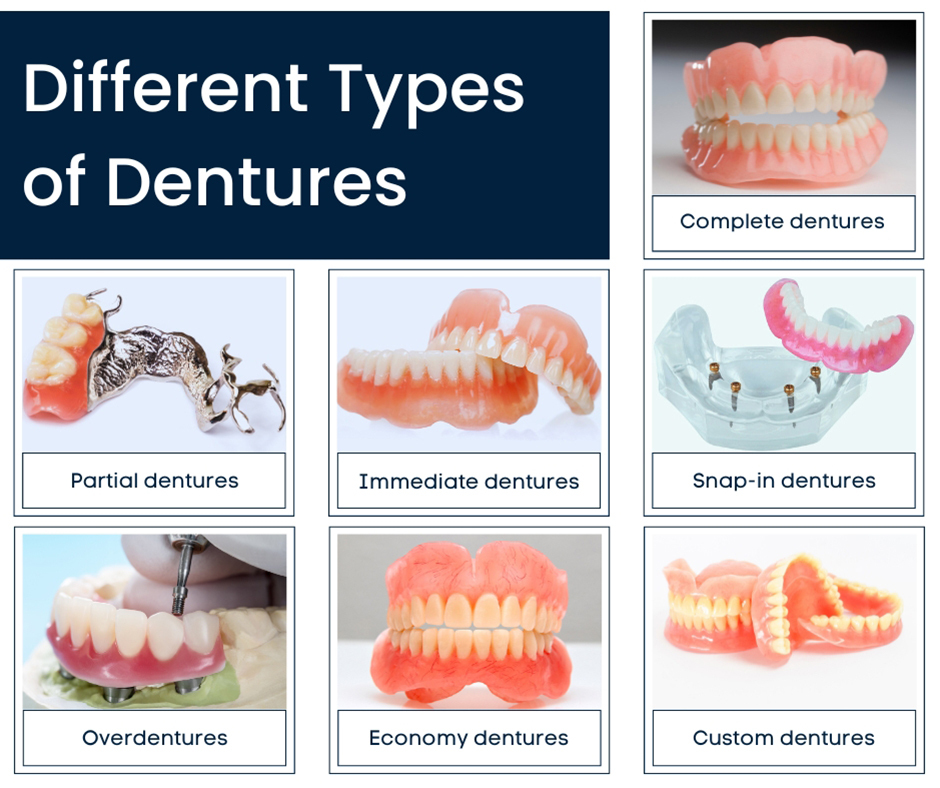
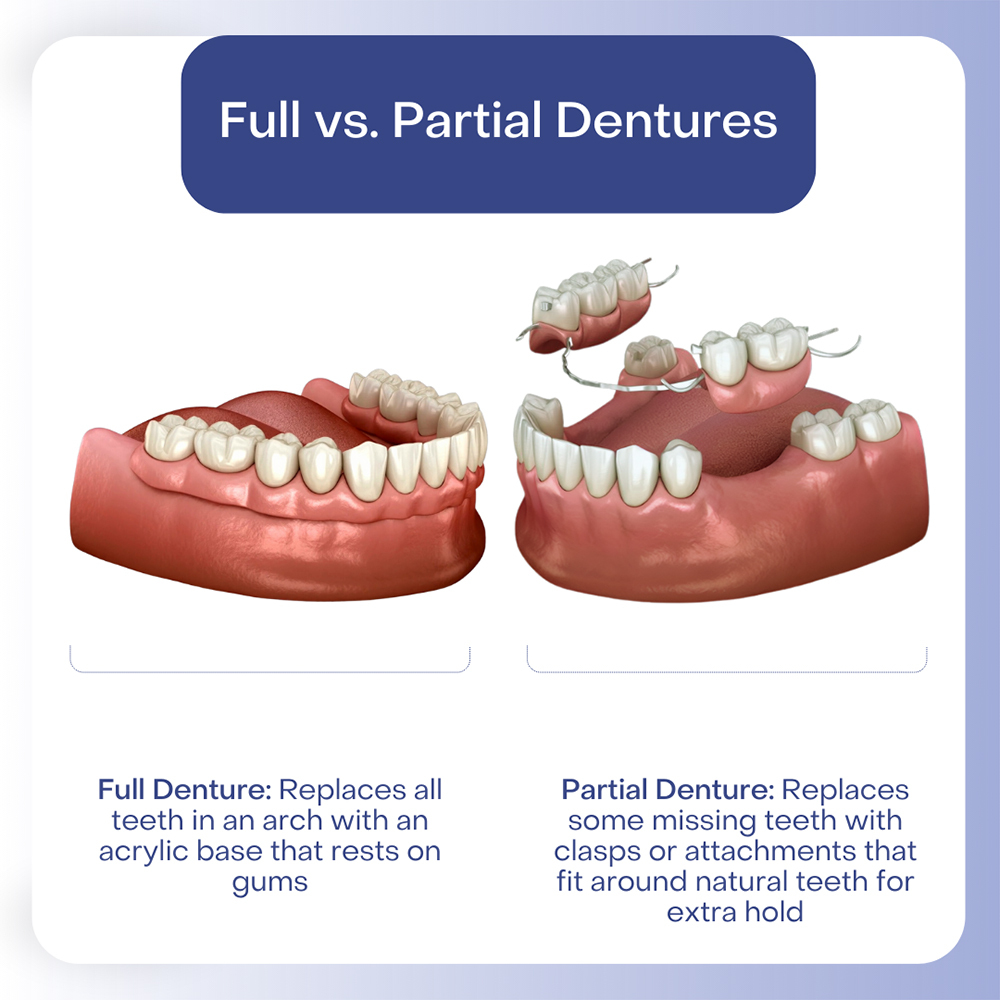
Traditional conventional dentures rely solely on suction and the underlying oral tissues for support. While technologically advanced in materials and digital design, their primary limitation is inherent stability. Enter implant-supported dentures, a pinnacle of modern dental technology. These dentures integrate directly with surgically placed dental implants – small, screw-shaped posts made of biocompatible titanium, which fuse with the jawbone through a process called osseointegration. This fusion creates a stable, artificial tooth root system. Implant-supported dentures, often secured with clips or bars, offer significantly enhanced stability, chewing efficiency, and comfort compared to conventional options. The implants themselves are highly engineered medical gadgets, designed for long-term integration with human bone, demonstrating a sophisticated blend of materials science and surgical technology.
Flexible and Lightweight: Enhanced Comfort through Material Innovation
Patient comfort is a key driver for technological advancement in dentures. Flexible dentures, typically made from nylon-based thermoplastic materials, represent a significant leap in this area. Unlike rigid acrylics, these materials are thinner, lighter, and more pliable, conforming naturally to the contours of the mouth. This flexibility can make them more comfortable to wear, reduce irritation, and offer a more secure fit without the need for adhesives in some cases. The development of these advanced polymers specifically for dental prosthetics showcases how material science and engineering contribute directly to user experience and overall patient satisfaction. Their hypoallergenic properties also make them an excellent technological solution for individuals with sensitivities to traditional acrylics.
Immediate Dentures: Bridging the Gap with Digital Planning
Immediate dentures are designed to be inserted immediately after natural teeth are extracted, preventing the patient from having to go without teeth during the healing period. The technological marvel here lies in the precise pre-planning required. Using digital scans of the patient’s mouth before extractions, CAD software can accurately predict the post-extraction oral landscape. This allows for the fabrication of the immediate denture in advance, often leveraging 3D printing for speed and accuracy. This blend of diagnostic imaging, predictive modeling software, and rapid prototyping ensures a seamless transition for the patient, minimizing psychological and functional disruption.
The Digital Workflow: How Technology Delivers Superior Outcomes
The entire process of creating modern dentures is a sophisticated digital workflow, moving from data acquisition to automated fabrication with remarkable precision and efficiency.
Intraoral Scanners: Replacing Goop with Data
The initial step in the modern denture journey is often the intraoral scan. These handheld digital gadgets project a light pattern onto the teeth and gums, capturing thousands of data points per second. Specialized software then stitches these images together to create a highly accurate 3D model of the patient’s oral anatomy. This process is not only more comfortable for patients but also provides a level of detail and accuracy far superior to traditional impression materials, eliminating common errors like voids or distortions. The digital file becomes the foundation for all subsequent design and manufacturing steps, ensuring consistency and precision.
Predictive Software and Virtual Articulation: Simulating Function
Once the digital model is created, it’s imported into advanced CAD software. Here, dental technicians use sophisticated algorithms and virtual articulation tools to design the denture. Virtual articulators simulate the patient’s jaw movements, allowing the designer to precisely calibrate the bite (occlusion) and ensure proper function and comfort. Predictive software can also analyze stress points, material thickness, and aesthetic considerations, optimizing the denture’s design for durability and natural appearance before a single physical object is made. This software-driven simulation significantly reduces trial-and-error, saving time and improving the final outcome.
Milling and Printing Labs: Automated Precision Manufacturing
The final stage of the digital workflow involves automated manufacturing. High-precision CNC (Computer Numerical Control) milling machines carve denture bases and teeth from solid blocks of engineered polymers or ceramics with micron-level accuracy. Alternatively, as discussed, 3D printers build these components layer by layer. These automated systems are programmed directly from the CAD files, ensuring that the physical denture perfectly matches the digital design. This level of automation not only increases speed and consistency but also minimizes human error, resulting in a superior, reproducible product. These manufacturing facilities are essentially specialized high-tech production lines for personalized medical devices.
Enhancing Denture Performance with Smart Solutions
Technology continues to push the boundaries of denture performance, moving beyond basic replacement to optimizing comfort, stability, and even offering glimpses into future intelligent prosthetics.
Adhesives and Fixatives: Advancements in Retention Tech
Even for conventional dentures, technology plays a role in enhancing performance. Modern denture adhesives and fixatives are not just simple glues; they are scientifically formulated compounds designed for strong, long-lasting hold, improved comfort, and even antibacterial properties. These advanced chemical solutions provide a technological boost to denture retention, offering users greater confidence and security throughout the day. Innovations in application methods, such as thin strips and precision nozzles, further enhance the user experience, making them easier and more effective to use.
Integration with Diagnostic AI: Optimizing Fit and Function
The future of dentures is likely to see even deeper integration with artificial intelligence (AI) tools. Currently, AI is used in diagnostic imaging to detect potential issues, but its application in denture design is expanding. AI algorithms can analyze vast datasets of successful denture designs and patient anatomies to suggest optimal shapes, sizes, and occlusal schemes. By learning from millions of cases, AI can help predict the most stable and functional denture configuration, further refining the CAD design process and pushing the boundaries of personalized medicine. This means future dentures could be designed with an even higher degree of predictive accuracy for fit and long-term performance.
Future Frontiers: Sensor-Equipped and Self-Adjusting Dentures
Looking ahead, the “what is dentures” question might encompass even more sophisticated gadgets. Imagine dentures equipped with tiny sensors that monitor pressure, temperature, or even detect changes in oral health. These sensors could provide real-time feedback to the wearer or even the dentist, signaling issues before they become major problems. Further into the future, “smart” materials and micro-actuators could lead to self-adjusting dentures that subtly alter their fit or pressure distribution in response to changes in the oral environment or wear patterns, offering unprecedented levels of comfort and adaptability. While still largely in research, these concepts illustrate the ongoing technological trajectory of dental prosthetics.
Choosing Your Digital Smile: What Technology Offers Patients
Ultimately, the goal of all this technological advancement is to provide patients with better outcomes. Modern dentures, shaped by digital innovation, offer significant advantages.
Informed Decisions through Visual Simulations
Thanks to CAD software, patients can often see a virtual representation of their new smile before the dentures are even fabricated. This visual simulation, a direct output of design software, allows patients to actively participate in the design process, discuss aesthetic preferences, and make informed decisions about their treatment. This level of transparency and patient involvement, facilitated by digital tools, was virtually impossible in the past.
Faster Turnaround Times with Digital Processes
The digital workflow, from intraoral scanning to 3D printing or milling, is significantly more efficient than traditional manual methods. This technological streamlining often translates into faster production times, meaning patients can receive their customized dentures more quickly, reducing the waiting period and allowing them to regain their chewing function and aesthetic confidence sooner.
Long-Term Durability and Aesthetics via Engineered Materials
The combination of advanced materials science and precise digital manufacturing leads to dentures that are not only more comfortable and better fitting but also more durable and aesthetically pleasing. Engineered polymers and ceramics, combined with precise digital design, mean that modern dentures resist stains, wear, and breakage more effectively, offering a longer-lasting and more natural-looking solution for tooth replacement.
In conclusion, “what are dentures” in the modern era transcends a simple definition of artificial teeth. They are complex medical devices, meticulously designed and fabricated through a sophisticated interplay of digital scanning, advanced CAD/CAM software, 3D printing, and innovative materials science. The ongoing integration of technology—from precision gadgets and robust software to advanced materials and even AI—continues to redefine their capabilities, offering patients superior fit, function, aesthetics, and overall quality of life.
aViewFromTheCave is a participant in the Amazon Services LLC Associates Program, an affiliate advertising program designed to provide a means for sites to earn advertising fees by advertising and linking to Amazon.com. Amazon, the Amazon logo, AmazonSupply, and the AmazonSupply logo are trademarks of Amazon.com, Inc. or its affiliates. As an Amazon Associate we earn affiliate commissions from qualifying purchases.