
In our increasingly digital world, we interact with a constant stream of information. From browsing news sites to managing our finances online and utilizing the latest AI tools, the internet is an indispensable part of modern life. Behind many of these seamless experiences lies a tiny, often overlooked, piece of technology: the cookie. While the term might conjure images of delicious baked goods, in the realm of technology, a cookie is something entirely different, playing a crucial role in how websites function, how brands connect with us, and how we manage our digital footprint.

This article aims to demystify what cookies are, exploring their fundamental purpose, the various types that exist, and their significant impact across the technological, branding, and financial spheres. Understanding cookies is not just about satisfying technical curiosity; it’s about grasping how your online experience is shaped, how your privacy is managed, and how businesses leverage this technology to grow.
The Humble Beginnings and Core Functionality of Web Cookies
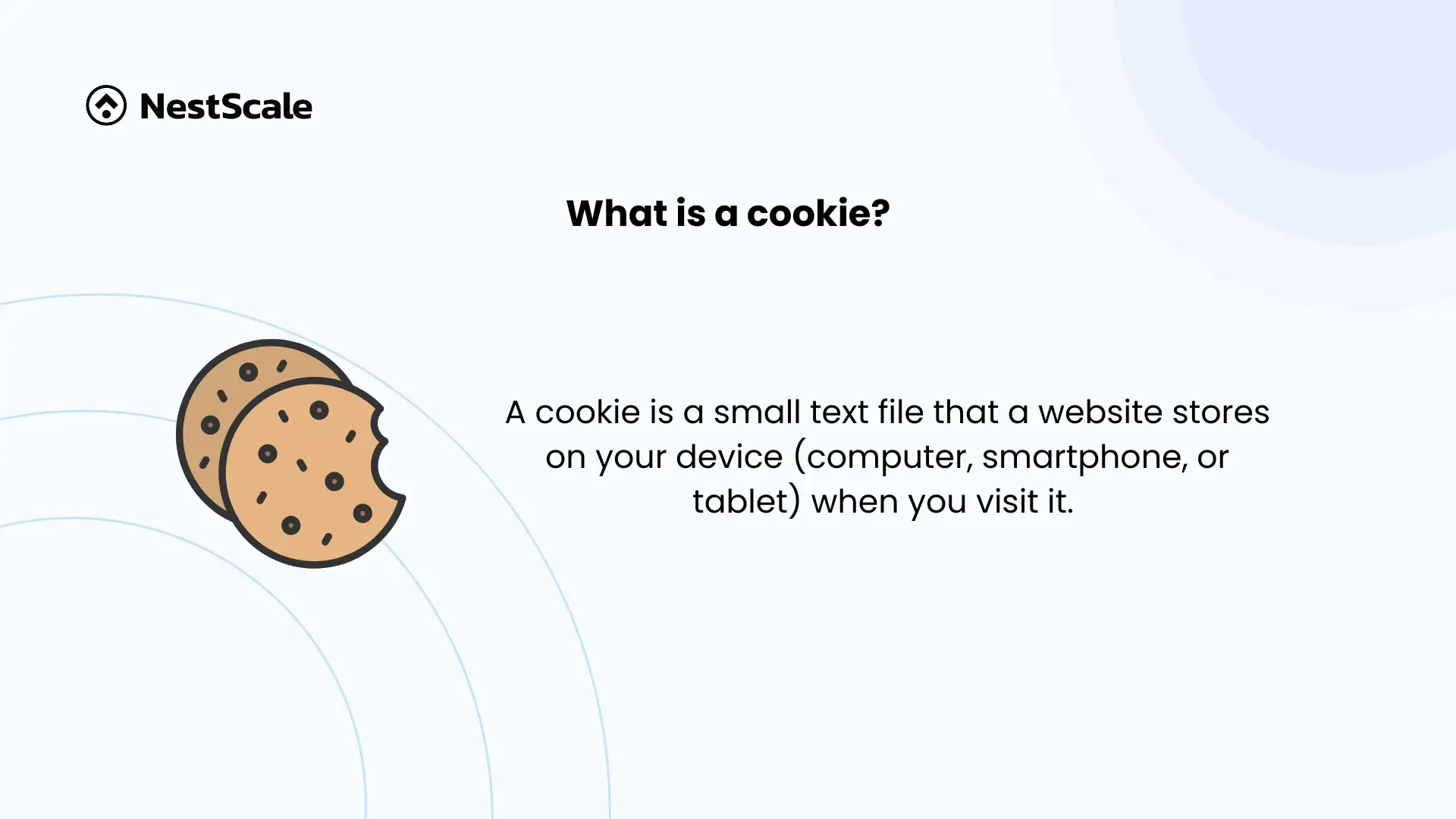
At its heart, a cookie is a small text file that a website sends to your browser when you visit it. Think of it as a digital identifier, a tiny digital handshake that allows the website to remember you and your preferences across your browsing session or even for future visits. Without cookies, every interaction you had with a website would be as if you were visiting for the very first time.
How Do Cookies Work?
The process is quite straightforward. When you visit a website, the server hosting that website sends a cookie to your browser. Your browser then stores this cookie. The next time you visit the same website, your browser sends the cookie back to the server. This allows the website to recognize you.
This recognition mechanism is what powers a multitude of essential online functionalities:
- Session Management: This is perhaps the most fundamental role of cookies. When you log into a website, a session cookie is created. This cookie tells the website that you are logged in, so you don’t have to re-enter your username and password every time you click on a new page. Without session cookies, online banking, social media platforms, and e-commerce sites would be incredibly cumbersome to use. Imagine having to log in anew for every single product you view on an online store!
- Personalization and Preferences: Cookies are instrumental in tailoring your experience to your liking. Websites can store your preferred language, your chosen theme (e.g., dark mode vs. light mode), or even items you’ve added to a shopping cart. This means that when you return to a site, it can instantly present you with the settings and content you’ve previously chosen, making your interaction more efficient and enjoyable.
- Tracking and Analytics: While often associated with targeted advertising, cookies also play a vital role in website analytics. They help website owners understand how visitors interact with their site – which pages are most popular, how long visitors stay, and where they come from. This data is invaluable for improving website design, content, and user experience.
It’s important to note that cookies themselves are not programs. They cannot execute code, nor can they carry viruses. They are simply passive pieces of data. The data they contain is typically limited to information about your browsing activity on that specific website and sometimes an anonymized unique identifier.
Navigating the Different Types of Cookies and Their Implications
Not all cookies are created equal. They vary in their purpose, origin, and how long they persist on your device. Understanding these distinctions is crucial for comprehending their impact on your digital life, particularly in relation to technology, branding, and even your personal finances.
First-Party vs. Third-Party Cookies: A Key Distinction
The most significant categorization of cookies is between first-party and third-party cookies. This distinction is critical for understanding privacy implications and the practices of both websites and advertisers.
First-Party Cookies: The Website’s Own Helpers
First-party cookies are set by the website you are directly visiting. They are generally used to enhance your experience on that specific site. Examples include:
- Remembering your login details: As mentioned earlier, these cookies ensure you stay logged in.
- Storing your shopping cart contents: Essential for e-commerce, these cookies remember what you’ve added to your cart.
- Saving your site preferences: Like language or theme choices.
These cookies are generally considered beneficial and are essential for the smooth functioning of many websites. Most browsers allow first-party cookies by default, and they are less of a privacy concern for users.
Third-Party Cookies: The Intermediaries of the Digital Ecosystem
Third-party cookies are set by domains other than the one you are currently visiting. They are typically placed by advertisers, analytics services, or social media widgets embedded on a webpage. For instance, a news website might have advertisements displayed by an ad network. That ad network would then place its own third-party cookie on your browser.
The primary functions of third-party cookies include:
- Cross-Site Tracking: This is where the controversy often arises. Third-party cookies can track your browsing behavior across multiple websites. If you visit Website A, then Website B, and both use the same ad network’s third-party cookie, the ad network can build a profile of your interests based on your visits to both sites.
- Targeted Advertising: This cross-site tracking data is then used to deliver personalized advertisements that are deemed relevant to your interests. While this can sometimes lead to discovering products or services you genuinely need, it also raises significant privacy concerns as it can feel intrusive.
- Social Media Integration: Buttons like “Like” or “Share” from platforms like Facebook or Twitter often use third-party cookies to function, allowing these platforms to track your activity even if you’re not directly interacting with their content.
The use of third-party cookies is becoming increasingly scrutinized due to privacy concerns. Many browsers, such as Safari and Firefox, have implemented stricter default settings to block them. Google Chrome, a dominant browser, has also announced plans to phase out third-party cookies by 2024, signaling a significant shift in the digital advertising landscape.
Session Cookies vs. Persistent Cookies: Time-Bound Interactions
Another way to categorize cookies is by their lifespan:
Session Cookies: Temporary Companions
Session cookies are temporary and are deleted from your computer when you close your browser. They are primarily used for session management, ensuring you remain logged in and your activity is tracked within a single browsing session.
Persistent Cookies: Long-Term Memory
Persistent cookies remain on your computer for a set period, which can range from a few minutes to several years, or until you manually delete them. These cookies are used for remembering your preferences and login details for future visits, allowing for a more personalized and convenient experience over time. For example, a persistent cookie might store your username so you don’t have to type it in every time you log in to your email.
Other Notable Cookie Types
- Secure Cookies: These cookies are sent over encrypted (HTTPS) connections, making them more secure.
- HttpOnly Cookies: These cookies cannot be accessed by JavaScript running in your browser, which helps prevent certain types of cross-site scripting (XSS) attacks.
- Flash Cookies (Local Shared Objects): While not strictly HTTP cookies, Flash cookies were used by Adobe Flash Player to store data. They have largely fallen out of use as Flash technology has been deprecated.
Cookies: Impacting Technology, Brands, and Your Digital Wallet
The implications of cookies extend far beyond mere technical functionality. They are deeply intertwined with the evolution of technology, the strategies of brands, and even the way we manage our personal finances and online income.
Technology and the Evolution of the Web
Cookies are a foundational element of the modern internet. They enabled the transition from static, brochure-like websites to dynamic, interactive platforms. Without cookies:
- Online Applications Would Be Impractical: Sophisticated web applications, from complex project management tools to interactive design software, rely heavily on cookies to maintain user sessions and store application states.
- Personalization Would Be Limited: The AI tools and personalized content we encounter daily would be far less effective. AI algorithms often use past user interactions, which are often stored and accessed via cookies, to refine recommendations and tailor outputs.
- Web Security Would Be Different: While cookies themselves can be a vector for certain security vulnerabilities if mishandled, they are also used in security mechanisms like authentication and session validation. The shift away from certain types of cookies necessitates new security protocols.
The ongoing debate and eventual phasing out of third-party cookies by major browsers represent a significant technological shift, pushing the industry towards more privacy-preserving tracking methods and new forms of digital advertising.
Branding and Consumer Connection
For brands, cookies are a powerful tool for understanding and engaging with their audience:
- Customer Relationship Management (CRM): Cookies help brands track customer journeys, understand purchasing habits, and segment audiences for more effective marketing campaigns. This allows for a more personalized approach to brand communication.
- Reputation Management: By analyzing website traffic and user behavior, brands can gain insights into how their products and services are perceived. This data can inform strategies for improving customer satisfaction and building a stronger corporate identity.
- Targeted Marketing and Advertising: As discussed, third-party cookies have been instrumental in enabling highly targeted advertising. This allows brands to reach specific demographics and interest groups, optimizing their marketing spend and increasing the likelihood of conversion. However, the shift away from third-party cookies is forcing brands to explore new, consent-driven marketing strategies.
- Personal Branding: For individuals building their personal brand, understanding how websites use cookies can inform how they present themselves online and what information they choose to share, impacting their digital footprint.
Money and the Digital Economy
The impact of cookies on our financial lives is multifaceted:
- Online Income and E-commerce: For individuals and businesses earning online income, cookies are essential for e-commerce platforms to function. They enable secure transactions, manage customer carts, and facilitate affiliate marketing programs, all of which contribute to online revenue.
- Personal Finance and Investing: Financial websites use cookies to remember user preferences, login details, and even to track interactions with financial tools. This personalization can make managing personal finances and researching investments more efficient.
- Targeted Financial Advertising: Advertisers use cookie data to target individuals with financial products and services, such as loans, investment opportunities, or insurance. While this can provide access to relevant offers, it’s crucial to be aware of the data being used and to exercise caution.
- Data Monetization: In some cases, the aggregated and anonymized data collected through cookies can be a valuable asset, contributing to the revenue models of many online platforms.
Managing Your Digital Footprint: Understanding and Controlling Cookies
Given their pervasive nature, it’s important to understand how to manage cookies and protect your privacy.
Browser Settings: Your First Line of Defense
All major web browsers provide settings to manage cookies:
- Blocking All Cookies: This is the most restrictive option and can significantly impair the functionality of many websites.
- Blocking Third-Party Cookies: This is a popular choice for enhancing privacy while still allowing most websites to function.
- Clearing Cookies: You can choose to delete all cookies or specific cookies stored by certain websites.
- Cookie Settings Per Site: Many browsers allow you to set specific cookie permissions for individual websites.
Privacy Tools and Extensions
Beyond browser settings, numerous browser extensions and privacy tools can help you manage cookies and track your online activity more effectively. These can include cookie managers, ad blockers, and privacy-focused browsers.

The Future of Cookies: A More Privacy-Centric Web
The ongoing evolution of web technology, driven by increasing privacy concerns and regulatory changes, is leading to a future where cookies may play a different role. Concepts like the “Privacy Sandbox” by Google aim to develop new web technologies that protect user privacy while still enabling essential online functionalities like advertising and website analytics.
In conclusion, cookies, despite their humble text-file nature, are integral to the functioning of the modern internet. They power seamless user experiences, enable brands to connect with their audiences, and influence our digital financial interactions. By understanding what cookies are, how they work, and the different types that exist, you can navigate the digital landscape with greater awareness and control over your online privacy. As the digital world continues to evolve, so too will the technology of cookies, pushing towards a more balanced ecosystem of functionality and privacy.
aViewFromTheCave is a participant in the Amazon Services LLC Associates Program, an affiliate advertising program designed to provide a means for sites to earn advertising fees by advertising and linking to Amazon.com. Amazon, the Amazon logo, AmazonSupply, and the AmazonSupply logo are trademarks of Amazon.com, Inc. or its affiliates. As an Amazon Associate we earn affiliate commissions from qualifying purchases.