
Comcast Cable, a name synonymous with internet, television, and phone services for millions, stands as a titan in the telecommunications landscape. But what exactly is Comcast Cable, beyond the bills that arrive each month? This exploration delves into the multifaceted nature of Comcast Cable, examining its technological underpinnings, its brand identity, and its significant impact on personal and business finance, all through the lens of the dynamic topics covered on this website.
The Technological Backbone: Powering Your Digital Life
At its core, Comcast Cable is a provider of crucial digital infrastructure. Its most recognized offering, cable internet, leverages coaxial cable networks initially designed for television to transmit high-speed data. This technology, while evolving, remains the bedrock of its connectivity services.

How Cable Internet Works: A Deeper Dive
Understanding cable internet requires a brief journey into the infrastructure. Unlike fiber optic cables that transmit data as light pulses, traditional cable internet utilizes the existing coaxial cable network. This network, characterized by its shielded copper wires, effectively transmits radio frequency (RF) signals carrying data.
The process involves a cable modem in your home, which acts as a translator. It converts the RF signals from Comcast’s network into a digital format that your devices can understand, and vice-versa for outgoing data. These modems connect to your home router, which then distributes the internet connection wirelessly or via Ethernet cables to your various devices.
DOCSIS Standards: The Engine of Speed
The speed and efficiency of cable internet are governed by the Data Over Cable Service Interface Specification (DOCSIS). This set of international standards dictates how data is transmitted over the coaxial cable infrastructure. Each new generation of DOCSIS has brought significant improvements:
- DOCSIS 3.0: This standard, widely adopted for years, introduced channel bonding, allowing modems to aggregate multiple downstream and upstream channels. This significantly boosted speeds, enabling speeds of up to 1 Gbps for many users.
- DOCSIS 3.1: Representing a substantial leap forward, DOCSIS 3.1 utilizes Orthogonal Frequency Division Multiplexing (OFDM) and other advanced modulation techniques. This allows for more efficient use of available spectrum, pushing theoretical download speeds to well over 10 Gbps and significantly increasing upstream capacity. This is what enables Comcast to offer the multi-gigabit internet plans that have become increasingly common.
Beyond Internet: The Integrated Ecosystem
Comcast Cable is more than just an internet provider. It offers a comprehensive suite of services, creating an integrated digital ecosystem for its customers:
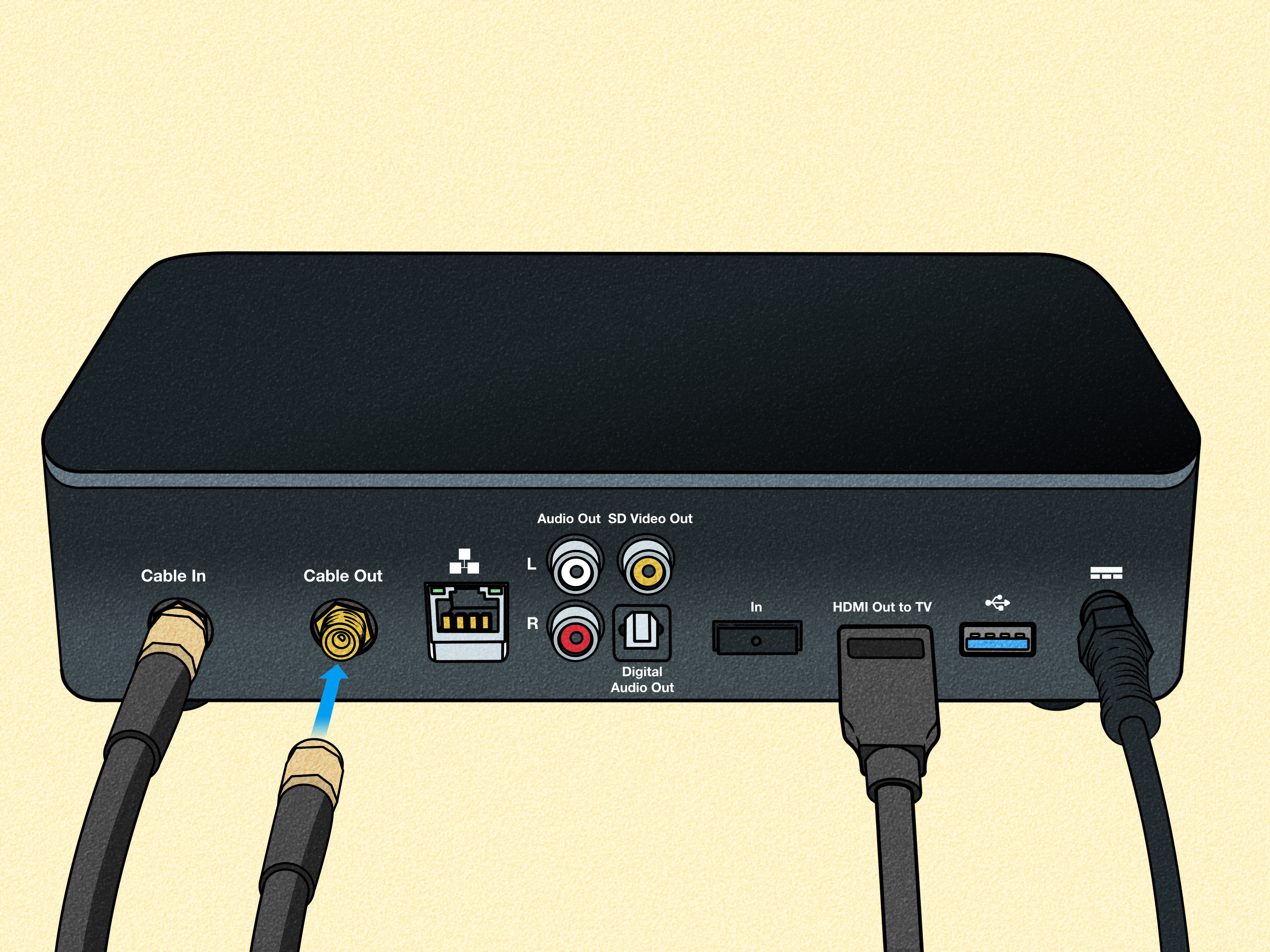
- Xfinity TV: This is Comcast’s cable television service. It encompasses a wide array of traditional cable channels, On-Demand content, and increasingly, streaming capabilities through its Xfinity Stream app and platforms. For many, Xfinity TV represents a primary source of entertainment, offering everything from live news and sports to premium movie channels. The technology behind Xfinity TV involves digital video broadcasting and advanced set-top boxes that decode these signals, providing a user-friendly interface for channel selection, recording, and content discovery.
- Xfinity Voice: This is Comcast’s digital voice service, often referred to as VoIP (Voice over Internet Protocol). It utilizes the internet connection to make and receive phone calls, offering features like caller ID, voicemail, and often bundled with its internet and TV packages for cost savings. The technology relies on converting voice signals into digital packets for transmission over the IP network.
- Xfinity Home: Recognizing the growing demand for smart home technology and security, Comcast offers Xfinity Home, a comprehensive home security and automation system. This service integrates smart devices like cameras, door sensors, thermostats, and lighting controls, all managed through a central hub and accessible via the Xfinity app. This diversification showcases Comcast’s evolution from a pure connectivity provider to a smart home enabler.
The interplay between these services is crucial. For instance, the high-speed internet provided by Comcast is essential for the seamless streaming of Xfinity TV content, the reliable functioning of Xfinity Voice, and the real-time communication required by Xfinity Home devices. This interconnectedness is a strategic advantage for Comcast, fostering customer loyalty and increasing the perceived value of their bundled offerings.
The Brand of Comcast: Shaping Perceptions and Identity
Comcast’s brand is a complex tapestry woven from years of service, innovation, and public perception. The company has undergone significant shifts in its branding and marketing efforts to solidify its identity and connect with consumers on a deeper level.
From “Cable Company” to “Connectivity and Entertainment Leader”
For a long time, Comcast was primarily viewed as a utilitarian “cable company,” often associated with basic service delivery and sometimes criticized for customer service. However, through strategic rebranding and the introduction of the “Xfinity” umbrella, Comcast has actively sought to redefine itself. Xfinity is not just a product line; it’s a brand identity that aims to convey innovation, convenience, and a forward-thinking approach to technology and entertainment.
Key Pillars of the Xfinity Brand:
- Innovation: The consistent rollout of faster internet speeds, advanced Wi-Fi equipment, and new features like the X1 entertainment platform (which integrates linear TV, streaming apps, and voice control) are central to Xfinity’s narrative of innovation.
- Convenience: Bundling services, offering self-installation options, and providing user-friendly apps for managing accounts and accessing content all contribute to the brand’s promise of convenience.
- Personalization and Entertainment: With the integration of streaming services and personalized recommendations, Xfinity is positioning itself as a hub for entertainment tailored to individual preferences.
- Connectivity: At its heart, the brand emphasizes seamless connectivity, ensuring users can access their digital lives, work, and entertainment without interruption.
Marketing and Public Relations Strategies:
Comcast’s marketing efforts are multifaceted. They invest heavily in advertising across various media to promote their latest offerings, often highlighting speed, reliability, and the breadth of their entertainment options. Beyond traditional advertising, they engage in:

- Sponsorships: Associating their brand with major sporting events, cultural festivals, and community initiatives helps to build positive brand association and visibility.
- Customer Education and Outreach: Providing tutorials, FAQs, and online support resources aims to empower customers and improve their experience, indirectly bolstering brand reputation.
- Corporate Social Responsibility (CSR): Initiatives focused on digital inclusion, community investment, and environmental sustainability are increasingly being used to shape a more positive corporate identity.
While the Xfinity brand has gained traction, the legacy of the Comcast name continues to influence public perception. The company actively works to manage its reputation by addressing customer service concerns, investing in network upgrades, and highlighting its role in bridging the digital divide. The ongoing evolution of its brand reflects a strategic understanding that in the digital age, consumer loyalty is built not just on service delivery but on a compelling brand narrative that resonates with aspirations for a connected and enriched life.
The Financial Landscape: Comcast’s Impact on Money
Comcast Cable plays a significant role in the financial lives of both its individual customers and the broader business world. Its services represent a considerable portion of household budgets, and its financial performance and strategies are closely watched in the investment community.
Personal Finance: The Cost of Connectivity
For households, the cost of Comcast’s services is a recurring expenditure that requires careful financial planning. The decision to subscribe to Comcast’s internet, TV, or phone packages, or any combination thereof, is often a significant line item in a monthly budget.
Understanding Your Bill:
Comcast bills can sometimes be complex, with various fees, taxes, and promotional pricing that reverts to higher standard rates. Understanding the components of your bill is crucial for effective personal finance management:
- Service Fees: These are the core charges for the services you subscribe to (internet speed tiers, channel packages, unlimited calling).
- Equipment Rentals: Fees for modems, routers, and set-top boxes can add up over time. Purchasing your own compatible equipment can often lead to long-term savings.
- Taxes and Surcharges: Various federal, state, and local taxes and regulatory fees are applied to telecommunications services.
- Promotional Rates: Many introductory offers have a limited duration. It’s essential to be aware of when these promotions expire and what the standard rate will be thereafter.
Strategies for Managing Comcast Costs:
- Bundling: While sometimes more expensive overall, bundling internet, TV, and phone services can offer discounts compared to subscribing to each service individually. However, it’s crucial to assess if you are actually using all the bundled services to their full potential.
- Negotiation: Comcast, like many service providers, is often open to negotiation, especially for long-term customers or when faced with competitive offers from other providers. Researching competitor pricing and being prepared to discuss your needs can lead to better rates.
- Assessing Your Needs: Critically evaluate your actual internet speed requirements and television viewing habits. Are you paying for speeds you don’t utilize? Are there streaming services that could replace some of your cable channels at a lower cost?
- Monitoring for Price Increases: Be vigilant for unexpected price hikes on your bill and be proactive in contacting Comcast to understand the reasons and explore options.
The “Gig Economy” and Remote Work:
The increasing reliance on reliable, high-speed internet, a core offering from Comcast, has profoundly impacted the “gig economy” and the rise of remote work. For individuals working from home, a robust internet connection is not a luxury but a necessity, directly influencing their ability to earn income. The quality and reliability of Comcast’s service can therefore have a tangible impact on an individual’s earning potential and overall financial well-being.
Business Finance: The Backbone of Modern Commerce
For businesses, Comcast Cable provides the essential infrastructure that underpins daily operations. From small startups to large enterprises, reliable internet connectivity is non-negotiable.
Business Internet Solutions:
Comcast offers a range of business-grade internet services designed for higher bandwidth, greater reliability, and dedicated support. These services are critical for:
- Cloud Computing: Accessing and utilizing cloud-based software, storage, and services relies heavily on consistent and fast internet.
- E-commerce: Online sales, payment processing, and inventory management are directly dependent on a stable internet connection.
- Communication: Video conferencing, VoIP, and email are essential for internal and external communication.
- Data Management: Transferring large files, backing up data, and accessing company databases all require significant bandwidth.
Strategic Investment and Market Position:
From a broader financial perspective, Comcast is a publicly traded company (CMCSA) whose performance is of significant interest to investors. Its vast subscriber base, diverse service offerings, and ongoing investments in network upgrades and new technologies position it as a major player in the telecommunications and media industries.
- Capital Expenditures: Comcast continuously invests billions of dollars in upgrading its network infrastructure, deploying new technologies like 5G and fiber optics, and expanding its service areas. These capital expenditures are crucial for maintaining its competitive edge and meeting growing customer demand.
- Mergers and Acquisitions: The company has a history of strategic mergers and acquisitions, such as its acquisition of NBCUniversal, which has diversified its revenue streams and expanded its content creation capabilities. These financial maneuvers impact its market valuation and strategic direction.
- Competitive Landscape: Comcast operates in a highly competitive environment, facing rivals in the telecommunications, cable, and increasingly, streaming sectors. Its financial strategies must account for this intense competition, influencing pricing, service innovation, and marketing spend.
In conclusion, Comcast Cable is far more than just a provider of wires and signals. It is a complex technological entity, a meticulously crafted brand, and a significant force shaping the financial realities of millions. Understanding what Comcast Cable is requires looking beyond the monthly bill to appreciate the intricate technology, the evolving brand narrative, and the profound financial implications it holds for individuals and businesses alike.
aViewFromTheCave is a participant in the Amazon Services LLC Associates Program, an affiliate advertising program designed to provide a means for sites to earn advertising fees by advertising and linking to Amazon.com. Amazon, the Amazon logo, AmazonSupply, and the AmazonSupply logo are trademarks of Amazon.com, Inc. or its affiliates. As an Amazon Associate we earn affiliate commissions from qualifying purchases.