
The medical world, like the rapidly evolving tech landscape, is constantly innovating to address complex challenges. Just as AI tools are revolutionizing how we process information and gadgets enhance our daily lives, medications like clopidogrel offer sophisticated solutions to critical health issues. While clopidogrel might not be a cutting-edge app or a groundbreaking AI algorithm, its impact on preventing life-threatening cardiovascular events is profound and mirrors the transformative power of technology in its respective domain. Understanding what clopidogrel is for involves delving into the mechanics of blood flow, the risks associated with blood clots, and how this medication acts as a crucial intervention.

In essence, clopidogrel is an antiplatelet medication. This means it works by preventing platelets – tiny blood cells responsible for blood clotting – from sticking together and forming a clot. This seemingly simple mechanism has far-reaching implications, particularly for individuals at risk of or who have already experienced serious cardiovascular events like heart attacks and strokes.
The Silent Threat: Understanding Blood Clots and Cardiovascular Risk
Just as a poorly designed software can lead to system crashes or a weak brand identity can hinder market penetration, an unchecked propensity for blood clotting can have catastrophic consequences for the human body. Blood clots are a natural and essential part of our physiology. They form when a blood vessel is injured, initiating a cascade of events to stop bleeding. However, in certain circumstances, these clots can form inappropriately or become dangerously large, leading to significant health problems.
Atherosclerosis: The Foundation for Clot Formation
A primary driver of dangerous blood clot formation is atherosclerosis. This is a chronic condition where plaque, a buildup of cholesterol, fat, calcium, and other substances, accumulates inside the arteries. Over time, this plaque can harden and narrow the arteries, restricting blood flow. This process is akin to a gradual degradation of infrastructure, impacting efficiency and increasing vulnerability.
The consequences of narrowed arteries are far-reaching. Reduced blood flow to vital organs like the heart and brain can lead to conditions such as:
- Coronary Artery Disease (CAD): When plaque builds up in the arteries supplying blood to the heart muscle, it can lead to angina (chest pain) or a heart attack. A heart attack occurs when a plaque ruptures, triggering the formation of a blood clot that completely blocks blood flow to a section of the heart muscle.
- Cerebrovascular Disease: Similar to CAD, plaque buildup in the arteries leading to the brain can cause a stroke. A stroke happens when a blood clot blocks an artery in the brain or when a blood vessel in the brain ruptures, interrupting blood supply to brain tissue.
- Peripheral Artery Disease (PAD): This condition affects arteries in the limbs, most commonly the legs, leading to pain, cramping, and difficulty walking.
The Role of Platelets in Clot Formation
Platelets play a critical role in the development of these life-threatening clots. When a plaque in an artery ruptures, it exposes the underlying tissues, triggering platelets to become “sticky” and aggregate at the site of injury. This aggregation forms a platelet plug, which is the initial step in clot formation. If this process continues unchecked, a larger, more stable clot can form, potentially occluding the artery.
This is where medications like clopidogrel come into play. By interfering with the platelet aggregation process, clopidogrel significantly reduces the likelihood of these dangerous clots forming, thereby acting as a vital preventative measure, much like robust cybersecurity protocols protect digital assets.
How Clopidogrel Works: A Molecular Intervention
The effectiveness of clopidogrel lies in its specific mechanism of action at a molecular level, targeting a key pathway involved in platelet activation. While it might not be as visually apparent as a sleek new gadget or as strategically intricate as a branding campaign, its impact on health outcomes is equally transformative.
Targeting the P2Y12 Receptor
Platelet activation is a complex process involving various receptors on the platelet surface. One crucial receptor is the P2Y12 receptor, which binds to adenosine diphosphate (ADP). ADP is a substance released by activated platelets, and when it binds to the P2Y12 receptor, it amplifies platelet activation and aggregation, leading to clot formation.
Clopidogrel is a prodrug, meaning it needs to be metabolized by the liver into its active form. Once activated, clopidogrel irreversibly binds to the P2Y12 receptor on platelets. This binding prevents ADP from attaching to the receptor, effectively blocking the amplification of platelet activation and reducing the ability of platelets to clump together.
Think of it like this: If ADP is a signal that tells platelets to gather and build a dam, clopidogrel jams the radio receiver (P2Y12 receptor) that picks up that signal, preventing the dam from being built or from growing larger.
The Irreversible Nature of the Blockade
A critical aspect of clopidogrel’s action is that its binding to the P2Y12 receptor is irreversible. This means that a platelet exposed to clopidogrel will remain inhibited for its entire lifespan, which is about 7 to 10 days. New platelets are continuously produced by the bone marrow, and these new platelets are not affected by the clopidogrel until they are exposed to the drug. This sustained effect contributes to clopidogrel’s long-term protective benefits.
This irreversible inhibition is a powerful tool in preventing recurrent thrombotic events. It’s a consistent and reliable intervention, much like a well-established brand promise that consistently delivers value to consumers.
When is Clopidogrel Prescribed? Key Indications
The decision to prescribe clopidogrel is based on a thorough assessment of a patient’s cardiovascular risk factors and the presence of specific conditions. Its primary role is to prevent the formation of dangerous blood clots in individuals at high risk of heart attack, stroke, or other serious cardiovascular events.

After a Heart Attack or Stroke
For individuals who have recently experienced a heart attack (myocardial infarction) or an ischemic stroke (caused by a blood clot in the brain), clopidogrel is often a cornerstone of treatment. In these cases, the risk of experiencing another event is significantly elevated. Clopidogrel helps to reduce this risk by preventing further clot formation at the site of the original event or elsewhere in the cardiovascular system.
This post-event prescription is akin to implementing robust recovery protocols after a system breach in the tech world. The initial damage has occurred, and the focus shifts to preventing further compromise and ensuring system stability.
In Patients with Atherosclerosis and Peripheral Artery Disease
Patients diagnosed with atherosclerosis, even without a recent major event, may be prescribed clopidogrel if they have significant risk factors or evidence of widespread disease. This proactive approach aims to prevent the progression of atherosclerosis and the eventual rupture of plaques that could lead to a clot.
Similarly, for individuals with Peripheral Artery Disease (PAD), clopidogrel can help reduce the risk of ischemic events in the limbs, improving blood flow and preventing complications like gangrene. This can be compared to maintaining and optimizing infrastructure to prevent future failures, ensuring consistent performance.
Following Coronary Stenting Procedures
One of the most common uses of clopidogrel is in patients who have undergone percutaneous coronary intervention (PCI) with the placement of a stent. Stents are small mesh tubes inserted into narrowed or blocked arteries to keep them open. However, the presence of a stent can create a foreign surface that can trigger platelet aggregation and lead to stent thrombosis – a dangerous clot forming within the stent.
To prevent this, patients typically receive a combination of antiplatelet medications, often including clopidogrel, for a specific period after the stenting procedure. This dual antiplatelet therapy (DAPT) is crucial for the successful healing of the stent and to minimize the risk of restenosis (re-narrowing of the artery) or stent thrombosis. This is analogous to the rigorous testing and security checks performed on new software or hardware before deployment to ensure its integrity and prevent immediate malfunction.
Beyond Prevention: Important Considerations and Side Effects
While clopidogrel is a powerful tool for cardiovascular health, it’s not without its considerations and potential side effects. Just as innovative technology requires careful implementation and understanding of its limitations, clopidogrel needs to be used judiciously and with awareness of its risks.
Increased Risk of Bleeding
The primary side effect of clopidogrel, and indeed of any antiplatelet medication, is an increased risk of bleeding. By inhibiting platelet function, clopidogrel makes it harder for the body to form clots, which can lead to prolonged bleeding from minor cuts, nosebleeds, or more serious internal bleeding.
Healthcare providers carefully weigh the benefits of clopidogrel against the risk of bleeding for each patient. Factors such as age, other medical conditions, and concomitant use of other medications that affect bleeding are taken into account. This careful risk-benefit analysis is similar to how businesses evaluate the potential return on investment of a new marketing strategy against the associated risks and costs.
Other Potential Side Effects
While bleeding is the most significant concern, other side effects can occur. These may include:
- Gastrointestinal issues: Upset stomach, diarrhea, or constipation.
- Rash or itching.
- Rare but serious side effects: Such as thrombotic thrombocytopenic purpura (TTP), a rare blood disorder.
Patients are always advised to report any new or concerning symptoms to their doctor while taking clopidogrel. Regular monitoring and communication with healthcare providers are essential, much like regular system updates and performance monitoring in a tech environment.
Gene Variations and Clopidogrel Efficacy
Interestingly, genetic variations can influence how well an individual metabolizes clopidogrel into its active form. Certain genetic profiles may lead to a reduced ability to activate the drug, potentially making it less effective. This is an area of ongoing research and can sometimes influence treatment decisions. This concept resonates with the idea of personalized medicine in healthcare, mirroring the trend towards tailored solutions in technology, where user preferences and specific needs dictate the product or service delivered.
Conclusion: A Vital Component in the Cardiovascular Arsenal
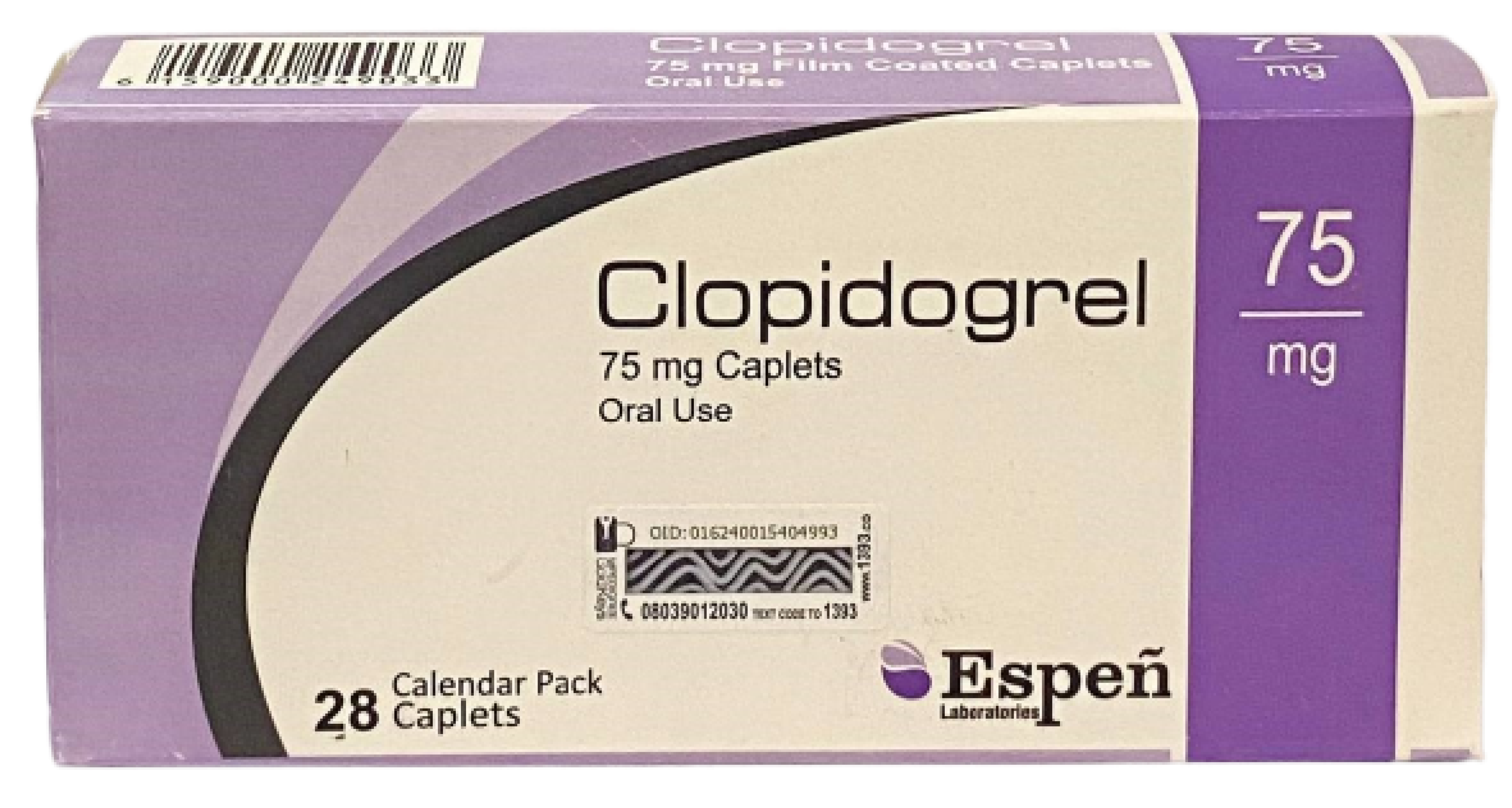
In conclusion, clopidogogrel is a vital medication for preventing serious cardiovascular events by inhibiting platelet aggregation. It plays a critical role in managing conditions like coronary artery disease, preventing strokes, and ensuring the success of procedures like coronary stenting. While its mechanism of action is sophisticated, its ultimate purpose is clear: to reduce the risk of life-threatening blood clots.
Just as advancements in technology continually refine our capabilities and improve our lives, clopidogrel represents a significant advancement in the ongoing effort to combat cardiovascular disease. Understanding what clopidogrel is for empowers patients and healthcare professionals to make informed decisions, ultimately contributing to better health outcomes and a more secure future for individuals at risk. It stands as a testament to the power of targeted interventions in safeguarding our most vital systems, both biological and technological.
aViewFromTheCave is a participant in the Amazon Services LLC Associates Program, an affiliate advertising program designed to provide a means for sites to earn advertising fees by advertising and linking to Amazon.com. Amazon, the Amazon logo, AmazonSupply, and the AmazonSupply logo are trademarks of Amazon.com, Inc. or its affiliates. As an Amazon Associate we earn affiliate commissions from qualifying purchases.