
Chlamydia is a prevalent sexually transmitted infection (STI) caused by the bacterium Chlamydia trachomatis. It is one of the most commonly reported STIs globally, often referred to as a “silent epidemic” because it frequently presents with no symptoms. This lack of outward signs can lead to its spread unnoticed, and in some cases, cause significant long-term health complications if left untreated. Understanding chlamydia, its transmission, symptoms, diagnosis, and treatment is crucial for sexual health and well-being.
The Nature of Chlamydia: Transmission and Causative Agent
At its core, chlamydia is an infection caused by a specific type of bacteria. Understanding how it spreads and the organism responsible is the first step in grasping the nature of this STI.
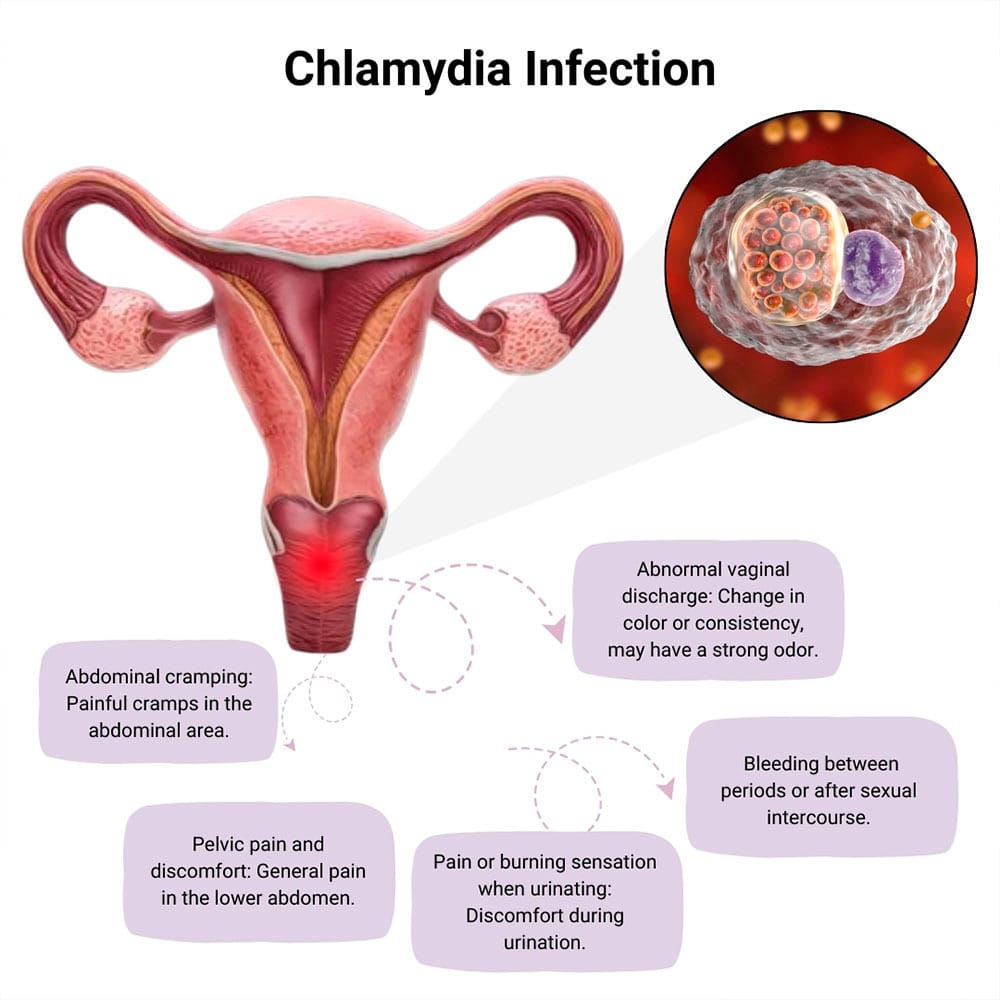
The Microscopic Culprit: Chlamydia trachomatis
Chlamydia trachomatis is an obligate intracellular bacterium, meaning it can only reproduce inside the cells of a living host. This unique characteristic influences how it infects and damages the body. The bacterium primarily targets the mucous membranes of the body, which line organs such as the cervix, uterus, fallopian tubes, urethra, rectum, throat, and eyes. Its ability to thrive within host cells often allows it to evade the host’s immune system, contributing to its asymptomatic nature.
Chlamydia trachomatis is not a single entity but comprises various serovars (strains) that can cause different types of infections. While the most common strains are responsible for genital and ocular infections, others can cause more severe systemic diseases. The primary mode of transmission for genital chlamydia is through unprotected sexual contact.
Pathways of Transmission: How Chlamydia Spreads
Chlamydia is almost exclusively spread through sexual contact, encompassing vaginal, anal, and oral sex.
- Vaginal Sex: This is the most common way chlamydia is transmitted. If an infected person engages in vaginal sex with an uninfected partner, the bacteria can be transferred from the infected mucous membranes to the uninfected ones.
- Anal Sex: Similarly, unprotected anal sex can lead to the transmission of chlamydia. The bacteria can infect the rectal lining, causing proctitis (inflammation of the rectum).
- Oral Sex: While less common, chlamydia can be transmitted through oral sex. The bacteria can infect the throat, leading to a throat infection, or be transmitted from the throat to the genitals.
- Mother-to-Child Transmission: Pregnant individuals with chlamydia can pass the infection to their baby during childbirth. This can lead to serious complications for the newborn, such as pneumonia or conjunctivitis (eye infection). It is vital for pregnant individuals to be screened for STIs.
It is important to note that chlamydia is not spread through casual contact such as hugging, kissing, sharing toilets, or swimming pools. Transmission requires direct contact with infected bodily fluids or mucous membranes. The incubation period for chlamydia can range from a few days to several weeks after exposure, though many individuals remain asymptomatic throughout the infection.
Recognizing the Signs: Symptoms and Complications
One of the most challenging aspects of chlamydia is its often asymptomatic presentation. However, when symptoms do appear, they can vary depending on the site of infection and can lead to significant long-term health issues if not addressed.
The Silent Infection: Asymptomatic Chlamydia
A vast majority of individuals infected with chlamydia, estimated to be around 70-80% of women and 30-50% of men, experience no noticeable symptoms. This is why regular STI testing is paramount, especially for sexually active individuals with new or multiple partners. The absence of symptoms does not mean the infection is not present or not causing damage. The bacteria are still present and can be transmitted to others.
Manifestations of Infection: Symptoms by Site
When symptoms do occur, they typically appear 1-3 weeks after exposure. The presentation can differ between men and women, and also depend on whether the infection is in the genital tract, rectum, or throat.
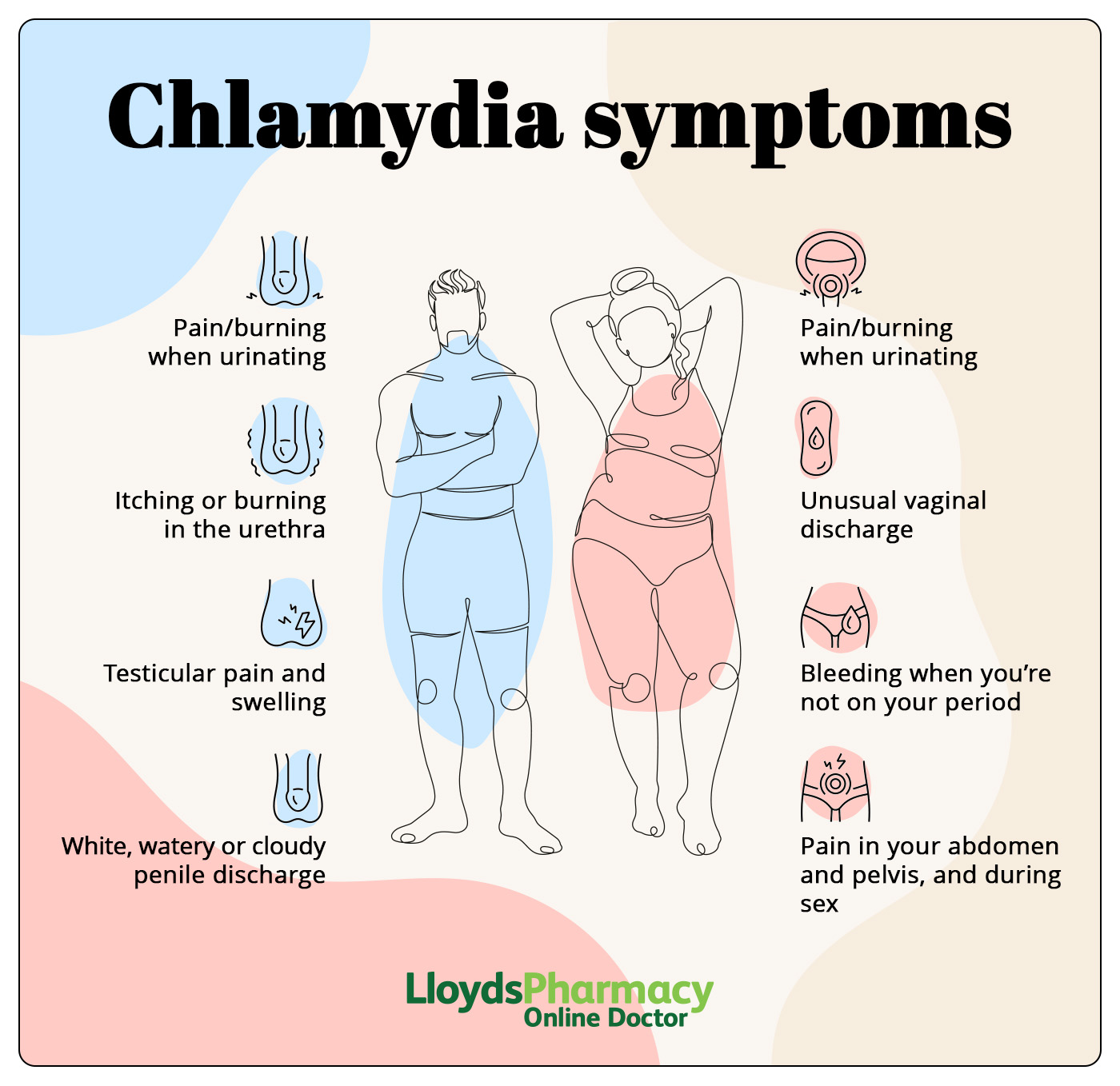
In Women:
- Vaginal Discharge: An unusual discharge that may be clear, white, or yellowish.
- Burning Sensation During Urination: A discomfort or stinging feeling when urinating.
- Pain During Intercourse: Discomfort or pain experienced during sexual activity.
- Bleeding Between Periods: Irregular vaginal bleeding, particularly after intercourse.
- Lower Abdominal Pain: A dull or sharp ache in the lower belly.
- Pain in the Lower Back: A less common but possible symptom.
In Men:
- Discharge from the Penis: A discharge that may be clear, white, or yellowish.
- Burning Sensation During Urination: A discomfort or stinging feeling when urinating.
- Pain or Swelling in One Testicle: While less common, this can indicate epididymitis, an inflammation of the tube that carries sperm.
Rectal Infections:
In both men and women, anal sex can lead to rectal infections. Symptoms may include:
- Rectal Pain: Discomfort or pain in the rectal area.
- Rectal Discharge: A discharge originating from the rectum.
- Rectal Bleeding: Blood in the stool or on toilet paper.
Throat Infections:
Oral sex can result in throat infections. These are often asymptomatic, but some individuals may experience:
- Sore Throat: A persistent or recurring sore throat.
The Shadow of Complications: Long-Term Health Impacts
The most concerning aspect of untreated chlamydia is its potential to cause severe and permanent health problems, particularly in women.
In Women:
- Pelvic Inflammatory Disease (PID): This is the most significant complication of untreated chlamydia in women. When the infection spreads from the cervix to the uterus, fallopian tubes, and ovaries, it can cause PID. PID can lead to chronic pelvic pain, infertility, and an increased risk of ectopic pregnancy (a pregnancy that occurs outside the uterus, which is a life-threatening condition).
- Infertility: Scarring and damage to the fallopian tubes from PID can block the passage of eggs, leading to difficulty conceiving or complete infertility.
- Ectopic Pregnancy: As mentioned, PID significantly increases the risk of ectopic pregnancy.
- Chronic Pelvic Pain: Persistent pain in the pelvic region can be a lasting consequence of PID.
In Men:
- Epididymitis: Inflammation of the epididymis, the coiled tube behind the testicle that stores and carries sperm, can lead to pain, swelling, and in rare cases, infertility.
- Reactive Arthritis: Chlamydia is one of the leading causes of reactive arthritis, a condition that can cause joint pain, eye inflammation, and inflammation of the urinary tract.
In Newborns:
- Pneumonia: Infants born to infected mothers can develop pneumonia, a serious lung infection.
- Conjunctivitis (Ophthalmia Neonatorum): This is an eye infection that can cause redness, swelling, and discharge in the newborn’s eyes, potentially leading to vision problems if untreated.
These complications underscore the critical importance of early detection and treatment of chlamydia.
Diagnosis and Treatment: Taking Control of Your Sexual Health
Fortunately, chlamydia is treatable and preventable. Regular screening and prompt medical attention are key to managing this infection and preventing its serious consequences.
The Importance of Testing: Screening for Chlamydia
Given its asymptomatic nature, regular testing is the cornerstone of chlamydia management. The Centers for Disease Control and Prevention (CDC) and other health organizations recommend regular screening for:
- Sexually active women younger than 25 years: Annual screening is recommended.
- Sexually active women 25 years and older who have risk factors: These include new or multiple sexual partners, a partner with an STI, or a history of STIs.
- Sexually active men who have sex with men: Regular screening is crucial.
- Pregnant individuals: Screening is recommended at the first prenatal visit, and again in the third trimester if they are at high risk.
- Individuals who have had a new sexual partner or multiple partners: Testing is recommended at the time of suspected exposure or after a new partner has been identified.
Types of Chlamydia Tests:
- Urine Test: This is the most common and least invasive method. A sample of urine is collected and sent to a laboratory for analysis.
- Swab Test: For women, a swab can be taken from the cervix. For men and women, swabs can also be taken from the urethra, rectum, or throat, depending on the suspected site of infection. These swabs are then sent to a lab for testing.
- NAAT (Nucleic Acid Amplification Test): This is a highly sensitive and specific laboratory test that can detect the genetic material of the chlamydia bacteria. NAATs are typically performed on urine or swab samples.
It is important to get tested if you have had unprotected sex or if your partner has tested positive for chlamydia or any other STI. Your healthcare provider can determine the appropriate testing based on your sexual history and risk factors.
Eradicating the Infection: Treatment Options for Chlamydia
Chlamydia is highly treatable with antibiotics. The recommended course of treatment typically involves a single dose or a short course of oral antibiotics.
- Antibiotic Medications: The most commonly prescribed antibiotics for chlamydia include azithromycin (often a single dose) and doxycycline (usually taken for seven days). Other antibiotics may also be used depending on individual circumstances and any potential allergies.
- Adherence to Treatment: It is crucial to complete the entire course of antibiotics as prescribed by your doctor, even if your symptoms disappear. This ensures that the infection is fully eradicated and reduces the risk of recurrence.
- Abstinence During Treatment: It is strongly recommended to abstain from sexual activity for at least seven days after completing antibiotic treatment and until all sexual partners have also been treated. This prevents reinfection and further spread of the bacteria.
- Partner Notification and Treatment: This is a critical step in controlling the spread of chlamydia. All sexual partners of an infected individual should be notified and encouraged to get tested and treated, even if they have no symptoms. This prevents the “ping-pong effect” of reinfection between partners. Many public health clinics offer expedited partner therapy (EPT), where prescriptions can be given to the infected person to provide to their partners.

Prevention: The Ultimate Defense
Preventing chlamydia involves practicing safer sex and making informed choices about sexual health.
- Consistent Condom Use: Using condoms correctly and consistently during vaginal, anal, and oral sex significantly reduces the risk of chlamydia transmission. Latex condoms are most effective.
- Limiting Sexual Partners: Having fewer sexual partners reduces your overall risk of exposure to STIs.
- Open Communication with Partners: Discussing sexual health history and STI status with your partners is essential.
- Regular STI Testing: As emphasized, regular testing is a vital preventive measure, especially for sexually active individuals.
- Vaccination (Limited): While there is no vaccine for chlamydia, vaccines for other STIs like HPV are available and can contribute to overall sexual health.
In conclusion, chlamydia is a common yet potentially serious STI that often goes unnoticed. Its silent nature makes regular screening and prompt treatment essential for preventing long-term health consequences, particularly for women. By understanding its transmission, recognizing potential symptoms, and embracing preventive measures like consistent condom use and regular testing, individuals can effectively protect their sexual health and well-being. Open communication with healthcare providers and sexual partners is paramount in the ongoing effort to combat this widespread infection.
aViewFromTheCave is a participant in the Amazon Services LLC Associates Program, an affiliate advertising program designed to provide a means for sites to earn advertising fees by advertising and linking to Amazon.com. Amazon, the Amazon logo, AmazonSupply, and the AmazonSupply logo are trademarks of Amazon.com, Inc. or its affiliates. As an Amazon Associate we earn affiliate commissions from qualifying purchases.