
While the title might suggest a purely medical focus, the world of technology, brand perception, and even financial implications are increasingly intertwined with our understanding and management of health conditions like cataracts. This article, exploring “What is Cataract Disease?”, will delve into the condition itself but also touch upon how technological advancements are shaping diagnosis and treatment, how brands in the health sector are communicating about eye care, and the potential financial considerations associated with managing this common ailment.
Cataract disease is a medical condition that affects the eye, specifically the lens. The lens, located behind the iris and pupil, is normally clear and helps to focus light onto the retina at the back of the eye. This focusing action allows us to see sharp, clear images. However, in cataract disease, the lens gradually becomes cloudy. This cloudiness is not a growth on the surface of the eye, but rather a change within the lens itself. Think of it like looking through a foggy or dirty window – the light is still entering the eye, but it’s scattered and distorted, leading to a blurry or dim vision.
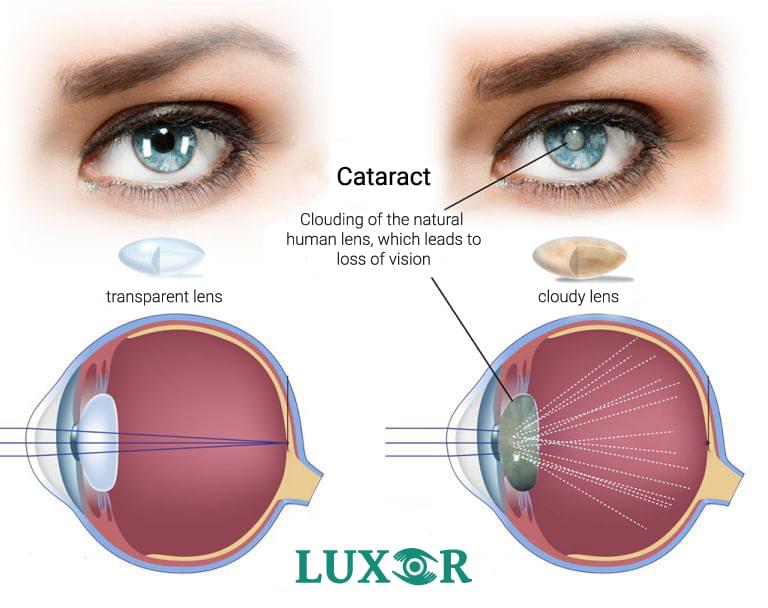
Understanding the Cloudiness: The Science Behind Cataracts
The Lens: A Marvel of Biological Optics
Before we dive into what goes wrong, it’s essential to appreciate the healthy lens. Composed of water and protein fibers arranged in a precise structure, the lens is a remarkable biological optical instrument. The arrangement of these proteins is crucial for maintaining the lens’s transparency. When this delicate balance is disrupted, the proteins begin to clump together, forming opaque areas – the cataract.
Types of Cataracts: A Spectrum of Visual Impairment
Cataracts are not a monolithic entity. They can develop in different parts of the lens and manifest with varying symptoms and progression rates. Understanding these distinctions is important for both diagnosis and management:
-
Nuclear Cataracts: These are the most common type and form in the center (nucleus) of the lens. They often develop slowly and can initially cause more difficulty with distance vision, sometimes leading to a temporary improvement in near vision (second sight). The lens typically turns yellowish or brownish over time.
-
Cortical Cataracts: These develop in the cortex, the outer edge of the lens, and extend inwards like spokes on a wheel. They often appear as white, opaque streaks. Cortical cataracts can cause glare, particularly from headlights at night, and can make reading and other close-up tasks challenging.
-
Posterior Subcapsular Cataracts: These form at the back of the lens, directly in the path of light. They tend to progress more rapidly than nuclear or cortical cataracts and can cause significant glare and difficulty with reading in bright light. People with diabetes are at higher risk for this type of cataract.
-
Congenital Cataracts: While less common, some individuals are born with cataracts or develop them within the first year of life. These can be caused by genetic factors, infections during pregnancy, or metabolic disorders.
The Progression of Vision Loss: A Gradual Dimming
The progression of cataract disease is typically slow and painless. In the early stages, vision changes may be subtle and can often be corrected with updated eyeglasses or contact lenses. However, as the cataract matures, the cloudiness increases, leading to more pronounced symptoms. These can include:
- Blurred or Dim Vision: This is the hallmark symptom. Objects may appear out of focus, and the world can seem duller.
- Difficulty with Night Vision: Glare from lights, especially headlights, can become a significant problem.
- Fading or Yellowing of Colors: Colors may appear less vibrant, and whites might look yellowish.
- Increased Sensitivity to Glare: Bright sunlight or artificial lights can be uncomfortable and impair vision.
- Halos Around Lights: Some individuals may see rings or halos around light sources.
- Frequent Changes in Eyeglass Prescription: As the cataract progresses, eyeglasses may no longer provide adequate correction.
It’s important to note that while cataracts are a leading cause of vision loss worldwide, they are often treatable.
Beyond the Medical: Technology’s Role in Cataract Awareness and Treatment
The field of technology has a significant and growing impact on how we understand, diagnose, and manage cataract disease. From advanced diagnostic tools to innovative treatment methods, tech is revolutionizing eye care.
Diagnostic Innovations: Seeing the Unseen

Accurate and early diagnosis is crucial for effective cataract management. Technology plays a vital role in this process:
- Advanced Imaging Techniques: Optical Coherence Tomography (OCT) and other high-resolution imaging devices allow ophthalmologists to visualize the internal structures of the eye, including the lens, with remarkable detail. This helps in precisely identifying the location and density of the cataract.
- AI-Powered Diagnostics: Artificial intelligence is increasingly being integrated into diagnostic workflows. AI algorithms can analyze retinal images and OCT scans to detect subtle signs of cataracts that might be missed by the human eye, leading to earlier and more accurate diagnoses. These tools can also help predict the progression of the disease.
- Digital Vision Testing: While traditional eye charts remain important, digital vision testing platforms are becoming more sophisticated. They can offer a wider range of tests and more precise measurements, often integrated with other diagnostic data.
Treatment Advancements: Restoring Clarity
The primary treatment for cataract disease is surgery, and here too, technology has made monumental strides:
- Phacoemulsification: This is the most common surgical technique for cataract removal. It involves using an ultrasonic device to break up the cloudy lens into small pieces, which are then suctioned out. This minimally invasive procedure allows for smaller incisions and faster recovery times.
- Femtosecond Laser-Assisted Cataract Surgery (FLACS): This advanced technology uses a femtosecond laser to create precise incisions in the cornea, dissect the cataract into precise segments, and create a perfectly round opening in the anterior capsule of the lens. This can lead to greater precision and predictability in surgical outcomes.
- Intraocular Lenses (IOLs): Once the natural lens is removed, it is replaced with an artificial lens called an intraocular lens (IOL). The development of IOLs has been a major technological breakthrough. Modern IOLs come in various types:
- Monofocal IOLs: These provide clear vision at one specific distance (either far or near), meaning patients will likely need reading glasses or distance glasses after surgery.
- Toric IOLs: These are designed to correct astigmatism, a common refractive error that often accompanies cataracts.
- Multifocal and Extended Depth of Focus (EDOF) IOLs: These innovative lenses aim to provide clear vision at multiple distances, significantly reducing the need for glasses after surgery. They work by splitting light into different focal points.
The continuous innovation in IOL technology is driven by the desire to provide patients with the best possible visual outcomes and to restore a wide range of functional vision.
Brand Perception and Communication in Eye Care
The way organizations and brands communicate about cataract disease and its treatments is crucial for public awareness, patient trust, and ultimately, driving adoption of care.
Building Trust Through Clear Communication
Brands in the healthcare sector, including ophthalmology clinics, hospitals, and ophthalmic product manufacturers, face the challenge of communicating complex medical information in an accessible and reassuring manner. This is where strategic branding and marketing come into play.
- Educational Content Marketing: Many leading eye care providers and manufacturers invest heavily in creating educational content. This includes website articles, blog posts, videos, and social media campaigns that explain what cataracts are, their symptoms, risk factors, and treatment options. The goal is to empower individuals with knowledge and demystify the condition.
- Patient Testimonials and Case Studies: Real-life stories from patients who have undergone cataract surgery are powerful. Brands often share testimonials and case studies showcasing successful outcomes, highlighting the transformative impact of treatment on patients’ lives. This builds credibility and relatable experiences.
- Focus on Outcomes and Lifestyle: Beyond simply stating that surgery is an option, effective branding emphasizes the regained quality of life. This includes the ability to enjoy hobbies, drive safely, and engage fully in daily activities. Visuals often depict active, vibrant individuals enjoying their regained vision.
- Transparency and Ethical Marketing: In healthcare, transparency is paramount. Brands must be honest about potential risks and benefits, avoid exaggerated claims, and adhere to strict ethical marketing guidelines. Building trust is a long-term strategy that relies on consistent, reliable information.
- The Digital Presence: A strong online presence is no longer optional. Websites are designed to be user-friendly, providing easy access to information, appointment booking, and often even virtual consultations. Social media platforms are used for engagement, sharing educational content, and responding to patient queries.
The brand perception in this space is built on a foundation of expertise, empathy, and a genuine commitment to improving vision and quality of life.
Financial Considerations and Navigating the Cost of Care
While cataracts are a medical condition, the financial aspects of diagnosis, treatment, and managing visual health are significant and often a concern for individuals.
Understanding the Costs Associated with Cataracts
- Diagnostic Services: Initial eye exams, specialized imaging, and consultations with ophthalmologists all incur costs. The extent of these costs can vary depending on insurance coverage and the complexity of the examination.
- Surgical Fees: Cataract surgery itself involves professional fees for the surgeon, facility fees for the operating room, and the cost of materials like anesthetics and disposable surgical instruments.
- Intraocular Lenses (IOLs): This is a significant variable cost. Basic monofocal IOLs are generally covered by insurance. However, advanced IOLs like toric, multifocal, or EDOF lenses, which offer greater independence from glasses, often come with an additional out-of-pocket expense. The choice of IOL is a critical decision, balancing desired visual outcomes with financial considerations.
- Post-Operative Care: Follow-up appointments with the ophthalmologist are essential after surgery. These appointments also contribute to the overall cost.
- Eyeglasses and Contact Lenses: Even after successful cataract surgery, some individuals may still require reading glasses or, in some cases, glasses for distance vision, depending on the type of IOL implanted and individual needs.

Navigating Insurance and Financial Planning
- Insurance Coverage: Understanding your health insurance policy is the first step. Most standard health insurance plans cover the cost of medically necessary cataract surgery, often including basic monofocal IOLs. However, it’s crucial to confirm coverage for specific procedures, surgeon fees, and any advanced IOLs you are considering.
- Out-of-Pocket Expenses: Be prepared for deductibles, co-pays, and co-insurance. For advanced IOLs, the additional cost can range from several hundred to a few thousand dollars per eye, depending on the lens technology and the provider.
- Flexible Spending Accounts (FSAs) and Health Savings Accounts (HSAs): If you have an FSA or HSA through your employer or a personal plan, these pre-tax funds can be used to cover eligible medical expenses, including many costs associated with cataract care.
- Financing Options: Some clinics offer financing plans or work with third-party medical financing companies to help patients manage the costs of advanced IOLs or other out-of-pocket expenses.
- Seeking Multiple Opinions and Comparing Costs: It’s often advisable to get a second opinion and to compare costs for surgical procedures and IOLs from different providers. This can help you make an informed decision that aligns with both your medical needs and your financial capacity.
While the prospect of surgery and its associated costs might seem daunting, the ability to regain clear vision and significantly improve one’s quality of life often makes it a worthwhile investment. Careful planning and understanding your financial options are key to navigating this aspect of cataract disease.
In conclusion, understanding “What is Cataract Disease?” extends beyond the purely medical definition. It encompasses the innovative technological solutions that are enhancing diagnosis and treatment, the strategic branding efforts that build trust and inform the public, and the vital financial considerations that empower individuals to make informed decisions about their eye health. By considering these multifaceted aspects, we can gain a comprehensive perspective on this common yet treatable condition.
aViewFromTheCave is a participant in the Amazon Services LLC Associates Program, an affiliate advertising program designed to provide a means for sites to earn advertising fees by advertising and linking to Amazon.com. Amazon, the Amazon logo, AmazonSupply, and the AmazonSupply logo are trademarks of Amazon.com, Inc. or its affiliates. As an Amazon Associate we earn affiliate commissions from qualifying purchases.