
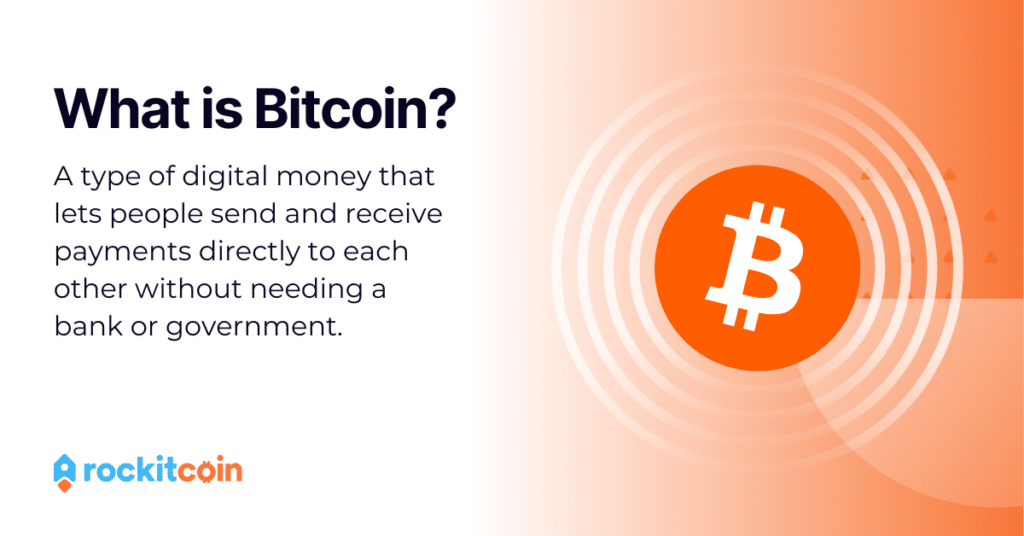
In the ever-evolving landscape of technology and finance, the term “BTC” has become ubiquitous. It’s a term that sparks curiosity, sometimes confusion, and often, a significant amount of financial interest. But what exactly does BTC mean? At its core, BTC is the ticker symbol for Bitcoin, the world’s first and most prominent cryptocurrency. This digital asset, born out of a desire for a decentralized and peer-to-peer electronic cash system, has transcended its technical origins to become a significant force in the realms of technology, finance, and even branding.
This article will delve into the multifaceted meaning of BTC, exploring its technological underpinnings, its financial implications, and its growing influence on how we perceive value and commerce. We’ll unpack the innovation behind Bitcoin, understand its role as a digital asset, and consider how it’s shaping future trends in finance and technology.
The Technological Genesis of BTC: A Revolution in Digital Trust
To truly grasp what BTC means, we must first understand the groundbreaking technology that underpins it: blockchain. Bitcoin was introduced to the world in 2008 by an anonymous entity known as Satoshi Nakamoto, along with a whitepaper detailing a peer-to-peer electronic cash system. This was a radical departure from traditional financial systems, which rely on trusted intermediaries like banks to facilitate transactions.
The Blockchain: A Distributed Ledger of Trust
At the heart of Bitcoin lies the blockchain, a decentralized, distributed ledger that records all Bitcoin transactions across a vast network of computers. Imagine a digital notebook, but instead of being held by one person, it’s shared and constantly updated by thousands, if not millions, of participants worldwide.
- Decentralization: This is a cornerstone of Bitcoin’s design. No single entity, government, or corporation controls the blockchain. This lack of central authority is what makes Bitcoin resistant to censorship and manipulation.
- Transparency: While user identities are pseudonymous (represented by alphanumeric addresses), all transactions are publicly visible on the blockchain. This transparency fosters accountability and allows anyone to audit the network.
- Immutability: Once a transaction is added to the blockchain and confirmed by the network, it cannot be altered or deleted. This immutability ensures the integrity and security of the ledger, making double-spending virtually impossible.
- Cryptography: Advanced cryptographic techniques are used to secure transactions and link blocks together, forming a chain. This intricate process is what gives the blockchain its robust security.
The technology behind BTC, therefore, represents a significant leap in digital trust. It allows for secure, transparent, and tamper-proof transactions without the need for a central authority. This has profound implications, not just for currency but for any industry that requires secure record-keeping and verifiable data.
Mining: The Engine of the Bitcoin Network
The creation of new Bitcoins and the validation of transactions are handled through a process called “mining.” Miners are participants in the network who use powerful computers to solve complex mathematical problems. The first miner to solve the problem gets to add the next block of transactions to the blockchain and is rewarded with newly minted Bitcoins and transaction fees.
This “proof-of-work” consensus mechanism is crucial for the security and decentralization of the Bitcoin network. It ensures that there’s a significant computational cost to adding new blocks, making it prohibitively expensive for any single entity to gain control of the network. The energy expenditure associated with Bitcoin mining has been a subject of debate, but it’s an inherent part of the security model that allows BTC to function as a decentralized digital currency.
BTC as a Financial Asset: More Than Just Digital Cash
While Bitcoin was initially conceived as an alternative form of currency, its meaning has evolved significantly. Today, BTC is widely recognized as a digital asset, a store of value, and a speculative investment. Its journey from a niche technological experiment to a mainstream financial instrument is a testament to its disruptive potential.
Store of Value: Digital Gold?
Many proponents of Bitcoin, and increasingly, institutional investors, view BTC as “digital gold.” This comparison stems from several key characteristics:
- Scarcity: There will only ever be 21 million Bitcoins created. This limited supply, coupled with increasing demand, suggests that Bitcoin’s value could appreciate over time, similar to how gold’s value has held for centuries.
- Decentralization and Independence: Unlike fiat currencies, which are subject to inflation and monetary policy decisions by central banks, Bitcoin’s supply is predetermined and its network is decentralized. This makes it an attractive hedge against inflation and economic instability.
- Portability and Divisibility: Bitcoin can be easily transferred across borders and can be divided into very small units (down to satoshis, 100 millionths of a Bitcoin), making it highly liquid and accessible.
The narrative of Bitcoin as a store of value has gained traction as the cryptocurrency has weathered market volatility and demonstrated its resilience. This perception has attracted significant investment from individuals and institutions alike, solidifying its place in the global financial landscape.
Investment and Speculation: The Volatility of BTC
The price of Bitcoin is notoriously volatile, experiencing dramatic swings in value. This volatility presents both opportunities and risks for investors. The speculative nature of Bitcoin has attracted a wide range of market participants, from seasoned traders to retail investors looking for high returns.
Understanding this volatility is crucial for anyone looking to engage with BTC as an investment. Factors influencing its price include:
- Market Sentiment and Hype: News, social media trends, and public perception can significantly impact Bitcoin’s price.
- Regulatory Developments: Government regulations and crackdowns can create uncertainty and lead to price drops.
- Adoption and Utility: As more businesses and individuals adopt Bitcoin for transactions and as an investment, its perceived value increases.
- Macroeconomic Factors: Global economic conditions, inflation rates, and interest rate policies can influence investor appetite for risk assets like Bitcoin.

For those considering investing in BTC, a thorough understanding of these factors, coupled with a robust risk management strategy, is essential. It’s not just about understanding the technology; it’s about understanding the market dynamics that drive its price.
Diversification and Portfolio Inclusion
Increasingly, financial advisors and investors are considering Bitcoin as a legitimate asset class for portfolio diversification. Its low correlation with traditional assets like stocks and bonds can help reduce overall portfolio risk. However, its high volatility means that its inclusion should be carefully considered based on an individual’s risk tolerance and investment goals.
BTC’s Impact on Brands and Digital Identity
The implications of Bitcoin and blockchain technology extend beyond finance. They are beginning to shape how brands are built, how digital identities are managed, and how trust is established in the digital realm.
Decentralized Finance (DeFi) and the Future of Financial Services
Bitcoin has paved the way for a broader movement known as Decentralized Finance (DeFi). DeFi aims to recreate traditional financial services (lending, borrowing, trading, insurance) on blockchain technology, removing intermediaries and offering greater transparency and accessibility. While Bitcoin itself is the foundational layer, other cryptocurrencies and blockchain platforms are driving innovation in this space.
Brands are starting to explore how to integrate with DeFi protocols, offering new ways for customers to interact with their products and services. This could involve loyalty programs paid in stablecoins, decentralized marketplaces, or even new forms of digital ownership.
Non-Fungible Tokens (NFTs) and Digital Ownership
While not directly BTC itself, the technology that enables Bitcoin (blockchain) has given rise to Non-Fungible Tokens (NFTs). NFTs are unique digital assets that represent ownership of digital or physical items, such as art, music, collectibles, and even virtual real estate.
Brands are leveraging NFTs to:
- Create exclusive digital collectibles: Offering limited-edition digital items to fans and customers.
- Build brand loyalty and community: Rewarding loyal customers with unique digital experiences or ownership stakes.
- Revolutionize digital marketing: Exploring new avenues for advertising and customer engagement.
- Establish digital provenance and authenticity: Ensuring the authenticity of digital goods.
The concept of verifiable digital ownership, enabled by blockchain, is a significant development with far-reaching implications for brands seeking to connect with consumers in the digital age.
Personal Branding and Digital Reputation in the Blockchain Era
The principles of transparency and verifiable ownership inherent in blockchain technology are also influencing personal branding. As individuals build their online presence and digital reputation, the ability to verifiably own and showcase achievements, qualifications, and digital assets becomes increasingly important.
While direct use of BTC for personal branding is less common, the underlying blockchain technology facilitates:
- Verifiable Digital Credentials: The potential for blockchain-based diplomas, certificates, and work experience to be securely stored and shared, providing an immutable record of achievements.
- Ownership of Digital Assets: Individuals can build a personal brand around their digital art, creations, or even gaming achievements, with verifiable ownership through NFTs.
- Decentralized Identity Management: Future possibilities include individuals having more control over their digital identity data, choosing what to share and with whom, facilitated by blockchain technology.

Conclusion: The Evolving Meaning of BTC
So, what does BTC mean? It’s a question with a layered answer. It’s the ticker symbol for Bitcoin, the pioneering cryptocurrency that introduced the world to blockchain technology. It represents a paradigm shift in how we think about currency, trust, and decentralization.
Beyond its technical definition, BTC signifies:
- Technological Innovation: A testament to the power of distributed ledger technology and cryptographic security.
- Financial Disruption: A challenge to traditional financial systems and an emerging digital asset class.
- A New Era of Digital Ownership: The foundation for concepts like NFTs and the evolving landscape of brand engagement.
- A Hedge Against Uncertainty: For many, a store of value independent of government control.
As technology continues to advance and financial markets evolve, the meaning and impact of BTC will undoubtedly continue to expand. Whether viewed as a digital currency, an investment, or a catalyst for broader technological change, Bitcoin remains a pivotal force shaping our digital future. Understanding BTC means understanding a significant piece of the technological and financial revolution currently underway.
aViewFromTheCave is a participant in the Amazon Services LLC Associates Program, an affiliate advertising program designed to provide a means for sites to earn advertising fees by advertising and linking to Amazon.com. Amazon, the Amazon logo, AmazonSupply, and the AmazonSupply logo are trademarks of Amazon.com, Inc. or its affiliates. As an Amazon Associate we earn affiliate commissions from qualifying purchases.