
In the rapidly evolving landscape of digital health, the intersection of biology and technology has birthed a multi-billion dollar industry known as FemTech. At the heart of this revolution is one of the most critical biological events in the human reproductive cycle: ovulation. While traditionally a topic relegated to medical textbooks and clinical consultations, ovulation has become a cornerstone of data science, wearable innovation, and predictive algorithms. Understanding “what is an ovulation” in the modern context requires looking beyond the physiological event and examining the sophisticated technological ecosystem designed to track, predict, and analyze it.
Decoding the Biological Algorithm: Understanding Ovulation through Data
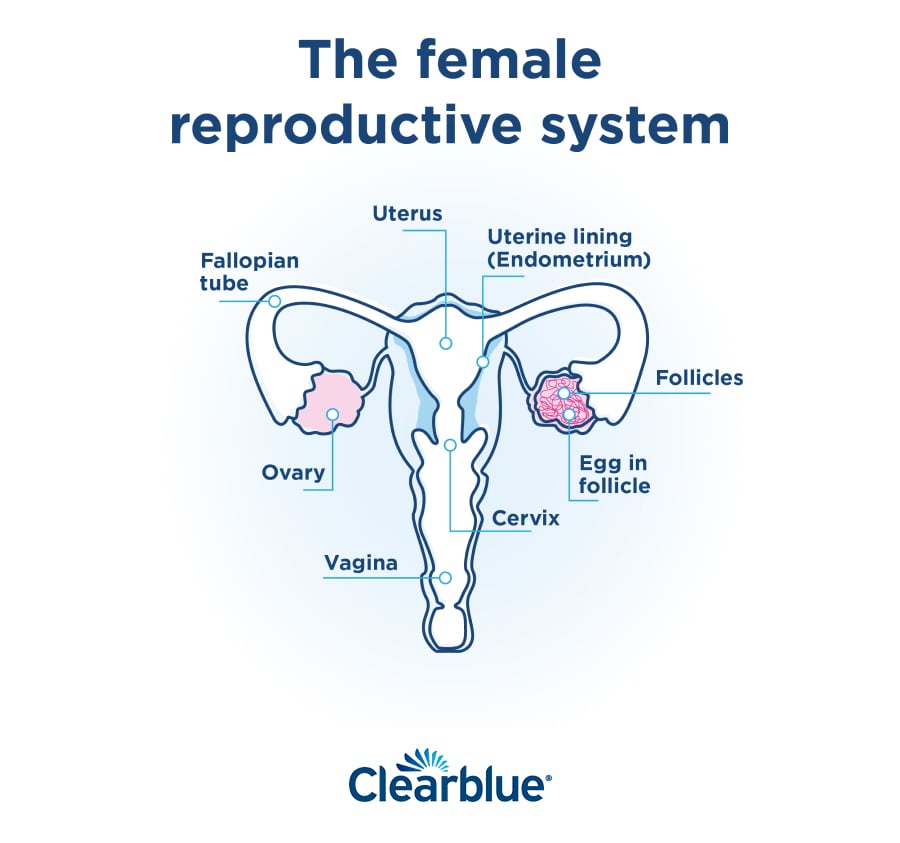
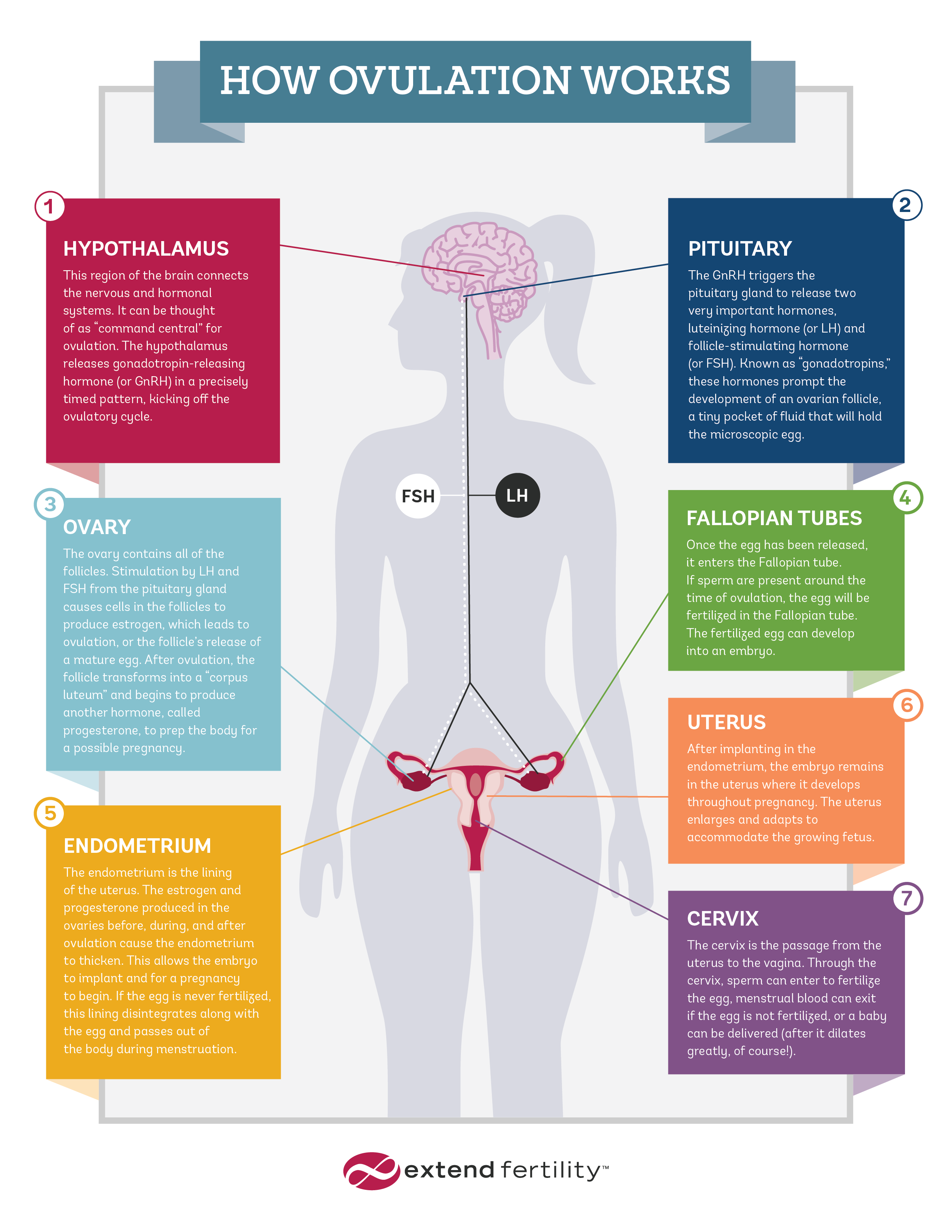
At its biological core, ovulation is the release of a mature egg from the ovary, triggered by a complex interplay of hormones. However, from a technology perspective, ovulation is a series of measurable biometric data points. To build effective software or hardware, developers and data scientists view the menstrual cycle as a rhythmic, albeit variable, biological algorithm.
The Cycle Science: Inputting Biometrics
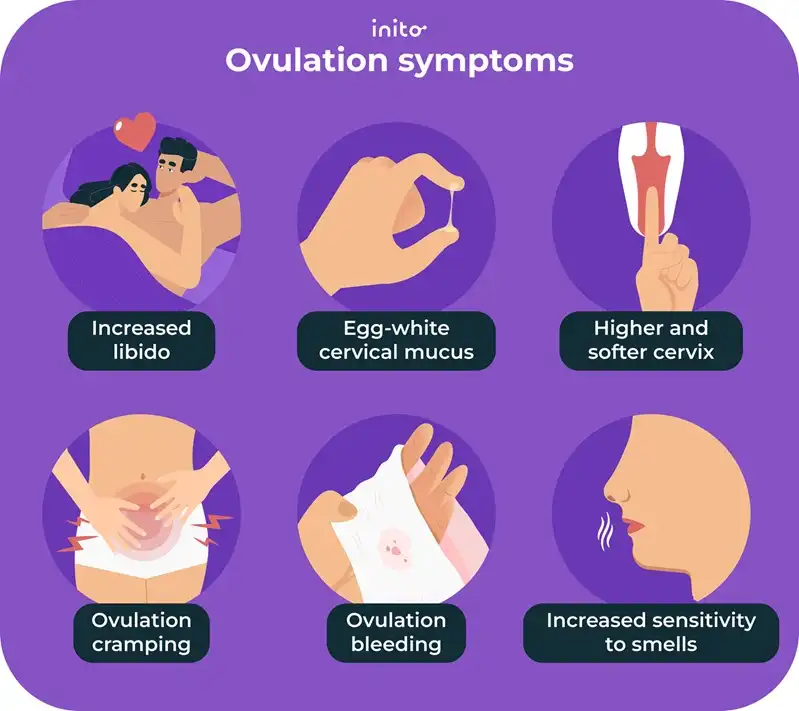
For a digital system to define when ovulation occurs, it requires specific inputs. The menstrual cycle is divided into phases—follicular, ovulatory, and luteal. Tech platforms track these by monitoring “Key Performance Indicators” (KPIs) of the body. These include basal body temperature (BBT), cervical mucus consistency, and the presence of Luteinizing Hormone (LH). By converting these physical signs into digital entries, users provide the “raw data” that FemTech tools need to function.
Hormonal KPIs and Signal Processing
In the tech world, the surge of LH is the primary “signal” that an event (ovulation) is about to trigger. Sophisticated home-testing kits now use optical readers and smartphone integration to quantify these hormone levels. Instead of a simple “yes/no” binary result, these tools use digital signal processing to provide a gradient of fertility, giving users a nuanced view of their hormonal health through high-resolution data visualization.
The Rise of FemTech: Tracking Ovulation via Software and Wearables
The transition from manual “rhythm method” charting to automated digital tracking represents a significant leap in consumer technology. The FemTech sector is no longer just about calendars; it is about integrated hardware and software solutions that provide real-time insights into a user’s reproductive status.
App-Based Prediction and User Interface (UI)
The first wave of ovulation tech focused on smartphone applications. Apps like Clue, Flo, and Natural Cycles revolutionized how users interact with their bodies. These platforms use historical data to project future fertile windows. The challenge for these developers is the User Experience (UI/UX)—presenting complex biological fluctuations in an intuitive, actionable dashboard. By leveraging “Big Data” gathered from millions of cycles, these apps can identify patterns that an individual might miss, refining their predictive accuracy over time.
Wearable Integration and IoT
The most significant advancement in ovulation tech is the integration of the Internet of Things (IoT). Wearables such as the Oura Ring, Apple Watch, and specialized bracelets like Ava have moved tracking from active entry to passive monitoring. These devices utilize high-sensitivity thermistors and photoplethysmography (PPG) sensors to measure skin temperature and heart rate variability (HRV) during sleep. Because BBT rises slightly after ovulation due to increased progesterone, these devices can “sync” this data automatically, removing human error from the equation and providing a seamless flow of biological information to the cloud.
Basal Body Temperature (BBT) Sensors and Precision
Traditional thermometers are often insufficient for the precision required by modern fertility algorithms. Tech firms have developed medical-grade, Bluetooth-enabled basal thermometers that capture temperature readings to the hundredth of a degree. This precision is vital because the thermal shift indicating ovulation is subtle—often less than 0.5 degrees Fahrenheit. The technology ensures that this data is timestamped and logged immediately, preventing the data degradation that occurs with manual logging.
Artificial Intelligence and Predictive Analytics in Reproductive Health
While sensors collect the data, Artificial Intelligence (AI) is the engine that interprets it. The “intelligence” in fertility tech lies in the ability to account for the inherent “noise” in biological systems—stress, illness, or travel—that can delay ovulation.
Machine Learning Models and Personalization
Every human body is unique, rendering “one-size-fits-all” calculations obsolete. Machine learning (ML) models are trained on vast datasets to recognize the “normal” variance for an individual user. As a user inputs more data over months or years, the AI undergoes continuous training, becoming more adept at predicting the exact day of ovulation. These models use Bayesian inference to update the probability of ovulation as new data points (like a negative LH test or a steady temperature) are recorded.
Overcoming the Accuracy Challenge
The primary critique of ovulation tech is the “false positive.” In a tech context, predicting ovulation that does not occur (or missing one that does) is a failure of the predictive model. Developers are addressing this by moving toward “multi-modal” tracking—combining temperature, hormone data, and secondary symptoms. By using ensemble learning techniques, software can cross-reference multiple data streams to provide a “confidence score” regarding the user’s current fertility status.
Digital Security and the Privacy of Biological Data
As ovulation tracking becomes more digitized, the sensitivity of the data involved cannot be overstated. Reproductive data is perhaps the most intimate form of “Personal Health Information” (PHI), and its protection is a paramount concern for the tech industry, particularly in shifting legal landscapes.
The Sensitivity of Cycle Tracking
In the digital age, a database containing ovulation dates is more than just a health log; it is a record of a person’s reproductive potential and choices. High-profile discussions around data privacy have forced FemTech companies to re-evaluate their back-end architectures. If a breach occurs, the “biological footprint” of a user is exposed, leading to concerns about how this data might be used by third parties, insurance companies, or even legal entities.
Best Practices for Data Encryption and Anonymization
Leading tech firms in the fertility space are now implementing “Privacy by Design.” This includes end-to-end encryption, where only the user holds the key to their health data, and the company cannot access it even if subpoenaed. Furthermore, data anonymization techniques ensure that even if aggregate data is used for medical research, it cannot be traced back to an individual. The industry is moving toward decentralized storage solutions and “zero-knowledge proofs” to maintain user trust while still providing high-tech analytical services.
The Future of Ovulation Tech: Beyond Conception
The definition of ovulation in the tech world is expanding. It is no longer viewed solely through the lens of achieving or avoiding pregnancy. Instead, it is being recognized as a “fifth vital sign”—a marker of overall endocrine and systemic health.
Menstrual Health as a Vital Sign
Modern health tech suites are beginning to integrate ovulation data into broader wellness platforms. By monitoring the regularity and characteristics of ovulation, AI can flag potential issues such as Polycystic Ovary Syndrome (PCOS), thyroid dysfunction, or perimenopause. This proactive approach transforms ovulation tech from a niche tool into a comprehensive diagnostic interface, allowing for early intervention and personalized medicine.
Connectivity and Telehealth Integration
The future of this niche lies in interoperability. Imagine a scenario where your ovulation tracking wearable automatically updates your Electronic Health Record (EHR) and shares a monthly report with your physician. This level of connectivity facilitates more informed telehealth consultations. Instead of a patient trying to remember their last cycle, the doctor can review a high-fidelity digital chart, leading to more accurate diagnoses and streamlined fertility treatments.
In conclusion, “what is an ovulation” is a question that, in the 21st century, is answered by sensors, algorithms, and secure data pipelines. By treating the menstrual cycle as a sophisticated biological system capable of being digitized, the tech industry has empowered individuals with unprecedented insights into their own bodies. As AI continues to refine its predictive capabilities and wearables become even less intrusive, the synergy between technology and human reproduction will only deepen, making the invisible process of ovulation visible, predictable, and profoundly informative.
aViewFromTheCave is a participant in the Amazon Services LLC Associates Program, an affiliate advertising program designed to provide a means for sites to earn advertising fees by advertising and linking to Amazon.com. Amazon, the Amazon logo, AmazonSupply, and the AmazonSupply logo are trademarks of Amazon.com, Inc. or its affiliates. As an Amazon Associate we earn affiliate commissions from qualifying purchases.