
The term “ammonia sickness” might sound alarming, and indeed, it refers to a set of health issues that can arise from exposure to ammonia. While ammonia is a vital chemical used in a vast array of industries and everyday products, its gaseous form, when inhaled or absorbed in significant quantities, can have serious consequences. This article will delve into what ammonia sickness is, explore its various manifestations, and crucially, discuss how to mitigate the risks, drawing parallels to the importance of preparedness and strategic thinking that permeate the realms of technology, branding, and finance.
The Ubiquitous Nature of Ammonia and Its Potential Hazards
Ammonia (NH₃) is a colorless gas with a pungent, acrid odor. It is a fundamental building block in numerous industrial processes, including the production of fertilizers, plastics, pharmaceuticals, and cleaning agents. Its presence in agriculture is immense, as it’s a key component in nitrogen-based fertilizers essential for crop growth. Furthermore, ammonia is used as a refrigerant, a fuel source (though not widely adopted yet), and even found in some household cleaning products.
This widespread utility, however, underscores the potential for human exposure. Accidental leaks, industrial accidents, or even improper handling of ammonia-containing products can lead to concentrations in the air that pose health risks. Understanding these risks is paramount, not just for those working directly with ammonia, but for anyone who might encounter it in their environment.
Ammonia’s Role in Industry and Everyday Life
To truly grasp the concept of ammonia sickness, it’s beneficial to understand where we encounter ammonia in our lives.
- Agriculture: The most significant use of ammonia globally is in the production of fertilizers. This means that agricultural workers and those living in proximity to large-scale farming operations might be at a higher risk of low-level, chronic exposure.
- Industrial Manufacturing: Ammonia is a feedstock for many chemical syntheses. Industries like plastics, textiles, explosives, and refrigerants all rely on ammonia. Workers in these sectors face the most direct and potentially high-risk exposure scenarios.
- Cleaning Products: Many common household cleaners, particularly those for windows, ovens, and toilets, contain ammonia. While the concentrations are typically low and the risk of severe sickness from typical use is minimal, improper ventilation or excessive use can still lead to irritation.
- Refrigeration: Ammonia is a highly efficient refrigerant and is used in large industrial cooling systems, such as those in food processing plants and large ice rinks. Leaks in these systems can release significant amounts of ammonia.
- Emerging Technologies: As we explore new avenues in energy and materials science, ammonia is being investigated as a potential hydrogen carrier and a carbon-free fuel. This means its presence and importance in technology sectors are likely to grow, necessitating an increased awareness of its safety protocols.
The diversity of these applications means that the potential for exposure is broad. Just as a well-defined brand strategy is crucial for a company’s success, understanding the potential hazards of a common chemical like ammonia is vital for public health and safety.
Understanding Ammonia Sickness: Symptoms and Severity
Ammonia sickness, more accurately termed ammonia toxicity or ammonia poisoning, is a condition that results from inhaling or having direct contact with ammonia gas or liquid. The severity of the symptoms depends on several factors, including the concentration of ammonia, the duration of exposure, and the route of exposure (inhalation, skin contact, eye contact, or ingestion).
Inhalation Exposure: The Most Common Pathway
Inhaling ammonia vapor is the most frequent way individuals experience ammonia toxicity. The pungent odor serves as an early warning sign, but at high concentrations, it can quickly overwhelm the senses.
Acute Symptoms of Inhalation
Upon acute inhalation of ammonia, individuals may experience a range of symptoms, from mild irritation to severe respiratory distress:
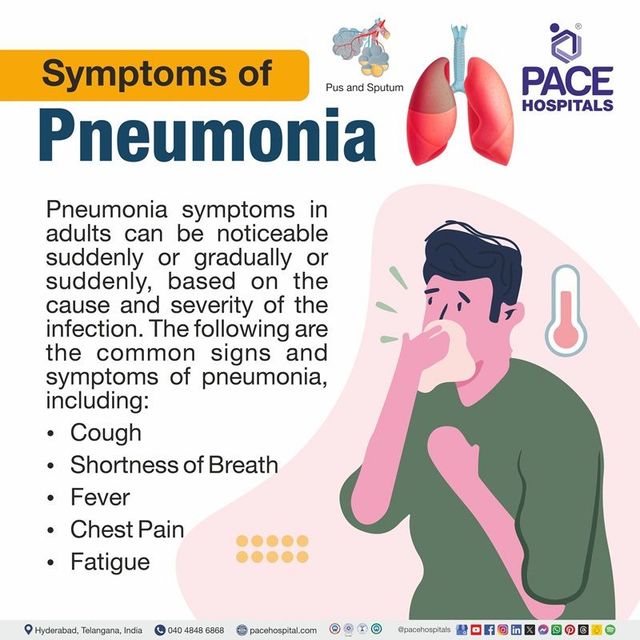
- Irritation of the Respiratory Tract: This is typically the first sign. Symptoms include coughing, a burning sensation in the nose and throat, and sneezing.
- Watery Eyes and Burning Sensation: The eyes are highly sensitive to ammonia, leading to tearing, redness, and a stinging sensation.
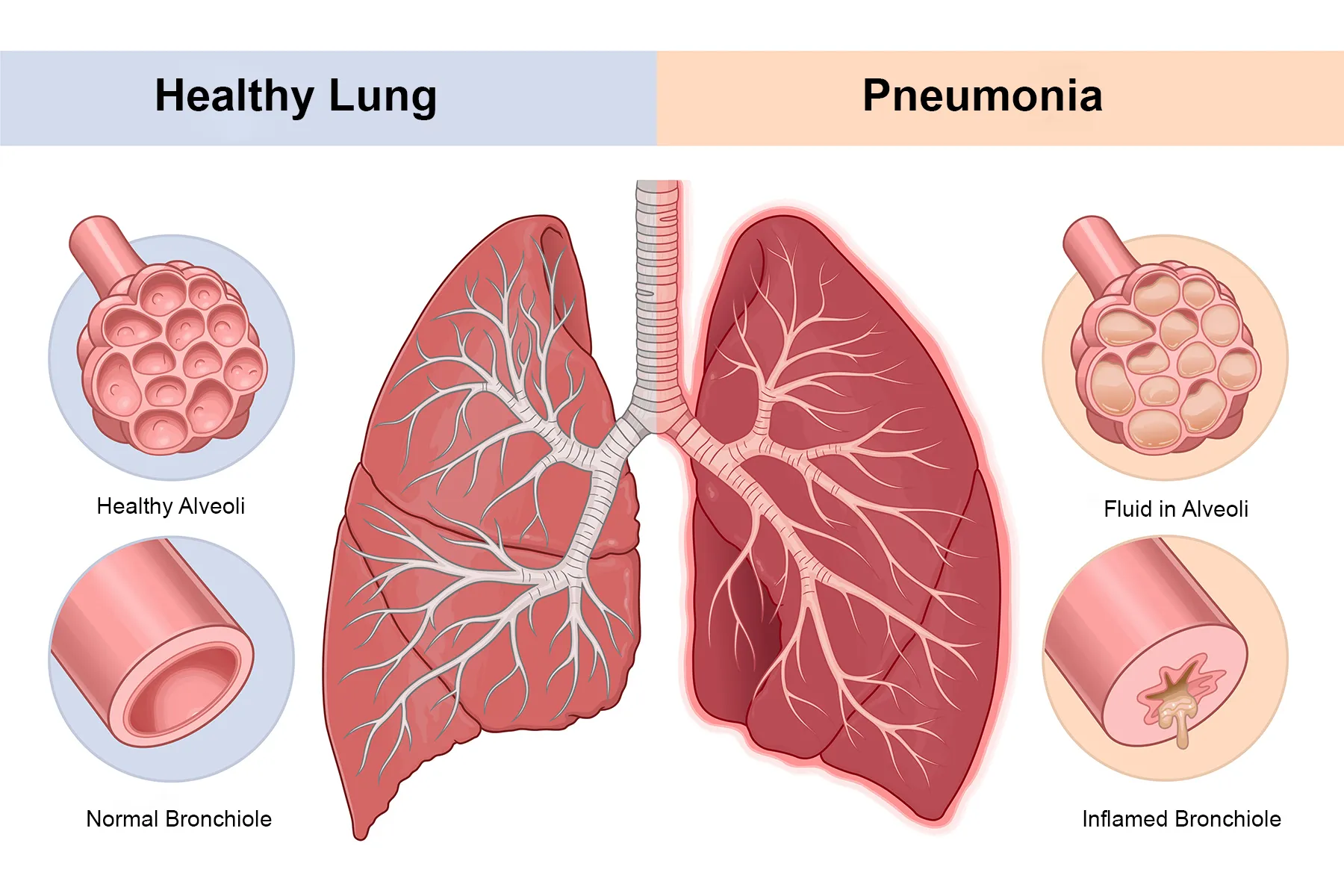
- Difficulty Breathing and Shortness of Breath: As the ammonia irritates and inflames the airways, breathing can become labored. In severe cases, this can progress to pulmonary edema (fluid in the lungs).
- Chest Tightness and Pain: Individuals may report a feeling of constriction or pain in their chest.
- Nausea and Vomiting: In higher exposures, the systemic effects can include gastrointestinal distress.
- Headache and Dizziness: Neurological symptoms can also manifest.
The damage caused by ammonia inhalation is chemical in nature. Ammonia dissolves in the moisture of the mucous membranes of the respiratory tract, forming ammonium hydroxide. This alkaline solution is highly corrosive and can damage the delicate tissues of the nose, throat, lungs, and airways.
Chronic or Low-Level Exposure
While acute, high-level exposure is dramatic, prolonged exposure to lower concentrations of ammonia can also have detrimental effects. Workers in environments with consistently suboptimal ventilation might experience chronic respiratory issues.
- Chronic Cough and Bronchitis: Persistent irritation can lead to ongoing inflammation of the airways.
- Reduced Lung Function: Long-term exposure may contribute to a gradual decline in lung capacity.
- Increased Susceptibility to Infections: Damaged airways can be more vulnerable to bacterial or viral infections.
Direct Contact: Skin and Eye Exposure
Ammonia, especially in liquid form or high concentrations of gas, can cause significant damage upon direct contact.
- Skin Burns: Ammonia is alkaline and can cause chemical burns on the skin. Symptoms range from redness and itching to severe blistering and tissue damage, depending on the concentration and duration of contact.
- Eye Damage: Ammonia is particularly dangerous to the eyes. Contact can cause immediate pain, redness, blurred vision, and in severe cases, corneal opacification, ulceration, and even permanent blindness. The alkaline nature of ammonia can penetrate the cornea and damage deeper eye structures.
Ingestion: A Rare but Serious Scenario

Ingesting ammonia is less common but can occur if ammonia-containing products are accidentally swallowed. This can cause severe burns to the mouth, throat, esophagus, and stomach, leading to pain, difficulty swallowing, vomiting, and internal bleeding.
The Technology, Brand, and Money Analogy: Proactive Risk Management
The concept of “ammonia sickness” highlights the critical importance of proactive risk management. This principle is not confined to industrial safety; it’s a cornerstone of success in technology, brand building, and financial planning.
Technology: Anticipating the Glitch, Securing the Future
In the realm of technology, understanding potential vulnerabilities is as crucial as understanding the hazards of ammonia. Software developers and IT professionals constantly work to anticipate bugs, security threats, and system failures.
- Proactive Coding and Testing: Just as safety protocols prevent ammonia leaks, rigorous coding practices and comprehensive testing aim to prevent software glitches that could lead to data loss or system downtime – the “sickness” of a digital product.
- Cybersecurity: Analogous to preventing exposure to harmful chemicals, cybersecurity measures are designed to protect digital assets from malicious actors. Ignoring digital security is akin to ignoring the warning signs of ammonia exposure, potentially leading to catastrophic “system failure.”
- AI and Automation: As AI tools become more sophisticated, they can be used to monitor industrial processes for safety deviations, predict potential equipment failures, and even alert personnel to hazardous conditions involving chemicals like ammonia. This is a proactive technological approach to preventing “sickness.”
Brand: Building Resilience and Trust
A strong brand is not just about aesthetics; it’s about building trust and resilience. A brand that is perceived as unreliable or unsafe can suffer significant “sickness.”
- Reputation Management: Just as avoiding ammonia exposure protects health, robust reputation management protects a brand’s image. This involves anticipating potential crises, developing communication strategies, and responding effectively to negative feedback. A crisis mishandled can be the “ammonia sickness” of a brand.
- Quality Control: Ensuring the quality and safety of products and services is fundamental. A company that consistently delivers substandard or unsafe offerings risks severe reputational damage, akin to the widespread health effects of a major ammonia leak.
- Ethical Practices: Building a brand on ethical principles fosters long-term loyalty. Ignoring ethical considerations, much like disregarding safety regulations, can lead to a “sickness” of public trust and a decline in market share.
Money: Financial Health and Long-Term Stability
Financial planning and investing require a similar proactive approach to avoid “financial sickness.”
- Budgeting and Saving: Just as understanding the symptoms of ammonia exposure allows for prompt action, a clear understanding of personal finances through budgeting and saving creates a buffer against unexpected financial shocks.
- Diversification: In investing, diversifying your portfolio is a strategy to mitigate risk. Relying on a single asset is like relying solely on one protective measure against ammonia; a failure in that one area can lead to widespread “financial illness.”
- Emergency Funds: Having an emergency fund is the financial equivalent of having safety equipment readily available. It allows individuals to weather unforeseen circumstances, such as job loss or medical emergencies, without falling into severe debt.
Prevention and Mitigation: Safeguarding Against Ammonia Sickness
The best approach to ammonia sickness is prevention. Understanding the risks and implementing appropriate safety measures can significantly reduce the likelihood of exposure and its harmful effects.
Workplace Safety: The First Line of Defense
For industries that handle ammonia, stringent safety protocols are non-negotiable.
- Ventilation: Adequate ventilation systems are crucial in areas where ammonia is used or stored. This ensures that any airborne ammonia is dispersed and does not reach harmful concentrations.
- Personal Protective Equipment (PPE): Workers should be provided with and trained to use appropriate PPE, including:
- Respiratory Protection: Respirators with cartridges specifically designed for ammonia are essential in potentially hazardous environments.
- Eye Protection: Chemical splash goggles or face shields are vital to protect the eyes from gas or liquid ammonia.
- Protective Clothing: Impermeable gloves, aprons, and suits can prevent skin contact with liquid ammonia.
- Training and Education: Employees must receive comprehensive training on the hazards of ammonia, safe handling procedures, emergency response, and the proper use of PPE.
- Emergency Showers and Eyewash Stations: These should be readily accessible in areas where ammonia is used. In case of skin or eye contact, immediate flushing with copious amounts of water is critical.
- Leak Detection and Monitoring: Regular monitoring of ammonia levels in the air can provide early warnings of leaks, allowing for prompt action.
Home and Consumer Safety
While less common for severe ammonia sickness, awareness around household products is still important.
- Read Labels: Always read and follow the instructions and warnings on cleaning product labels.
- Ventilation: When using ammonia-containing cleaners, ensure good ventilation by opening windows or using exhaust fans.
- Never Mix: Never mix ammonia with bleach or other cleaning chemicals, as this can produce dangerous toxic gases.
- Proper Storage: Store ammonia-containing products in their original containers, away from children and pets.
Emergency Response
In the event of an ammonia leak or exposure incident:
- Evacuate: If you smell a strong ammonia odor or experience symptoms, evacuate the area immediately.
- Seek Fresh Air: Move to an area with fresh air.
- Decontaminate: If your skin or eyes have come into contact with ammonia, flush the affected area with plenty of water for at least 15-20 minutes.
- Seek Medical Attention: Even if symptoms seem mild, it is advisable to seek medical attention after significant ammonia exposure, especially if respiratory or eye symptoms persist. Medical professionals can assess the damage and provide appropriate treatment.
Conclusion: Vigilance in the Face of the Invisible
Ammonia sickness is a stark reminder that even substances crucial to our modern world can pose significant dangers if not handled with respect and caution. Just as a robust tech infrastructure requires constant vigilance against cyber threats, a strong brand demands unwavering commitment to quality and trust, and a healthy financial future depends on prudent planning, so too does our physical well-being necessitate an understanding and respect for the potential hazards around us. By prioritizing prevention, embracing education, and implementing proactive safety measures, we can mitigate the risks associated with ammonia and ensure a safer environment for all. The principles of foresight, preparedness, and strategic action, vital in technology, branding, and finance, are equally essential when confronting the invisible dangers of toxic substances.
aViewFromTheCave is a participant in the Amazon Services LLC Associates Program, an affiliate advertising program designed to provide a means for sites to earn advertising fees by advertising and linking to Amazon.com. Amazon, the Amazon logo, AmazonSupply, and the AmazonSupply logo are trademarks of Amazon.com, Inc. or its affiliates. As an Amazon Associate we earn affiliate commissions from qualifying purchases.