
In today’s hyper-connected world, the term “stress” has become almost as ubiquitous as Wi-Fi. We talk about work stress, financial stress, social stress – the list is endless. But beneath the surface of everyday pressures lies a more profound physiological response, one that can have lasting impacts on our well-being and performance: adrenal stress. While the concept might sound purely medical, understanding adrenal stress is increasingly relevant for professionals in tech, brand building, and finance, as it directly influences our ability to innovate, connect, and thrive.
Our bodies are equipped with an incredible, intricate system designed to respond to perceived threats. At the core of this system are the adrenal glands, small but mighty organs perched atop our kidneys. When faced with a challenge – whether it’s a looming deadline, a difficult client negotiation, or an unexpected market downturn – these glands spring into action, releasing a cascade of hormones, most notably cortisol and adrenaline. This is the “fight-or-flight” response, an ancient survival mechanism that floods our system with energy, sharpens our focus, and prepares us to either confront the danger or escape it.
However, in the modern era, our stressors are rarely life-threatening in the primal sense. Instead, they are often chronic and insidious: the constant ping of notifications, the pressure to stay ahead of technological curves, the need to maintain a polished personal brand, or the anxiety of financial instability. When these modern stressors become unrelenting, our adrenal glands can become overstimulated, leading to a state of chronic adrenal stress. This is where understanding the physiological underpinnings of stress becomes crucial for success in any demanding field.
The Science of Adrenal Stress: How Your Body Reacts
To truly grasp what adrenal stress is, we need to delve a little deeper into the biological mechanisms at play. The adrenal glands are part of the hypothalamic-pituitary-adrenal (HPA) axis, a complex network that regulates our body’s response to stress.
The Adrenal Cascade: Cortisol and Adrenaline
When your brain perceives a threat, it signals the hypothalamus, which in turn tells the pituitary gland to release hormones that stimulate the adrenal glands. These glands then release a cocktail of hormones:
- Adrenaline (Epinephrine): This is the immediate surge of energy. It increases your heart rate, blood pressure, and breathing rate, essentially preparing your body for immediate action. You might experience this as a racing heart, sweaty palms, or a heightened sense of alertness.
- Cortisol: This is often referred to as the “stress hormone.” While it plays a vital role in regulating various bodily functions, including metabolism, immune response, and inflammation, prolonged high levels of cortisol are where the problems begin. Cortisol helps your body mobilize energy stores, reduces pain sensitivity, and can even temporarily suppress non-essential functions like digestion and reproduction.
This immediate stress response is designed to be short-lived. Once the perceived threat has passed, the HPA axis should signal the adrenal glands to reduce hormone production, and your body should return to a state of equilibrium, or homeostasis.
Chronic Stress and Adrenal Dysregulation
The challenge in our modern lives is that the “threats” rarely dissipate. Emails continue to arrive, social media feeds refresh endlessly, and the pressure to perform never truly fades. When the HPA axis is constantly activated, it can lead to a state of chronic stress. This persistent activation can manifest in several ways:
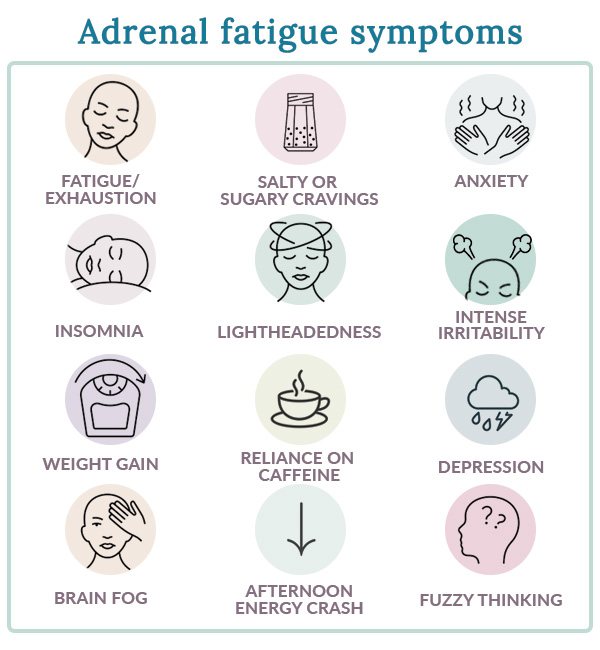
- Adrenal Fatigue (or Adrenal Insufficiency): This is a controversial term, but it describes the idea that prolonged overstimulation can lead to the adrenal glands becoming less responsive. While not a formally recognized medical diagnosis in the same way as Addison’s disease (a severe form of adrenal insufficiency), the symptoms associated with adrenal fatigue – such as persistent fatigue, difficulty concentrating, and mood swings – are very real for many individuals experiencing chronic stress.
- Cortisol Imbalance: In chronic stress, cortisol levels can become dysregulated. Initially, they might be elevated, leading to symptoms like insomnia, weight gain (particularly around the abdomen), and increased anxiety. Over time, some individuals may experience a drop in cortisol levels, leading to profound fatigue and a general feeling of being unwell.
Understanding this physiological response is not just for medical professionals. For those building careers in technology, branding, and finance, recognizing the signs and understanding the impact of adrenal stress is crucial for sustained performance and preventing burnout.
Adrenal Stress in the Digital Landscape: Tech, Brand, and Money
The demands of the 21st century place unique pressures on individuals, and these pressures are amplified in fields driven by rapid innovation, constant visibility, and financial volatility.
1. The Tech Tornado: Innovation Under Pressure
The technology sector is a breeding ground for adrenal stress. The relentless pace of innovation, the constant need to learn new skills, the competitive landscape, and the pressure to deliver groundbreaking products can create a perpetual state of heightened alertness.
- AI and Automation Anxiety: The rise of AI tools, while offering incredible productivity boosts, also brings its own brand of stress. The fear of job displacement, the pressure to master new AI applications, and the ethical considerations surrounding AI development can all contribute to adrenal strain. Developers, designers, and project managers are often at the forefront of this, needing to adapt and innovate at an unprecedented speed.
- Digital Security Demands: The ever-present threat of cyberattacks and data breaches places a significant burden on IT professionals and businesses alike. The constant vigilance required to protect digital assets and the fallout from security incidents can be deeply stressful, impacting sleep and decision-making.
- The “Always On” Culture: The nature of digital work often blurs the lines between professional and personal life. The expectation to be constantly available, respond to emails at all hours, and participate in virtual meetings across time zones can lead to chronic sleep deprivation and a persistent feeling of being overwhelmed, directly taxing the adrenal system.
- Gadget Obsolescence and Review Cycles: For those involved in gadget reviews or product development, the rapid cycle of new releases and the pressure to provide timely, insightful analysis can be exhausting. The need to constantly be “up-to-date” and critically evaluate new technology contributes to a sustained level of mental exertion.
For tech professionals, managing adrenal stress is not just about personal health; it’s about maintaining the creative spark, sharp analytical skills, and problem-solving abilities essential for their field.

2. Crafting Brands in a Hyper-Visible World
The world of branding and marketing is inherently about perception and connection, and in the digital age, this operates under an intense spotlight.
- Personal Branding as Performance Art: Individuals are increasingly expected to cultivate and maintain a strong personal brand. This involves constant content creation, engagement on social media, and presenting a curated, often aspirational, version of oneself. The pressure to be authentic yet polished, to consistently engage, and to navigate the often-unpredictable currents of online opinion can be incredibly draining, leading to significant adrenal stress.
- Corporate Identity Under Scrutiny: For marketing and design professionals, building and maintaining a strong corporate identity is paramount. This involves understanding market trends, responding to competitor strategies, and ensuring brand messaging resonates across diverse platforms. The constant need to adapt to changing consumer behavior, manage public perception, and react to potential reputational crises puts immense pressure on these teams.
- Reputation Management in the Age of Viral Outrage: A single misstep or a negative review can go viral within minutes, damaging a brand’s reputation irrevocably. The constant monitoring and rapid response required for reputation management, especially in crisis situations, can be a significant source of stress for marketing and PR professionals.
- The Design Demands: While creativity is celebrated, the pressure to deliver innovative, aesthetically pleasing, and functionally effective designs within tight deadlines can be a constant source of adrenal activation. The iterative nature of design, client feedback loops, and the competition for creative recognition all contribute to this pressure.
For brand builders, managing adrenal stress is vital for maintaining creativity, strategic thinking, and the resilience needed to navigate the ever-shifting sands of public perception.
3. Navigating the Financial Maze
The realm of finance, whether personal or corporate, is intrinsically linked to uncertainty and the need for astute decision-making – both potent drivers of stress.
- Personal Finance Pressures: The constant barrage of information about investing, the fear of missing out (FOMO) on market gains, and the anxiety surrounding debt and savings can create persistent financial stress. For individuals trying to manage their money, build wealth, and secure their future, this chronic worry can significantly impact their adrenal system.
- Online Income and Side Hustle Hustle: The allure of online income and side hustles often masks the significant effort, discipline, and emotional toll involved. The pressure to constantly market services, attract clients, and manage fluctuating income streams can lead to irregular schedules, financial instability, and a perpetual state of alert, contributing to adrenal dysregulation.
- Business Finance Volatility: For entrepreneurs and business leaders, managing cash flow, securing funding, navigating market fluctuations, and making high-stakes financial decisions are all deeply stressful. The responsibility for the financial health of an organization and its employees can lead to chronic adrenal activation.
- Financial Tools and Information Overload: While financial tools are designed to help, the sheer volume of options and information available can be overwhelming. Trying to choose the “best” investment platform or the “optimal” budgeting app can itself become a source of stress.
For those in the financial world, managing adrenal stress is crucial for making clear-headed decisions, maintaining focus during volatile periods, and achieving long-term financial success without sacrificing well-being.
Managing Adrenal Stress: Strategies for Resilience
Understanding adrenal stress is the first step; the next is implementing strategies to mitigate its negative effects and build resilience. This is particularly important for professionals in tech, brand, and finance who are often operating under significant pressure.
Proactive Wellness and Lifestyle Adjustments
The foundation of managing adrenal stress lies in adopting healthy lifestyle habits that support your body’s natural stress-response mechanisms.
- Prioritize Sleep Hygiene: Aim for 7-9 hours of quality sleep per night. Establish a regular sleep schedule, create a relaxing bedtime routine, and optimize your sleep environment (dark, quiet, cool). Poor sleep is one of the most significant contributors to adrenal dysregulation.
- Nourish Your Body: A balanced diet rich in whole foods, lean proteins, healthy fats, and plenty of fruits and vegetables is essential. Limit processed foods, excessive sugar, and caffeine, especially in the afternoon, as these can further tax your adrenal system. Staying hydrated is also crucial.
- Engage in Regular Physical Activity: Exercise is a powerful stress reliever. Aim for a combination of aerobic exercise, strength training, and flexibility work. However, be mindful that over-exercising can also be a stressor, so listen to your body and find a sustainable routine.
- Mindfulness and Relaxation Techniques: Incorporate practices like meditation, deep breathing exercises, yoga, or spending time in nature into your daily routine. These techniques help to activate the parasympathetic nervous system, which counteracts the fight-or-flight response and promotes a sense of calm.
Strategic Time Management and Boundary Setting
In demanding fields, effective time management and the ability to set boundaries are critical for preventing the chronic overload that fuels adrenal stress.
- Ruthless Prioritization: Learn to distinguish between urgent and important tasks. Utilize tools and methodologies like the Eisenhower Matrix or time blocking to focus your energy on what truly matters.
- Embrace Digital Detoxes: Schedule regular breaks from screens and notifications. This means consciously unplugging from email, social media, and work-related communications for designated periods. This allows your mind and body to recover.
- Learn to Say “No”: It’s essential to recognize your limits and politely decline commitments that will overextend you. Saying “yes” to everything is a fast track to burnout and adrenal exhaustion.
- Delegate and Outsource: Where possible, delegate tasks to team members or consider outsourcing non-core activities. This frees up your mental bandwidth and reduces your personal workload.
Seeking Support and Professional Guidance
You don’t have to navigate the challenges of adrenal stress alone. There are resources and professionals who can provide invaluable support.
- Talk It Out: Share your feelings and challenges with trusted friends, family members, or colleagues. Sometimes, simply vocalizing your stress can be incredibly cathartic.
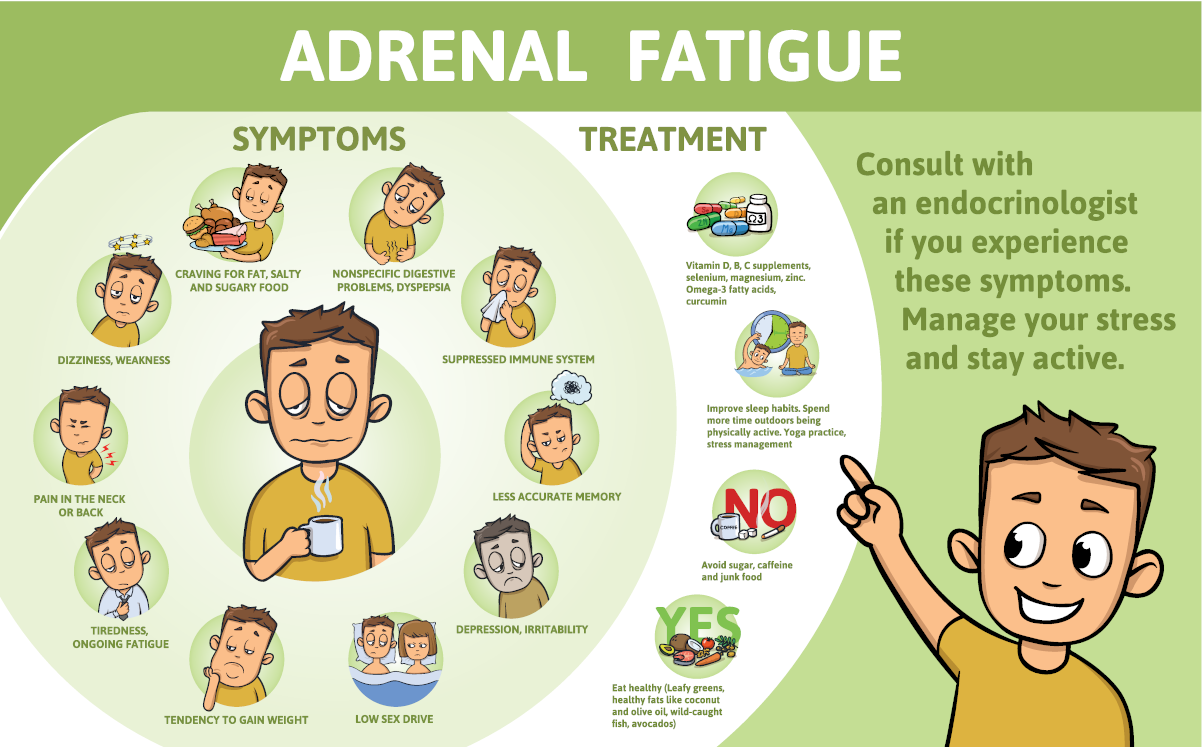
- Consider Professional Help: If you are experiencing persistent symptoms of adrenal stress, such as chronic fatigue, anxiety, sleep disturbances, or difficulty concentrating, it’s important to consult a healthcare professional. They can rule out other medical conditions and offer personalized guidance and treatment options. This might include therapists, coaches, or functional medicine practitioners who specialize in stress management.
- Leverage Technology Wisely: While technology can be a source of stress, it can also be a tool for managing it. Explore mindfulness apps, sleep trackers, or productivity tools that help you organize your life and reduce mental clutter.
By understanding what adrenal stress is and actively implementing these strategies, professionals in the dynamic fields of technology, branding, and finance can not only protect their well-being but also enhance their creativity, productivity, and long-term success in an increasingly demanding world.
aViewFromTheCave is a participant in the Amazon Services LLC Associates Program, an affiliate advertising program designed to provide a means for sites to earn advertising fees by advertising and linking to Amazon.com. Amazon, the Amazon logo, AmazonSupply, and the AmazonSupply logo are trademarks of Amazon.com, Inc. or its affiliates. As an Amazon Associate we earn affiliate commissions from qualifying purchases.