
The word “tariff” might conjure images of international trade deals, customs forms, and goods crossing borders. While this is its traditional and most common application, the concept of a tariff—essentially a tax or fee imposed on a good or service—has broader implications, even bleeding into the interconnected worlds of technology, branding, and personal finance. Understanding what a tariff is, how it works, and its potential ripple effects is crucial for navigating the globalized economy, whether you’re a consumer of cutting-edge gadgets, a business building a brand, or an individual managing your investments.

The Fundamentals of Tariffs: More Than Just Trade Walls
At its core, a tariff is a tax levied by a government on imported goods and, sometimes, exported goods. These tariffs are typically applied as a percentage of the value of the good (ad valorem tariff) or as a fixed amount per unit of the good (specific tariff). The primary goals behind implementing tariffs are multifaceted:
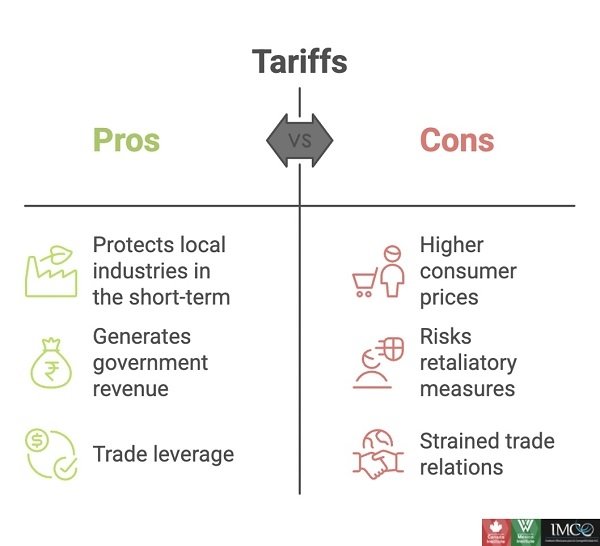
- Revenue Generation: Governments collect significant revenue from tariffs, which can then be used to fund public services or reduce other taxes.
- Protectionism: Tariffs are a key tool for protecting domestic industries from foreign competition. By making imported goods more expensive, domestic products become relatively more attractive to consumers, encouraging local production and job creation.
- National Security: In certain strategic sectors, governments may impose tariffs to ensure a domestic supply of essential goods or technologies, reducing reliance on foreign sources that could be disrupted.
- Retaliation: Tariffs can also be used as a form of economic leverage or retaliation against other countries that have imposed their own trade barriers.
The impact of tariffs extends far beyond the immediate transaction. They influence pricing, supply chains, consumer choice, and ultimately, the competitiveness of industries on a global scale.
Types of Tariffs: A Closer Look
While the basic definition is straightforward, there are nuances in how tariffs are structured:
- Ad Valorem Tariffs: This is the most common type, calculated as a percentage of the declared value of the imported goods. For instance, a 10% ad valorem tariff on a phone worth $500 would result in a $50 tax.
- Specific Tariffs: These are fixed taxes per unit of the imported good. For example, a specific tariff of $5 per barrel of crude oil. This type can be less predictable in terms of revenue as the value of the good fluctuates.
- Compound Tariffs: A combination of both ad valorem and specific tariffs. This means importers would pay both a percentage of the value and a fixed amount per unit.
Beyond these classifications, tariffs can also be influenced by trade agreements. Preferential tariffs are lower or eliminated between countries that have signed free trade agreements (FTAs). Conversely, most-favored-nation (MFN) tariffs are applied equally to all trading partners (unless otherwise specified by an FTA).
Tariffs in the Digital Age: The Tech Sector’s Interplay
The technology sector, characterized by its rapid innovation, global supply chains, and intangible digital products, presents a unique landscape for tariffs. While traditional tariffs primarily target physical goods, the increasing digitization of commerce and the proliferation of tech gadgets mean that tariffs can have indirect but significant effects.
2.1. Tariffs on Hardware: The Tangible Side of Tech
Many technological advancements rely on physical hardware – from smartphones and laptops to semiconductors and advanced manufacturing equipment. Governments can impose tariffs on these imported components or finished products.
- Impact on Consumer Prices: When tariffs are placed on imported electronics, the cost is often passed on to consumers. This can make popular gadgets, gaming consoles, and essential computing devices more expensive. For instance, tariffs on semiconductors could lead to higher prices for cars, appliances, and almost any electronic device that relies on these tiny but crucial components.
- Supply Chain Disruptions: Tech companies often operate with complex, global supply chains. Tariffs can disrupt these established networks, forcing companies to re-evaluate sourcing, potentially leading to delays, increased logistical costs, and a search for alternative suppliers. This is particularly relevant for companies heavily reliant on components manufactured in countries subject to trade disputes.
- Innovation and Accessibility: High tariffs on essential tech components could stifle innovation by increasing the cost of research and development. It could also limit the accessibility of advanced technology in certain markets, creating a digital divide. Developing nations, in particular, might find it harder to acquire the necessary infrastructure and devices if tariffs make them prohibitively expensive.
- Government Incentives for Domestic Production: In response to tariffs or geopolitical concerns, governments may offer incentives or subsidies to encourage domestic production of critical tech components like semiconductors. This can lead to increased investment in local manufacturing, potentially fostering new tech hubs.
2.2. Tariffs on Software and Digital Services: A Developing Frontier
The application of tariffs to purely digital products and services is a more recent and evolving discussion. Traditionally, tariffs are levied on goods that physically cross borders. However, as the digital economy grows, so does the debate about how to tax and regulate it.

- The Challenge of Digital Taxation: Defining and taxing digital services is complex. Is a downloaded app a “good” that can be tariffed? How do you tax a cloud-based service accessed from multiple locations? Many countries are exploring ways to tax digital services to ensure a fair contribution to their economies, though this is distinct from traditional import tariffs.
- Data Flow and Localization: While not directly tariffs, regulations related to data localization (requiring data to be stored within a country’s borders) can act as a barrier, increasing costs for companies offering cloud services or digital platforms. This can indirectly mirror some of the effects of tariffs by increasing operational expenses.
- Intellectual Property and Royalties: Tariffs on imported software could theoretically apply to the licensing fees or royalty payments associated with it, though this is less common than tariffs on hardware. More often, governments focus on intellectual property protection and tax frameworks for digital revenue.
Branding in the Shadow of Tariffs: Navigating Global Perception and Cost
Tariffs are not just an economic tool; they profoundly influence how brands are perceived, how they operate, and their ability to connect with consumers worldwide.
3.1. The Price of Global Reach: How Tariffs Affect Brand Strategy
For brands operating internationally, tariffs can significantly impact their global pricing strategies and market penetration.
- Price Increases and Consumer Perception: When a brand’s products become more expensive in a particular market due to tariffs, it can lead to a decrease in demand. Consumers may opt for local alternatives or delay purchases. This can damage brand loyalty if consumers perceive the brand as becoming unaffordable or out of touch with local economic realities. Brands must decide whether to absorb the tariff cost (impacting profit margins) or pass it on to consumers.
- Sourcing and Production Decisions: Tariffs can force brands to re-evaluate their manufacturing and sourcing locations. A brand might shift production to a country with lower tariffs or no tariffs on certain goods to maintain competitive pricing. This can lead to changes in product quality, brand narrative (e.g., “Made in X” versus “Made in Y”), and even the perception of the brand’s origins and values.
- Market Entry and Exit Strategies: The imposition of new tariffs can be a significant deterrent for brands considering entering a new market. Conversely, existing brands might consider exiting a market if tariffs make their operations unsustainable. This directly impacts the brand’s global footprint and market share.
- Brand Narrative and “Made Local” Appeal: In response to tariffs on imported goods, brands might strategically emphasize their “local” production or sourcing efforts in specific markets. This can resonate with consumers who are looking to support domestic economies and can create a positive brand association, even if the underlying supply chain remains complex.
3.2. Navigating Trade Disputes: Reputation and Resilience
Trade disputes often lead to tit-for-tat tariff impositions, creating an unstable global economic environment. Brands must be prepared to navigate these complexities to protect their reputation and ensure business continuity.
- Supply Chain Resilience: Brands with robust and diversified supply chains are better equipped to withstand tariff shocks. This involves having multiple suppliers, manufacturing locations, and logistical routes. A resilient supply chain minimizes the impact of any single trade barrier.
- Government Relations and Lobbying: Large multinational corporations often engage in lobbying efforts to influence trade policy and tariff rates. Understanding the political landscape and advocating for their interests is a crucial part of brand strategy in sectors affected by tariffs.
- Consumer Communication: In times of tariff-induced price hikes or product availability issues, transparent communication with consumers is vital. Brands that proactively explain the situation, emphasize their efforts to mitigate the impact, and maintain a consistent brand message can retain consumer trust.
Tariffs and Your Wallet: The Personal Finance and Investment Angle
While tariffs are often discussed in the context of international economics, they have direct and indirect implications for personal finance and investment decisions.
4.1. The Cost of Imports: Tariffs on Everyday Goods and Services
As we’ve seen, tariffs on imported goods directly impact consumer prices. This means that your everyday purchases can be affected by international trade policies.
- Increased Cost of Living: Tariffs on electronics, clothing, automobiles, and even food can lead to a general increase in the cost of living. For individuals and families, this means their disposable income shrinks, impacting their ability to save, invest, or spend on other goods and services.
- Impact on Savings and Investment: If a larger portion of your income is spent on tariff-inflated goods, you have less money available for savings and investments. This can slow down progress towards financial goals like retirement, buying a home, or funding education.
- Opportunities in Domestic Markets: Conversely, tariffs that protect domestic industries can sometimes lead to the growth of local businesses. Investing in these growing domestic companies or supporting local businesses can be a positive outcome for personal finance, provided these businesses are sound investments.
4.2. Investing in a Tariff-Affected World: Strategic Considerations
For investors, understanding tariffs is crucial for identifying potential risks and opportunities in their portfolios.
- Sectoral Impacts: Certain sectors are more sensitive to tariffs than others. For example, companies heavily reliant on imports or exports will be more directly affected. Investors might see a decline in the stock prices of companies facing increased import costs or reduced export sales due to tariffs. Conversely, domestic companies that benefit from protectionist policies might see their stock prices rise.
- Global Diversification: A globally diversified investment portfolio can help mitigate the risks associated with tariffs imposed by a single country or trade bloc. By spreading investments across different regions, investors can reduce their exposure to specific trade disputes.
- Commodities and Currency Fluctuations: Tariffs can influence the prices of commodities (like oil, metals, and agricultural products) that are often traded internationally. They can also lead to currency fluctuations, as countries may devalue their currencies to offset the impact of tariffs on their exports. These factors can impact investment returns.
- Investment in “Reshoring” or “Nearshoring” Opportunities: As companies seek to mitigate tariff risks, some are bringing manufacturing back to their home countries (“reshoring”) or to nearby countries (“nearshoring”). Investors might look for opportunities in companies that are benefiting from these trends or that are involved in the logistics and infrastructure supporting them.
- Long-Term vs. Short-Term Effects: It’s important to differentiate between the short-term disruption caused by tariffs and their potential long-term effects. While tariffs can cause immediate volatility, the underlying economic fundamentals of companies and markets will ultimately dictate their long-term performance.
In conclusion, while the term “tariff” is most commonly associated with international trade, its reach extends far beyond customs offices. In the interconnected worlds of technology, branding, and personal finance, tariffs represent a tangible force that shapes prices, influences consumer behavior, drives strategic decisions for businesses, and impacts the financial well-being of individuals. By understanding the fundamental principles of tariffs and their multifaceted implications, we can better navigate the complexities of the global economy and make more informed decisions for our businesses and our personal financial futures.
aViewFromTheCave is a participant in the Amazon Services LLC Associates Program, an affiliate advertising program designed to provide a means for sites to earn advertising fees by advertising and linking to Amazon.com. Amazon, the Amazon logo, AmazonSupply, and the AmazonSupply logo are trademarks of Amazon.com, Inc. or its affiliates. As an Amazon Associate we earn affiliate commissions from qualifying purchases.