
The human brain, a marvel of biological engineering, is powered by an intricate network of blood vessels that deliver vital oxygen and nutrients. Among these vessels, a potential vulnerability exists: a cerebral aneurysm. While the term might sound alarming, understanding what a cerebral aneurysm is, its causes, symptoms, and the technological and strategic approaches to its management, is crucial for awareness and proactive healthcare. In the context of our tech-focused, brand-conscious, and financially astute world, understanding this medical condition can also be approached through a lens of innovation, preventative strategies, and informed decision-making.
Understanding the Anatomy of a Cerebral Aneurysm
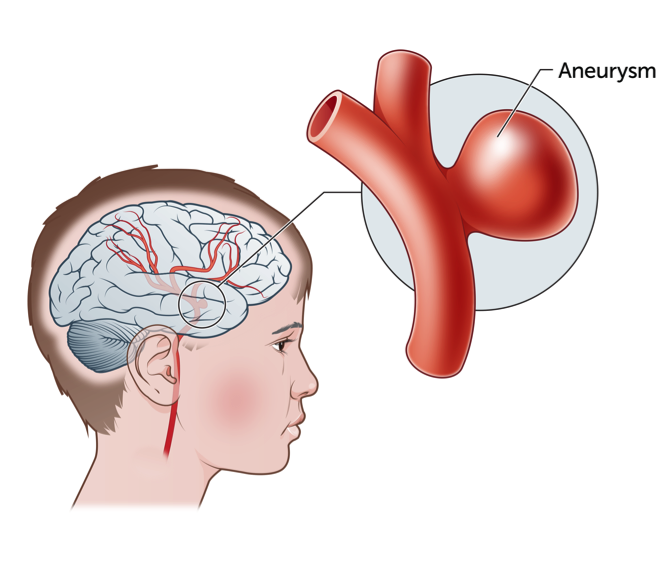
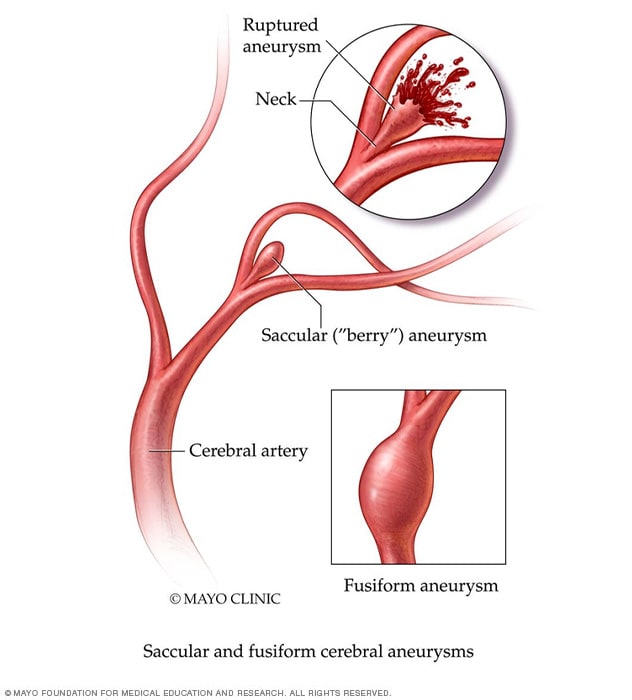
At its core, a cerebral aneurysm is a weak or thin spot on an artery wall in the brain that bulges or balloons out. Imagine a weak spot on a balloon that begins to stretch and thin under pressure. Over time, this bulge can continue to grow, increasing the risk of rupture. These abnormalities typically form at the branching points of the major arteries in the brain, where blood flow is more turbulent.

The Artery Network: A Delicate System
The brain receives blood supply from two major pairs of arteries: the internal carotid arteries (which run up the sides of the neck) and the vertebral arteries (which run up through the spine). These arteries then branch into smaller and smaller vessels within the brain, forming a complex vascular tree. Aneurysms most commonly occur in the Circle of Willis, a ring of arteries at the base of the brain that connects the carotid and vertebral systems. This strategic location, while essential for redundant blood supply, also presents common sites for aneurysm formation due to the converging and diverging flow of blood.
What Makes an Artery Weak?
The exact reasons for the weakening of artery walls that leads to aneurysm formation are not always clear, but a combination of genetic predispositions and acquired risk factors are believed to play significant roles.
- Genetic Predisposition: Some individuals may be born with weaker artery walls due to inherited connective tissue disorders, such as Ehlers-Danlos syndrome or polycystic kidney disease. Family history of aneurysms also increases an individual’s risk.
- Wear and Tear: Over time, the constant pounding of blood against the artery walls can contribute to weakening. This “wear and tear” is exacerbated by certain lifestyle factors.
- High Blood Pressure (Hypertension): Chronic high blood pressure is a significant contributor to aneurysm formation and growth. The sustained force of blood against weakened vessel walls can cause them to bulge and eventually rupture.
- Smoking: The toxins in cigarette smoke damage blood vessel walls, increasing the risk of aneurysm development and rupture. Nicotine also causes blood vessels to constrict, further increasing pressure.
- Arteriosclerosis (Hardening of the Arteries): This condition, characterized by the buildup of plaque in arteries, can weaken their walls and make them more susceptible to aneurysm formation.
- Age: The risk of developing a cerebral aneurysm increases with age, particularly after 40.
- Traumatic Head Injury: Although less common, severe head trauma can also lead to the formation of a traumatic aneurysm.
- Certain Infections: In rare cases, infections that weaken blood vessel walls can lead to the development of mycotic aneurysms.
The Silent Threat: Symptoms and Detection
One of the most dangerous aspects of cerebral aneurysms is that they often remain asymptomatic for years, silently growing and posing a threat. However, when an aneurysm does cause symptoms, it’s usually due to its growth and pressure on surrounding brain tissue or, more critically, rupture.
When an Aneurysm is Growing (Unruptured Aneurysm)
While many unruptured aneurysms cause no symptoms, larger ones can press on nerves or brain tissue, leading to:
- Pain above and behind the eye: This is a common symptom as the aneurysm presses on nearby nerves.
- Dilated pupil: Pressure on the nerves controlling pupil constriction can cause one pupil to become larger than the other.
- Changes in vision: This can include double vision or blurred vision.
- Drooping eyelid: Similar to dilated pupil, pressure on nerves can affect eyelid control.
- Numbness or weakness on one side of the face: If the aneurysm is pressing on facial nerves.
These symptoms are often subtle and can be mistaken for other less serious conditions, leading to delays in diagnosis.
The Catastrophic Event: Ruptured Aneurysm
The most dangerous scenario is when an aneurysm ruptures, leading to bleeding into the brain. This is known as a subarachnoid hemorrhage (SAH). The sudden influx of blood into the normally fluid-filled space surrounding the brain causes a rapid and severe increase in intracranial pressure.
The Signature Symptom: The “Worst Headache of My Life”
The hallmark symptom of a ruptured aneurysm is a sudden, severe headache that is often described as the “worst headache of my life.” This headache typically comes on very abruptly and can be accompanied by:
- Nausea and vomiting: The increased pressure within the skull can trigger these responses.
- Stiff neck: Blood irritates the meninges (the membranes surrounding the brain and spinal cord), causing stiffness and pain when trying to move the neck.
- Sudden weakness or numbness: Depending on the location of the bleed, this can affect an arm, leg, or one side of the face.
- Drooping eyelid and dilated pupil: Similar to growing aneurysms, but often more pronounced and sudden.
- Confusion and drowsiness: The disruption of brain function can lead to altered mental status.
- Seizures: The irritation from the blood can trigger seizures.
- Loss of consciousness: In severe cases, the sudden pressure increase can lead to immediate loss of consciousness.
It is critical to emphasize that a sudden, severe headache with any of these accompanying symptoms requires immediate medical attention. Calling emergency services (like 911 or your local equivalent) is paramount.
Navigating the Landscape: Diagnosis and Treatment Through Technology and Strategy
The diagnosis and treatment of cerebral aneurysms have been revolutionized by advancements in medical imaging and minimally invasive surgical techniques. This is where the intersection of healthcare with technology, strategic planning, and even financial considerations becomes evident.
Advanced Diagnostic Tools: Seeing the Unseen
Detecting a cerebral aneurysm, especially an unruptured one, relies heavily on sophisticated imaging technologies.
- Computed Tomography Angiography (CTA): This is often the first-line imaging test for suspected aneurysms. A contrast dye is injected into a vein, and a CT scanner takes detailed X-ray images of the brain’s blood vessels, highlighting any bulges or abnormalities. The speed and accessibility of CTA make it invaluable in emergency situations.
- Magnetic Resonance Angiography (MRA): Similar to CTA, MRA uses magnetic fields and radio waves to create detailed images of blood vessels. It does not involve radiation and can sometimes detect smaller aneurysms that might be missed by CTA.
- Cerebral Angiography (Digital Subtraction Angiography – DSA): Considered the “gold standard” for diagnosing aneurysms, DSA involves inserting a catheter into an artery (usually in the groin) and guiding it to the blood vessels of the brain. Contrast dye is then injected directly into the arteries, providing the most detailed images of the aneurysm’s size, shape, and location. While more invasive, it is often used when CTA or MRA findings are unclear or when treatment is planned.
The rapid development and refinement of these imaging technologies, akin to innovations in software and AI tools that enhance data analysis and visualization, allow for earlier and more accurate diagnoses.
Treatment Strategies: A Blend of Intervention and Prevention
Treatment for cerebral aneurysms depends on various factors, including the size, location, and whether the aneurysm has ruptured. The goal is to prevent rupture or to manage its consequences.
1. Endovascular Coiling (Minimally Invasive)
This is a less invasive approach that has become increasingly popular. Guided by X-ray imaging, a neurosurgeon or endovascular specialist inserts a thin, flexible tube (catheter) into an artery, usually in the groin, and navigates it to the aneurysm. Tiny, soft platinum coils are then deployed into the aneurysm. These coils disrupt blood flow into the aneurysm, causing blood to clot and seal off the bulge, thereby preventing rupture. This technique requires highly specialized skills and advanced imaging support, mirroring the precision needed for intricate coding or complex financial modeling.
2. Surgical Clipping (Open Surgery)
In some cases, open surgery might be the preferred or only option. This involves making an incision in the scalp and carefully exposing the affected artery. A tiny, metal clip is then placed at the base of the aneurysm to block blood flow into it. This is a more invasive procedure that requires significant surgical expertise and a well-coordinated surgical team. The decision to opt for clipping over coiling often involves a thorough assessment of the aneurysm’s anatomy and the patient’s overall health, a strategic evaluation akin to choosing the right technology stack for a complex project.
3. Flow Diverters and Stents
These are newer, less invasive devices that can also be used to treat aneurysms. A stent is a small mesh tube that is placed across the neck of the aneurysm, reinforcing the artery wall. A flow diverter is a type of stent that redirects blood flow away from the aneurysm, allowing it to shrink and heal over time. These devices represent innovative technological solutions to complex anatomical problems.
4. Management of Ruptured Aneurysms
When an aneurysm ruptures, immediate treatment is critical to stop further bleeding and manage the complications. This typically involves either endovascular coiling or surgical clipping as described above, often performed urgently. Following the initial treatment, patients require intensive care to manage secondary complications, such as vasospasm (narrowing of blood vessels), which can lead to further strokes. Rehabilitation services are also vital for recovery.
The Brand of Brain Health: Personal Branding and Proactive Care
In a world where personal branding and proactive self-management are increasingly emphasized, understanding cerebral aneurysms fits into this narrative. It highlights the importance of:
- Risk Factor Management: Just as one might manage their personal brand by avoiding reputational damage, individuals can proactively manage their brain health by addressing modifiable risk factors. This includes maintaining a healthy lifestyle, controlling blood pressure, quitting smoking, and managing cholesterol.
- Informed Decision-Making: Understanding the risks and benefits of different diagnostic and treatment options empowers individuals to engage in shared decision-making with their healthcare providers. This is analogous to making informed investment decisions based on thorough research and understanding market dynamics.
- Advocacy and Awareness: Spreading awareness about cerebral aneurysms, their symptoms, and risk factors contributes to a collective “brand” of brain health in society. This fosters a culture where early detection and intervention are prioritized.
Financial Considerations: Investing in Well-being
The financial implications of cerebral aneurysms, from diagnostic tests to complex treatments and long-term rehabilitation, can be significant. This underscores the importance of:
- Health Insurance: Robust health insurance coverage is crucial for mitigating the financial burden of medical care related to aneurysms.
- Preventative Care: Investing in regular check-ups and managing risk factors can, in the long run, be financially prudent by potentially preventing more costly interventions down the line.
- Financial Planning: For individuals with a family history or other increased risk factors, having a financial plan that accounts for potential health emergencies can provide peace of mind.
Conclusion: A Fusion of Vigilance, Technology, and Strategy
A cerebral aneurysm, while a serious medical condition, is increasingly understood and managed through the lens of scientific advancement and strategic healthcare. The complex interplay of genetics, lifestyle, and biology that leads to its formation is met with sophisticated diagnostic technologies, innovative treatment modalities, and a growing emphasis on personal responsibility for health. By understanding what a cerebral aneurysm is, recognizing its potential signs, and embracing proactive measures, individuals can better navigate this aspect of brain health, much like they would approach technological challenges, brand building, or financial planning – with knowledge, vigilance, and a commitment to informed decision-making. The ongoing evolution of medical science, driven by technological innovation and a strategic understanding of disease, offers continued hope for improved outcomes and a healthier future for all.
aViewFromTheCave is a participant in the Amazon Services LLC Associates Program, an affiliate advertising program designed to provide a means for sites to earn advertising fees by advertising and linking to Amazon.com. Amazon, the Amazon logo, AmazonSupply, and the AmazonSupply logo are trademarks of Amazon.com, Inc. or its affiliates. As an Amazon Associate we earn affiliate commissions from qualifying purchases.