
Bipolar disorder is a complex mental health condition characterized by extreme shifts in mood, energy, activity levels, and concentration. These shifts, known as bipolar episodes, can significantly impact a person’s ability to carry out daily activities, maintain relationships, and function in their personal and professional lives. While often misunderstood and sometimes sensationalized, a bipolar episode is a distinct period of altered mood and behavior that requires understanding and effective management.
This article aims to demystify bipolar episodes, exploring their nature, types, triggers, and the crucial role of self-awareness and proactive strategies in navigating them. Given the multidisciplinary nature of modern life and the increasing interconnectedness of personal well-being with technological advancements, financial stability, and personal branding, understanding bipolar episodes can inform our approach to these areas and vice versa.
The Core of Bipolar Disorder: Understanding Mood States
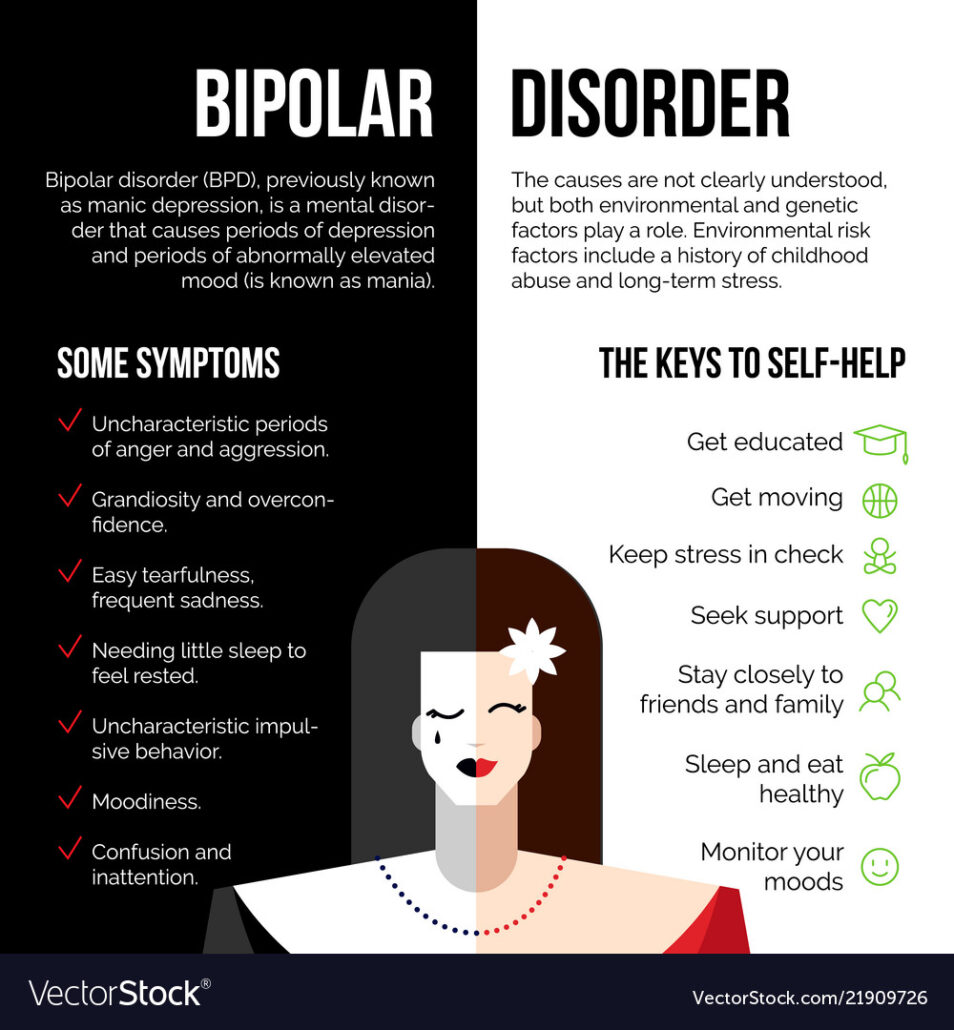
At its heart, bipolar disorder is about the cyclical nature of mood. Unlike everyday ups and downs, bipolar episodes represent more profound and prolonged deviations from a person’s baseline mood. These deviations can swing in two primary directions: towards elevated or irritable mood (mania or hypomania) and towards depressed mood. The intensity and duration of these episodes can vary greatly, leading to different classifications of bipolar disorder.
Mania: The Elevated Extreme
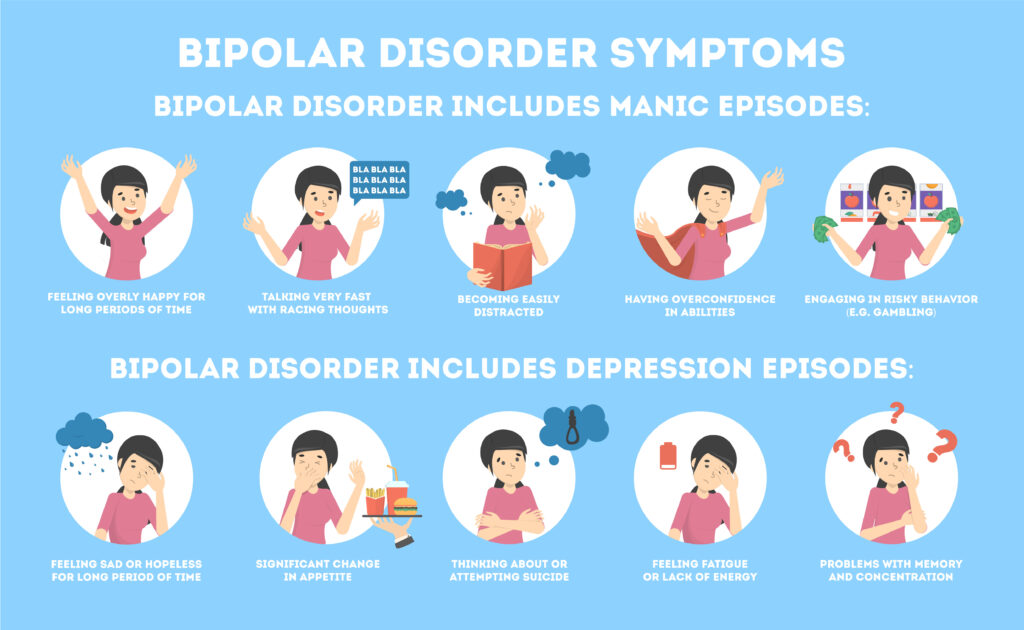
Manic episodes are the hallmark of bipolar I disorder and are characterized by a distinct period of abnormally and persistently elevated, expansive, or irritable mood and abnormally and persistently increased activity or energy, lasting at least one week and present most of the day, nearly every day. During a manic episode, individuals may experience:
- Inflated Self-Esteem or Grandiosity: A severely overblown sense of their own importance, abilities, or knowledge. This can manifest as believing they have special powers, a unique mission, or are destined for greatness.
- Decreased Need for Sleep: Feeling rested after only a few hours of sleep, or even no sleep at all, without experiencing fatigue.
- More Talkative Than Usual or Pressure to Keep Talking: An incessant urge to speak, often rapidly and with little regard for conversational flow. They may jump from topic to topic, making it difficult to follow their train of thought.
- Flight of Ideas or Subjective Experience That Thoughts Are Racing: Thoughts move at an extremely rapid pace, making it hard to focus on one idea.
- Distractibility: Attention is easily drawn to unimportant or irrelevant external stimuli.
- Increase in Goal-Directed Activity or Psychomotor Agitation: Becoming overly focused on a project, goal, or plan, or experiencing restless, purposeless movement. This can be productive for a while, but often becomes unrealistic or chaotic.
- Excessive Involvement in Activities That Have a High Potential for Painful Consequences: This is a critical indicator and can include engaging in unrestrained buying sprees, sexual indiscretions, foolish business investments, or other reckless behaviors.
A manic episode is often severe enough to cause marked impairment in social or occupational functioning or to necessitate hospitalization to prevent harm to self or others, or there are psychotic features.
Hypomania: The Milder Ascent
Hypomanic episodes share many similarities with manic episodes but are less severe. A hypomanic episode is a distinct period of abnormally and persistently elevated, expansive, or irritable mood and abnormally and persistently increased activity or energy, lasting at least four consecutive days and present most of the day, nearly every day. Key differences include:
- Less Impairment: While noticeable and disruptive, hypomania does not cause marked impairment in social or occupational functioning or necessitate hospitalization.
- Absence of Psychotic Features: Psychotic symptoms like hallucinations or delusions are absent in hypomania.
- Noticeable Change in Functioning: Although not disabling, the change in mood and energy is observable to others.
Hypomania can sometimes be perceived positively, as individuals may feel more energetic, creative, and productive. However, it can still lead to poor judgment and impulsive decisions that have negative consequences once the episode subsides. Hypomania is characteristic of bipolar II disorder.
Depressive Episodes: The Downswing
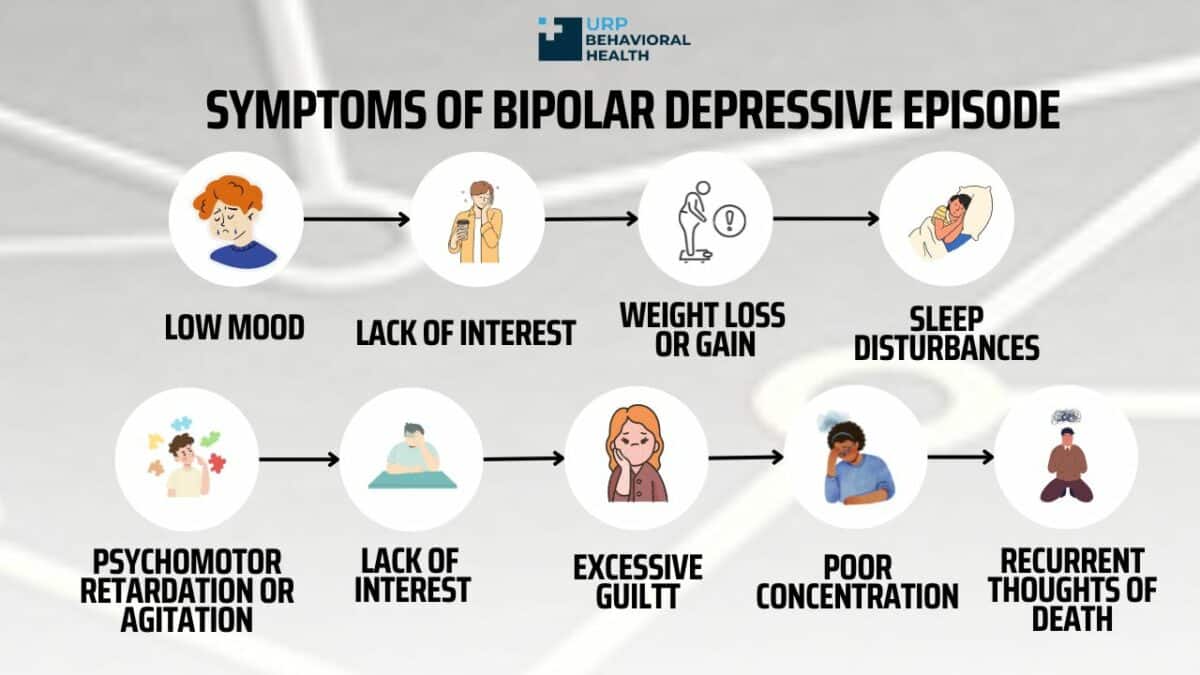
Depressive episodes in bipolar disorder are similar to those experienced in major depressive disorder, characterized by a persistent feeling of sadness, emptiness, or hopelessness, and a loss of interest or pleasure in activities that were once enjoyable. Key symptoms include:
- Depressed Mood: Feeling sad, down, or hopeless for most of the day, nearly every day. In children and adolescents, this can manifest as irritability.
- Markedly Diminished Interest or Pleasure: A significant loss of interest or pleasure in all, or almost all, activities most of the day, nearly every day.
- Significant Weight Loss or Gain or Decrease or Increase in Appetite: A notable change in appetite or body weight without dieting.
- Insomnia or Hypersomnia: Difficulty falling asleep, staying asleep, or sleeping too much.
- Psychomotor Agitation or Retardation: Observable restlessness or slowed movements and speech.
- Fatigue or Loss of Energy: Feeling tired and lacking energy, even after rest.
- Feelings of Worthlessness or Excessive Guilt: Persistent feelings of being inadequate or feeling guilty about things that are not their fault.
- Diminished Ability to Think or Concentrate, or Indecisiveness: Difficulty making decisions, remembering things, or focusing.
- Recurrent Thoughts of Death, Suicidal Ideation, or a Suicide Attempt or a Specific Plan for Committing Suicide: This is a serious symptom that requires immediate professional attention.
Depressive episodes can be as debilitating as manic episodes, leading to significant functional impairment and an increased risk of suicide.
Triggers and Cycles: Understanding What Influences Episodes
While the exact cause of bipolar disorder is not fully understood, it is believed to involve a combination of genetic, biological, and environmental factors. Certain factors can act as triggers, precipitating a shift into a manic, hypomanic, or depressive episode. Recognizing these triggers is crucial for effective management and prevention.
Environmental and Lifestyle Triggers
- Stress: Significant life events, whether positive or negative, such as job loss, relationship breakups, or even starting a new career or moving, can trigger mood episodes. Chronic stress can also play a role.
- Sleep Disturbances: Irregular sleep patterns or significant lack of sleep are powerful triggers, particularly for manic or hypomanic episodes. Maintaining a consistent sleep schedule is paramount.
- Substance Use: Alcohol and drug use can significantly destabilize mood and trigger episodes. Some substances can mimic manic symptoms or exacerbate depressive states.
- Medication Changes: Abruptly stopping or changing prescribed medications for bipolar disorder can lead to relapses. It is vital to work closely with a healthcare provider regarding any medication adjustments.
- Seasonality: Some individuals experience mood episodes that are linked to specific seasons, a pattern known as Seasonal Affective Disorder (SAD) in the context of bipolar disorder.
The Role of Routine and Predictability
In a world that is increasingly dynamic, maintaining a predictable routine can be an unexpected yet powerful tool for managing bipolar disorder. Technology, while offering amazing tools for productivity and connection, can also contribute to lifestyle disruptions.
Technology and Routine: A Double-Edged Sword
- Digital Security and Sleep: Late-night scrolling through social media or engaging in work-related tasks via digital devices can disrupt natural sleep-wake cycles, a known trigger for mood episodes. Understanding and implementing digital security practices, such as mindful screen time and avoiding stimulating content before bed, can be beneficial.
- AI Tools for Well-being: As AI tools become more sophisticated, they offer potential for personalized well-being support. Apps that track sleep patterns, mood fluctuations, and even provide guided mindfulness exercises can offer valuable insights and proactive interventions. However, it’s crucial to use these tools as supplementary support and not as a replacement for professional medical advice.
- Productivity Apps and Burnout: While productivity apps are designed to enhance efficiency, overreliance or the pressure to constantly achieve can contribute to stress and burnout, which can then trigger mood episodes. A balanced approach is key.
Money Management and Stability
Financial stress is a significant contributor to mental health challenges. For individuals with bipolar disorder, the impulsive behaviors associated with manic or hypomanic episodes can lead to severe financial consequences, including debt, bankruptcy, and loss of assets.
- Investing and Risk: While investing can be a path to financial growth, individuals experiencing hypomania might engage in excessively risky investment strategies, driven by inflated confidence and a belief in their infallible judgment. This can lead to substantial financial losses.
- Online Income and Side Hustles: The allure of quick online income or side hustles can be particularly tempting during elevated mood states, leading to overcommitment and unrealistic expectations that ultimately result in disappointment and financial strain during depressive phases.
- Financial Tools for Stability: Utilizing budgeting apps, financial planning tools, and seeking advice from financial advisors can provide a crucial safety net. For someone managing bipolar disorder, having a structured financial plan can reduce anxiety and prevent impulsive financial decisions.
Personal Branding and Self-Perception
The concept of personal branding, whether for career advancement or personal expression, can be viewed through the lens of bipolar disorder.
- Brand Strategy and Self-Esteem: During manic or hypomanic episodes, individuals might develop an exaggerated sense of their personal brand, leading to unrealistic self-promotion or a perception of invincibility. Conversely, during depressive episodes, self-esteem plummets, making it difficult to engage in any form of self-promotion or even believe in one’s own value.
- Corporate Identity and Reputational Management: For those in leadership positions, managing their public persona and corporate identity becomes even more critical. Unmanaged mood episodes can lead to erratic behavior, poor decision-making, and damage to their reputation and the organizations they lead.
- Case Studies in Resilience: Understanding bipolar episodes can shed light on the importance of authentic and sustainable personal branding, one that is resilient to internal fluctuations. Case studies of individuals who have successfully navigated mental health challenges while building strong personal and professional lives can offer inspiration and practical strategies.
Navigating Bipolar Episodes: Strategies for Management and Well-being
Living with bipolar disorder and managing its episodes requires a multifaceted approach that includes professional treatment, lifestyle adjustments, and strong self-awareness.
Professional Treatment: The Foundation of Recovery
- Medication: Mood stabilizers, antipsychotics, and antidepressants are often prescribed to help regulate mood swings and prevent episodes. It’s essential to take medications as directed and communicate any side effects or concerns to the prescribing physician.
- Psychotherapy: Cognitive Behavioral Therapy (CBT), Dialectical Behavior Therapy (DBT), and psychoeducation are valuable therapeutic approaches. Therapy can help individuals identify triggers, develop coping mechanisms, challenge distorted thinking patterns, and improve interpersonal relationships.
- Regular Check-ups: Consistent monitoring by mental health professionals is crucial for adjusting treatment plans and managing the disorder effectively.
Lifestyle and Self-Care: Empowering Your Journey
- Consistent Routine: Establishing and maintaining a regular schedule for sleep, meals, and activities can provide stability and predictability.
- Stress Management Techniques: Practicing mindfulness, meditation, yoga, or engaging in enjoyable hobbies can help manage stress levels.
- Healthy Diet and Exercise: A balanced diet and regular physical activity can positively impact mood and overall well-being.
- Building a Support System: Connecting with trusted friends, family members, or support groups can provide emotional strength and practical assistance.
- Educating Yourself and Others: Understanding bipolar disorder and its impact empowers individuals to advocate for themselves and helps their loved ones offer appropriate support.
Leveraging Technology and Financial Planning for Stability
- Mood Tracking Apps: As mentioned earlier, utilizing technology to track mood, sleep, and activity can provide valuable data for both the individual and their healthcare provider.
- Financial Planning: Creating a realistic budget, setting financial goals, and seeking professional financial advice can mitigate financial stressors and prevent impulsive spending.
- Digital Boundaries: Consciously setting limits on screen time, especially before bed, and being mindful of the content consumed can support better sleep hygiene.
In conclusion, a bipolar episode is a significant deviation in mood and energy that is central to bipolar disorder. Understanding the different types of episodes – manic, hypomanic, and depressive – along with their potential triggers, is the first step towards effective management. By integrating professional treatment with proactive lifestyle strategies, and by thoughtfully considering the role of technology, finances, and personal presentation in one’s life, individuals can learn to navigate the challenges of bipolar disorder and lead fulfilling and meaningful lives. The journey is ongoing, but with the right tools and support, managing bipolar episodes becomes a manageable and achievable goal.
aViewFromTheCave is a participant in the Amazon Services LLC Associates Program, an affiliate advertising program designed to provide a means for sites to earn advertising fees by advertising and linking to Amazon.com. Amazon, the Amazon logo, AmazonSupply, and the AmazonSupply logo are trademarks of Amazon.com, Inc. or its affiliates. As an Amazon Associate we earn affiliate commissions from qualifying purchases.