
Binge Eating Disorder (BED) is a serious but often misunderstood mental health condition characterized by recurrent episodes of eating unusually large amounts of food in a relatively short period, accompanied by a sense of loss of control. Unlike occasional overindulgence, BED involves a pattern of behavior that can have significant physical, psychological, and social consequences. While the title of this article might lead one to believe it’s solely about food, understanding BED requires looking beyond the plate and into the interconnectedness of our minds, our technology, our brands (personal and corporate), and our financial well-being.
This exploration of Binge Eating Disorder will delve into its core characteristics, its potential triggers and underlying causes, and the profound impact it can have on an individual’s life. We will also consider how the broader themes of technology, branding, and personal finance, while seemingly distinct, can offer unique perspectives and even play a role in the management and recovery from this challenging condition.
Understanding the Core Characteristics of Binge Eating Disorder
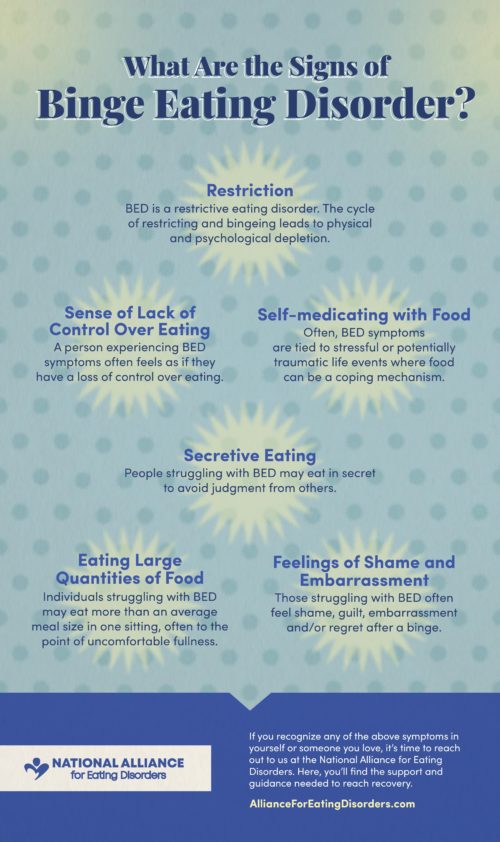
At its heart, Binge Eating Disorder is defined by the “binge” itself. This isn’t simply eating a large meal; it’s characterized by specific features that differentiate it from typical overeating.
The Binges: More Than Just Overeating
The defining feature of BED is the recurrent episode of binge eating. These episodes are marked by two key components:
- Eating a significantly larger amount of food than most people would eat in a similar period under similar circumstances: This can involve consuming an entire meal’s worth of calories or more in a single sitting, often much faster than normal. The quantity of food is often a significant departure from what an individual would typically consume.
- A sense of lack of control over eating during the episode: This is a crucial element. During a binge, individuals often feel as though they cannot stop eating or control what or how much they are eating. This feeling of being powerless is a hallmark of the disorder.
These binge episodes are typically accompanied by other distressing behaviors, often occurring in secrecy and leading to feelings of shame and guilt. These can include:
- Eating much more rapidly than normal.
- Eating until feeling uncomfortably full.
- Eating large amounts of food when not feeling physically hungry.
- Eating alone because of feeling embarrassed by how much food is being consumed.
- Feeling disgusted with oneself, depressed, or very guilty afterward.
The frequency of these binge episodes is also a diagnostic criterion. For a diagnosis of BED, these episodes must occur, on average, at least once a week for three months.
The Emotional and Psychological Landscape
Beyond the physical act of binge eating, BED is deeply intertwined with a complex emotional and psychological landscape. The binge itself is often a coping mechanism, a way to numb or escape difficult emotions.
- Emotional Triggers: Stress, anxiety, sadness, loneliness, anger, boredom, or even positive emotions like excitement can trigger binge episodes. The food becomes a temporary distraction, a source of comfort, or a way to feel something other than the overwhelming emotion.
- Self-Esteem and Body Image: Individuals with BED often struggle with low self-esteem and negative body image. The shame and guilt associated with bingeing can further erode their sense of self-worth, creating a vicious cycle.
- Perfectionism and All-or-Nothing Thinking: A tendency towards perfectionism and all-or-nothing thinking can contribute to BED. Individuals may feel that if they can’t be “perfect” with their eating, they might as well “give up” and binge.
It’s important to distinguish BED from bulimia nervosa, another eating disorder. While both involve binge eating, individuals with bulimia nervosa also engage in recurrent compensatory behaviors, such as self-induced vomiting, misuse of laxatives, diuretics, or other medications, or excessive exercise, to prevent weight gain. This is not a feature of BED.
Exploring Potential Triggers and Contributing Factors
The causes of Binge Eating Disorder are complex and multifactorial, often involving a combination of genetic, biological, psychological, and environmental influences. Understanding these potential triggers and contributing factors is crucial for developing effective prevention and treatment strategies.
Psychological and Emotional Roots
Many individuals with BED have underlying psychological or emotional issues that contribute to their disordered eating patterns.
- Trauma and Abuse: A history of trauma, abuse, or neglect can significantly increase the risk of developing BED. Food can become a way to cope with the emotional pain and distress associated with these experiences.
- Mental Health Conditions: BED often co-occurs with other mental health conditions, such as depression, anxiety disorders, post-traumatic stress disorder (PTSD), and obsessive-compulsive disorder (OCD). These conditions can create a fertile ground for the development of disordered eating behaviors.
- Difficulty with Emotional Regulation: Individuals with BED may struggle to identify, understand, and manage their emotions. Binge eating can serve as a maladaptive coping mechanism to deal with overwhelming feelings.
- Low Self-Esteem and Self-Criticism: A pervasive sense of inadequacy and harsh self-criticism can fuel the cycle of bingeing. The individual may feel that they are not good enough, leading them to seek solace or distraction in food.
Biological and Genetic Predispositions
Research suggests that biological and genetic factors can also play a role in the development of BED.
- Genetics: A family history of eating disorders or other mental health conditions may increase an individual’s susceptibility to BED. Specific genes related to appetite regulation, mood, and stress response might be involved.
- Brain Chemistry: Imbalances in neurotransmitters, such as serotonin and dopamine, which regulate mood, appetite, and reward pathways in the brain, may contribute to BED. Some research suggests that individuals with BED may experience a different reward response to food.
- Hormonal Influences: Hormonal fluctuations, particularly related to stress hormones like cortisol, can also influence appetite and food cravings, potentially contributing to binge episodes.
Environmental and Social Influences
Our environment and social interactions can also shape our relationship with food and our vulnerability to eating disorders.
- Dieting History: A history of restrictive dieting, particularly during adolescence, can be a significant risk factor for BED. The deprivation associated with restrictive diets can lead to intense cravings and a rebound effect of overeating.
- Cultural Pressures: Societal pressures related to body image and thinness can contribute to body dissatisfaction and a preoccupation with food and weight, which can, in turn, trigger disordered eating patterns.
- Family Dynamics: Family environments characterized by criticism, emotional unavailability, or a focus on weight and appearance can also contribute to the development of BED.
- Accessibility of Food: In societies where highly palatable, calorie-dense foods are readily available and often used for comfort or celebration, the risk of developing disordered eating patterns may be exacerbated.
The Far-Reaching Impact of Binge Eating Disorder
Binge Eating Disorder is not just about overeating; it’s a condition with profound and far-reaching consequences that can impact an individual’s physical health, mental well-being, and social life. Understanding these impacts is vital for fostering empathy and encouraging individuals to seek help.
Physical Health Complications
The recurrent nature of binge eating and the consumption of large quantities of food, often high in sugar and fat, can lead to a range of serious physical health problems.
- Obesity and Weight Gain: While not all individuals with BED are overweight or obese, it is a common consequence. This can lead to other weight-related health issues.
- Cardiovascular Problems: Increased risk of high blood pressure, high cholesterol, heart disease, and stroke due to the strain on the cardiovascular system from obesity and poor dietary habits.
- Diabetes: The consumption of large amounts of sugar and carbohydrates can lead to insulin resistance and an increased risk of developing type 2 diabetes.
- Gastrointestinal Issues: Problems such as bloating, indigestion, constipation, and irritable bowel syndrome (IBS) are common due to the irregular and excessive consumption of food.
- Sleep Apnea: Obesity associated with BED can contribute to sleep apnea, a condition that disrupts breathing during sleep.
- Joint Problems: Excess weight can put significant stress on joints, leading to pain and the development of conditions like osteoarthritis.
Psychological and Emotional Toll
The psychological and emotional toll of BED can be devastating, often overshadowing the physical health concerns.
- Intense Guilt and Shame: The secrecy surrounding binge episodes and the feeling of being out of control lead to overwhelming feelings of guilt, shame, and self-loathing.
- Depression and Anxiety: BED is strongly linked to depression and anxiety disorders. The constant struggle with food and body image can lead to persistent feelings of sadness, hopelessness, and worry.
- Low Self-Esteem: The cycle of bingeing and the associated negative feelings can significantly erode an individual’s self-esteem, making them feel unworthy and inadequate.
- Social Isolation: Shame and embarrassment often lead individuals with BED to withdraw from social situations, particularly those involving food or where their body image might be scrutinized. This isolation can exacerbate feelings of loneliness and despair.
- Suicidal Ideation: In severe cases, the distress and hopelessness associated with BED can lead to suicidal thoughts and behaviors.
Impact on Daily Life and Relationships
BED can significantly disrupt an individual’s daily life and strain their relationships.
- Preoccupation with Food and Body Image: A significant amount of mental energy can be consumed by thoughts of food, weight, and body image, interfering with concentration, work, and social activities.
- Financial Strain: The cost of purchasing large quantities of food for binges can lead to financial difficulties.
- Strained Relationships: Secrecy, irritability, and withdrawal can put a strain on relationships with family, friends, and partners. Loved ones may struggle to understand the condition and how to help.
- Reduced Quality of Life: The cumulative effect of physical health problems, psychological distress, and social isolation can lead to a significantly reduced quality of life, impacting an individual’s ability to engage in activities they once enjoyed.
Integrating Technology, Branding, and Financial Well-being in BED Recovery
While Binge Eating Disorder is primarily a mental health concern, the interconnectedness of our modern lives means that seemingly unrelated fields like technology, branding, and personal finance can offer unique insights and practical tools for managing and overcoming this condition.
Leveraging Technology for Support and Insight
Technology, often a double-edged sword in relation to mental health, can be a powerful ally in the journey towards recovery from BED.
- Mental Health Apps and Wearables: A growing number of apps are designed to help individuals track their moods, food intake (without shame or judgment), and identify triggers. Some wearables can monitor sleep patterns and stress levels, providing valuable data for understanding personal patterns. AI-powered chatbots are emerging as accessible first-line support tools, offering guidance and coping strategies.
- Online Support Communities: For individuals who feel isolated, online forums and support groups can provide a safe space to connect with others who understand their struggles. These communities offer peer support, shared experiences, and encouragement. Digital security becomes paramount here to ensure privacy and safety within these spaces.
- Telehealth and Virtual Therapy: The accessibility of virtual therapy platforms has made it easier for individuals to access professional help, regardless of their geographical location. This is particularly beneficial for those who may face barriers to in-person treatment. Productivity tools can also be integrated to help schedule therapy sessions and manage recovery-related tasks.
- Educational Resources: Websites and apps offer a wealth of information about BED, treatment options, and coping mechanisms. This empowers individuals with knowledge and reduces the stigma often associated with the disorder.
The Role of Personal Branding and Identity in Healing
Our sense of self and how we present ourselves to the world, our personal brand, can be significantly impacted by BED. However, consciously cultivating a positive personal brand can be a part of the healing process.
- Reclaiming Your Narrative: BED can lead to a feeling of being defined by the disorder. Working on a personal brand involves consciously identifying and amplifying one’s strengths, values, and aspirations outside of the eating disorder. This is about creating a corporate identity for oneself that is healthy and resilient.
- Authenticity and Self-Acceptance: A healthy personal brand is built on authenticity. This involves embracing imperfections and practicing self-compassion. Case studies of individuals who have overcome significant challenges can offer inspiration.
- Mindful Marketing of Self: When engaging in professional or social settings, individuals can learn to present themselves in a way that reflects their true selves, rather than being driven by shame or a desire for external validation. This involves a strategic approach to marketing one’s skills and personality.
- Building a Supportive Network: A strong personal brand often attracts like-minded individuals. Cultivating supportive relationships can be a crucial part of recovery, as these individuals can offer encouragement and understanding.
Financial Well-being as a Pillar of Stability
The relationship between financial well-being and Binge Eating Disorder is often overlooked, yet it can be a significant factor in both the onset and recovery from the condition.
- Stress and Financial Strain: Financial insecurity and stress are known triggers for binge eating. When individuals are worried about bills, debt, or their future, the urge to seek comfort in food can intensify. Personal finance management becomes a critical skill.
- The Cost of Binges: As mentioned earlier, the sheer volume of food consumed during binges can lead to significant financial strain, creating a vicious cycle of stress and disordered eating.
- Income and Stability: Achieving financial stability, whether through a stable job, successful online income streams, or a well-managed side hustle, can reduce overall stress levels and provide a sense of control. This can empower individuals to focus on their recovery.
- Financial Tools and Planning: Utilizing financial tools for budgeting, saving, and debt management can provide a sense of agency and security. Planning for the future can offer a sense of hope and reduce immediate anxieties.
- Investing in Well-being: Viewing therapy, healthy food choices, and self-care as investments in one’s well-being, rather than expenses, is a crucial shift in mindset. This aligns with a broader understanding of business finance principles applied to personal life.
In conclusion, understanding Binge Eating Disorder requires a holistic approach. By acknowledging the interplay between our minds, the technology we use, the brands we build (both personal and corporate), and our financial stability, we can create a more comprehensive framework for support, intervention, and ultimately, recovery. The journey through BED is challenging, but with the right understanding, resources, and support, lasting healing is possible.
aViewFromTheCave is a participant in the Amazon Services LLC Associates Program, an affiliate advertising program designed to provide a means for sites to earn advertising fees by advertising and linking to Amazon.com. Amazon, the Amazon logo, AmazonSupply, and the AmazonSupply logo are trademarks of Amazon.com, Inc. or its affiliates. As an Amazon Associate we earn affiliate commissions from qualifying purchases.