
The rhythmic thumping in our chest, the subtle surge of life – our pulse is a fundamental indicator of our well-being. Often discussed in the context of fitness and health, the concept of an “average pulse” is more nuanced than a single number. It’s influenced by a complex interplay of physiology, lifestyle, and even the technological tools we use to monitor it. This article will explore what constitutes an average pulse, the factors that influence it, and how advancements in technology are helping us understand and manage our cardiovascular health with greater precision.

Our pulse, or heart rate, is the number of times your heart beats per minute (BPM). It’s the direct result of your heart muscle contracting and relaxing to pump blood throughout your body. While a healthy resting heart rate generally falls within a specific range, what’s considered “average” can vary significantly from person to person. Understanding this variability is key to appreciating the true meaning of your pulse.
Understanding the Average Pulse: The Numbers and Their Significance
When we talk about an “average pulse,” we’re typically referring to the resting heart rate. This is the number of heartbeats per minute when you are completely relaxed and at rest, such as when you first wake up in the morning before getting out of bed.
What is a Normal Resting Heart Rate?
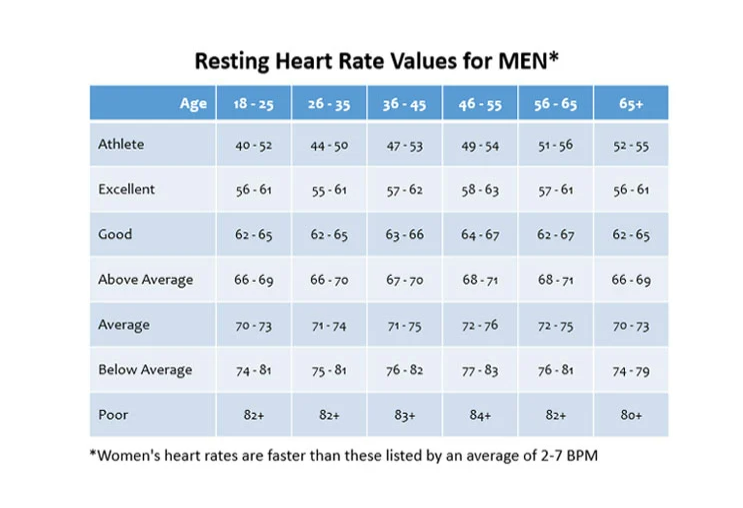
For most healthy adults, a normal resting heart rate falls between 60 and 100 beats per minute (BPM). However, this is a broad range, and many factors can influence where an individual falls within this spectrum.
- Athletes and Highly Fit Individuals: It’s not uncommon for endurance athletes or individuals who are exceptionally fit to have resting heart rates significantly below 60 BPM, sometimes even in the 40s or 50s. This is because their hearts are more efficient and can pump more blood with each beat, requiring fewer contractions to meet the body’s oxygen demands at rest.
- Age: Heart rate can change with age. Newborns have the highest resting heart rates, which gradually decrease as a child grows.
- Sex: While not a dramatic difference, women tend to have a slightly higher resting heart rate than men on average.
- Body Size: Larger individuals may have slightly higher resting heart rates.
- Medications: Certain medications, like beta-blockers, are designed to lower heart rate, while others can increase it.
- Emotional State: Stress, anxiety, excitement, and even strong emotions can temporarily elevate your heart rate.
- Body Temperature: Fever can increase your heart rate.
- Medical Conditions: Underlying medical conditions, such as thyroid problems or heart disease, can affect resting heart rate.
Therefore, while 60-100 BPM is the general guideline, your personal “average” might be slightly outside this range and still be perfectly normal for you. The key is consistency and understanding what is typical for your body.
The Pulse During Activity: Beyond Resting Numbers
The heart rate is dynamic, constantly adjusting to meet the body’s changing needs. During physical activity, your heart rate naturally increases to pump more oxygenated blood to your working muscles. This elevated heart rate is crucial for performance and endurance.
- Target Heart Rate Zones: Fitness professionals often talk about “target heart rate zones” during exercise. These zones are calculated based on your maximum heart rate (which is roughly estimated as 220 minus your age) and are designed to optimize different aspects of fitness, such as cardiovascular health, fat burning, or aerobic capacity.
- Recovery Heart Rate: The speed at which your heart rate returns to its resting level after exercise, known as the recovery heart rate, is another important indicator of cardiovascular fitness. A faster recovery generally signifies a more efficient heart.
Understanding how your pulse behaves during different activities provides valuable insights into your fitness level and cardiovascular health.
Factors Influencing Your Average Pulse: A Holistic View
The number you see on your heart rate monitor is not just a reflection of your heart’s immediate state; it’s a composite of various internal and external influences. Understanding these factors can empower you to manage your cardiovascular health more effectively.

Physiological Factors: The Inner Workings
At the core of your pulse are the intricate workings of your cardiovascular and nervous systems.
- Cardiovascular Health: The efficiency of your heart and blood vessels plays a paramount role. A strong, healthy heart pumps blood more effectively, leading to a lower resting heart rate. Conditions like high blood pressure or atherosclerosis can strain the heart, potentially leading to a higher resting rate.
- Respiratory System: The lungs’ ability to take in oxygen and expel carbon dioxide is intrinsically linked to heart rate. When the body needs more oxygen, the heart beats faster to deliver it.
- Autonomic Nervous System: This system, which controls involuntary bodily functions, has two main branches that impact heart rate:
- Sympathetic Nervous System: Often called the “fight or flight” system, it releases adrenaline and noradrenaline, which increase heart rate and blood pressure in response to stress, exercise, or excitement.
- Parasympathetic Nervous System: The “rest and digest” system, it slows down heart rate and lowers blood pressure, promoting relaxation. The balance between these two systems dictates your heart rate at any given moment.
- Hormones: Hormones like thyroid hormones can significantly influence metabolism and, consequently, heart rate. Imbalances in thyroid function are often associated with changes in resting heart rate.
- Hydration Levels: Dehydration can cause the blood volume to decrease, forcing the heart to pump faster to maintain blood pressure and circulation.
Lifestyle Factors: Your Daily Choices
The habits and choices you make on a daily basis have a profound impact on your average pulse.
- Diet: A diet rich in fruits, vegetables, and whole grains, and low in saturated fats and sodium, supports cardiovascular health, contributing to a healthier heart rate. Conversely, a diet high in processed foods, sugar, and unhealthy fats can negatively impact heart health and pulse.
- Exercise and Physical Activity: Regular aerobic exercise strengthens the heart muscle, leading to a lower resting heart rate and improved cardiovascular efficiency. Lack of physical activity can lead to a less efficient heart and a higher resting rate.
- Sleep Quality: Chronic sleep deprivation can elevate stress hormones, leading to a higher resting heart rate. Sufficient, quality sleep allows the body to repair and recover, promoting a more stable heart rate.
- Stress Management: Chronic stress keeps the sympathetic nervous system activated, consistently elevating heart rate. Effective stress management techniques, such as meditation, yoga, or deep breathing exercises, can help to lower your average pulse.
- Substance Use: Smoking and excessive alcohol consumption are detrimental to cardiovascular health and can lead to an elevated heart rate. Stimulants, including caffeine in moderation, can also temporarily increase heart rate.
The Role of Technology in Monitoring and Understanding Your Pulse
The advent of sophisticated technology has revolutionized how we track and understand our heart rate. What was once a manual process involving a stopwatch and fingertip check is now often an automated, continuous insight provided by wearables and smart devices.
Wearable Technology: Your Personal Health Companion
Smartwatches, fitness trackers, and heart rate monitors have become ubiquitous, offering real-time data on our pulse.
- Continuous Heart Rate Monitoring: These devices can track your heart rate throughout the day and night, providing a comprehensive picture of your cardiovascular activity. This continuous data is invaluable for identifying trends, understanding how different activities and emotions affect your pulse, and detecting potential irregularities.
- Activity Tracking and Zone Monitoring: Wearables automatically log your physical activity, categorizing it by intensity based on your heart rate zones. This helps you ensure you’re exercising effectively and reaching your fitness goals.
- Sleep Tracking: Many wearables also monitor sleep patterns, correlating sleep quality with heart rate variations. This insight can help you understand the link between rest and your cardiovascular health.
- ECG Capabilities: Higher-end smartwatches now feature electrocardiogram (ECG) sensors, capable of detecting potential signs of atrial fibrillation (AFib), a serious heart rhythm disorder. While not a diagnostic tool, it can prompt users to seek medical attention.
- Data Analysis and Insights: The accompanying apps for these devices often provide detailed analysis of your heart rate data, offering insights into your fitness level, stress levels, and overall cardiovascular health. Some apps use AI to identify patterns and provide personalized recommendations.
Leveraging Data for Better Health Outcomes
The data collected by these technologies is more than just numbers; it’s a powerful tool for proactive health management.
- Early Detection of Irregularities: Continuous monitoring can help identify significant deviations from your normal heart rate pattern, which could be an early warning sign of an underlying medical condition requiring medical attention.
- Personalized Fitness Plans: By understanding your individual heart rate responses to exercise, you can tailor your fitness routine for optimal results and safety.
- Stress Management Effectiveness: Tracking your heart rate during stressful situations and after using relaxation techniques can provide objective feedback on the effectiveness of your stress management strategies.
- Motivational Tool: Seeing your progress in terms of resting heart rate improvement or increased time spent in target heart rate zones can be a powerful motivator to maintain healthy habits.
While technology offers incredible insights, it’s crucial to remember that these devices are not medical instruments. Any concerns about your heart rate or potential health issues should always be discussed with a qualified healthcare professional. They can interpret your data in the context of your overall health and provide accurate diagnoses and treatment plans.
In conclusion, the “average pulse” is a dynamic and multifaceted indicator of your health. It’s influenced by a complex interplay of physiological factors, lifestyle choices, and, increasingly, the intelligent tools we use to monitor it. By understanding the factors that affect your pulse and leveraging the insights provided by modern technology, you can take a more informed and proactive approach to your cardiovascular well-being, ensuring your heart beats strong and steady for years to come.
aViewFromTheCave is a participant in the Amazon Services LLC Associates Program, an affiliate advertising program designed to provide a means for sites to earn advertising fees by advertising and linking to Amazon.com. Amazon, the Amazon logo, AmazonSupply, and the AmazonSupply logo are trademarks of Amazon.com, Inc. or its affiliates. As an Amazon Associate we earn affiliate commissions from qualifying purchases.