
The anterior cruciate ligament (ACL) is a crucial component of knee stability, and understanding its function and the implications of injury is paramount for athletes and active individuals alike. While the topic might seem far removed from the digital landscapes of technology, branding, and finance, a deeper look reveals surprising connections. From the advanced diagnostic tools and rehabilitation technologies shaping recovery, to the personal branding of athletes showcasing their resilience, and even the financial considerations of treatment and lost income, ACL injuries weave through the fabric of our modern, interconnected lives. This article will delve into the anatomy, causes, symptoms, and treatment of ACL injuries, exploring how advancements in various fields are impacting the journey of those affected.
Understanding the ACL: The Knee’s Unsung Hero
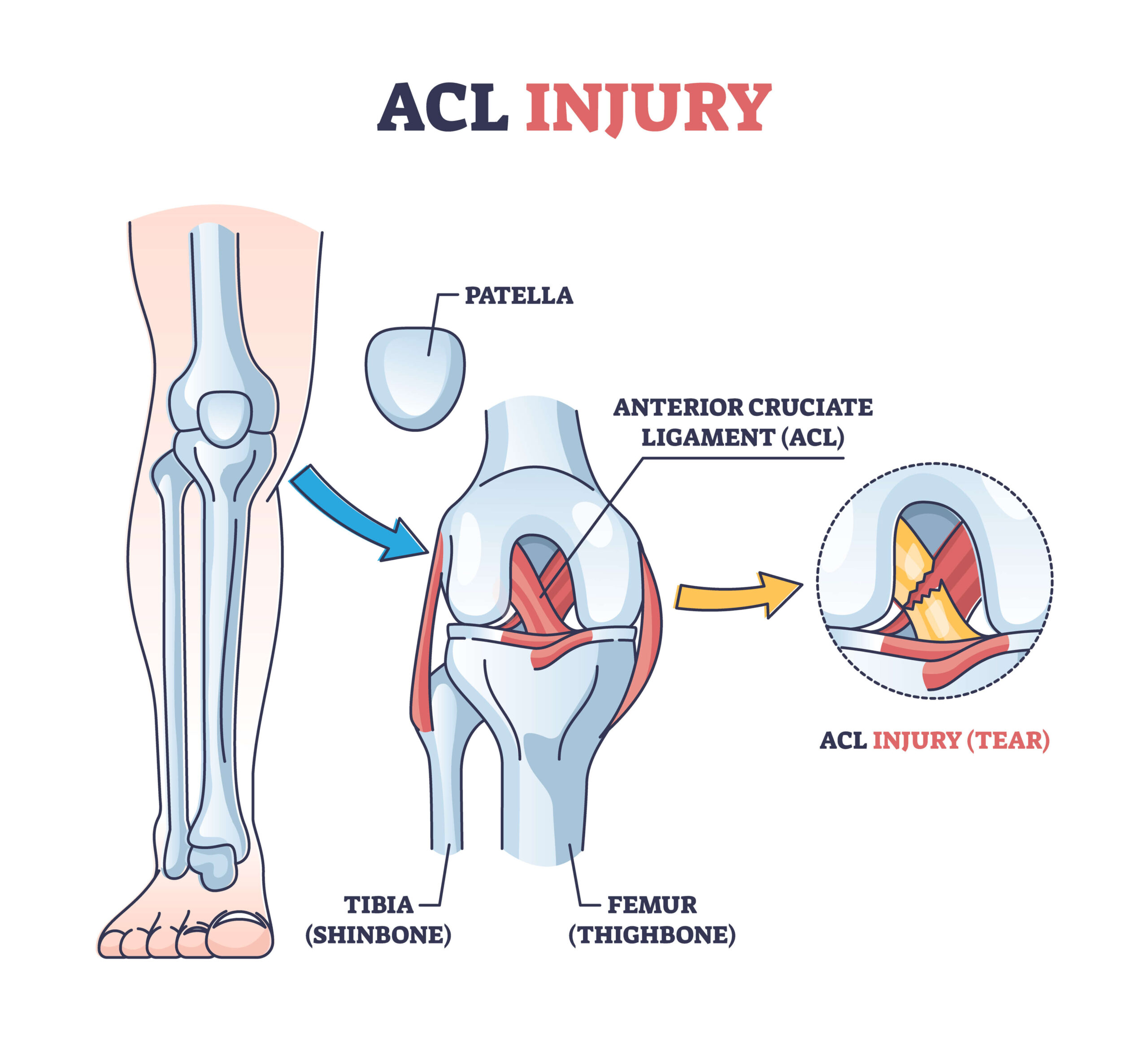
The knee joint is a complex marvel of biomechanics, allowing for a wide range of motion – from the simple act of walking to the explosive movements of professional sports. At its core, the knee is formed by the articulation of three bones: the femur (thigh bone), the tibia (shin bone), and the patella (kneecap). Providing stability and controlling movement within this joint are a network of ligaments, acting like strong, flexible ropes. Among these, the anterior cruciate ligament (ACL) stands out as a primary stabilizer.
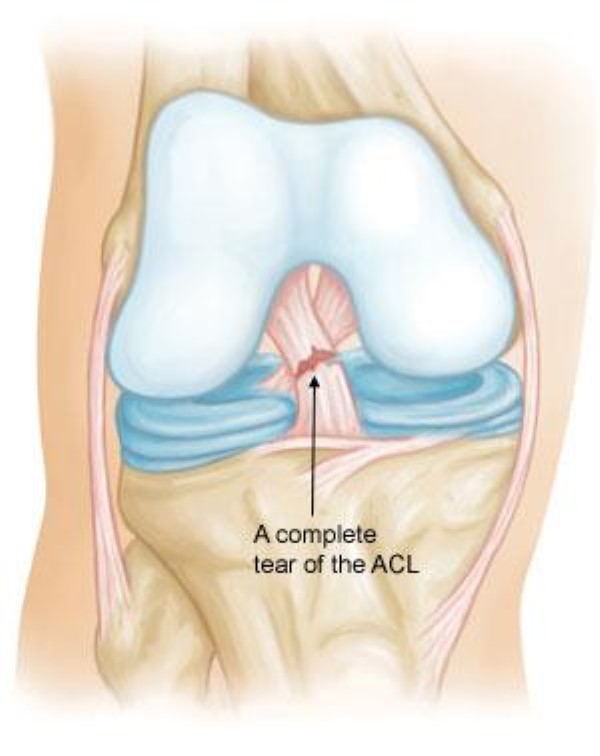
The ACL is one of two crucial cruciate ligaments located within the knee capsule, named for their crisscrossing orientation. It originates from the back of the femur and attaches to the front of the tibia. Its primary role is to prevent the tibia from sliding too far forward under the femur, and to provide rotational stability, particularly during pivoting and cutting movements. Imagine the ACL as a crucial anchor, preventing unwanted forward translation and twisting of the lower leg relative to the thigh. This delicate balance is what allows us to make sharp turns, jump, and absorb impact without our knee buckling or giving way.
Anatomy and Function in Detail
To truly appreciate the impact of an ACL injury, a closer look at its anatomy and function is beneficial. The ACL is composed of two distinct bundles: the anteromedial bundle and the posterolateral bundle. These bundles work in concert to provide comprehensive control. The anteromedial bundle is tighter during knee flexion (bending), while the posterolateral bundle is tauter during extension (straightening). This intricate design ensures optimal stability across the entire range of motion.
Beyond preventing tibial translation, the ACL plays a vital role in proprioception – the body’s ability to sense its position and movement in space. Nerve endings within the ACL send signals to the brain, informing it about the knee’s alignment and stress levels. This sensory feedback is crucial for coordinated muscle activation and maintaining balance. When the ACL is compromised, this proprioceptive feedback loop is disrupted, increasing the risk of further injury and instability.
Causes and Mechanisms of ACL Injuries
ACL injuries are overwhelmingly non-contact injuries, meaning they often occur without direct impact from another person or object. This highlights the critical role of biomechanics and the forces exerted on the knee during athletic movements.
Common Mechanisms of Injury
The most frequent culprits behind ACL tears are rapid deceleration, sudden changes in direction (cutting maneuvers), awkward landings from jumps, and hyperextension of the knee. Think of a soccer player planting their foot and rapidly changing direction, a basketball player landing awkwardly after a jump shot, or a skier experiencing a fall where their ski edge catches. In these scenarios, the forces placed on the ACL can exceed its tensile strength, leading to a partial or complete tear.
-
Non-Contact Mechanisms: These account for the vast majority of ACL injuries. They typically involve a combination of:
- Deceleration: Rapidly slowing down.
- Pivoting/Cutting: Changing direction abruptly while the foot is planted.
- Hyperextension: The knee bending backward beyond its normal range of motion.
- Landing from a Jump: Landing with an extended knee or in a poor position.
-
Contact Mechanisms: While less common, direct blows to the knee, particularly from the side, can also cause ACL tears, often in conjunction with other ligamentous injuries.
Risk Factors Contributing to ACL Injuries
Several factors can increase an individual’s susceptibility to an ACL injury:
- Gender: Women are at a significantly higher risk of ACL tears compared to men, particularly in sports that involve jumping and cutting. This is attributed to a complex interplay of anatomical, hormonal, and neuromuscular differences, including wider pelvises, increased ligament laxity, and differences in landing mechanics.
- Previous ACL Injury: Individuals who have previously torn their ACL are at a heightened risk of re-injury. This can be due to incomplete rehabilitation, altered biomechanics, or genetic predisposition.
- Playing Surface: Playing on artificial turf has been associated with a higher incidence of ACL injuries compared to natural grass, though the reasons are still debated and may involve different cleat-sticking mechanisms.
- Muscle Imbalances and Weakness: Weakness in the quadriceps, hamstrings, or hip abductor muscles can lead to poor knee control and increased stress on the ACL.
- Inadequate Neuromuscular Control: A lack of proper technique for jumping, landing, and cutting can predispose athletes to ACL tears.
Recognizing the Signs: Symptoms of an ACL Injury
The experience of an ACL injury can vary from mild discomfort to a sudden, debilitating event. Recognizing the hallmark symptoms is crucial for prompt diagnosis and treatment.
Immediate and Long-Term Manifestations
The most common immediate symptom of an ACL tear is a distinct “pop” or popping sensation at the time of injury. This is often followed by:
- Immediate Pain: The pain can range from moderate to severe, often intensifying with movement.
- Swelling: Significant swelling typically develops within a few hours of the injury, indicating bleeding within the joint.
- Instability: A feeling of the knee giving way or buckling, especially during weight-bearing or quick movements. This is a hallmark symptom of ACL insufficiency.
- Limited Range of Motion: Difficulty fully straightening or bending the knee due to pain and swelling.
- Tenderness: Pain upon palpation around the knee joint.
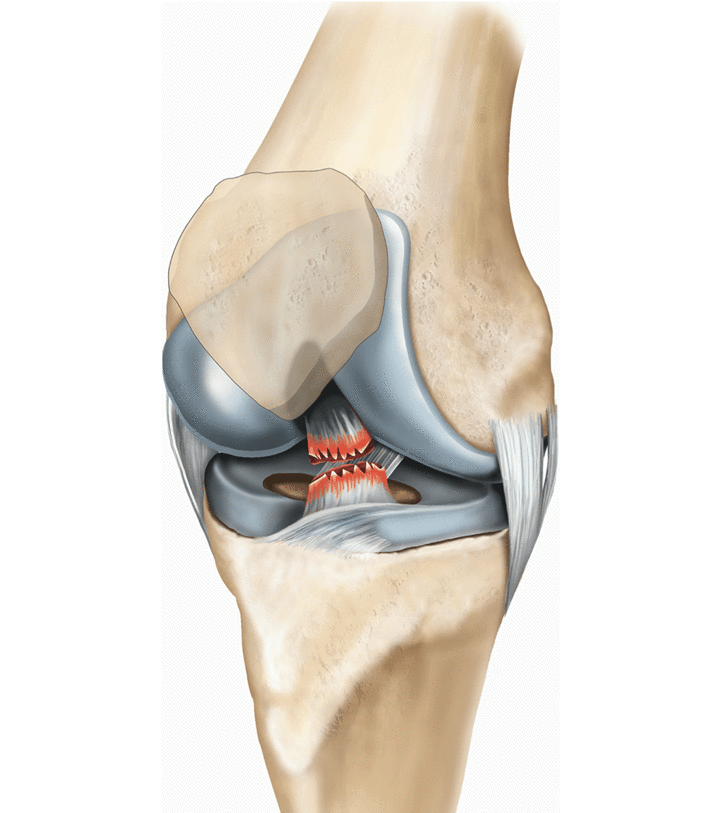
In some cases, particularly with partial tears, the “pop” may be less pronounced, and the initial pain and swelling might be more gradual. However, the sense of instability is often still present.
The Role of Technology in Diagnosis
Diagnosing an ACL injury typically involves a combination of physical examination and imaging. A physician will assess the knee’s range of motion, stability, and tenderness. Special physical tests, such as the Lachman test and the anterior drawer test, are performed to evaluate the integrity of the ACL.
-
Magnetic Resonance Imaging (MRI): This is the gold standard for confirming an ACL tear and assessing the extent of damage. MRI provides detailed images of the soft tissues, allowing radiologists to visualize the torn ligament, as well as any associated injuries to other knee structures like the meniscus or other ligaments. The precision of MRI technology has revolutionized the diagnostic process, enabling earlier and more accurate identification of ACL injuries.
-
Arthroscopy: In some cases, a minimally invasive surgical procedure called arthroscopy may be used for both diagnosis and treatment. A small camera is inserted into the joint, allowing the surgeon to directly visualize the ACL and other internal structures.
Treatment and Rehabilitation: A Path to Recovery
The management of an ACL injury depends on several factors, including the severity of the tear, the individual’s activity level, age, and overall health. Treatment options generally fall into two categories: non-surgical and surgical.
Non-Surgical Management
For individuals with low activity demands or those who have experienced a partial tear and can manage with a functional brace, non-surgical management might be considered. This typically involves:
- RICE Protocol: Rest, Ice, Compression, and Elevation to manage pain and swelling.
- Bracing: A functional knee brace can provide external support and stability during daily activities.
- Physical Therapy: Crucial for regaining strength, flexibility, and neuromuscular control.
Surgical Reconstruction: The Modern Approach
For athletes and active individuals who wish to return to high-level activities, surgical reconstruction of the ACL is often the recommended course of action. This procedure involves replacing the torn ligament with a graft, typically harvested from another tendon in the patient’s body (autograft) or from a deceased donor (allograft).
- Graft Selection: Common graft sources include the patellar tendon, hamstring tendons, and quadriceps tendon. The choice of graft depends on surgeon preference, patient anatomy, and the desired outcomes.
- Surgical Techniques: Arthroscopic techniques are standard, allowing for smaller incisions, faster recovery, and reduced scarring. The surgeon drills tunnels in the tibia and femur and secures the graft within these tunnels using screws or other fixation devices.
The Revolution of Rehabilitation: Leveraging Tech and Expertise
Rehabilitation is arguably the most critical phase of ACL injury recovery, and this is where the intersection with technology becomes most pronounced. A comprehensive rehabilitation program is essential for restoring strength, range of motion, proprioception, and confidence.
-
Physical Therapy and Biomechanics Coaching: Skilled physical therapists guide patients through progressive exercises designed to rebuild muscle strength around the knee, improve flexibility, and retrain neuromuscular pathways. They focus on correcting biomechanical flaws that may have contributed to the original injury. This is where the principles of personal branding for athletes become relevant; their ability to demonstrate dedication, resilience, and intelligent recovery strategies can shape their public image and inspire others.
-
Advanced Rehabilitation Technologies:
- Isokinetic Machines: These devices allow for controlled, speed-independent resistance training, providing objective measures of muscle strength and endurance.
- Biofeedback Devices: These technologies provide real-time visual or auditory feedback on muscle activation and movement patterns, helping patients to improve their motor control.
- Virtual Reality (VR) and Augmented Reality (AR): Increasingly, VR and AR are being used in rehabilitation to create engaging and functional training environments. These can simulate sport-specific movements in a controlled setting, helping to bridge the gap between therapy and return to sport. This aligns with the Tech topic, showcasing how cutting-edge software and hardware are transforming recovery.
- Wearable Technology: Smart sensors and wearables can track movement, gait, and other parameters, providing valuable data for therapists and athletes to monitor progress and identify potential issues.
-
Return-to-Sport Testing: Before an athlete is cleared to return to full competition, they undergo rigorous testing to ensure they have regained adequate strength, power, agility, and neuromuscular control. These tests are designed to mimic the demands of their sport and minimize the risk of re-injury.
Financial and Emotional Considerations
Beyond the physical aspects, ACL injuries carry significant Money and emotional implications.
-
Financial Costs: Surgery, physical therapy, and potential lost income can represent a substantial financial burden. Understanding insurance coverage, exploring financial aid options, and budgeting for recovery are crucial aspects of the process. For professional athletes, an ACL injury can mean lengthy periods away from their sport, impacting endorsements and future earnings.
-
Mental Health and Resilience: The emotional toll of an ACL injury can be profound. Dealing with pain, frustration, the uncertainty of recovery, and the fear of re-injury can lead to anxiety and depression. Building mental resilience through psychological support, mindfulness techniques, and strong social connections is as important as the physical rehabilitation. The Brand of an athlete is often defined not just by their performance, but by their ability to overcome adversity and return stronger, showcasing the power of personal narrative and resilience.
In conclusion, an ACL injury is a significant event that impacts not only physical function but also intersects with technological advancements, personal narratives, and financial realities. From the sophisticated diagnostic tools that pinpoint the damage to the innovative rehabilitation technologies that expedite recovery, and the personal branding of athletes that showcases their journey of resilience, the world of ACL injuries is surprisingly multifaceted. By understanding the anatomy, causes, symptoms, and the comprehensive treatment and rehabilitation pathways – enhanced by modern technology and a holistic approach to well-being – individuals can navigate this challenging path towards a successful return to an active and fulfilling life.
aViewFromTheCave is a participant in the Amazon Services LLC Associates Program, an affiliate advertising program designed to provide a means for sites to earn advertising fees by advertising and linking to Amazon.com. Amazon, the Amazon logo, AmazonSupply, and the AmazonSupply logo are trademarks of Amazon.com, Inc. or its affiliates. As an Amazon Associate we earn affiliate commissions from qualifying purchases.