
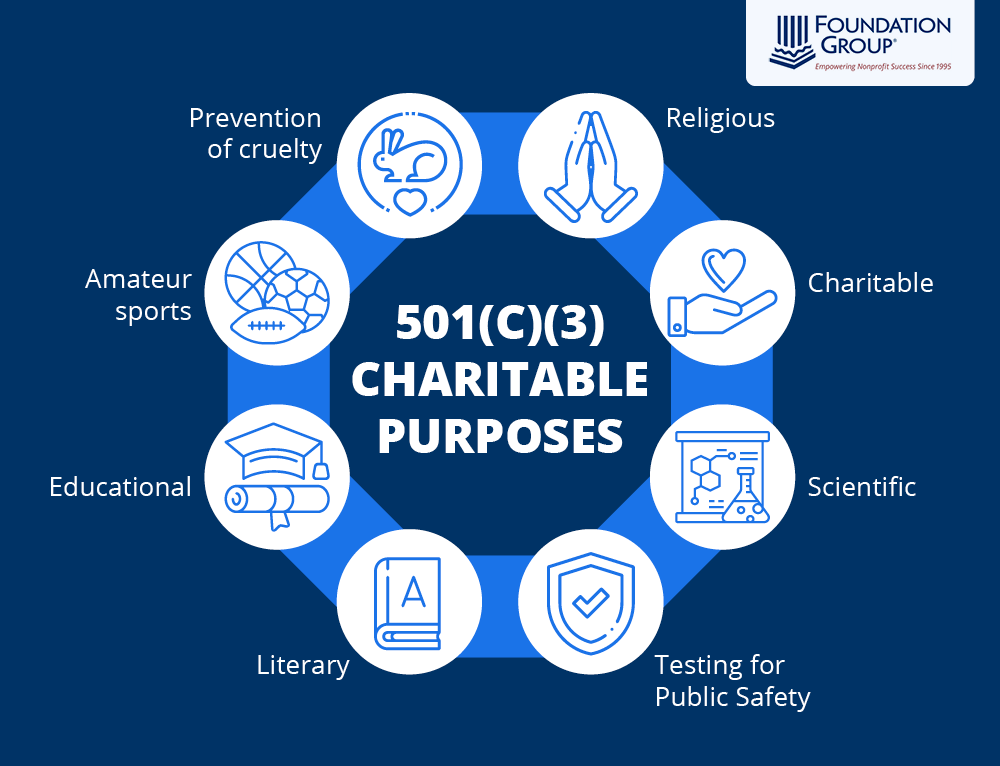
The term “501(c)(3)” is likely familiar to anyone involved in philanthropy, nonprofit management, or even just a keen observer of how charitable organizations operate. But what exactly does it signify? In essence, a 501(c)(3) designation is the gold standard for tax-exempt status in the United States, awarded by the Internal Revenue Service (IRS) to organizations that meet specific criteria for charitable, religious, educational, scientific, literary, testing for public safety, fostering national or international amateur sports competition, or the prevention of cruelty to children or animals purposes.
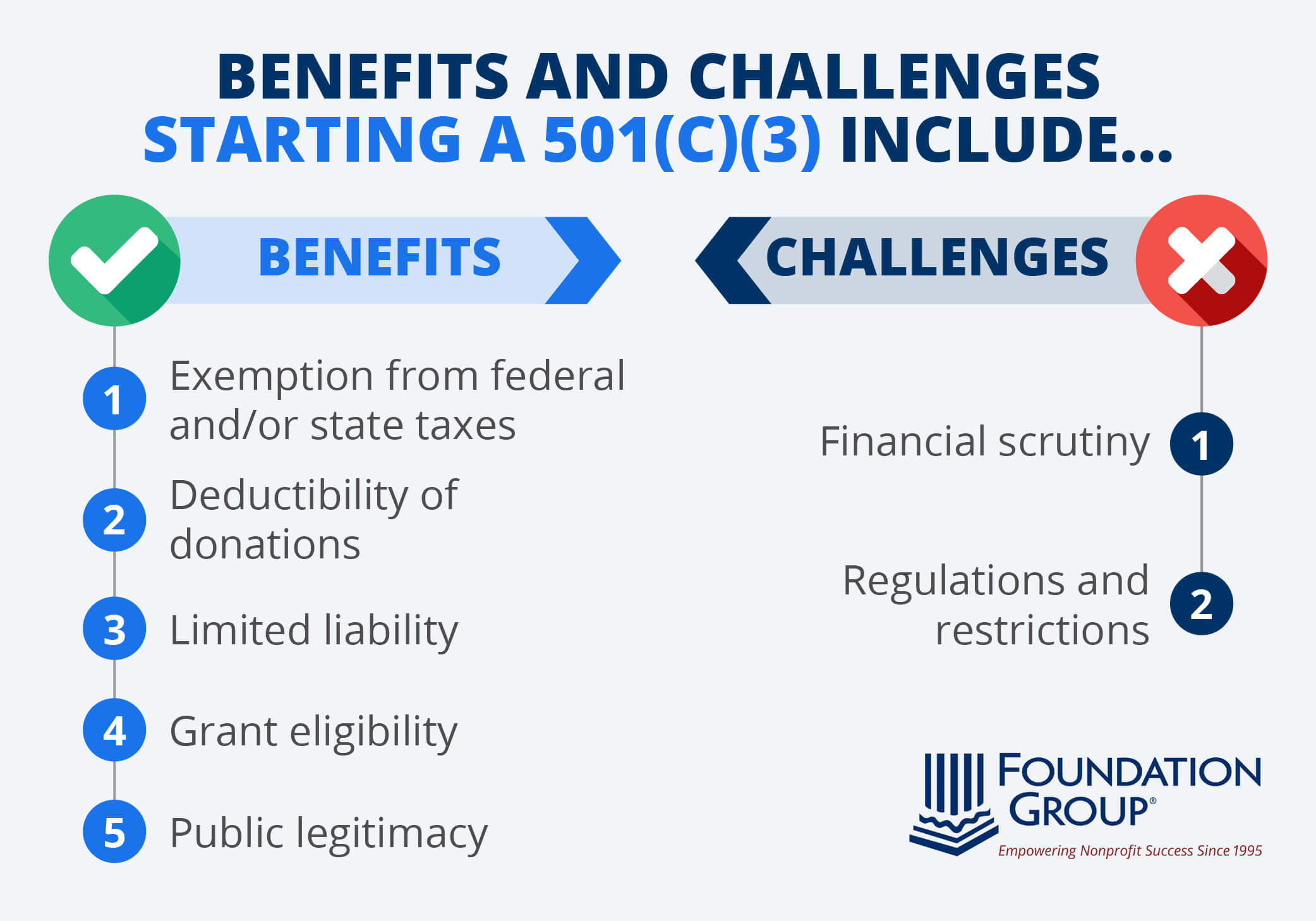
For an organization to achieve this coveted status, it must be organized and operated exclusively for one or more of these exempt purposes. This means that the organization’s primary activities must align with its stated charitable mission, and it cannot primarily benefit private individuals or shareholders. The benefits of becoming a 501(c)(3) are significant, most notably the exemption from federal income tax, and the ability for donors to deduct their contributions on their own tax returns. This dual benefit is a powerful catalyst for charitable giving and allows these organizations to maximize their impact by directing more resources towards their mission.
Beyond tax benefits, achieving 501(c)(3) status often lends an organization a degree of credibility and legitimacy in the eyes of the public, potential donors, and grant-making foundations. It signals a commitment to transparency and accountability, as these organizations are subject to IRS reporting requirements. While the path to obtaining this status can be complex and requires careful adherence to IRS regulations, the rewards for the organization and the broader community are substantial.
This article will delve deeper into what it means to be a 501(c)(3) organization. We will explore the fundamental requirements, the various benefits it unlocks, and how this designation intersects with the crucial aspects of technology, branding, and financial management that are vital for any modern nonprofit to thrive and maximize its impact.
The Pillars of 501(c)(3) Status: Structure, Purpose, and Operations
Understanding the foundational requirements for 501(c)(3) status is paramount. The IRS has clear guidelines that an organization must meticulously follow. These requirements can be broadly categorized into three key areas: organizational tests, operational tests, and limitations on political activity.
Organizational Test
The organizational test dictates that an organization must be both organized and operated exclusively for exempt purposes. This means that the organization’s founding documents, such as its articles of incorporation or trust agreement, must clearly state its exempt purpose(s). These documents should also explicitly prohibit the organization from engaging in activities that are not in furtherance of its exempt purpose, and they must dedicate its assets to exempt purposes.
Crucially, the organizational documents must also stipulate that upon dissolution, the organization’s assets will be distributed to another 501(c)(3) organization or to a governmental entity for a public purpose. This prevents the organization’s assets from being distributed to private individuals or shareholders, which is a cornerstone of nonprofit status.
Operational Test
Beyond its foundational documents, an organization must actively operate in a manner consistent with its exempt purpose. This means that its activities must primarily advance its charitable mission. The IRS scrutinizes the actual work an organization does to ensure it’s not engaging in substantial non-exempt activities. For instance, a charity focused on education cannot spend the majority of its resources on operating a for-profit bookstore, even if the profits are intended to fund its educational programs.
The operational test also addresses issues of private inurement. This prohibits any part of the organization’s net earnings from benefiting any private shareholder or individual. This is a critical distinction between a nonprofit and a for-profit business. While employees and executives can be compensated reasonably for their services, they cannot profit from the organization’s success in a way that goes beyond fair compensation.
Limitations on Political Activity and Lobbying
A significant aspect of 501(c)(3) status is the restriction on political activities. Organizations are generally prohibited from directly or indirectly participating in, or intervening in, any political campaign on behalf of or in opposition to any candidate for public office. This includes making any contributions to political campaigns or endorsing candidates.
Furthermore, while 501(c)(3) organizations are permitted to engage in a limited amount of lobbying, this activity must be insubstantial in relation to the organization’s overall activities. The IRS provides specific guidelines on what constitutes insubstantial lobbying, and exceeding these limits can jeopardize an organization’s tax-exempt status. This limitation underscores the commitment of 501(c)(3) organizations to remaining nonpartisan and focused on their core charitable missions, rather than influencing political outcomes directly.
Leveraging Technology for 501(c)(3) Success
In today’s digitally driven world, technology is no longer a luxury but a necessity for any organization seeking to maximize its impact, including 501(c)(3) nonprofits. The strategic adoption of technology can enhance operational efficiency, broaden outreach, improve donor engagement, and ultimately, amplify the organization’s mission.
Enhancing Operational Efficiency and Impact with Tech
Technology offers a powerful suite of tools for streamlining day-to-day operations. Constituent Relationship Management (CRM) systems, specifically designed for nonprofits, can help manage donor information, track communications, and automate appeals, freeing up valuable staff time for mission-critical work. Project management software can facilitate the coordination of programs and volunteers, ensuring that initiatives are executed effectively and on time.
Artificial intelligence (AI) tools are also emerging as significant assets. AI can be utilized for data analysis to identify trends in donor behavior, optimize fundraising campaigns, and even personalize communication with beneficiaries. Chatbots can provide instant answers to common inquiries, improving constituent experience and reducing the burden on administrative staff. Furthermore, cloud-based solutions offer accessibility and collaboration for distributed teams and allow for secure data storage and backup.
Digital Security and Data Management
With the increasing reliance on digital platforms, robust digital security measures are non-negotiable for 501(c)(3) organizations. Protecting sensitive donor information, beneficiary data, and organizational records from cyber threats is paramount. Implementing strong password policies, multifactor authentication, and regular security audits are essential. Investing in secure cloud storage solutions and employing encryption for sensitive data adds crucial layers of protection.
Effective data management extends beyond security. A well-organized database is fundamental for understanding the organization’s impact, demonstrating accountability to donors and grantors, and informing strategic decision-making. Utilizing analytics tools can help track key performance indicators (KPIs) related to fundraising, program participation, and volunteer engagement, providing valuable insights for continuous improvement.
Digital Marketing and Outreach
Reaching a wider audience and engaging potential supporters is significantly amplified through digital marketing. A well-designed and user-friendly website serves as the organization’s digital storefront, providing information about its mission, programs, and impact. Social media platforms offer powerful avenues for storytelling, community building, and direct engagement with supporters.
Content marketing, through blog posts, videos, and infographics, can educate the public about the issues the organization addresses and showcase its successes. Email marketing remains a highly effective tool for cultivating relationships with donors, sharing updates, and promoting fundraising campaigns. Search engine optimization (SEO) ensures that the organization’s website is discoverable by individuals searching for relevant causes and services. The strategic use of these digital tools can dramatically increase an organization’s visibility and its ability to attract both financial and volunteer support.
Building a Strong Brand for 501(c)(3) Organizations
While 501(c)(3) status provides a crucial operational and financial framework, building a strong brand is essential for long-term sustainability and impact. A compelling brand resonates with supporters, differentiates the organization from others, and communicates its unique value proposition.
Crafting a Compelling Brand Strategy
A successful brand strategy for a 501(c)(3) begins with a clear understanding of its mission, vision, and values. This forms the foundation upon which all brand elements are built. The brand identity should be consistently reflected across all communication channels, from the organization’s logo and website design to its messaging and tone of voice.
Personal branding, while often associated with individuals, is also relevant for nonprofit leaders and key staff. Authentic and passionate communication from leadership can inspire confidence and build trust. For the organization itself, developing a strong corporate identity involves creating a memorable and impactful visual presence. This includes a professional logo, consistent color palettes, and a clear typeface that evokes the organization’s ethos.
Designing for Impact and Trust
Design plays a critical role in conveying professionalism and trustworthiness. High-quality visuals, whether for print materials or digital platforms, can significantly enhance the perception of an organization. This includes well-designed brochures, impactful photography and videography showcasing the organization’s work, and a user-friendly website that is easy to navigate and visually appealing.
Case studies are powerful tools for demonstrating impact. By showcasing real-world examples of how the organization has made a difference, it builds credibility and inspires confidence in potential donors and partners. These stories should highlight the tangible outcomes and the positive change brought about by the organization’s efforts. A well-designed presentation of these case studies, whether through a dedicated section on the website or in compelling reports, can significantly strengthen the brand.
Reputation Management and Stakeholder Engagement
Maintaining a positive reputation is vital for any 501(c)(3). This involves transparency in operations, ethical conduct, and effective communication with all stakeholders, including donors, beneficiaries, volunteers, and the wider community. Proactive engagement and responsiveness to inquiries and feedback are key to building and preserving trust.
Online reputation management is increasingly important. Monitoring online conversations, responding to reviews, and actively managing the organization’s presence on social media and other platforms can help shape public perception. Building strong relationships with the media can also be instrumental in sharing the organization’s story and highlighting its positive impact. Ultimately, a strong brand for a 501(c)(3) is not just about aesthetics; it’s about building a trusted entity that consistently delivers on its promises and inspires ongoing support for its vital mission.
Navigating the Financial Landscape of 501(c)(3) Organizations
While the 501(c)(3) designation provides exemption from federal income tax, prudent financial management remains crucial for the long-term health and sustainability of any nonprofit. Understanding and leveraging financial tools, optimizing revenue streams, and ensuring fiscal responsibility are all critical components of effective nonprofit operations.
Strategic Fundraising and Revenue Diversification
For most 501(c)(3) organizations, fundraising is the lifeblood that fuels their mission. This involves not only traditional methods like direct mail appeals and grant writing but also embracing modern online income generation strategies. Crowdfunding platforms, peer-to-peer fundraising campaigns, and online donation portals have become indispensable tools for reaching a broader donor base and enabling convenient giving.
Diversifying revenue streams is a key strategy for mitigating financial risk. Relying solely on one or two funding sources can leave an organization vulnerable. Exploring opportunities for earned income through the sale of goods or services related to the mission, or developing corporate partnerships and sponsorships, can create a more resilient financial model. Understanding personal finance principles can also inform how board members and staff approach their own financial planning, indirectly contributing to their ability to support the organization.
Business Finance and Financial Tools for Nonprofits
While the primary focus is on mission, 501(c)(3) organizations operate within a business context and must manage their finances effectively. This includes budgeting, financial forecasting, and ensuring proper accounting practices. Understanding business finance principles, such as cash flow management and cost-benefit analysis, is essential for making sound financial decisions.
There are numerous financial tools specifically designed to assist nonprofits. Accounting software with nonprofit-specific features can help manage grants, track restricted funds, and generate compliance reports. Online platforms for managing donor databases and processing donations can streamline financial operations. Furthermore, understanding investment strategies for endowment funds, if applicable, can help ensure long-term financial stability.
Financial Transparency and Accountability
A cornerstone of 501(c)(3) credibility is financial transparency. The IRS requires annual filing of Form 990, which is publicly accessible and provides a detailed overview of an organization’s finances, programs, and governance. Organizations that are transparent about their financial dealings build trust with donors and the public.
This transparency extends to how funds are utilized. Donors want to know that their contributions are being used efficiently and effectively to advance the organization’s mission. Regularly reporting on financial performance, program outcomes, and impact metrics is crucial for maintaining accountability. This commitment to sound financial management, coupled with the advantages of 501(c)(3) status, empowers these organizations to focus on what matters most: making a positive and lasting difference in the world.
aViewFromTheCave is a participant in the Amazon Services LLC Associates Program, an affiliate advertising program designed to provide a means for sites to earn advertising fees by advertising and linking to Amazon.com. Amazon, the Amazon logo, AmazonSupply, and the AmazonSupply logo are trademarks of Amazon.com, Inc. or its affiliates. As an Amazon Associate we earn affiliate commissions from qualifying purchases.