
The term “opioids” often conjures images of pharmaceutical bottles and public health crises. However, in a world increasingly shaped by technology, brand perception, and financial markets, understanding what constitutes an opioid takes on a broader, more nuanced meaning. This article will explore the classification of opioid drugs, delving into their origins, how they are marketed and perceived (the “brand” aspect), and their significant impact on financial landscapes, from healthcare costs to the burgeoning field of AI in drug discovery.
The Pharmaceutical Landscape: Defining and Categorizing Opioids
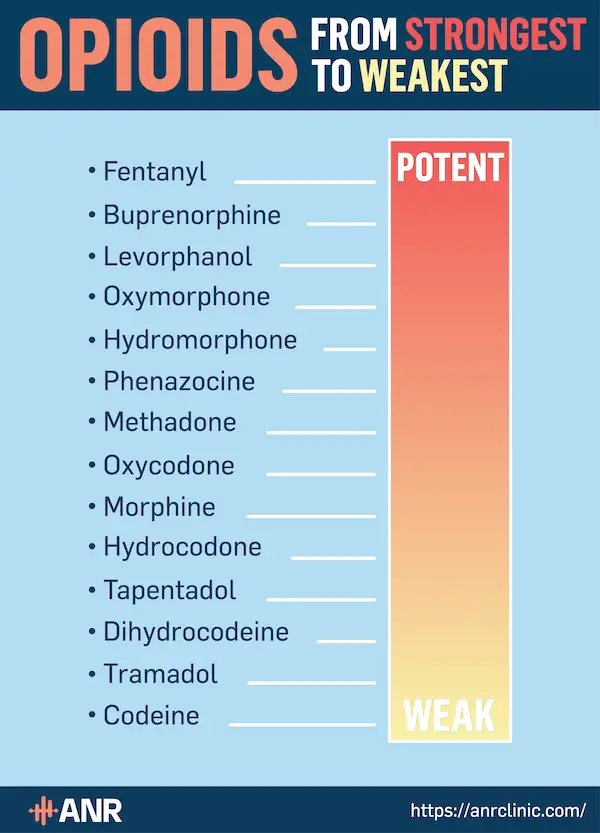
At its core, understanding “what drugs are considered opioids” necessitates a dive into their pharmacological definition and classification. Opioids are a class of drugs that interact with opioid receptors in the brain and body. These receptors, when activated by opioids, reduce the perception of pain. However, they also produce other effects, such as euphoria, sedation, and respiratory depression. This dual nature – their pain-relieving efficacy and their potential for harm – is central to their complex role.
Natural Opioids and Their Derivatives
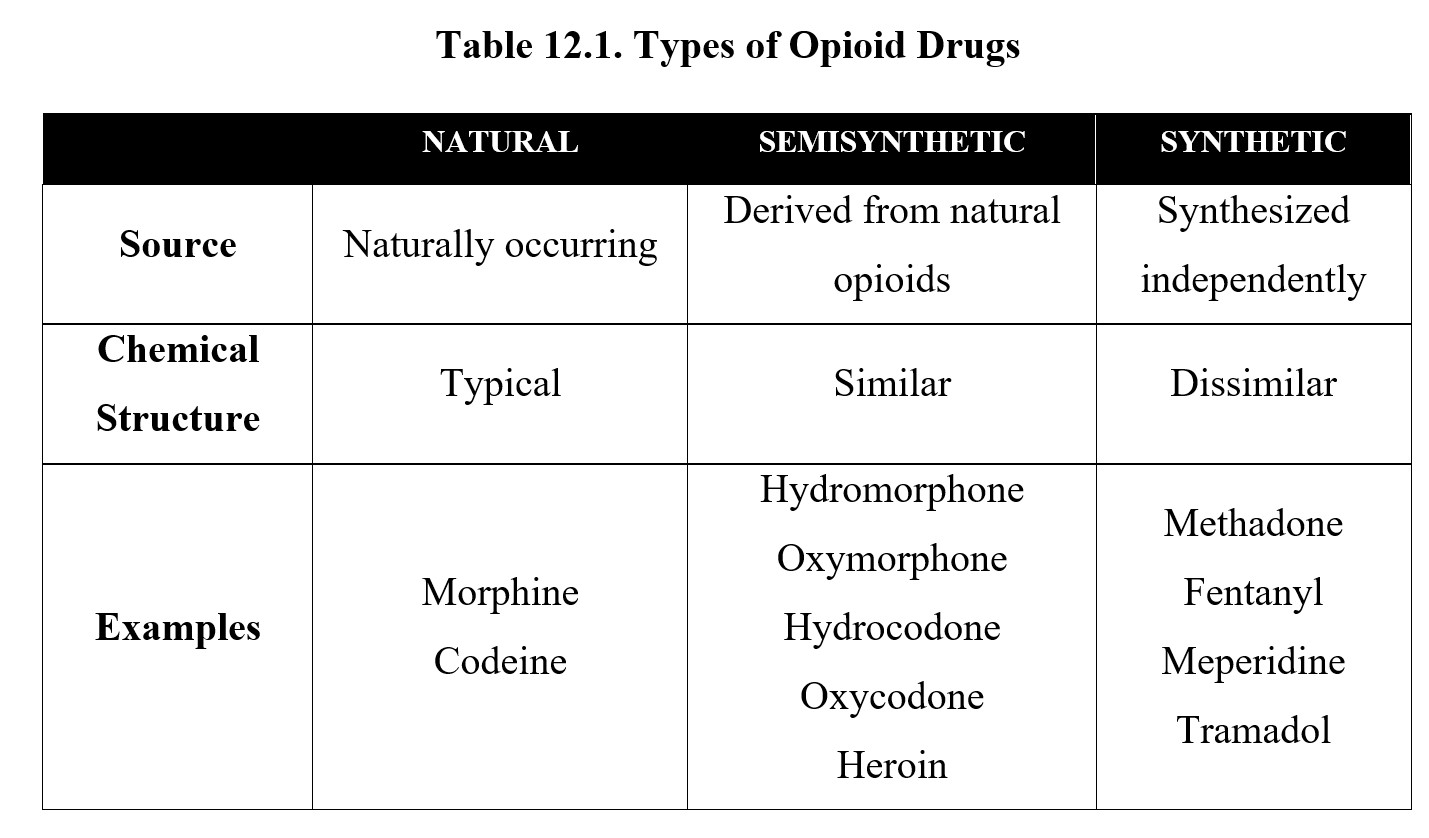
The origin of opioids lies in the opium poppy plant (Papaver somniferum). This ancient plant has been cultivated for millennia, its milky sap yielding opium, a potent substance containing several alkaloids.
Morphine: The Archetypal Opioid
Morphine, named after Morpheus, the Greek god of dreams, is the most abundant alkaloid found in opium. Isolated in the early 19th century, it became the benchmark for opioid pain relief. Its potent analgesic properties revolutionized the treatment of severe pain, particularly after surgery or during wartime. Morphine’s chemical structure and mechanism of action served as the foundation for developing other opioid medications.
Codeine: A Milder Analgesic
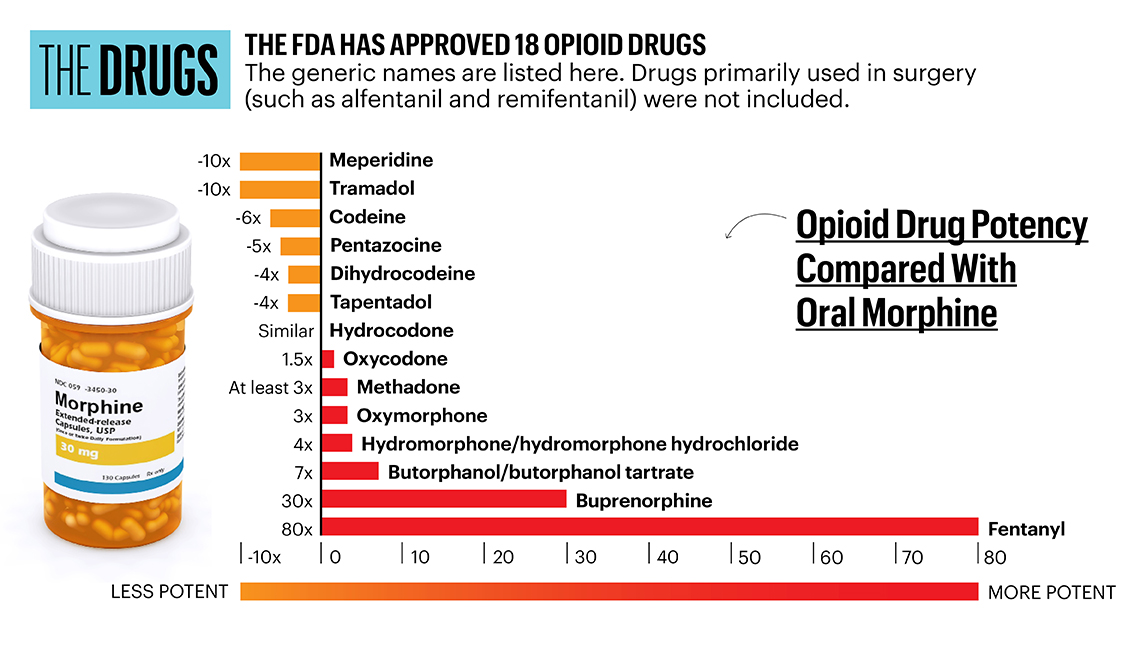
Codeine is another naturally occurring opioid derived from the opium poppy. It is generally considered less potent than morphine and is often used for moderate pain relief and as a cough suppressant. In the body, codeine is partially metabolized into morphine, which contributes to its analgesic effects.
Semi-Synthetic Opioids: Tailoring Potency and Duration
Semi-synthetic opioids are created by chemically altering natural opioids like morphine or codeine. This process allows for the modification of their pharmacological properties, such as increasing potency, altering the duration of action, or changing their route of administration.
Oxycodone: A Widely Prescribed Painkiller
Oxycodone is a semi-synthetic opioid synthesized from thebaine, another alkaloid found in the opium poppy. It is a powerful analgesic used to treat moderate to severe pain. Its widespread prescription has, unfortunately, contributed significantly to the opioid crisis due to its high potential for misuse and addiction.
Hydrocodone: Another Common Analgesic
Hydrocodone is another semi-synthetic opioid, often combined with non-opioid analgesics like acetaminophen to treat moderate pain. It is a closely related compound to codeine and morphine, sharing similar mechanisms of action and potential side effects.
Heroin: A Potent, Illicit Opioid
Heroin is a semi-synthetic opioid derived from morphine. It is significantly more potent and faster-acting than morphine, leading to a more intense euphoric effect. However, it also carries a much higher risk of addiction and overdose and is primarily an illicit drug, not used for medical purposes in most countries.
Synthetic Opioids: Engineered for Specific Applications
Synthetic opioids are entirely man-made compounds that mimic the effects of natural and semi-synthetic opioids by binding to opioid receptors. Their development has been driven by the need for pain management with potentially fewer side effects or different pharmacokinetic profiles.
Fentanyl: Extreme Potency, High Risk
Fentanyl is a synthetic opioid that is 50 to 100 times more potent than morphine. It is a powerful anesthetic and pain reliever used in surgical settings and for managing severe chronic pain, particularly cancer pain, often in the form of patches or lozenges. Due to its extreme potency, illicitly manufactured fentanyl has become a major driver of the current opioid overdose crisis, as it is often mixed with other drugs, unknowingly exposing users to a deadly substance.
Methadone: A Tool for Opioid Replacement Therapy
Methadone is a synthetic opioid that has been used for decades to treat chronic severe pain and, more significantly, as a key component of opioid replacement therapy (ORT) for individuals recovering from opioid addiction. Its long-acting nature helps to reduce cravings and withdrawal symptoms, allowing individuals to stabilize and focus on recovery.
Tramadol: A Novel Approach
Tramadol is a synthetic opioid with a dual mechanism of action. It binds to opioid receptors, but it also affects serotonin and norepinephrine levels, neurotransmitters involved in pain signaling. While often prescribed for moderate pain, it still carries a risk of dependence and misuse.
The “Brand” of Opioids: Perception, Marketing, and Public Trust
Beyond their chemical classification, opioids have a complex and often controversial “brand” associated with them. This brand is shaped by pharmaceutical marketing, historical perceptions of pain relief, media coverage, and public health campaigns.
Pharmaceutical Marketing and Physician Relationships
Historically, pharmaceutical companies have played a significant role in shaping the perception and use of opioid medications. Aggressive marketing campaigns targeted physicians, often downplaying the addictive potential of these drugs and emphasizing their efficacy in treating pain. This contributed to a significant increase in opioid prescriptions, laying the groundwork for the subsequent crisis. The “brand” of these medications was initially one of relief and hope for pain sufferers.
The Shifting Narrative: From Relief to Crisis
As the devastating consequences of widespread opioid prescription became evident – addiction, overdose deaths, and devastated communities – the public and medical narrative surrounding opioids underwent a dramatic shift. The “brand” evolved from one of trusted pain relief to one of danger and societal harm. News media played a crucial role in amplifying this narrative, showcasing the human toll of the opioid epidemic.
Public Health Campaigns and Brand Re-evaluation
In response to the crisis, governments and public health organizations launched extensive campaigns to educate the public and healthcare providers about the risks of opioids. These campaigns aimed to rebrand opioids as powerful medications that require extreme caution, emphasizing alternative pain management strategies and the importance of responsible prescribing. The focus shifted from the “drug” to the “risk.”
The Role of Technology in Brand Perception
Digital platforms and social media have become powerful tools for shaping public opinion on all matters, including pharmaceuticals. Online forums, patient advocacy groups, and news aggregation sites disseminate information (and misinformation) about opioids, influencing how these drugs are perceived. Companies now face scrutiny not only for their products but also for their entire corporate brand and their perceived responsibility in public health issues.
Opioids in the Financial Ecosystem: Economic Impacts and Emerging Technologies
The presence and impact of opioids extend deeply into the financial world, influencing healthcare spending, the pharmaceutical market, and even the development of cutting-edge technologies.
Economic Burdens of the Opioid Crisis
The opioid crisis has imposed enormous economic burdens on societies worldwide. These costs include:
- Healthcare Expenditures: Increased demand for addiction treatment, emergency room visits due to overdoses, and long-term care for individuals with opioid use disorder.
- Lost Productivity: Reduced workforce participation due to addiction, disability, and premature death.
- Criminal Justice Costs: Law enforcement, court proceedings, and incarceration related to drug offenses and the illicit opioid trade.
- Social Services: Increased demand for child welfare services, housing assistance, and other support systems for affected families and communities.
The sheer scale of these costs underscores the profound financial ramifications of opioid misuse.
The Pharmaceutical Industry and Investment
The pharmaceutical industry, including companies that develop and market opioid medications (and their alternatives), is a significant sector within global financial markets. Investment in this sector is influenced by regulatory environments, patent expirations, research and development pipelines, and public perception. Companies involved in pain management, addiction treatment, and the development of non-addictive analgesics are subject to intense scrutiny and investor interest.
The Rise of AI and Machine Learning in Drug Discovery and Treatment
The application of technology, particularly Artificial Intelligence (AI) and Machine Learning (ML), is transforming how we approach opioid-related challenges.
AI in Opioid Discovery and Development
AI is being leveraged to:
- Identify Novel Pain Relievers: ML algorithms can analyze vast datasets of molecular structures and biological interactions to predict compounds with potential analgesic properties that may have a lower risk of addiction. This could lead to the development of the next generation of pain medications, shifting the “brand” of pain relief away from current opioid concerns.
- Repurpose Existing Drugs: AI can help identify existing non-opioid medications that might be effective in managing certain types of pain, offering alternatives to opioid prescriptions.
- Predict Drug Efficacy and Side Effects: ML models can analyze patient data to predict how individuals might respond to different medications, personalizing treatment and potentially avoiding adverse outcomes.
AI in Addiction Treatment and Intervention
Beyond drug development, AI is also contributing to addiction treatment:
- Predictive Analytics for Relapse: AI can analyze patterns in patient behavior and physiological data to identify individuals at higher risk of relapse, allowing for timely intervention.
- Personalized Treatment Plans: ML can help tailor treatment plans for individuals with opioid use disorder based on their unique needs and risk factors.
- Chatbots and Digital Therapeutics: AI-powered chatbots can provide support, information, and coping strategies to individuals in recovery, extending the reach of treatment services.
The integration of AI and ML in this domain represents a significant technological advancement with the potential to reshape both the financial landscape of healthcare and the very nature of how we understand and manage opioid-related issues.
Conclusion
The question “what drugs are considered opioids” is far more than a simple pharmacological inquiry. It delves into the intricate interplay of scientific classification, the powerful influence of brand perception shaped by marketing and public discourse, and the profound economic and technological forces that surround these potent substances. From the natural compounds derived from a poppy plant to the sophisticated AI algorithms now being developed to combat their misuse, opioids occupy a multifaceted space. Understanding this complexity is crucial for navigating the challenges and opportunities they present in the realms of technology, brand strategy, and financial markets. The evolution of opioids, from revolutionary pain relievers to a public health crisis and now a focus for technological innovation, highlights the dynamic nature of both medicine and the industries that surround it.
aViewFromTheCave is a participant in the Amazon Services LLC Associates Program, an affiliate advertising program designed to provide a means for sites to earn advertising fees by advertising and linking to Amazon.com. Amazon, the Amazon logo, AmazonSupply, and the AmazonSupply logo are trademarks of Amazon.com, Inc. or its affiliates. As an Amazon Associate we earn affiliate commissions from qualifying purchases.