
The word “plague” conjures immediate, chilling images: darkened villages, shadowed figures in beaked masks, and the visceral horror of bubonic swellings. For centuries, the Black Death has defined our understanding of this devastating disease. But what does the plague truly look like, not just in its historical context, but through the lens of our modern, interconnected world? When we speak of “plague” today, are we referring solely to a biological threat, or are there emergent, digital contagions that spread with equal, if not greater, velocity and destructive potential? This exploration delves into the multifaceted nature of “plague,” examining how its manifestations have evolved, from ancient microbial enemies to the insidious threats lurking within our technological ecosystems, and how our understanding of them intersects with the realms of technology, branding, and finance.
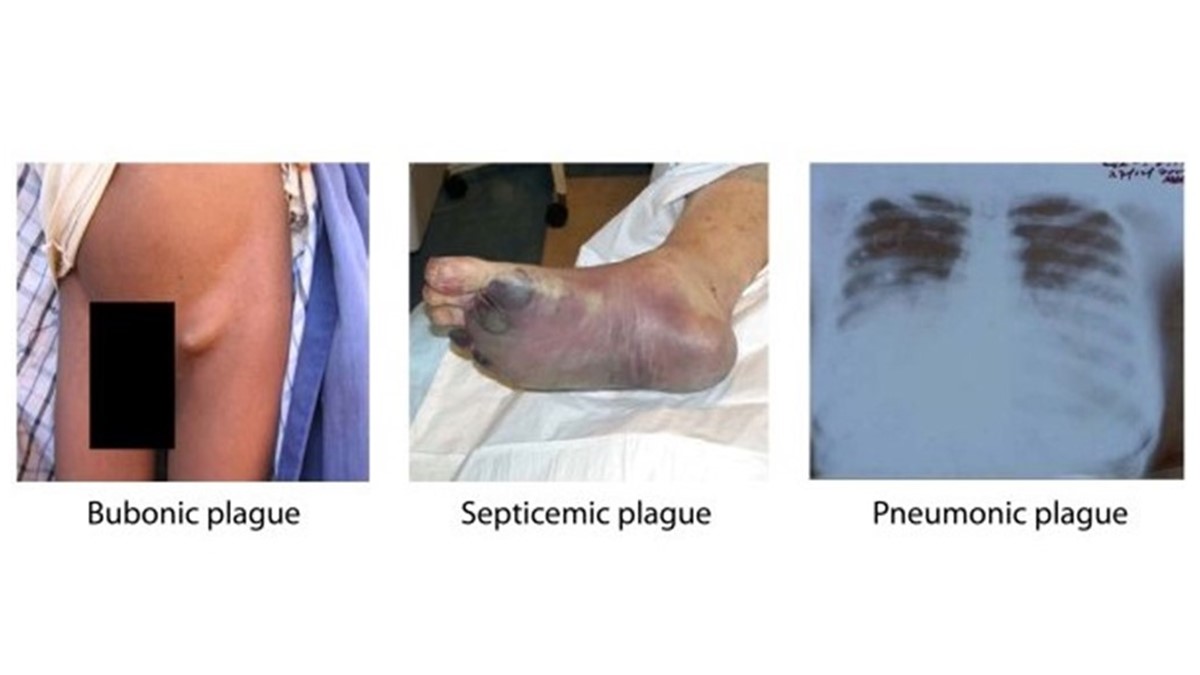
The Evolving Face of Biological Plague: From Past Pandemics to Present Preparedness
While the specter of the Black Death looms large, biological plague, primarily caused by the bacterium Yersinia pestis, has not vanished. Understanding its current manifestations is crucial for appreciating the continued threat it poses, and how our technological advancements are shaping our response.
From Medieval Scourge to Modern Medical Marvels
The iconic image of the plague doctor, with their avian-like masks filled with aromatic herbs, represents a desperate, pre-scientific attempt to ward off an invisible enemy. Their tools were rudimentary: leeches, poultices, and a fervent belief in miasma – foul air. Today, our understanding of Yersinia pestis is vastly different. We know its transmission vectors (fleas on rodents), its biological mechanisms, and, crucially, we have effective antibiotics.
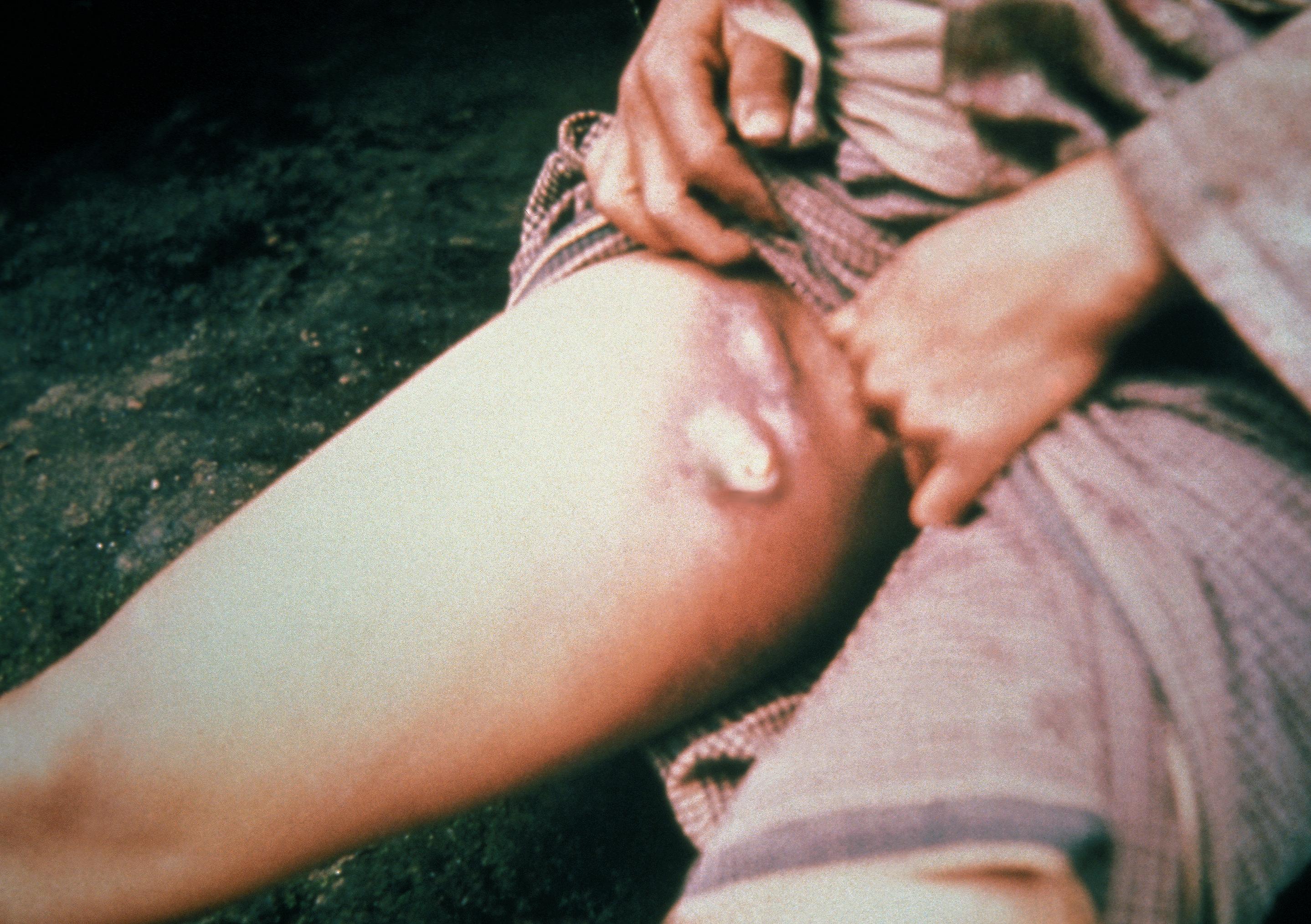
However, this doesn’t mean plague has been eradicated. It persists in enzootic cycles in rodent populations worldwide, with sporadic human outbreaks still occurring. These outbreaks, while far from the catastrophic scale of medieval pandemics, offer a glimpse into the disease’s persistent nature. The signs of bubonic plague are distinct: painful, swollen lymph nodes (buboes), fever, chills, and extreme weakness. Pneumonic plague, a more virulent form affecting the lungs, can spread from person to person through airborne droplets and is far more dangerous. Septicemic plague, which infects the bloodstream, can be rapidly fatal.
Our modern surveillance systems, sophisticated diagnostic tools (like PCR tests), and rapid deployment of antibiotics are our frontline defenses. The look of plague today, in a medical sense, is often an early recognition of specific symptoms in an affected individual or community, followed by swift isolation and treatment. It’s the sterile environment of a hospital ward, the rapid analysis of blood samples, and the administration of life-saving medication, rather than the widespread panic and grim mortality of the past.
The Role of Technology in Combating Biological Plague
The fight against biological plague has been profoundly shaped by technology. From historical advancements to cutting-edge innovations, technology has become indispensable in understanding, tracking, and combating these outbreaks.
- Surveillance and Early Warning Systems: The development of global health surveillance networks, powered by digital communication and data analytics, allows for the early detection of potential outbreaks. These systems monitor unusual disease patterns in both human and animal populations, flagging potential threats before they escalate. This technology allows us to “see” the plague’s incipient signs on a global scale, much like an advanced radar system detecting an approaching storm.
- Diagnostic Innovations: Rapid diagnostic tests, utilizing technologies like lateral flow assays and PCR, enable quick identification of Yersinia pestis in infected individuals. This speed is critical for initiating treatment and preventing further spread. The look of diagnosis has transformed from laborious laboratory cultures to portable devices yielding results within minutes.
- Genomic Sequencing and Epidemiology: The ability to rapidly sequence the genome of pathogens like Yersinia pestis provides invaluable insights into its origins, transmission pathways, and potential for antibiotic resistance. This “digital DNA fingerprinting” allows epidemiologists to track the plague’s spread with unprecedented precision, revealing its intricate patterns of movement and evolution.
- Public Health Communication: Digital platforms and social media have become crucial tools for disseminating accurate information about plague risks, preventative measures, and outbreak locations. This rapid, widespread communication, when used responsibly, can counter misinformation and foster public cooperation, shaping the collective “look” of a community’s response to a biological threat.
Digital Plagues: The Unseen Contagions of the 21st Century
As our lives increasingly migrate online, new forms of “plague” have emerged – digital contagions that spread with frightening speed and can cripple individuals, businesses, and even national infrastructures. These are not diseases of the flesh, but of data, code, and trust.
The Anatomy of a Cyber Attack: Viruses, Worms, and Ransomware
The lexicon of digital plagues is as varied as its biological counterpart. Viruses, worms, trojans, and ransomware are the digital pathogens that infect our systems.
- Viruses and Worms: Like their biological counterparts, viruses attach themselves to legitimate programs and spread when those programs are executed. Worms, on the other hand, are self-replicating and can spread independently across networks. The “look” of these infections is often subtle initially: sluggish performance, unexpected pop-ups, or corrupted files. However, their impact can be devastating, leading to data loss, system crashes, and widespread disruption.
- Ransomware: This particularly insidious form of malware encrypts a victim’s data, holding it hostage until a ransom is paid. The “look” of ransomware is a stark, often threatening message on a user’s screen, demanding payment, often in cryptocurrency. The impact is immediate and often crippling, halting business operations and causing immense financial and emotional distress. The plague of ransomware transforms digital assets from tools of productivity into objects of extortion.
- Phishing and Social Engineering: Beyond malicious code, digital plagues often exploit human psychology. Phishing attacks, disguised as legitimate communications from banks, service providers, or even colleagues, aim to trick individuals into divulging sensitive information. The “look” of a phishing attack is a carefully crafted email or message designed to evoke urgency, fear, or greed. The success of these attacks relies on our susceptibility to manipulation, making our minds the fertile ground for infection.
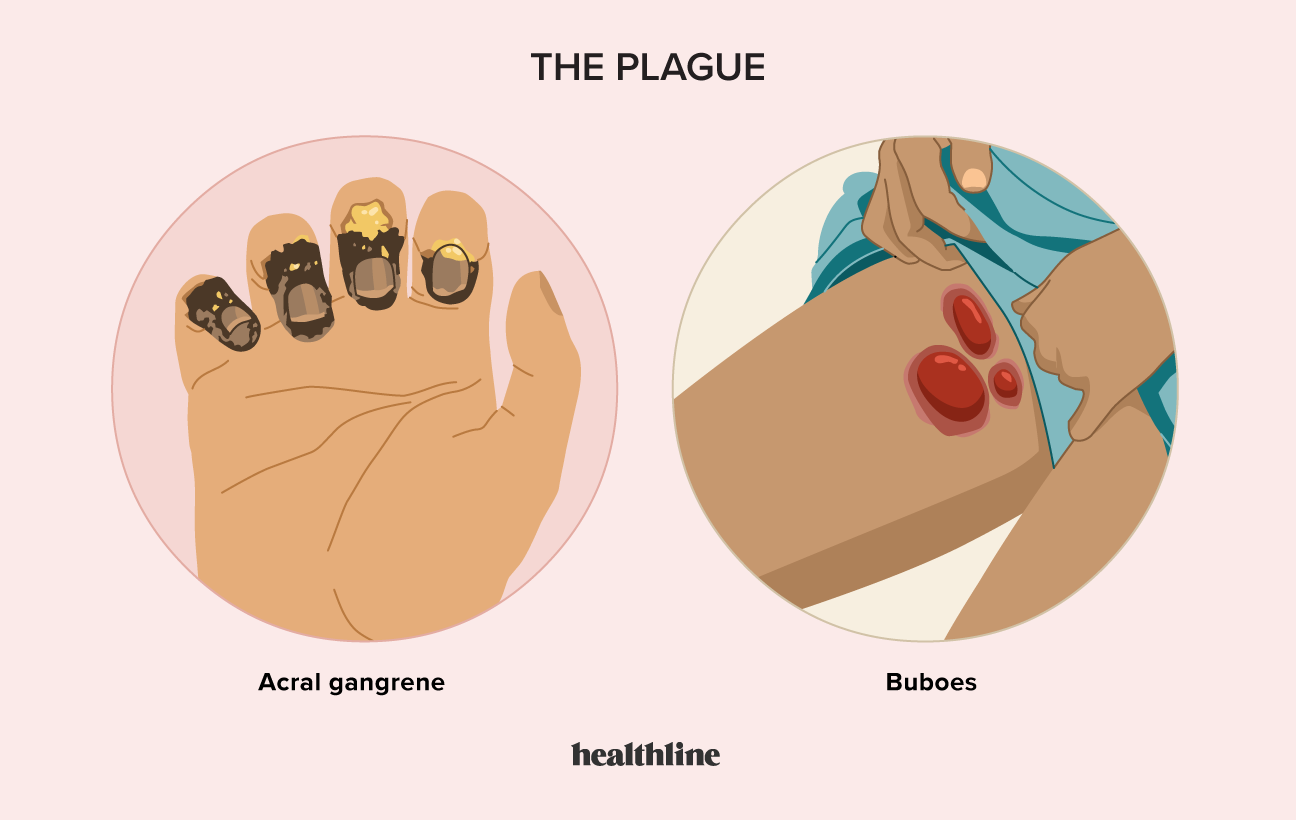
The Economic and Social Fallout of Digital Plagues
The impact of digital plagues extends far beyond compromised individual devices. They can have profound economic and social consequences, mirroring the societal disruption caused by historical pandemics.
- Financial Devastation: Ransomware attacks can cost businesses millions in lost revenue, recovery efforts, and ransom payments. Data breaches can lead to identity theft and financial ruin for individuals. The “look” of this financial plague is the vanishing of funds from bank accounts, the spiraling costs of cybersecurity remediation, and the erosion of consumer trust in digital transactions.
- Disruption of Essential Services: Cyberattacks targeting critical infrastructure – power grids, healthcare systems, transportation networks – can have life-threatening consequences. Imagine a hospital’s systems rendered inoperable by ransomware, or a city’s power supply cut off by a sophisticated hack. The “look” of this plague is darkness, silence, and the inability to access essential services, creating a tangible sense of vulnerability.
- Erosion of Trust and Reputation: In the digital realm, trust is currency. Repeated data breaches or successful cyberattacks can severely damage a brand’s reputation, leading to customer attrition and loss of market share. For individuals, a compromised digital identity can lead to social ostracization and difficulty in navigating the online world. The “look” of this plague is the hesitant click, the suspicion of every online interaction, and the growing chasm of distrust.
Navigating the Digital Battlefield: Tech, Brand, and Money in the Age of Plagues
The fight against both biological and digital plagues requires a sophisticated, multi-pronged approach that integrates technology, strategic branding, and sound financial management.
The Technological Arsenal: Defending the Digital Frontier
Technology is not just the vector for digital plagues; it is also our primary weapon.
- Advanced Cybersecurity Solutions: From robust firewalls and intrusion detection systems to endpoint protection and behavioral analysis, cybersecurity technologies are constantly evolving to detect and neutralize emerging threats. The “look” of effective cybersecurity is often invisible – the seamless operation of secure systems. However, when threats are detected, it’s the swift response of security teams, the quarantining of infected files, and the patching of vulnerabilities.
- Artificial Intelligence and Machine Learning: AI and ML are becoming increasingly vital in identifying anomalies and predicting potential attacks before they occur. By analyzing vast amounts of data, these tools can detect subtle patterns indicative of malicious activity, providing an early warning system against emerging digital contagions. The “look” of AI in cybersecurity is often represented by complex dashboards and automated alerts, a digital guardian constantly scanning for threats.
- Blockchain and Decentralization: Technologies like blockchain offer new paradigms for data security and integrity. Decentralized systems, by their nature, are more resilient to single points of failure, making them less susceptible to widespread digital plagues. The “look” of blockchain security is a distributed ledger, transparent and immutable, where data is verified by a network rather than controlled by a central authority.
Branding as a Shield: Building Trust and Resilience
In an era rife with digital threats, a strong brand is more than just a logo; it’s a beacon of trust and reliability.
- Transparent Communication: When a crisis, whether biological or digital, strikes, a brand’s ability to communicate transparently and empathetically can make all the difference. Proactive updates, honest explanations of vulnerabilities, and clear guidance on mitigation steps build confidence. The “look” of a trusted brand during a plague is clear, consistent messaging across all platforms, reassuring stakeholders that they are being informed and cared for.
- Demonstrating Security Prowess: For businesses, showcasing their commitment to cybersecurity becomes a key aspect of their brand identity. Case studies of successful breach prevention, certifications, and a visible dedication to data protection can instill confidence in customers and partners. The “look” of a secure brand is the absence of public incidents, the quiet efficiency of robust systems, and the explicit trust users place in their services.
- Personal Branding in the Digital Age: For individuals, a strong personal brand built on integrity, professionalism, and responsible online behavior can act as a shield against social engineering and identity theft. Consistently sharing valuable content and maintaining a positive online reputation makes individuals less susceptible to deceptive tactics. The “look” of a strong personal brand is a curated online presence that reflects credibility and trustworthiness.
Financial Fortitude: Preparing for the Unforeseen
The economic impact of both biological and digital plagues necessitates a proactive approach to financial management.
- Diversification of Income Streams: For individuals, relying on a single source of income can be precarious. Developing side hustles, investing strategically, and building multiple revenue streams can create financial resilience against economic downturns caused by pandemics or widespread cyber disruptions. The “look” of financial fortitude is a diversified portfolio, multiple active income sources, and a healthy emergency fund.
- Business Continuity Planning and Financial Reserves: Businesses must invest in robust business continuity plans that account for various disaster scenarios, including cyberattacks and public health emergencies. Maintaining adequate financial reserves is crucial to weather periods of operational disruption and invest in necessary recovery and security measures. The “look” of a financially resilient business is a well-defined disaster recovery strategy, readily accessible emergency funds, and agile operational structures.
- Understanding and Mitigating Financial Risks: For both individuals and businesses, a clear understanding of financial risks associated with technological vulnerabilities and global health events is paramount. This includes investing in cybersecurity insurance, staying informed about emerging threats, and adopting secure financial practices. The “look” of financial prudence is informed decision-making, risk mitigation strategies, and a forward-thinking approach to financial planning.
Conclusion: The Perpetual Evolution of “Plague”
The question “what does the plague look like” has transformed from a question about a specific disease to a broader inquiry into the nature of widespread disruption and contagion. From the microscopic world of Yersinia pestis to the vast interconnectedness of our digital lives, “plague” in its various forms continues to challenge humanity.
Our ability to combat these threats hinges on our capacity to adapt, innovate, and integrate knowledge across disciplines. By leveraging cutting-edge technology, building resilient brands rooted in trust, and cultivating sound financial practices, we can not only survive but thrive in an era where the manifestations of “plague” are constantly evolving. The modern fight against contagion is a complex dance between biological resilience and digital vigilance, a testament to humanity’s enduring drive to overcome adversity, armed with knowledge, foresight, and the tools of the 21st century.
aViewFromTheCave is a participant in the Amazon Services LLC Associates Program, an affiliate advertising program designed to provide a means for sites to earn advertising fees by advertising and linking to Amazon.com. Amazon, the Amazon logo, AmazonSupply, and the AmazonSupply logo are trademarks of Amazon.com, Inc. or its affiliates. As an Amazon Associate we earn affiliate commissions from qualifying purchases.