
The seemingly simple question, “What does the lower number on blood pressure mean?” often leads to a deeper understanding of our cardiovascular health. In a world increasingly shaped by technology, brand consciousness, and the relentless pursuit of financial well-being, our physical health remains the bedrock upon which all other successes are built. Understanding our blood pressure, particularly the often-overlooked lower number, is a crucial step in maintaining that foundation. This article will delve into the meaning of the lower blood pressure reading, its significance, and how we can leverage the principles of technology, brand building, and financial smarts to foster a healthier heart.
Blood pressure is typically represented by two numbers: the systolic pressure (the higher number) and the diastolic pressure (the lower number). When we talk about blood pressure readings, like 120/80 mmHg, the 120 represents the systolic pressure, and the 80 represents the diastolic pressure.
Understanding the Mechanics: What is Diastolic Pressure?
At its core, blood pressure is the force of blood pushing against the walls of your arteries. This force fluctuates with each heartbeat.
Systolic Pressure: The Peak of the Push
The higher number, systolic pressure, measures the force of your blood when your heart beats or contracts. This is when your heart pumps blood out into the arteries, and the pressure inside them is at its highest. Think of it as the pressure generated during the forceful expulsion of blood.
Diastolic Pressure: The Resting Resilience
The lower number, diastolic pressure, measures the force of your blood when your heart is at rest between beats. During this period, your heart refills with blood in preparation for the next contraction. Diastolic pressure represents the residual pressure in your arteries during this resting phase. It’s a measure of how much pressure remains in the arteries when the heart is not actively pumping.
Why is Diastolic Pressure Important?
While systolic pressure often gets more attention as it reflects the direct impact of each heartbeat, diastolic pressure is equally, if not more, critical for long-term cardiovascular health. It provides insight into the constant tension within your arteries.
- Arterial Elasticity: Healthy arteries are elastic, meaning they can expand and contract to accommodate blood flow. Diastolic pressure reflects the resistance your arteries offer to blood flow when the heart is relaxed. If diastolic pressure is consistently high, it can indicate that your arteries are stiff and have lost some of their elasticity, forcing the heart to work harder even at rest.
- Organ Perfusion: Adequate diastolic pressure is essential for ensuring proper blood flow to your organs, including your brain, kidneys, and heart itself, during the resting phase between heartbeats. If diastolic pressure is too low, organs may not receive enough oxygenated blood. Conversely, consistently high diastolic pressure can put excessive strain on these vital organs over time.
- Indicator of Underlying Conditions: Elevated diastolic pressure can be an early warning sign of various cardiovascular issues, including hypertension, atherosclerosis (hardening of the arteries), and kidney disease.
Navigating Blood Pressure: From Diagnosis to Digital Health
Understanding your blood pressure numbers is the first step. The next is knowing what they mean in terms of health. In our tech-driven era, managing health information has become more accessible and data-rich than ever before.
The Spectrum of Blood Pressure Readings
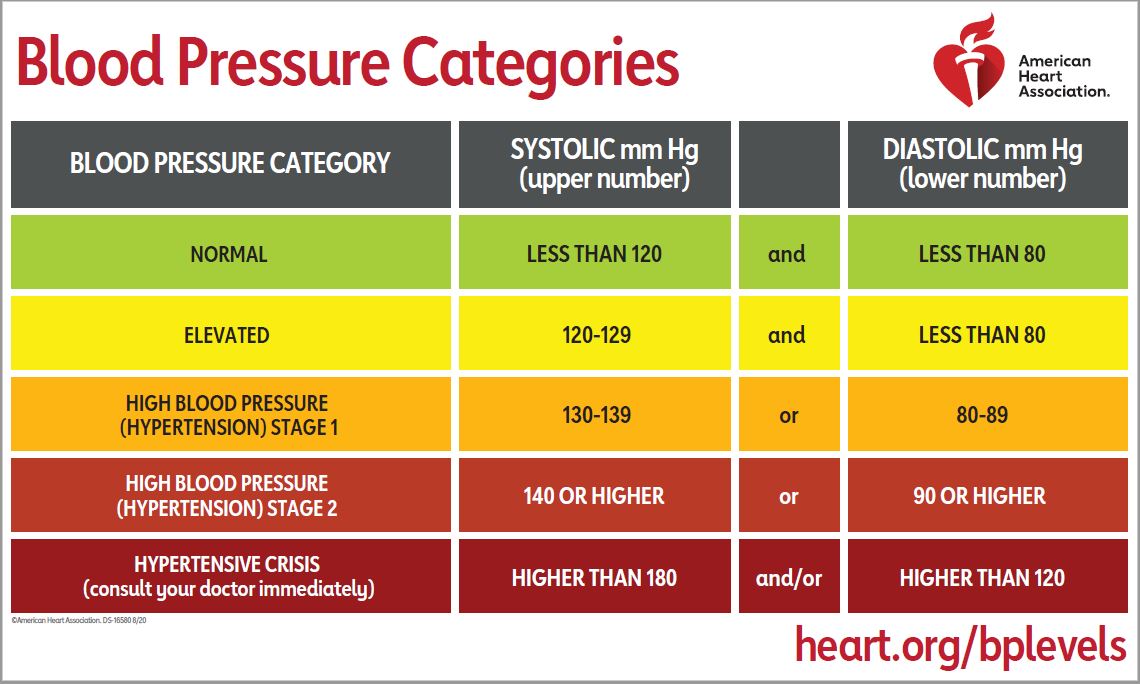
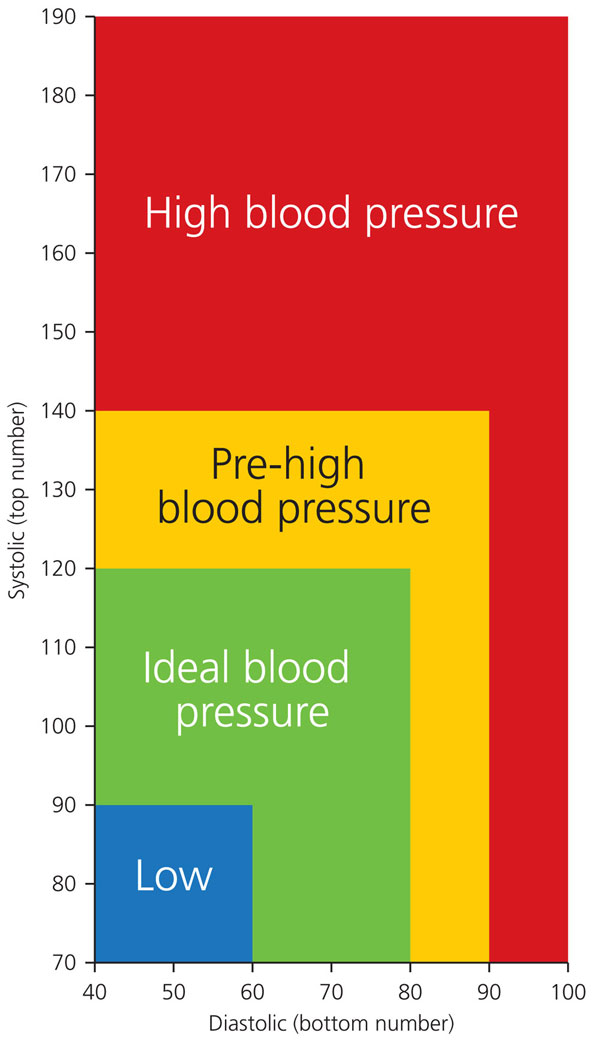
Blood pressure is categorized into different ranges, helping healthcare professionals diagnose and manage conditions. While specific guidelines can vary slightly between organizations, the general categories are:
- Normal Blood Pressure: Typically considered to be below 120/80 mmHg. This indicates a healthy pressure.
- Elevated Blood Pressure: Systolic between 120-129 mmHg and diastolic below 80 mmHg. This is a warning sign that you’re at risk of developing high blood pressure.
- Hypertension Stage 1: Systolic between 130-139 mmHg or diastolic between 80-89 mmHg.
- Hypertension Stage 2: Systolic 140 mmHg or higher, or diastolic 90 mmHg or higher.
- Hypertensive Crisis: Systolic higher than 180 mmHg and/or diastolic higher than 120 mmHg. This requires immediate medical attention.
Focusing on the Lower Number:
While the focus is often on systolic pressure for diagnosing hypertension, elevated diastolic pressure (80 mmHg or higher) is a significant concern. It suggests that your arteries are not relaxing properly between heartbeats, leading to increased strain on your cardiovascular system.
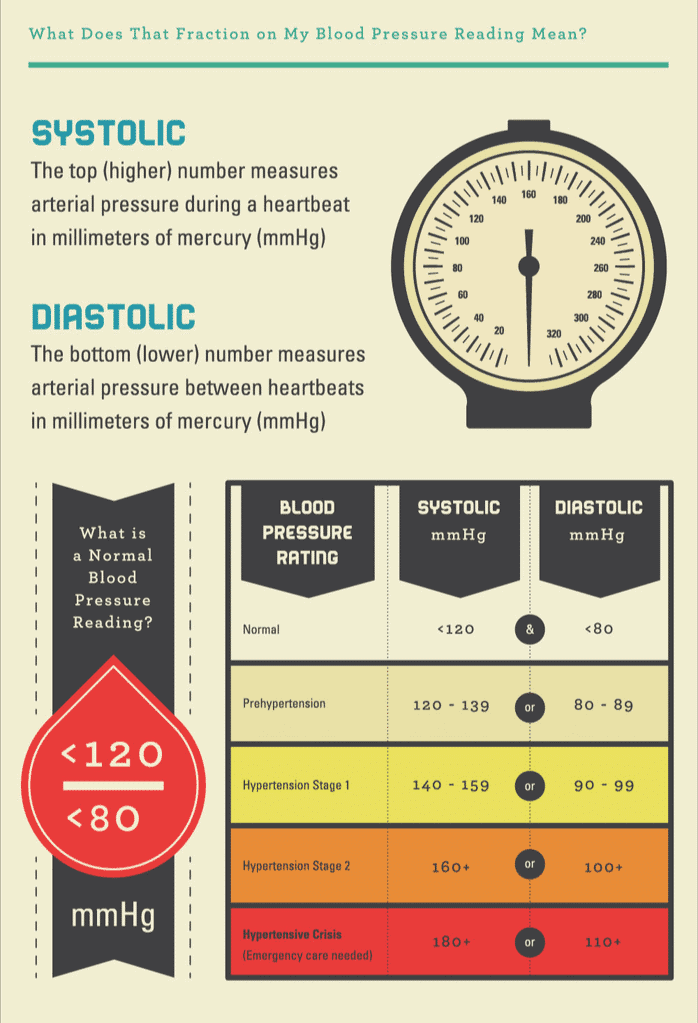
- Isolated Diastolic Hypertension: This occurs when only the diastolic number is consistently high. It can be a precursor to full-blown hypertension and is associated with increased risk of heart attack, stroke, and kidney disease.
- The Dangers of Low Diastolic Pressure (Hypotension): While high diastolic pressure is more common, very low diastolic pressure can also be problematic. It might indicate insufficient blood flow to vital organs, potentially causing dizziness, lightheadedness, and in severe cases, fainting or shock.
Leveraging Technology for Health Monitoring
The digital revolution has profoundly impacted how we track and manage our health. Gone are the days of solely relying on infrequent doctor’s visits for vital sign checks.
- Smart Blood Pressure Monitors: A plethora of smart blood pressure cuffs connect wirelessly to smartphones and tablets. These devices offer:
- Accurate Readings: Many are FDA-approved and provide reliable measurements.
- Data Logging and Tracking: Automatically record readings, creating historical data that can be easily shared with healthcare providers.
- Trend Analysis: Apps often visualize your blood pressure trends over time, highlighting patterns and fluctuations. This data is invaluable for understanding how lifestyle changes or medications are impacting your readings.
- Reminders and Alerts: Set reminders to take your blood pressure and receive alerts for readings outside your target range.
- Wearable Health Trackers: While not always as precise for blood pressure as dedicated cuffs, some advanced wearables are beginning to incorporate blood pressure monitoring features. These can provide continuous, albeit less clinical, insights into your cardiovascular health throughout the day.
- Telemedicine and Remote Monitoring: Technology enables remote patient monitoring, allowing your doctor to track your blood pressure from the comfort of your home. This is particularly beneficial for individuals with chronic conditions or those living in remote areas.
- AI-Powered Health Apps: Artificial intelligence is increasingly being used to analyze health data, predict risks, and offer personalized health recommendations. These apps can help interpret your blood pressure readings in the context of your overall health profile and suggest actionable steps.
Building a “Brand” of Health: Personal Branding for Well-being
The principles of branding, often applied to products and businesses, are remarkably relevant to our personal health journeys. Just as a strong brand resonates with its audience, cultivating a personal health “brand” can empower us to make conscious, consistent choices that benefit our well-being.
Crafting Your Health Narrative
- Define Your Health Goals: What does a healthy life look like for you? Is it about managing blood pressure, increasing energy levels, or improving athletic performance? Clearly defining these goals provides direction.
- Identify Your Target Audience (Yourself and Healthcare Providers): Your primary audience is yourself – you need to be convinced and motivated. Your secondary audience includes your doctor, who needs accurate data and your commitment to treatment plans.
- Develop Your Unique Value Proposition: What makes your commitment to health special? Perhaps it’s your dedication to a specific diet, your disciplined exercise routine, or your proactive approach to understanding your body.
- Consistency is Key: A strong brand is built on consistent messaging and actions. Similarly, consistent healthy habits are crucial for long-term health outcomes. This applies directly to managing blood pressure – regular monitoring, adherence to medication, and sustained lifestyle changes.
The Marketing of Healthy Habits
- Visual Identity (Your Body as a Canvas): While not literal branding, how we present ourselves can be linked to our health. Feeling good, having energy, and maintaining a healthy weight contribute to a positive self-image.
- Storytelling (Sharing Your Journey): Sharing your health journey (appropriately and with privacy in mind) can inspire others and reinforce your own commitment. This could involve sharing healthy recipes, workout successes, or how you’ve managed a health condition.
- Reputation Management (Trustworthy Health Practices): Building a reputation for being health-conscious means making reliable choices. This involves being discerning about health information you consume and trust, and adhering to medical advice.
The Financial Health of Your Heart: Investing in Your Well-being
The connection between financial health and physical health is undeniable. Investing in your well-being is not just about preventing illness; it’s about ensuring you have the resources and energy to enjoy the fruits of your financial labor.
The Cost of Poor Health
High blood pressure, if left unmanaged, can lead to a cascade of expensive health problems:
- Medication Costs: Long-term prescriptions for blood pressure medication can add up.
- Hospitalizations and Procedures: Heart attacks, strokes, kidney failure, and other complications of uncontrolled hypertension often require extensive and costly medical interventions.
- Lost Income: Serious health issues can lead to extended periods away from work, resulting in significant loss of income and career setbacks.
- Reduced Quality of Life: Chronic illness can diminish your ability to participate in activities you enjoy, impacting your overall happiness and financial independence.
Smart Financial Strategies for a Healthy Heart
- Health Insurance: This is your primary financial safety net. Understanding your policy, ensuring adequate coverage for cardiovascular care, and utilizing preventative services can save you significant out-of-pocket expenses.
- Budgeting for Health: Allocate specific funds in your budget for healthy foods, gym memberships, fitness classes, or home exercise equipment. Treat these as essential investments, not discretionary spending.
- Preventative Care as an Investment: Regular check-ups, blood pressure monitoring, and early intervention for any concerning readings are far more cost-effective than treating advanced disease. Think of these as investments in preventing larger financial burdens down the line.
- Side Hustles and Extra Income for Health: If financial stress is a factor contributing to health issues, consider how a side hustle could provide additional income and reduce that pressure. This could free up mental space and resources for prioritizing your health.
- Financial Tools for Health Management:
- Health Savings Accounts (HSAs) and Flexible Spending Accounts (FSAs): These tax-advantaged accounts can be used to pay for qualified medical expenses, including deductibles, copayments, and prescription drugs.
- Budgeting Apps: Utilize apps to track your spending on health-related items and identify areas where you can allocate more resources to well-being.
Conclusion: A Holistic Approach to Understanding Your Blood Pressure
The lower number on your blood pressure reading, the diastolic pressure, is a critical indicator of your cardiovascular health. It reflects the constant tension in your arteries and the efficiency of your heart during its resting phase. In today’s interconnected world, understanding this number is more accessible than ever, thanks to technological advancements in health monitoring.
By embracing a holistic approach that integrates the principles of technology for accurate tracking, building a strong personal brand of health through consistent habits, and making smart financial decisions that prioritize well-being, we can effectively manage our blood pressure and foster a healthier, more vibrant life. Remember, your health is your most valuable asset, and investing in it yields returns far beyond any financial statement.
aViewFromTheCave is a participant in the Amazon Services LLC Associates Program, an affiliate advertising program designed to provide a means for sites to earn advertising fees by advertising and linking to Amazon.com. Amazon, the Amazon logo, AmazonSupply, and the AmazonSupply logo are trademarks of Amazon.com, Inc. or its affiliates. As an Amazon Associate we earn affiliate commissions from qualifying purchases.