
The term “codependency” often evokes images of emotional entanglement and relationship struggles. While fundamentally a psychological concept describing an unhealthy pattern of relating, its ramifications extend far beyond just emotional well-being, profoundly impacting an individual’s financial health and stability. In the context of money, codependency manifests as an imbalanced dynamic where one person’s financial well-being or decision-making becomes excessively reliant on, or intertwined with, another’s. This article delves into the meaning of codependency through a financial lens, exploring its core concepts, identifying its tell-tale signs, examining its presence in both personal and business finance, outlining its significant costs, and providing actionable strategies for fostering true financial independence. Understanding financial codependency is not merely an academic exercise; it’s a critical step toward securing one’s monetary future and cultivating healthier, more balanced relationships.

The Core Concepts of Financial Codependency
To truly grasp financial codependency, it’s essential to first distinguish it from healthy financial collaboration and then explore the various ways it can subtly or overtly surface in our monetary lives. It’s a nuanced issue, often camouflaged by good intentions or societal expectations.
Defining Financial Codependency
At its heart, financial codependency describes a relationship dynamic where one individual’s financial security, decision-making, or even identity is unhealthily tied to another person. This often involves an enabler and a reliant individual, though roles can sometimes blur or shift. The enabler typically derives a sense of purpose, self-worth, or control from financially supporting, rescuing, or managing another person’s money, often to their own detriment. Conversely, the reliant individual comes to expect or demand financial support without taking responsibility for their own fiscal choices or consequences. This pattern frequently includes sacrificing one’s own financial goals, neglecting personal savings, or incurring debt to bail out or perpetually support another individual, whether a partner, family member, or even a friend. It’s not about occasional help; it’s a chronic, often systemic pattern that erodes boundaries and fosters an unhealthy reliance.
Distinguishing from Healthy Interdependence
It’s crucial to differentiate financial codependency from healthy financial interdependence. In healthy relationships, partners or family members often pool resources, share expenses, and provide mutual support during challenging times. There’s a balance of giving and receiving, clear communication, and respect for individual financial autonomy. For instance, a couple saving for a shared goal like a house down payment or one partner temporarily supporting the other during a job loss reflects healthy interdependence. Both parties contribute, compromise, and maintain a sense of individual financial responsibility and identity. Financial codependency, however, tips this balance into an unhealthy extreme. It’s characterized by an asymmetry of effort and responsibility, a blurring of financial boundaries, and a dynamic where one person’s financial well-being is consistently compromised to sustain another, often perpetuating destructive financial habits rather than solving them.
Common Manifestations
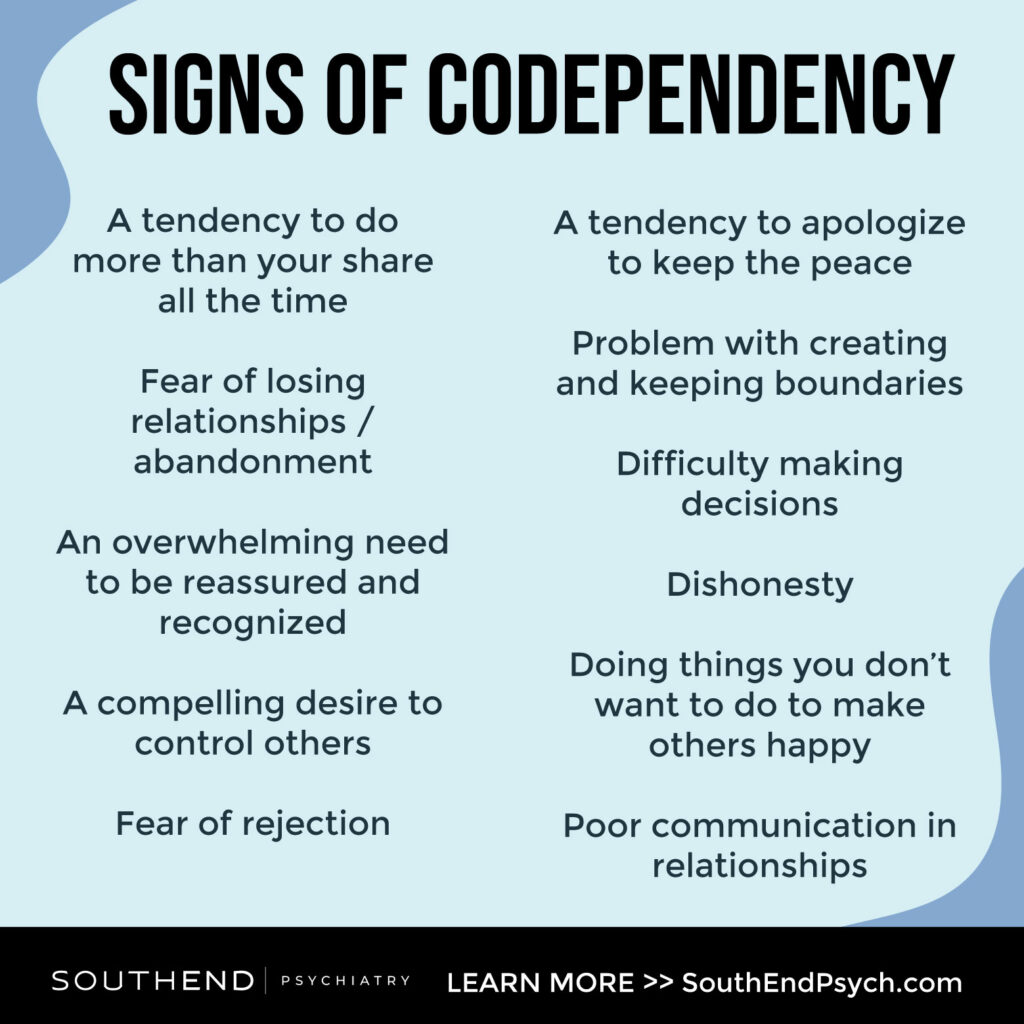
Financial codependency can manifest in numerous ways, often insidiously creeping into relationships. Common scenarios include: always being the one to “pick up the tab” for a partner or friend, even when it causes personal strain; consistently bailing out a financially irresponsible family member from debt or legal trouble; neglecting one’s own retirement savings or emergency fund to cover another person’s lavish spending or poor financial choices; or using money as a tool for control, where one person dictates all financial decisions and restricts the other’s access to funds. It can also appear as an inability to say “no” to financial requests, driven by guilt, a desire to be needed, or a fear of rejection. These patterns are not isolated incidents but rather recurring behaviors that contribute to a cycle of dependence and resentment, undermining the financial health of both parties involved.
Recognizing the Red Flags in Personal Finance
Identifying financial codependency in one’s own life or relationships requires introspection and an honest assessment of financial behaviors. Several key indicators can signal that healthy financial support has crossed into detrimental codependent patterns.
Sacrificing Personal Financial Goals
One of the most telling signs of financial codependency is the consistent sacrifice of personal financial goals for the sake of another. This might involve postponing or outright abandoning significant milestones such as saving for retirement, a down payment on a home, funding one’s own education, or paying down personal debt. Instead, available funds are repeatedly diverted to support another person’s lifestyle, debts, or emergencies. For example, a parent might deplete their retirement savings to bail out an adult child repeatedly, or a partner might forgo a crucial investment opportunity to cover their spouse’s discretionary spending. This pattern not only stalls personal wealth accumulation but can also lead to long-term financial insecurity, as the individual continually prioritizes another’s immediate needs over their own future.
Enabling Destructive Financial Behaviors
Financial codependency often involves enabling, a behavior where one person inadvertently supports another’s irresponsible or destructive financial habits. This happens when the enabler consistently shields the dependent individual from the natural consequences of their poor financial decisions. Examples include routinely paying off a partner’s credit card debt, lending money that is never repaid without setting clear terms, or covering for an adult child’s inability to hold a job or manage their income. By consistently stepping in, the enabler removes the incentive for the dependent individual to learn financial responsibility, manage their budget, or face the reality of their choices. This creates a vicious cycle where the dependent individual never truly develops financial literacy or accountability, and the enabler remains trapped in a cycle of financial burden and frustration.
Lack of Financial Autonomy
A significant red flag is the erosion of financial autonomy, where one individual in a relationship lacks the ability or freedom to make independent financial decisions. This can manifest in several ways: one partner controlling all financial accounts and decisions, leaving the other with little to no access or input; an individual feeling unable to open their own bank account or apply for credit without the other’s permission; or constant pressure to align all financial choices with the other person’s desires, even if it contradicts personal financial goals. While joint accounts and shared financial planning are common in partnerships, a lack of financial autonomy implies a power imbalance and a loss of personal agency, making it difficult for the financially dependent individual to build their own credit history, savings, or sense of financial independence.
Secret Keeping and Shame
The presence of secrets and feelings of shame surrounding money are strong indicators of financial codependency. An individual might hide financial difficulties, debts incurred, or money spent on others from their partner or family, fearing judgment or conflict. Conversely, they might feel profound shame about their own financial situation, particularly if it has been compromised due to supporting another person. This secrecy creates a barrier to open communication, which is vital for healthy financial management. It can also lead to increased anxiety, guilt, and isolation, as the individual carries the burden of their financial struggles alone, further entrenching the codependent dynamic and making it harder to seek help or implement change.
Codependency in Business and Entrepreneurship
While traditionally discussed in personal relationships, the dynamics of codependency can surprisingly extend into the realm of business and entrepreneurship, impacting financial stability, strategic decisions, and overall operational health. Recognizing these patterns is crucial for sustainable growth and mitigating risk.
Over-reliance on a Single Client/Revenue Stream
In the business world, a form of financial codependency can emerge when a company becomes overly reliant on a single, dominant client or a very narrow revenue stream. Much like an individual depending on one person for financial support, this creates a precarious situation. If that major client decides to take their business elsewhere, or if the single revenue stream dries up due to market changes or new competition, the entire business’s financial health is jeopardized. This codependent relationship can lead to businesses making decisions primarily to appease that key client, even if it’s not strategically sound for long-term growth or diversification. It can stifle innovation, limit market expansion, and create a constant state of vulnerability, similar to the anxiety an enabler feels about their dependent’s potential failures. Diversifying client portfolios and revenue streams is the business equivalent of establishing financial independence.
Founder’s Financial Codependency with the Business
For entrepreneurs and small business owners, a personal form of financial codependency can develop between the founder and their business. This occurs when the founder’s personal financial well-being, self-worth, and identity become inextricably linked to the business’s daily operations and success. They might forgo paying themselves a fair salary, continuously pump personal savings into the business, or neglect personal financial planning (like retirement savings) because “the business needs it.” This goes beyond healthy dedication; it becomes an unhealthy sacrifice where the founder’s personal financial health is sacrificed at the altar of the business, often driven by a sense of needing to “rescue” or constantly “prop up” the venture. This financial enmeshment can lead to burnout, poor personal financial health, and an inability to make objective business decisions, as every choice is filtered through the lens of personal survival.
Unhealthy Partnership Dynamics
Business partnerships can also exhibit codependent traits. This might manifest as one partner consistently covering for the other’s financial missteps, lack of contribution, or irresponsibility. For instance, one partner might consistently contribute more capital, take on a disproportionate share of financial risk, or work excessive hours to compensate for the other’s underperformance, all to keep the business afloat or avoid confrontation. This dynamic can be fueled by a desire to “fix” the partner, a fear of the business failing (and thus personal failure), or an inability to set clear financial boundaries and expectations. Over time, this imbalance erodes trust, fosters resentment, and can lead to the financial collapse of the partnership, as the enabling partner eventually reaches their limit, or the business suffers from the continued lack of accountability from the reliant partner.
The Financial and Emotional Costs of Codependency
The financial and emotional tolls of codependency are profound and far-reaching, impacting not only personal wealth and relationships but also mental health and overall quality of life. Understanding these costs underscores the urgency of addressing codependent patterns.
Eroding Personal Wealth and Security
Perhaps the most direct and tangible cost of financial codependency is the erosion of personal wealth and security. Individuals trapped in these dynamics often find their savings depleted, retirement funds compromised, and credit scores damaged due to continually bailing out or supporting others. They may incur significant personal debt, such as maxing out credit cards or taking out loans, to cover another person’s expenses or clear their debts. This constant financial drain prevents the individual from building their own financial safety net, investing for the future, or achieving long-term financial goals. Over time, this can lead to chronic financial stress, a diminished sense of security, and even poverty in later life, as the resources meant for personal stability are consistently diverted away.
Strained Relationships and Resentment
While codependency might initially seem to preserve relationships by providing support, it ultimately leads to significant strain and deep-seated resentment. The imbalance of financial contributions, the burden of carrying another’s financial weight, and the repeated sacrifices can foster bitterness and anger in the enabler. The dependent individual, on the other hand, might feel guilt, shame, or even entitlement, leading to a cycle of demands and enabling. Money, a powerful amplifier, often becomes the battleground for underlying emotional issues, creating a toxic environment where communication breaks down, trust erodes, and genuine intimacy is replaced by a transactional dynamic. Friendships can dissolve, family ties fray, and romantic partnerships can become unresolvable, often ending due to irreconcilable financial conflicts.
Psychological Burden and Stress
Beyond the tangible financial losses, codependency exacts a heavy psychological and emotional toll. The enabler often lives with constant anxiety about the other person’s financial situation, guilt over not being able to “fix” them, and overwhelming stress from managing the combined financial burdens. They may experience feelings of helplessness, resentment, and even depression. The dependent individual also suffers, experiencing shame, inadequacy, and a diminished sense of self-efficacy, as they are never truly forced to develop their own financial capabilities. This chronic stress can manifest physically, impacting sleep, concentration, and overall health. The endless cycle of financial drama and rescue can lead to emotional exhaustion, making it difficult to find joy or peace in other areas of life.
Missed Opportunities for Growth
Financial codependency also limits opportunities for personal and professional growth for all involved parties. For the enabler, the constant drain on resources and mental energy leaves little room for investing in their own education, career development, or entrepreneurial ventures. Their financial future is perpetually on hold, tied to someone else’s instability. For the dependent individual, the lack of consequences for poor financial decisions prevents them from learning vital life skills such as budgeting, saving, and taking responsibility. This stunts their ability to achieve independence, pursue their own aspirations, or contribute meaningfully to a relationship. Both parties become stuck in a stagnant loop, unable to move forward due to the invisible chains of financial codependency.
Strategies for Breaking Free and Fostering Financial Independence
Breaking the cycle of financial codependency requires courage, self-awareness, and a proactive approach. It involves setting clear boundaries, re-prioritizing personal financial health, and often seeking external support to foster genuine financial independence.
Acknowledging and Setting Boundaries
The foundational step to overcoming financial codependency is acknowledging its presence and then establishing firm, explicit boundaries. This means deciding what you will and will not financially support, and clearly communicating those limits. For instance, if you’ve been consistently bailing out a family member, a boundary might be, “I love you, but I can no longer lend you money for your bills. I can, however, help you find a financial counselor.” Boundaries are not about punishing; they are about protecting your own resources and encouraging the other person to take responsibility. This process is often difficult and may be met with resistance, guilt trips, or anger, but consistency is key. It involves prioritizing your financial health and recognizing that “no” is a complete sentence when it comes to financial requests that compromise your well-being.
Seeking Professional Guidance
Addressing the deep-seated patterns of codependency, especially when money is involved, often benefits from professional guidance. A financial advisor can help you assess the damage, restructure your personal finances, create a sustainable budget, and develop strategies for rebuilding your wealth. They can provide an objective perspective and actionable steps for securing your future. Simultaneously, a therapist or counselor specializing in codependency can help address the underlying psychological patterns, strengthen your sense of self-worth, and teach you healthier communication and boundary-setting techniques. This dual approach ensures that both the practical financial issues and the emotional roots of codependency are tackled effectively.
Establishing Separate Financial Identities
In relationships where financial codependency has blurred lines, establishing or re-establishing separate financial identities can be a crucial step. This might involve opening individual bank accounts, managing separate credit cards, and maintaining personal budgets, even if you also have joint accounts for shared expenses. For couples, this doesn’t preclude shared financial goals or joint accounts but ensures each person retains control and knowledge of their own finances. For adult children or family members, it means no longer commingling funds or sharing financial responsibilities that belong solely to the other person. The goal is to create financial autonomy for each individual, fostering a sense of personal responsibility and reducing the opportunity for one person to exert undue financial influence or dependence.
Building an Emergency Fund and Personal Savings
A critical strategy for breaking free from financial codependency is to rigorously prioritize building your own emergency fund and personal savings. This acts as a financial shield, reducing your vulnerability and your perceived need to rescue others, or to be rescued. By having a robust financial cushion, you gain the confidence to say no to unreasonable financial requests and the security to manage your own life without external reliance. Focus on consistently contributing to your savings, paying down your own debt, and investing in your future. This commitment to your own financial health sends a powerful message to yourself and others: your financial well-being is a non-negotiable priority.
Open Communication and Accountability
Finally, fostering open, honest communication about finances, coupled with clear accountability, is paramount. This means having difficult but necessary conversations about money, expectations, and financial boundaries. For partners, it involves creating a shared financial plan, regularly reviewing budgets, and holding each other accountable for their agreed-upon contributions and responsibilities. For family members, it means clearly stating what help, if any, will be provided (e.g., advice, not cash) and ensuring that any support offered comes with clear terms and expectations for self-sufficiency. Accountability means that individuals face the consequences of their financial choices, which is essential for learning and growth. This transparent and responsible approach helps to build trust, reduce resentment, and move away from the secretive and enabling patterns of codependency towards a future of shared responsibility and mutual respect.
Conclusion
Understanding “what does codependency mean” within a financial context illuminates a powerful, often overlooked, dynamic that significantly impacts personal and business finance. Financial codependency, characterized by unhealthy reliance, enabling behaviors, and blurred boundaries, can silently erode personal wealth, strain relationships, and impose a heavy psychological burden. From sacrificing personal financial goals to over-relying on single revenue streams in business, its manifestations are diverse and damaging. However, recognizing these patterns is the first step toward liberation. By courageously acknowledging the issue, setting clear boundaries, seeking professional guidance, prioritizing personal financial independence, and fostering open communication, individuals and businesses can break free from the chains of financial codependency. Embracing these strategies not only protects monetary assets but also cultivates healthier relationships, a stronger sense of self-worth, and ultimately, a path toward true and lasting financial freedom.
aViewFromTheCave is a participant in the Amazon Services LLC Associates Program, an affiliate advertising program designed to provide a means for sites to earn advertising fees by advertising and linking to Amazon.com. Amazon, the Amazon logo, AmazonSupply, and the AmazonSupply logo are trademarks of Amazon.com, Inc. or its affiliates. As an Amazon Associate we earn affiliate commissions from qualifying purchases.