
In an era defined by data, connectivity, and artificial intelligence, the very definition of a “cardio workout” has transcended its traditional physiological boundaries. While the fundamental essence of cardiovascular exercise—activities that elevate heart rate and improve the efficiency of the circulatory and respiratory systems—remains unchanged, our understanding, execution, and optimization of these workouts are now inextricably linked with technological innovation. What once relied solely on perceived exertion and a stopwatch now involves a complex interplay of sensors, algorithms, and personalized digital insights, redefining what it truly means to engage in a cardio workout.
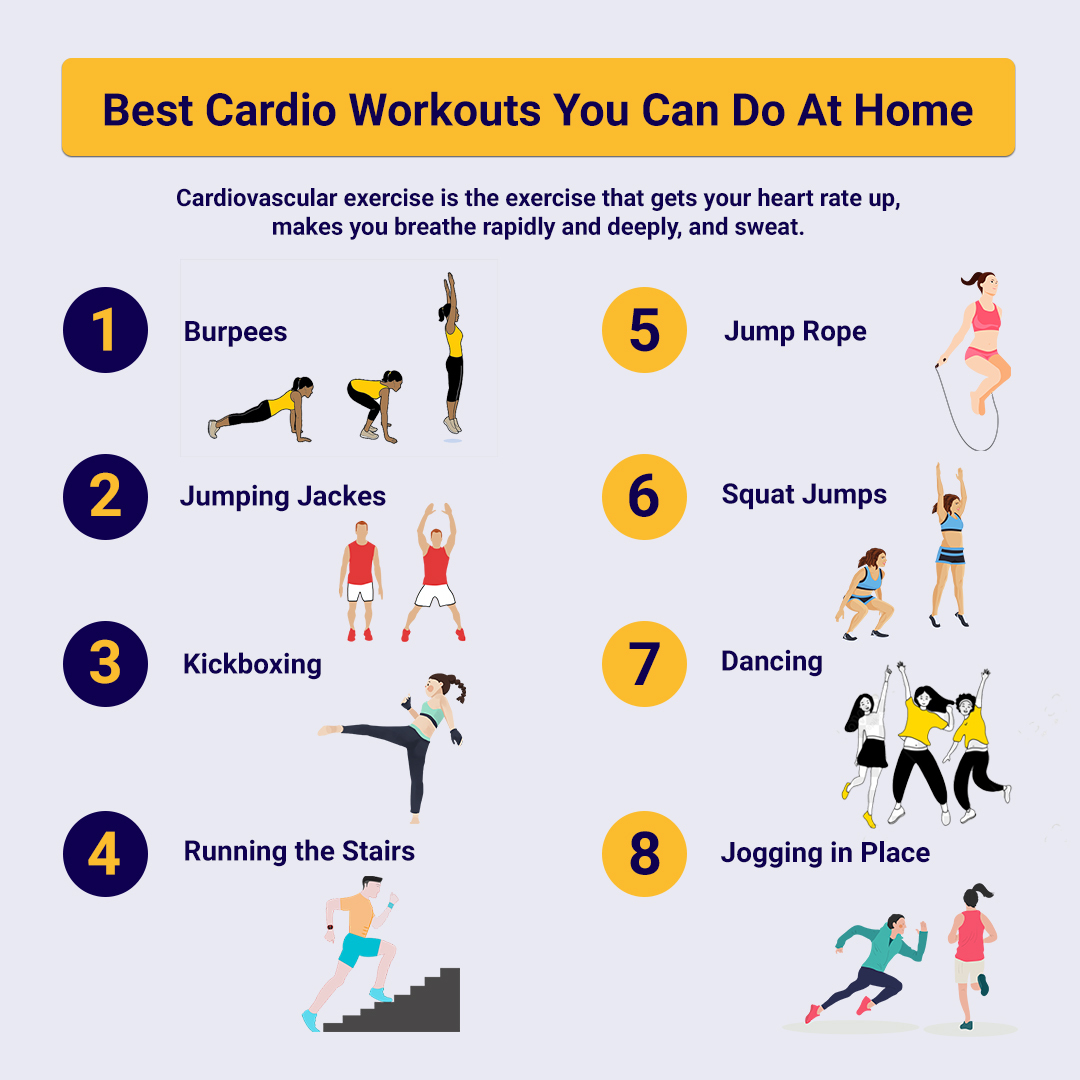
This article delves into the contemporary meaning of cardiovascular exercise, viewed through the lens of modern technology. We’ll explore how tech tools, from wearables to AI-powered platforms, not only measure and track our efforts but also provide unprecedented insights, personalization, and motivation, shaping the future of fitness and health.
Understanding Cardio in the Digital Age: Beyond the Treadmill
The core concept of a cardio workout revolves around strengthening the heart and lungs, enhancing stamina, and boosting overall health. Historically, this meant brisk walking, running, cycling, or swimming—activities where effort was largely gauged by breathlessness, sweat, and perhaps a simple heart rate monitor. The digital age, however, has layered a new dimension onto this understanding, transforming subjective feelings into objective, actionable data.
The Core Physiological Definition as a Data Point
At its heart, a cardio workout (short for cardiovascular workout) is any physical activity that raises your heart rate and keeps it elevated for a sustained period, thereby training your cardiovascular system. This includes the heart, blood vessels, and lungs, improving their ability to deliver oxygen and nutrients to working muscles and remove waste products. The benefits are profound: reduced risk of heart disease, improved mood, better sleep, enhanced immune function, and increased endurance.
In the tech-driven fitness world, these physiological responses are no longer just sensations; they are quantifiable data points. Heart rate, oxygen saturation, recovery times, and metabolic equivalents (METs) are meticulously captured by smart devices. These raw data points form the foundation upon which sophisticated algorithms build a comprehensive picture of an individual’s cardiovascular health and performance. The “meaning” of a cardio workout shifts from a general health endeavor to a precise, measurable biological process that can be fine-tuned and optimized with digital precision.
From Analog Sweat to Digital Metrics: The Evolution of Tracking
The evolution of cardio tracking mirrors the broader digital transformation. Early fitness enthusiasts might have used a basic pedometer or a chest strap heart rate monitor. Today, the landscape is dominated by sophisticated wearables and smart gym equipment that offer a panoramic view of our physiological responses.
Consider the simple act of a run. In the past, you might track distance with a map and time with a watch. Now, GPS-enabled smartwatches not only log your route, distance, and pace but also monitor your heart rate zones, cadence, vertical oscillation, ground contact time, and even estimated power output. This wealth of data allows users to analyze their performance with unprecedented detail, identifying inefficiencies, tracking progress, and understanding the precise physiological impact of their efforts. This transition from basic tracking to advanced biometric analysis is a cornerstone of how technology redefines what a cardio workout means to the modern fitness enthusiast. It’s no longer just about the activity itself, but about the data it generates and the insights that can be gleaned.
The Tech-Driven Metrics of Cardiovascular Health
The advent of smart fitness technology has transformed how we perceive and interact with our cardio workouts. It has moved beyond mere counting steps to a sophisticated analysis of bodily functions, providing a quantifiable language for cardiovascular health.
Heart Rate Zones: Precision Training with Smart Devices
Perhaps the most significant technological advancement in understanding cardio workouts is the precise monitoring of heart rate zones. Smartwatches, fitness trackers, and even smart clothing now provide real-time heart rate data, allowing users to train within specific intensity zones (e.g., fat-burning, cardio, peak) that correspond to different physiological adaptations.
- Zone 1 (Very Light): 50-60% of Max HR. Tech helps identify recovery or warm-up efforts.
- Zone 2 (Light): 60-70% of Max HR. Often called the “fat-burning” zone, precisely tracked by devices.
- Zone 3 (Moderate): 70-80% of Max HR. Improves aerobic fitness and endurance, crucial for many cardio goals.
- Zone 4 (Hard): 80-90% of Max HR. Enhances anaerobic threshold and speed, often coached by apps.
- Zone 5 (Maximum): 90-100% of Max HR. Short, intense bursts, precisely measured for interval training.
Modern devices don’t just display your heart rate; they interpret it, guiding you to stay within your target zone or alerting you when you exceed it. This precision training, guided by continuous data feedback, optimizes the effectiveness of each session, making “cardio workout” synonymous with targeted physiological conditioning.
VO2 Max Estimation: Benchmarking Aerobic Capacity
VO2 max, or maximal oxygen uptake, is considered the gold standard for measuring aerobic fitness. It represents the maximum amount of oxygen an individual can utilize during intense, incremental exercise. Historically, measuring VO2 max required specialized laboratory equipment. Today, many fitness trackers and smartwatches offer estimated VO2 max values based on heart rate, running pace, age, gender, and other data points captured during daily activities and workouts.
While these are estimates, they provide a remarkably accurate benchmark for tracking improvements in cardiovascular fitness over time. For the user, knowing their estimated VO2 max transforms the meaning of a cardio workout from just “getting fit” to “improving my aerobic capacity,” offering a tangible, data-driven goal and a clear metric for progress that was once inaccessible to the average person.
Calorie Burn & Activity Tracking: Quantifying Effort
The ubiquitous calorie counter and activity tracker have fundamentally changed how people perceive and manage their energy expenditure during cardio. While not always perfectly accurate, these tools provide a consistent and accessible way to quantify the energy burned during a workout. Advanced algorithms, factoring in heart rate, movement patterns, body metrics, and even ambient temperature, provide increasingly refined estimations.
Beyond simple calorie counts, modern trackers analyze “active minutes,” “intensity minutes,” and “recovery periods,” giving a more holistic view of physical exertion. This allows individuals to correlate their cardio efforts with dietary intake, recovery needs, and overall lifestyle, empowering them to make informed decisions about their health and fitness journey. The “meaning” of a cardio workout here extends to its tangible impact on energy balance and overall activity levels.
AI and Algorithms: Personalizing Your Cardio Journey
The true power of modern technology in defining a cardio workout lies in its ability to move beyond simple data collection to intelligent analysis and personalized guidance. Artificial intelligence and sophisticated algorithms are transforming generic exercise into bespoke fitness experiences.
Smart Workout Plans & Adaptive Coaching
Gone are the days of one-size-fits-all workout routines. AI-powered fitness apps and platforms analyze an individual’s fitness level, goals, past performance, recovery data, and even sleep patterns to generate dynamic, adaptive cardio workout plans. These systems learn from every session, adjusting future workouts based on progress, fatigue, and adherence.
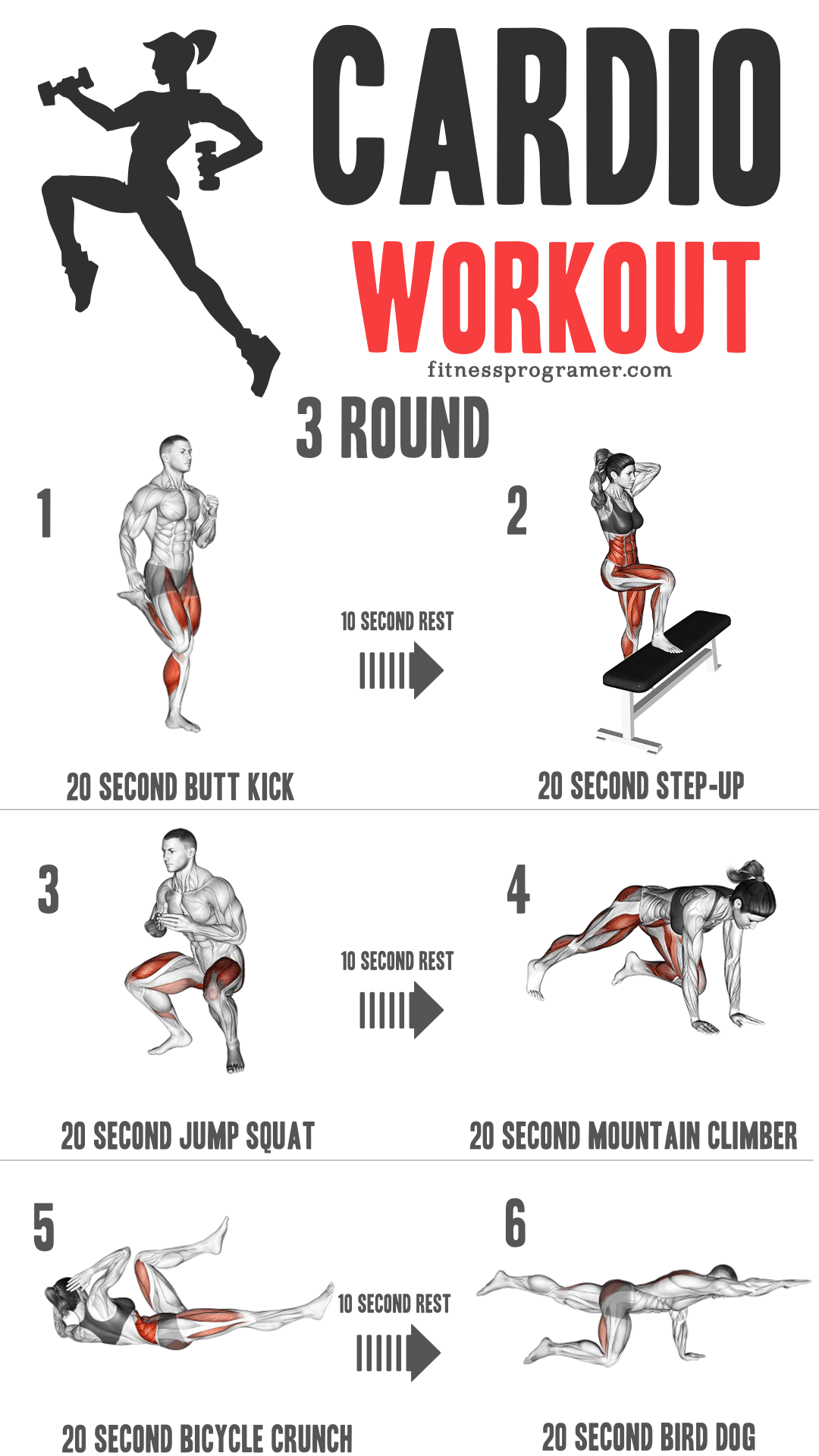
For example, if an individual consistently exceeds their target heart rate during a run, the AI might suggest reducing pace or duration for the next session. Conversely, if performance plateaus, it might recommend a new interval training protocol or a different cardio modality to stimulate further adaptation. This adaptive coaching capability means that “cardio workout” now embodies a highly individualized, intelligent process designed for optimal progression and injury prevention.
Predictive Analytics for Performance & Recovery
Beyond immediate feedback, AI in cardio tech offers predictive insights. By analyzing trends in heart rate variability (HRV), sleep quality, recovery times, and training load, these systems can forecast an individual’s readiness for intense exercise, predict potential overtraining, or even suggest optimal recovery strategies.
Understanding what a cardio workout means now includes anticipating its future impact and preparing the body accordingly. For instance, if an app detects a drop in HRV after a particularly strenuous week, it might advise an active recovery day or a lighter cardio session, preventing burnout and enhancing long-term performance. This predictive capability shifts the focus from simply performing an activity to strategically managing one’s physiological resources.
Gamification and Virtual Reality: Engaging the User
To combat the monotony that can sometimes accompany sustained cardio, technology has introduced gamification and virtual reality (VR) elements. Fitness apps transform workouts into challenges, races, and interactive experiences, offering badges, leaderboards, and social sharing features to boost motivation.
VR fitness platforms transport users to virtual landscapes, allowing them to cycle through scenic routes, run alongside digital companions, or engage in immersive rhythm-based cardio games. This not only makes cardio more enjoyable but also helps users push through mental barriers. In this context, “cardio workout” gains an additional meaning: an engaging, even entertaining, experience that seamlessly blends physical exertion with digital interaction, fostering greater adherence and enjoyment.
The Ecosystem of Connected Cardio: Apps, Gadgets, and Integration
The modern cardio workout doesn’t exist in isolation; it’s part of a larger, interconnected ecosystem of devices and software designed to provide a comprehensive view of an individual’s health and fitness.
Wearables: Smartwatches, Rings, and Patches
Wearable technology forms the bedrock of the connected cardio experience. Smartwatches are ubiquitous, offering continuous heart rate monitoring, GPS tracking, and a host of other biometric data points. Beyond watches, smart rings (like Oura Ring) focus on recovery metrics, sleep, and subtle activity tracking, while specialized patches can offer clinical-grade ECG monitoring during exercise.
These devices capture a constant stream of data, from the intensity and duration of a run to the subtle fluctuations in heart rate variability overnight. This constant influx of personal health data means that “cardio workout” is no longer a discrete event but an integrated component of a 24/7 health monitoring system, providing context and insight into how physical activity affects overall well-being.
Smart Gym Equipment & Interactive Platforms
Gym equipment has also undergone a technological revolution. Smart treadmills, ellipticals, and stationary bikes now feature integrated screens offering interactive classes, virtual scenic routes, and direct synchronization with wearables. Platforms like Peloton and Zwift have transformed home cardio workouts into immersive, instructor-led, and community-driven experiences.
These platforms not only guide users through workouts but also track their performance, compete with others, and provide real-time feedback. This integration elevates the meaning of a cardio workout from a solo endeavor to a communal, guided, and often competitive experience, blurring the lines between home fitness and a full gym environment.
Data Synchronization and Holistic Health Dashboards
The true power of this ecosystem lies in its ability to synchronize data across multiple devices and platforms. A user’s smartwatch might track their run, a smart scale measures their weight, and a sleep tracker monitors their rest. All this data flows into a central health dashboard—be it Apple Health, Google Fit, or a proprietary app—creating a holistic view of their health.
This integration allows for a deeper understanding of how cardio workouts contribute to overall health metrics. Users can see correlations between their training load and sleep quality, or between their calorie burn and body composition changes. This comprehensive data view redefines “cardio workout” as a critical, interconnected piece of a larger personal health puzzle, enabling more informed decision-making and a more nuanced understanding of personal well-being.
Digital Security and Privacy in Cardio Tech
As technology increasingly integrates into our most personal health routines, the meaning of a cardio workout also encompasses considerations of digital security and privacy. The collection and analysis of sensitive biometric data necessitate robust protections.
Protecting Personal Health Data
The vast amounts of personal health data generated by cardio tech—heart rate, location, performance metrics, sleep patterns—are highly sensitive. Protecting this information from breaches, unauthorized access, and misuse is paramount. Reputable tech companies implement advanced encryption, secure data storage, and strict privacy policies to safeguard user information.
For the individual, understanding “cardio workout” also means being aware of their data footprint, selecting devices and apps from trusted providers, and managing their privacy settings carefully. This digital vigilance ensures that the benefits of tech-enabled fitness are not overshadowed by privacy concerns.

Ensuring Accuracy and Reliability of Devices
The insights derived from cardio tech are only as valuable as the accuracy and reliability of the data collected. Manufacturers invest heavily in sensor technology and algorithm development to ensure precise measurements. However, users must also be aware of the limitations of consumer-grade devices compared to clinical equipment.
The meaning of a cardio workout, when mediated by technology, relies on trust in the tools being used. Understanding the potential for variability or occasional inaccuracies helps users interpret their data with a critical eye, ensuring that technological enhancements genuinely inform and improve their fitness journey rather than misguiding it.
In conclusion, “what does cardio workout mean” in the modern technological landscape is far more than its traditional physiological definition. It represents a dynamic, data-rich, personalized, and interconnected experience. Technology has not only provided new ways to measure and track our cardiovascular efforts but has also enriched our understanding, optimized our training, and transformed the very engagement with this vital component of health and wellness. As technology continues to evolve, so too will our appreciation and definition of the humble cardio workout.
aViewFromTheCave is a participant in the Amazon Services LLC Associates Program, an affiliate advertising program designed to provide a means for sites to earn advertising fees by advertising and linking to Amazon.com. Amazon, the Amazon logo, AmazonSupply, and the AmazonSupply logo are trademarks of Amazon.com, Inc. or its affiliates. As an Amazon Associate we earn affiliate commissions from qualifying purchases.