
Testosterone. The word itself often conjures images of strength, virility, and ambition. While these associations hold some truth, testosterone is far more than a mere symbol of masculinity. It’s a fundamental hormone that plays a crucial role in the health and well-being of both men and women, influencing everything from muscle mass and bone density to mood and cognitive function. Understanding what creates testosterone, how it functions, and how to optimize its levels is a powerful step towards enhancing overall vitality.
In a world increasingly driven by technology, where productivity is paramount, and financial well-being is a constant pursuit, understanding the biological underpinnings of our physical and mental performance becomes essential. This exploration into testosterone creation connects deeply with the core tenets of our platform: leveraging Tech for insights and optimization, understanding the powerful influence of Brand – in this case, your personal biological brand – and recognizing the significant impact of hormonal balance on your Money-making potential and financial success.
The Biological Blueprint: How Testosterone is Synthesized
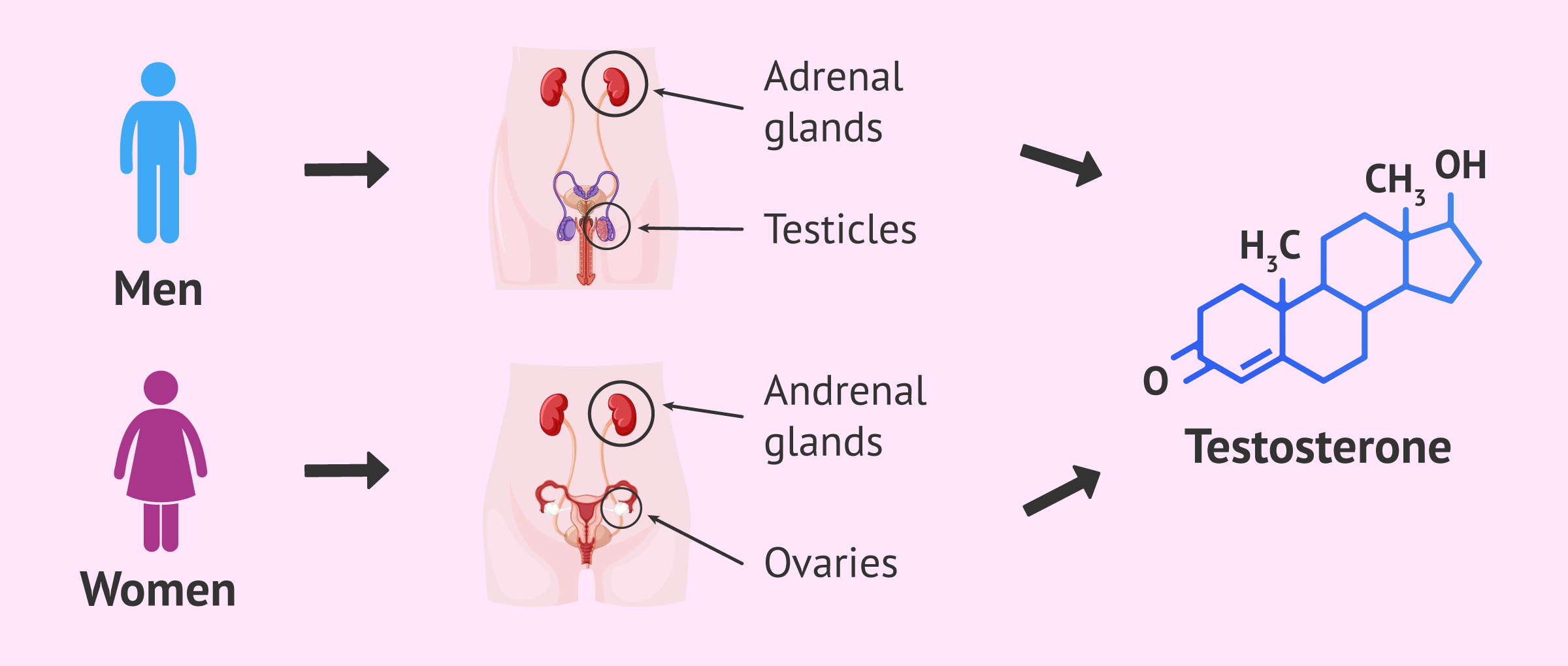
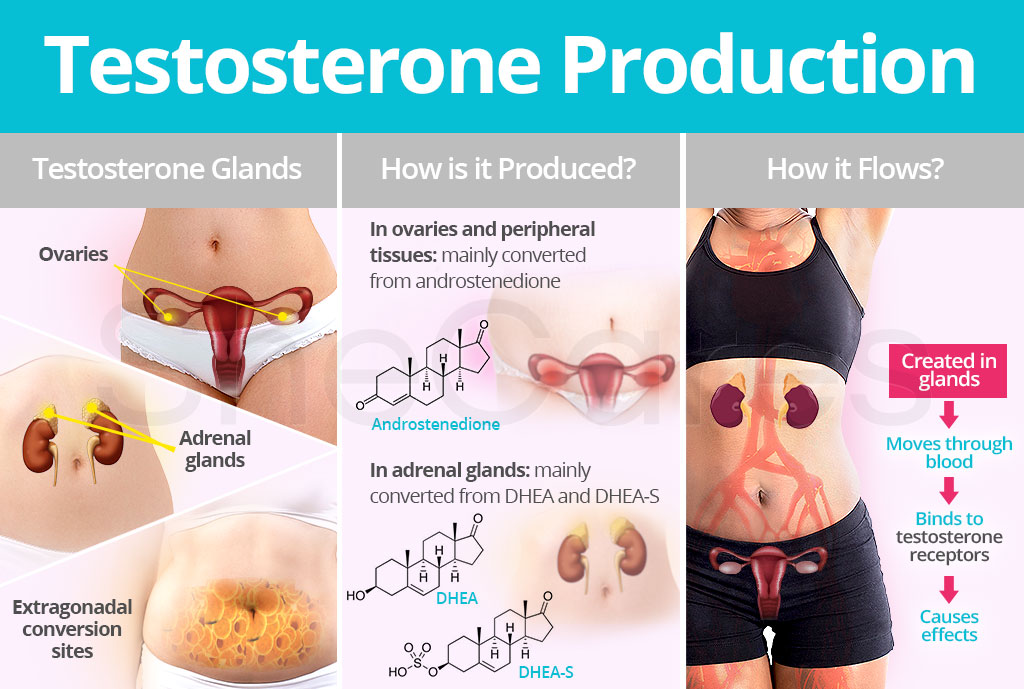
At its core, testosterone is a steroid hormone synthesized primarily by the Leydig cells in the testes of males and, in smaller amounts, by the ovaries in females and the adrenal glands in both sexes. This complex process begins in the brain, specifically in the hypothalamus and pituitary gland, acting as the master controllers of hormone production.
The Hypothalamic-Pituitary-Gonadal (HPG) Axis: A Symphony of Signals
The journey of testosterone creation is initiated by a cascade of signals. The hypothalamus releases Gonadotropin-Releasing Hormone (GnRH). This hormone travels a short distance to the anterior pituitary gland, stimulating it to release two critical hormones: Luteinizing Hormone (LH) and Follicle-Stimulating Hormone (FSH).
- Luteinizing Hormone (LH): The Direct Command. LH is the primary driver for testosterone production. In males, LH binds to specific receptors on the Leydig cells within the testes. This binding triggers a series of intracellular events, ultimately leading to the conversion of cholesterol into androgens, with testosterone being the most potent.
- Follicle-Stimulating Hormone (FSH): A Supporting Role. While LH is the main protagonist, FSH plays a supporting yet vital role, particularly in sperm production. In conjunction with LH, FSH helps maintain the health and function of the Sertoli cells in the testes, which are essential for spermatogenesis and also contribute to a supportive microenvironment for Leydig cells.
From Cholesterol to Androgen: The Biochemical Pathway
The transformation of cholesterol into testosterone is a sophisticated biochemical dance involving a series of enzymes. Cholesterol, a lipid molecule, is the foundational building block. Through a process called steroidogenesis, it undergoes several enzymatic modifications. Key intermediate steroids include pregnenolone and dehydroepiandrosterone (DHEA). These intermediates are then converted into androstenedione, which is subsequently transformed into testosterone by the enzyme 17-beta-hydroxysteroid dehydrogenase (17β-HSD).
This intricate pathway highlights the body’s remarkable ability to synthesize complex molecules from basic precursors. Any disruption in this chain, from the signaling in the brain to the enzymatic activity in the gonads, can impact testosterone levels.
Sex Hormone-Binding Globulin (SHBG) and Free Testosterone: The Bioavailable Fraction
Once produced, testosterone doesn’t float freely in the bloodstream. The vast majority, around 98%, binds to proteins: primarily Sex Hormone-Binding Globulin (SHBG) and albumin. This binding renders testosterone biologically inactive, meaning it cannot readily exert its effects on target cells.
The remaining 2% is “free” testosterone – unbound and readily available for cellular uptake and action. While a small percentage, free testosterone is the most biologically active form and is considered a crucial indicator of hormonal status. Measuring both total and free testosterone levels provides a more comprehensive picture of a person’s hormonal landscape.
Factors Influencing Testosterone Production: A Holistic View
While the biological machinery for testosterone creation is well-defined, numerous external and internal factors can significantly influence its production and regulation. Understanding these influences is key to maintaining optimal levels.
The Role of Lifestyle and Environment
Our daily habits and surroundings play a profound role in our hormonal health, including testosterone levels. This is where the intersection with Tech and Brand becomes particularly interesting, as we can leverage technological tools and cultivate personal habits that positively impact our biological brand.
-
Nutrition: Fueling the Hormonal Engine. A balanced diet rich in essential nutrients is fundamental.
- Zinc: A crucial mineral for testosterone synthesis. Found in oysters, red meat, pumpkin seeds, and legumes.
- Vitamin D: Often dubbed the “sunshine vitamin,” Vitamin D acts like a steroid hormone and has been linked to higher testosterone levels. Sources include fatty fish, fortified foods, and safe sun exposure.
- Healthy Fats: Monounsaturated and polyunsaturated fats are vital for hormone production. Avocados, nuts, seeds, and olive oil are excellent sources.
- Protein: Essential for muscle building and overall health, adequate protein intake supports hormonal balance.
- Avoiding Extremes: Severely restrictive diets or excessive calorie intake can disrupt hormonal pathways.
-
Exercise: The Anabolic Stimulus. Regular physical activity, particularly resistance training and high-intensity interval training (HIIT), has been shown to boost testosterone levels, especially in the short term after exercise.
- Consistency is Key: While intense workouts can provide a temporary surge, consistent exercise routines contribute to sustained healthy levels.
- Overtraining: Conversely, excessive and prolonged intense exercise without adequate recovery can lead to a decrease in testosterone levels due to increased cortisol production (the stress hormone).
-
Sleep: The Crucial Recovery Period. Sleep is when the body repairs and regenerates, and this includes hormone production.
- Duration and Quality: Aim for 7-9 hours of quality sleep per night. Chronic sleep deprivation has been strongly linked to reduced testosterone.
- Circadian Rhythm: Maintaining a consistent sleep-wake cycle supports the body’s natural hormonal rhythms.
-
Stress Management: Taming the Cortisol Beast. Chronic stress elevates cortisol levels, which can suppress testosterone production through negative feedback mechanisms in the HPG axis.
- Mindfulness and Relaxation: Techniques like meditation, deep breathing exercises, and yoga can help manage stress.
- Work-Life Balance: Prioritizing downtime and setting boundaries are crucial for long-term stress management.

- Environmental Toxins: Exposure to certain endocrine-disrupting chemicals (EDCs) found in plastics, pesticides, and personal care products can interfere with hormone function.
- Awareness and Prevention: Opting for natural and organic products, using glass or stainless steel containers, and reducing plastic consumption can mitigate exposure.
The Interplay of Age and Health Conditions
- Age-Related Decline: Testosterone levels naturally decline with age, typically starting in the 30s. This gradual decrease is a normal physiological process.
- Medical Conditions: Certain health conditions can significantly impact testosterone production.
- Obesity: Excess body fat can convert testosterone into estrogen, lowering levels.
- Diabetes: Type 2 diabetes is often associated with lower testosterone.
- Hypogonadism: A medical condition where the testes produce insufficient testosterone.
- Pituitary Disorders: Issues with the pituitary gland can disrupt LH and FSH production.
- Kidney Disease and Liver Disease: Can affect hormone metabolism and clearance.
Optimizing Testosterone Levels: Strategies for Enhanced Vitality
Understanding what creates testosterone is the first step; actively working to optimize its production is the next. This is where the proactive application of knowledge, often aided by Tech and a clear understanding of our personal Brand, comes into play.
Leveraging Technology for Insight and Improvement
The digital age offers unprecedented opportunities to monitor and influence our biological markers.
- Wearable Technology: Fitness trackers and smartwatches can monitor sleep patterns, activity levels, and even heart rate variability, all of which are indirectly related to hormonal health. Advanced wearables are beginning to incorporate more sophisticated health tracking capabilities.
- Health Monitoring Apps and Platforms: Numerous apps allow users to log diet, exercise, mood, and sleep. Some platforms can even integrate with lab results, providing a holistic overview of health metrics and identifying potential correlations with testosterone levels.
- AI-Powered Health and Nutrition Guidance: Artificial intelligence is increasingly being used to provide personalized health recommendations. AI algorithms can analyze your data (diet logs, activity levels, sleep patterns) to suggest optimal dietary adjustments, workout routines, and stress management techniques tailored to your individual needs, potentially influencing testosterone production.
- Telemedicine and Virtual Consultations: Accessing endocrinologists or hormone specialists remotely can provide expert advice and diagnostic guidance without geographical limitations. This allows for timely intervention and personalized treatment plans.
Lifestyle Interventions: The Cornerstones of Optimization
Beyond technology, fundamental lifestyle choices remain the most impactful strategies for optimizing testosterone.
- Prioritize Sleep Hygiene: Establish a consistent sleep schedule, create a relaxing bedtime routine, and ensure your bedroom is dark, quiet, and cool.
- Adopt a Nutrient-Dense Diet: Focus on whole foods, lean proteins, healthy fats, and plenty of fruits and vegetables. Consider incorporating zinc and Vitamin D rich foods.
- Engage in Regular Exercise: Combine resistance training with cardiovascular exercise, ensuring adequate rest and recovery to avoid overtraining.
- Implement Effective Stress Management: Explore mindfulness, meditation, yoga, or engaging in hobbies that promote relaxation.
- Maintain a Healthy Weight: Losing excess body fat can significantly improve testosterone levels.
When to Seek Professional Medical Advice
While lifestyle modifications are powerful, there are instances where medical intervention is necessary.
- Symptom Assessment: If you experience persistent symptoms such as low libido, fatigue, erectile dysfunction, mood changes, or a decrease in muscle mass, it’s crucial to consult a healthcare professional.
- Diagnostic Testing: A doctor can order blood tests to measure total and free testosterone levels, as well as other relevant hormones like LH, FSH, and SHBG.
- Hormone Replacement Therapy (HRT): For individuals diagnosed with hypogonadism or other conditions causing significantly low testosterone, HRT may be a treatment option. This should only be undertaken under strict medical supervision due to potential risks and benefits.
Testosterone’s Impact on Your “Biological Brand” and Financial Success
Understanding the creation of testosterone is not just about biological curiosity; it has tangible implications for how we present ourselves and perform in the world, directly impacting our Brand and our Money.
Enhancing Your Personal Brand: Confidence, Energy, and Drive
Your “biological brand” is the intrinsic essence of your physical and mental capabilities. Testosterone plays a significant role in shaping this brand:
- Increased Energy Levels: Optimal testosterone contributes to sustained energy, allowing you to be more productive, engaged, and resilient throughout the day. This translates to a more vibrant and dynamic personal presence.
- Improved Mood and Motivation: Testosterone is linked to feelings of confidence, assertiveness, and motivation. Individuals with balanced levels often exhibit greater drive and a more positive outlook, which are attractive qualities in any personal or professional interaction.
- Enhanced Physical Attributes: While not solely responsible, testosterone contributes to muscle mass, bone density, and a healthy metabolism. These physical aspects can bolster self-esteem and project an image of vitality and strength.
- Cognitive Benefits: Research suggests testosterone can influence cognitive functions like spatial reasoning and verbal fluency, further contributing to a sharp and capable personal brand.
The Financial Link: Productivity, Performance, and Opportunity
The link between testosterone, your biological brand, and financial success is multifaceted:
- Increased Productivity and Performance: Higher energy levels, better focus, and enhanced motivation directly translate to improved performance in the workplace or in entrepreneurial ventures. This can lead to greater output, better decision-making, and ultimately, more opportunities for advancement and income.
- Risk-Taking Propensity and Entrepreneurship: Some studies suggest a correlation between higher testosterone levels and a greater willingness to take calculated risks, a trait often associated with successful entrepreneurs. While not a direct cause-and-effect, this can contribute to individuals pursuing ambitious financial goals.
- Competitive Edge: In highly competitive environments, even small advantages in energy, focus, and drive can make a significant difference. Optimizing testosterone can contribute to maintaining that edge.
- Reduced Absenteeism: Better overall health and vitality, supported by balanced hormones, can lead to fewer sick days and more consistent presence, crucial for career progression and income stability.
In conclusion, what creates testosterone is a complex interplay of genetics, brain signaling, enzymatic processes, and a dynamic ecosystem of lifestyle factors. By understanding these mechanisms and actively implementing strategies – often aided by modern technology – to optimize its production, we can significantly enhance not only our physical and mental health but also the strength of our personal brand and, consequently, our potential for financial success. It’s a holistic approach to well-being, where biological understanding empowers us to build a more robust and prosperous future.
aViewFromTheCave is a participant in the Amazon Services LLC Associates Program, an affiliate advertising program designed to provide a means for sites to earn advertising fees by advertising and linking to Amazon.com. Amazon, the Amazon logo, AmazonSupply, and the AmazonSupply logo are trademarks of Amazon.com, Inc. or its affiliates. As an Amazon Associate we earn affiliate commissions from qualifying purchases.