
The allure of instant sleep is a powerful one. In our hyper-connected, always-on world, a good night’s rest often feels like a luxury, not a necessity. We juggle demanding careers, personal projects, and the constant hum of digital notifications, leaving us feeling depleted and desperately seeking a swift escape from wakefulness. This yearning for immediate oblivion has fueled a relentless curiosity: is there a single chemical, a magic bullet, that can instantly usher us into the arms of Morpheus?
While the idea of a “magic chemical” is enticing, the reality of sleep is far more nuanced and complex. It’s not the product of a solitary molecule, but rather a symphony of biological processes orchestrated by a delicate interplay of chemicals within our brains. Understanding these key players offers a fascinating glimpse into the intricate machinery that governs our rest.
The Master Conductor: Melatonin and the Circadian Rhythm
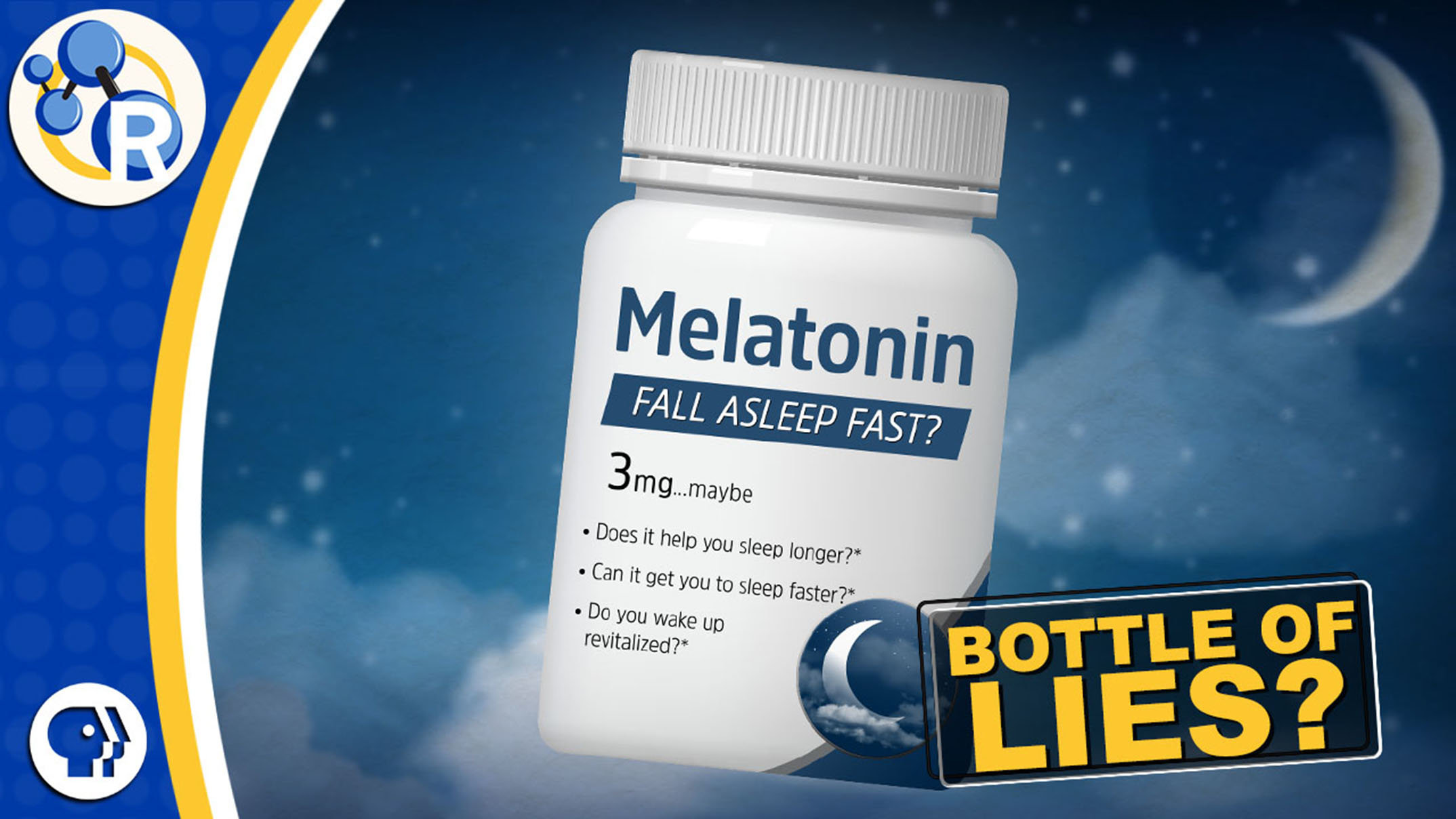
At the forefront of sleep-inducing chemicals is melatonin. Often dubbed the “hormone of darkness,” melatonin is produced by the pineal gland in the brain. Its primary role is to regulate our body’s internal clock, known as the circadian rhythm. This 24-hour cycle dictates our sleep-wake patterns, body temperature, hormone release, and other physiological processes.
The Light and Dark Dance
The production of melatonin is directly influenced by light. As daylight fades and darkness descends, the pineal gland receives signals to ramp up melatonin production. This surge in melatonin signals to our body that it’s time to wind down, initiating a cascade of physiological changes that prepare us for sleep. Our body temperature may drop slightly, our heart rate can slow, and feelings of drowsiness begin to creep in.
Conversely, exposure to light, especially blue light emitted from electronic devices, suppresses melatonin production. This is why late-night screen time can disrupt our natural sleep cues, making it harder to fall asleep. Understanding this light-dark cycle is fundamental to optimizing our natural sleep patterns.
Beyond the Natural: Melatonin Supplements
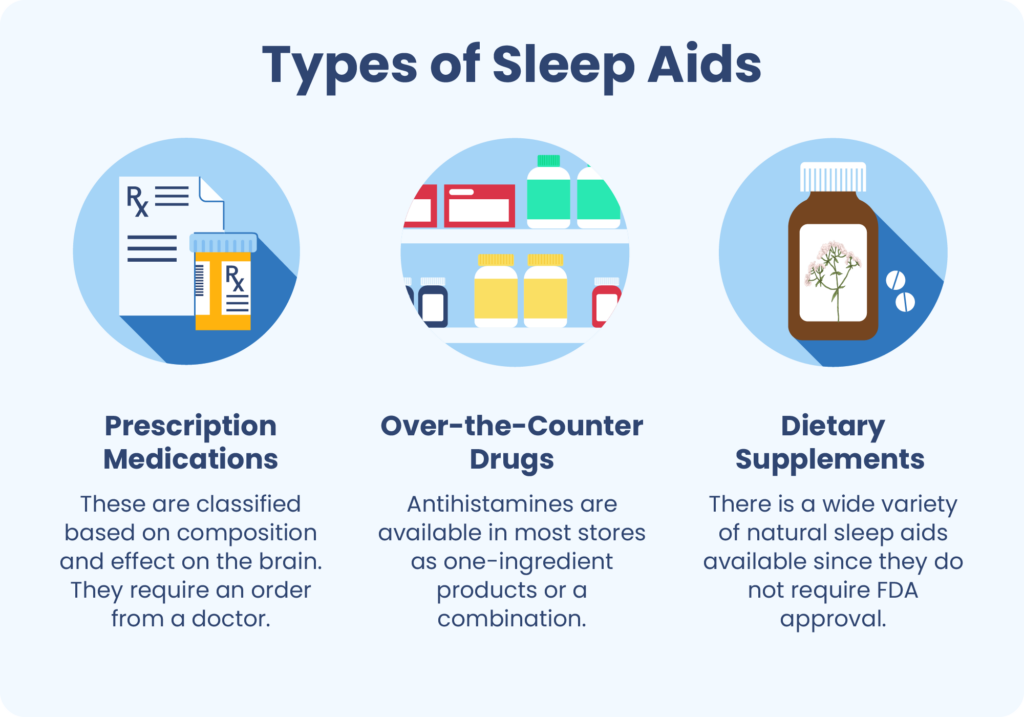
The growing awareness of melatonin’s role has led to its widespread availability as a dietary supplement. These supplements are often marketed as a quick fix for sleep problems, and for many, they do offer a degree of assistance. By providing an external source of melatonin, these supplements can help to reset the body’s internal clock, particularly for individuals experiencing jet lag, shift work sleep disorder, or other disruptions to their circadian rhythm.
However, it’s crucial to approach melatonin supplementation with caution and an understanding of its limitations. While it can aid in falling asleep, it’s not a potent sedative that will knock you out instantly. Its effectiveness is often dependent on the timing of its ingestion and the individual’s response. Furthermore, long-term effects and optimal dosages are still areas of ongoing research. It’s always advisable to consult with a healthcare professional before incorporating melatonin supplements into your routine, especially if you have underlying health conditions or are taking other medications.
The Calming Embrace: GABA and Neurotransmitter Harmony
While melatonin sets the stage for sleep, another crucial player in inducing relaxation and reducing anxiety is gamma-aminobutyric acid (GABA). GABA is the primary inhibitory neurotransmitter in the central nervous system. Think of it as the brain’s natural tranquilizer. Its main job is to reduce neuronal excitability, essentially slowing down nerve activity.
GABA’s Role in Quieting the Mind
When we are stressed or anxious, our brain is often buzzing with overactive neurons, creating a mental state that is far from conducive to sleep. GABA acts as a counterbalance to this hyperactivity. By binding to GABA receptors on neurons, it decreases the likelihood of those neurons firing. This calming effect is vital for transitioning from a state of alertness to one of relaxation and sleep.
The effectiveness of GABA in promoting sleep is supported by the action of various sleep medications, many of which work by enhancing GABA’s effects. Benzodiazepines, for instance, are a class of drugs that bind to GABA receptors, amplifying their inhibitory action. While highly effective, these medications are prescription-controlled due to their potential for dependence and side effects.
Exploring Natural Pathways to GABA Enhancement
The concept of naturally boosting GABA levels is a popular area of interest. Certain lifestyle factors and dietary choices are believed to influence GABA production and receptor sensitivity. For example, regular exercise has been shown to increase GABA levels, contributing to improved mood and better sleep quality. Practices like meditation and deep breathing exercises are also thought to promote relaxation by activating the parasympathetic nervous system, which can indirectly influence GABAergic activity.
From a dietary perspective, some foods are believed to contain compounds that may support GABA function. For instance, fermented foods like yogurt and sauerkraut, as well as certain teas like oolong and green tea, are rich in probiotics and L-theanine, respectively. L-theanine, an amino acid found in tea, is known for its calming properties and has been studied for its potential to increase GABA levels in the brain.
The Sleep Debt Accumulator: Adenosine and the Drive for Rest
Beyond chemicals that directly induce sleep, there’s a molecule that builds up throughout the day, creating an increasing “drive” for sleep. This molecule is adenosine. As our brain cells are active, they consume energy, and a byproduct of this energy consumption is the release of adenosine.
Adenosine’s Gradual Buildup
Throughout our waking hours, adenosine gradually accumulates in the brain. The higher the concentration of adenosine, the stronger our feeling of sleepiness becomes. Think of it like a slowly filling bucket – the more you’re awake, the fuller the bucket of adenosine gets, and the more you’ll crave sleep.
When we finally fall asleep, the body begins to clear out the accumulated adenosine. This is why after a good night’s sleep, we typically feel more alert and less drowsy. The cycle then resets, and adenosine begins to build up again as we start our day.
The Caffeine Paradox: Blocking the Signal
Understanding adenosine’s role sheds light on the pervasive popularity of caffeine. Caffeine is a psychoactive stimulant that works by blocking adenosine receptors in the brain. By preventing adenosine from binding to its receptors, caffeine effectively masks the signals of sleepiness, making us feel more awake and alert.
This is why drinking coffee or other caffeinated beverages can temporarily ward off fatigue. However, it’s important to remember that caffeine doesn’t eliminate the need for sleep; it simply delays the feeling of tiredness. The adenosine is still accumulating, and once the effects of caffeine wear off, the sleep drive can return with a vengeance. Furthermore, regular caffeine consumption can interfere with the body’s natural adenosine regulation, potentially leading to a cycle of dependence and disrupted sleep patterns.
The Complex Symphony: Beyond Single Chemicals
The quest for an “instant sleep chemical” is understandable, but it overlooks the intricate biological symphony that orchestrates our sleep. Melatonin, GABA, and adenosine are just a few of the key players. Numerous other neurotransmitters, hormones, and physiological processes contribute to our ability to fall asleep and stay asleep.
Other Contributing Factors:
- Serotonin: While often associated with mood, serotonin also plays a role in regulating sleep-wake cycles.
- Cortisol: This stress hormone typically follows a diurnal rhythm, being highest in the morning and lowest at night. Elevated cortisol levels at bedtime can interfere with sleep.
- Body Temperature: A slight drop in core body temperature is a natural precursor to sleep.
- Sleep Hygiene: Beyond chemical influences, our daily habits and environment significantly impact sleep. This includes maintaining a consistent sleep schedule, creating a relaxing bedtime routine, ensuring a dark and quiet sleep environment, and limiting exposure to screens before bed.
The Role of Technology and Brand in Our Sleep Narrative
While science uncovers the biological mechanisms of sleep, technology and brand strategies are increasingly influencing how we approach and manage our rest.
Tech’s Double-Edged Sword: Gadgets and Apps for Sleep
The technology sector has enthusiastically embraced the sleep challenge. We’re inundated with wearable devices that track our sleep stages, heart rate, and movement, providing data-driven insights into our sleep patterns. Sleep-tracking apps offer guided meditations, white noise generators, and personalized sleep coaching. Smart home devices can adjust lighting and temperature to create an optimal sleep environment.
These technological advancements offer powerful tools for self-monitoring and improvement. However, there’s a potential paradox. For some, the constant data and detailed analysis of their sleep can lead to increased sleep anxiety, ironically hindering their ability to relax and fall asleep. The sheer volume of information can become overwhelming, turning sleep into a performance metric rather than a natural state of rest. The brand of these sleep-tech companies often promises effortless solutions, but the user experience needs to be carefully considered to avoid unintended negative consequences.
Brand Strategies: Selling the Dream of Rest
The brand surrounding sleep products and services is a significant force in our modern culture. From mattress companies to supplement manufacturers and even wellness retreats, brands are adept at tapping into our desire for better sleep. They often leverage scientific-sounding language and aspirational imagery to sell their solutions, creating an emotional connection with consumers.
Personal branding also plays a role, with individuals often sharing their sleep routines and tips online, creating trends and influencing others. Corporate identity in the wellness industry often emphasizes a holistic approach to health, positioning sleep as a crucial pillar. However, it’s important to critically evaluate these brand narratives. Are they offering genuine solutions backed by robust science, or are they capitalizing on our insecurities and desires for quick fixes? Reputation matters, and discerning consumers will look for brands with a track record of integrity and evidence-based claims.
Navigating the Path to Rest: A Holistic Approach
The answer to “what chemical makes you sleep instantly” is not a simple one. It’s a complex interplay of biology, environment, and lifestyle. While understanding the roles of melatonin, GABA, and adenosine provides valuable insight, true restorative sleep is achieved through a holistic approach.
This involves:
- Prioritizing Sleep Hygiene: Establishing consistent sleep schedules, creating a relaxing bedtime routine, and optimizing your sleep environment.
- Managing Stress: Incorporating stress-reduction techniques like mindfulness, meditation, or deep breathing exercises into your daily life.
- Mindful Technology Use: Being aware of the impact of screen time on your sleep and setting boundaries.
- Seeking Professional Guidance: Consulting with healthcare professionals for persistent sleep issues or when considering supplements or medications.
Ultimately, the journey to better sleep is not about finding a single chemical solution, but about understanding your body’s natural rhythms and creating an environment and lifestyle that supports its innate ability to rest and rejuvenate.
aViewFromTheCave is a participant in the Amazon Services LLC Associates Program, an affiliate advertising program designed to provide a means for sites to earn advertising fees by advertising and linking to Amazon.com. Amazon, the Amazon logo, AmazonSupply, and the AmazonSupply logo are trademarks of Amazon.com, Inc. or its affiliates. As an Amazon Associate we earn affiliate commissions from qualifying purchases.