
In the high-stakes world of finance, the question “when will the market open?” is more than a simple inquiry about scheduling; it is a fundamental pillar of strategic execution. For the modern investor, understanding the rhythmic heartbeat of global exchanges is essential for liquidity management, risk mitigation, and capitalizing on volatility. While the digital age has made trading accessible 24/7 through various asset classes, the traditional stock market operates on a rigorous, time-bound architecture that dictates the flow of trillions of dollars daily.
This guide explores the intricate mechanics of global market hours, the nuances of extended-hours trading, and the strategic importance of timing in your investment journey.
1. The Core Infrastructure of Global Trading Hours
The global financial landscape is a relay race that never truly stops, as the “baton” of liquidity is passed from one time zone to the next. Understanding the standard operating hours of the world’s major exchanges is the first step for any serious participant in the “Money” niche.
The New York Stock Exchange (NYSE) and NASDAQ
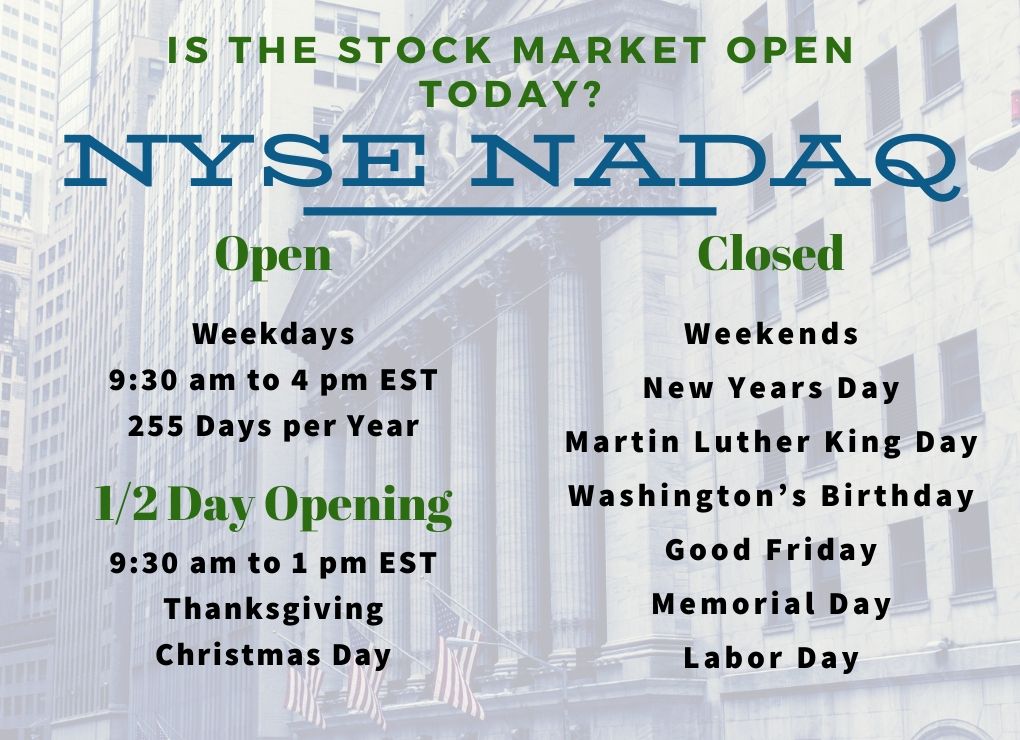
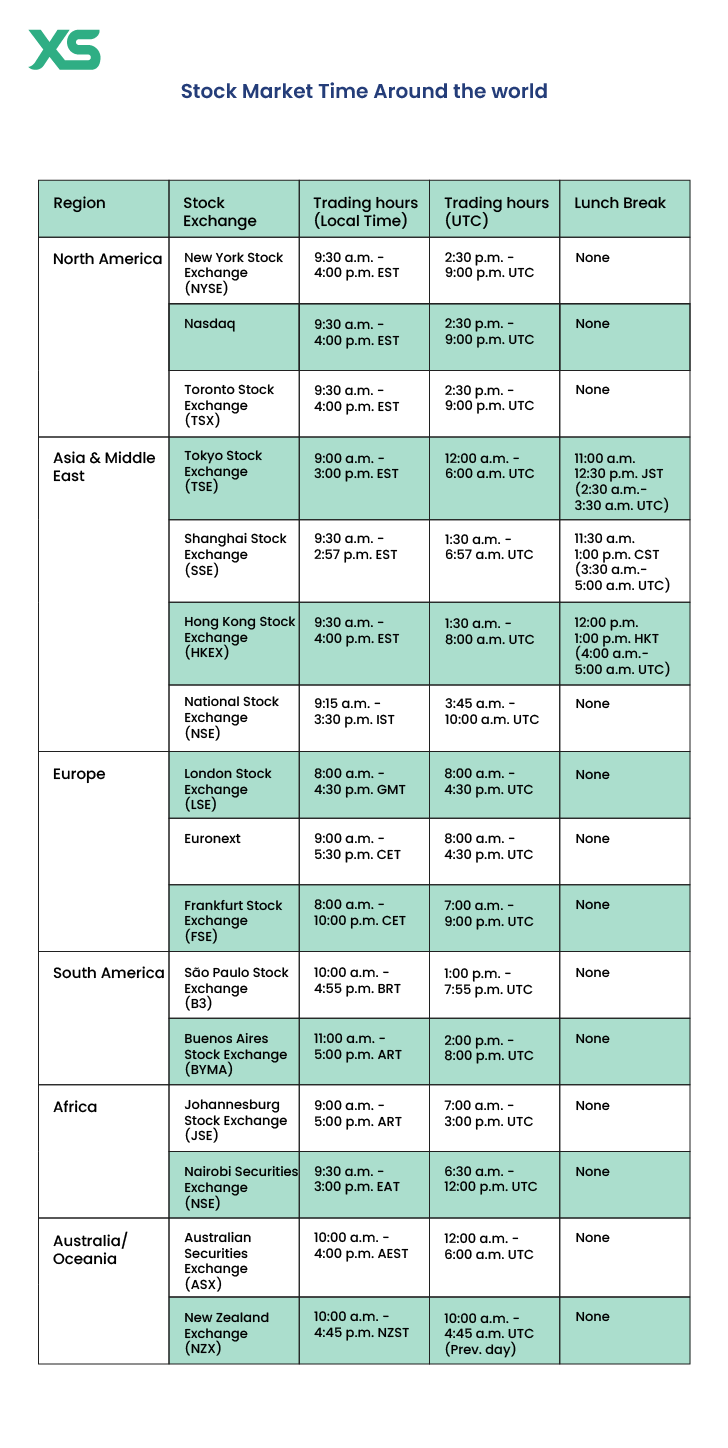
For the majority of retail and institutional investors, the center of gravity remains the United States. Both the NYSE and the NASDAQ operate on a standard schedule from 9:30 AM to 4:00 PM Eastern Time (ET), Monday through Friday. This 6.5-hour window is where the highest volume of trading occurs. The “Opening Bell” at 9:30 AM represents a moment of price discovery, where the accumulated news and sentiment from the overnight period are suddenly integrated into stock prices.
European Markets: The London Stock Exchange (LSE) and Beyond
As the U.S. wakes up, the European markets are already deep into their sessions. The London Stock Exchange (LSE), one of the oldest and most influential hubs, typically operates from 8:00 AM to 4:30 PM Greenwich Mean Time (GMT). Because London sits between the Asian and American sessions, it often serves as a critical bridge for global liquidity. Investors must pay close attention to the “overlap” period—usually between 9:30 AM and 11:30 AM ET—when both New York and London are open. This period typically sees the highest trading volume of the day.
Asian Powerhouses: Tokyo, Hong Kong, and Shanghai
The trading day technically begins in the East. The Tokyo Stock Exchange (TSE) generally operates from 9:00 AM to 3:00 PM JST, with a notable lunch break—a practice less common in Western markets. Hong Kong and Shanghai follow similar patterns. For Western investors, these markets provide the first indication of how global sentiment is shifting in response to geopolitical events or economic data released during the U.S. overnight.
2. Beyond the Opening Bell: Pre-Market and After-Hours Trading
While the standard 9:30 AM to 4:00 PM ET window is the most active, the market doesn’t actually “sleep.” Extended-hours trading allows participants to react to news that breaks outside of regular sessions, such as quarterly earnings reports or sudden macroeconomic shifts.
How Extended Hours Trading Works
Extended-hours trading is conducted through Electronic Communication Networks (ECNs), which automatically match buy and sell orders.
- Pre-Market Trading: In the U.S., this can begin as early as 4:00 AM ET, though the bulk of activity starts around 8:00 AM ET.
- After-Hours Trading: This typically runs from 4:00 PM to 8:00 PM ET.
These sessions allow investors to trade immediately following an earnings release, which usually happens shortly after the closing bell or just before the opening bell.
Risks and Rewards of Trading Outside Regular Sessions
Trading when the “market is closed” (in the traditional sense) carries unique risks. The most significant is lower liquidity. With fewer participants, the bid-ask spreads—the difference between what a buyer is willing to pay and what a seller is willing to accept—can widen significantly. This can lead to “slippage,” where an order is executed at a much worse price than anticipated. However, the reward is the ability to act first. If a company announces a major acquisition at 5:00 PM, after-hours traders can position themselves before the general public can trade the following morning.
3. The Psychological and Strategic Impact of Market Timing

Market timing isn’t just about the clock; it’s about the behavior of the participants within those hours. The “when” of the market often dictates the “how” of the price movement.
The Power Hour: Why the First and Last 60 Minutes Matter
Experienced traders often refer to the first and last hours of the trading day as “Power Hours.”
- The Open (9:30 AM – 10:30 AM ET): This is characterized by high volatility and heavy volume. It is the time of “amateur hour” (where retail orders placed overnight are filled) and professional reaction to news. Prices can swing wildly as the market seeks equilibrium.
- The Close (3:00 PM – 4:00 PM ET): This is often driven by institutional “big money.” Fund managers rebalance portfolios, and day traders close out positions. The direction of the market in the final hour is often considered a more “truthful” indicator of the prevailing trend than the opening volatility.
Mid-Day Lulls and Volume Shifts
Between 12:00 PM and 2:00 PM ET, the market often enters a “lunchtime lull.” Volume thins out as floor traders and institutional desks take breaks. During this time, price action can become choppy and directional moves often lack conviction. For many disciplined investors, this is a time to observe rather than act, waiting for the increased volume of the afternoon session to confirm a trend.
4. Navigating Holidays, Weekends, and Global Time Zones
One of the most common reasons an investor asks “when will the market open?” is due to the confusion surrounding bank holidays and time zone shifts.
The Impact of U.S. Bank Holidays
The U.S. stock market observes several federal holidays, such as Labor Day, Thanksgiving, and Christmas. On these days, the markets are closed entirely. Additionally, there are “early close” days (typically 1:00 PM ET), such as the Friday after Thanksgiving. It is crucial for investors to maintain a holiday calendar, as liquidity often dries up in the days leading up to a major holiday, leading to unpredictable price action.
Managing Global Time Zone Divergence
Daylight Savings Time (DST) presents a recurring challenge for global investors. Not all countries switch to DST on the same date, and some do not observe it at all. This means that for a few weeks every year, the usual overlap between the London and New York sessions changes. For a trader based in Singapore or London, the U.S. open might shift by an hour, potentially disrupting automated trading algorithms or scheduled entry points.
5. Tools and Strategies for Timely Execution
In the modern financial era, knowing when the market opens is only half the battle. The other half is having the infrastructure to act on that knowledge effectively.
Utilizing Economic Calendars and Market Clocks
Every serious investor should utilize a real-time economic calendar. These tools track not only market holidays but also the release times for “market-moving” data, such as the Consumer Price Index (CPI), Non-Farm Payrolls (NFP), and Federal Reserve interest rate decisions. Often, the market “opens” emotionally several minutes before the official bell if a major data point is released at 8:30 AM ET.
Automating Orders for Seamless Entry
To manage the constraints of market hours, many investors use advanced order types:
- Limit Orders: These ensure you only buy or sell at a specific price, protecting you from the volatility of the opening bell.
- GTC (Good ‘Til Canceled) Orders: These stay active across multiple sessions until they are filled or manually canceled.
- Algorithmic Trading: For those operating across multiple global time zones, automated systems can execute trades at the exact second a market opens, regardless of the investor’s local time or physical presence.
Conclusion: The Strategic Value of the Clock
In the world of personal finance and investing, time is a commodity as valuable as capital itself. Knowing when the market will open allows you to prepare your mental state, analyze overnight developments, and set your entry and exit points with precision.
The markets are a reflection of human and algorithmic activity, and that activity is bound by the constraints of the clock. By mastering the schedule of the NYSE, understanding the nuances of the London/New York overlap, and respecting the volatility of the opening and closing bells, you position yourself not just as a participant, but as a strategist. Whether you are a long-term investor or a high-frequency trader, the “when” is the foundation upon which the “how much” is built. Stay synchronized with the global markets, and you will find that timing is indeed the secret ingredient to financial success.
aViewFromTheCave is a participant in the Amazon Services LLC Associates Program, an affiliate advertising program designed to provide a means for sites to earn advertising fees by advertising and linking to Amazon.com. Amazon, the Amazon logo, AmazonSupply, and the AmazonSupply logo are trademarks of Amazon.com, Inc. or its affiliates. As an Amazon Associate we earn affiliate commissions from qualifying purchases.