
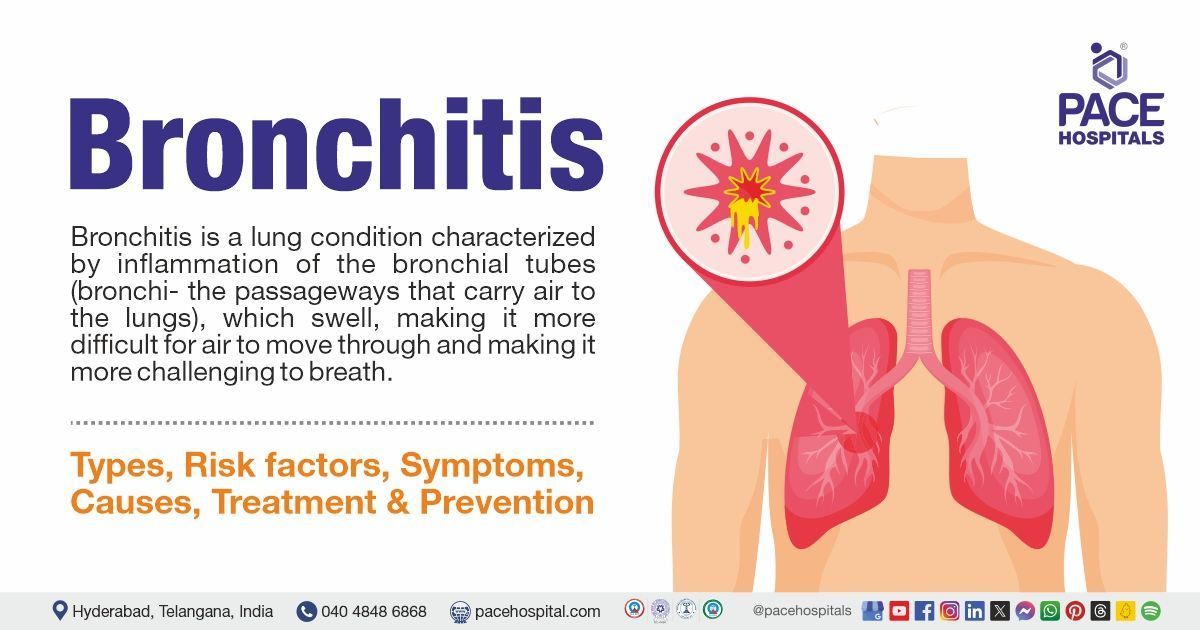
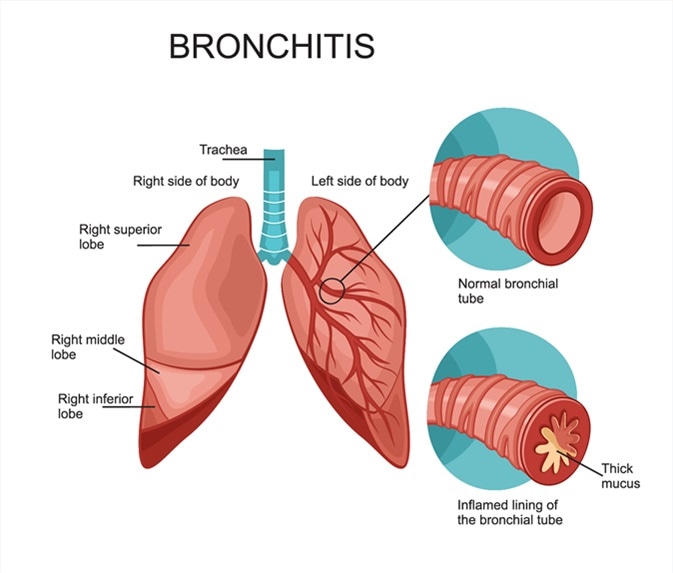
Bronchitis, at its core, refers to the inflammation of the bronchial tubes, the passageways that carry air to and from your lungs. When these tubes become inflamed and irritated, they swell and produce excess mucus, making it difficult to breathe. This often leads to coughing, wheezing, and shortness of breath. While the term “bronchitis” is commonly heard, understanding its nuances, causes, and management is crucial for maintaining respiratory health. This article aims to demystify bronchitis, exploring its different forms and offering insights that align with the broader themes of health, well-being, and proactive management that resonate across technological, branding, and financial spheres.
Understanding the Different Faces of Bronchitis
Bronchitis can manifest in two primary forms: acute and chronic. While both involve inflammation of the bronchial tubes, their duration, causes, and implications differ significantly.
Acute Bronchitis: A Temporary Disruption
Acute bronchitis is a short-term illness, typically lasting for a few weeks. It is most often caused by viral infections, such as the common cold or influenza. These viruses inflame the lining of the bronchial tubes, leading to the characteristic symptoms.
Symptoms of Acute Bronchitis: What to Watch For
The onset of acute bronchitis is often preceded by symptoms of a viral respiratory infection, like a sore throat or runny nose. The cough is usually the most prominent symptom, often starting dry and then progressing to produce mucus. This mucus can be clear, white, yellowish-gray, or even greenish. Other common symptoms include:
- Cough: This is the hallmark symptom and can persist for several weeks even after other symptoms have subsided.
- Mucus production: As mentioned, the color of mucus can vary.
- Chest discomfort or soreness: A persistent cough can cause irritation and soreness in the chest.
- Fatigue: Feeling tired and unwell is common during an acute illness.
- Mild fever: A low-grade fever may accompany the infection.
- Wheezing: A whistling sound during breathing, especially when exhaling.
- Shortness of breath: Difficulty breathing can occur, particularly during exertion.
Causes and Risk Factors for Acute Bronchitis: Beyond the Virus
While viruses are the primary culprits, certain factors can increase your susceptibility to developing acute bronchitis:
- Viral infections: As previously stated, this is the most common cause.
- Exposure to irritants: Smoking (including secondhand smoke), air pollution, dust, and chemical fumes can irritate the bronchial tubes and contribute to inflammation.
- Weakened immune system: Individuals with compromised immune systems, due to illness or certain medications, are more prone to infections that can lead to bronchitis.
Diagnosing and Treating Acute Bronchitis: A Focus on Symptom Relief
Diagnosing acute bronchitis typically involves a physical examination and a review of your symptoms. A doctor may listen to your lungs for abnormal sounds. In some cases, to rule out other conditions like pneumonia, a chest X-ray might be recommended.
The treatment for acute bronchitis primarily focuses on relieving symptoms, as antibiotics are ineffective against viral infections. Key management strategies include:
- Rest: Allowing your body to recover is paramount.
- Hydration: Drinking plenty of fluids, such as water, herbal teas, and clear broths, helps to thin mucus, making it easier to cough up.
- Over-the-counter (OTC) medications: Pain relievers like ibuprofen or acetaminophen can help manage fever and discomfort. Cough suppressants might be used for a dry, bothersome cough, but expectorants that help loosen mucus are often preferred.
- Humidifier: Using a cool-mist humidifier or taking a steamy shower can help soothe inflamed airways and loosen mucus.
- Avoiding irritants: Staying away from smoke, strong perfumes, and other airborne irritants is essential to prevent further exacerbation of symptoms.
It’s important to note that while acute bronchitis usually resolves on its own, seeking medical attention is advisable if symptoms are severe, persist for an extended period, or if you experience high fever, bloody mucus, or worsening shortness of breath.
Chronic Bronchitis: A Long-Term Challenge
Chronic bronchitis is a more serious and long-lasting condition, defined as a persistent cough that produces mucus for at least three months in two consecutive years. It is a component of Chronic Obstructive Pulmonary Disease (COPD), a progressive lung disease.
Symptoms of Chronic Bronchitis: Persistent and Debilitating
The symptoms of chronic bronchitis tend to develop gradually and worsen over time. They are characterized by:
- Chronic cough: A persistent cough that produces a significant amount of mucus, often described as “smoker’s cough.”
- Frequent respiratory infections: Individuals with chronic bronchitis are more susceptible to developing pneumonia and other lung infections.
- Shortness of breath: This symptom typically worsens with exertion and can eventually occur even at rest.
- Wheezing: A whistling sound during breathing.
- Chest tightness: A feeling of pressure or constriction in the chest.
- Fatigue: Persistent tiredness and lack of energy.
- Swelling in the ankles and legs (edema): In severe cases, chronic bronchitis can affect the heart’s ability to pump blood effectively, leading to fluid buildup.
Causes and Risk Factors for Chronic Bronchitis: Lifestyle and Environmental Factors
The primary cause of chronic bronchitis is long-term exposure to irritants that damage the bronchial tubes.
- Smoking: This is by far the leading cause of chronic bronchitis, accounting for the vast majority of cases. The chemicals in cigarette smoke inflame and damage the airways, leading to increased mucus production and impaired clearing mechanisms.
- Air pollution: Prolonged exposure to outdoor and indoor air pollution, including industrial fumes and secondhand smoke, can also contribute to chronic bronchitis.
- Occupational dust and fumes: Working in environments with high levels of dust or chemical fumes, such as mining, agriculture, or manufacturing, increases the risk.
- Genetics: While less common, a genetic predisposition can play a role in the development of COPD, which includes chronic bronchitis.
Diagnosing and Managing Chronic Bronchitis: A Lifelong Commitment
Diagnosing chronic bronchitis involves a thorough medical history, physical examination, and lung function tests (spirometry) to assess lung capacity and airflow. Chest X-rays or CT scans may also be used to evaluate lung damage and rule out other conditions.
Managing chronic bronchitis is a lifelong endeavor aimed at slowing disease progression, relieving symptoms, and preventing complications. Unlike acute bronchitis, there is no cure for chronic bronchitis, but effective management can significantly improve quality of life. Treatment strategies include:
- Smoking cessation: This is the single most important step for individuals with chronic bronchitis. Quitting smoking can significantly slow the progression of the disease and improve lung function.
- Medications:
- Bronchodilators: These medications help to open up the airways, making it easier to breathe. They are typically inhaled.
- Corticosteroids: Inhaled corticosteroids can help reduce inflammation in the airways, particularly during exacerbations.
- Antibiotics: Prescribed to treat bacterial infections that can complicate chronic bronchitis.
- Pulmonary rehabilitation: This is a comprehensive program that includes exercise training, education on managing the condition, and breathing techniques. It can significantly improve exercise tolerance and reduce shortness of breath.
- Oxygen therapy: For individuals with severe shortness of breath and low blood oxygen levels, supplemental oxygen may be prescribed.
- Vaccinations: Annual flu shots and pneumococcal vaccines are recommended to prevent respiratory infections.
- Avoiding irritants: Continuing to avoid smoke, pollution, and other triggers is crucial.
Bronchitis Through the Lens of Technology, Branding, and Finance
While bronchitis is a medical condition, its management and the broader concepts of health and well-being can be viewed through the innovative lenses of technology, strategic branding, and sound financial planning.
Technology’s Role in Respiratory Health Management
In the realm of Tech, advancements are revolutionizing how we monitor and manage respiratory health. Wearable devices can track vital signs like heart rate and oxygen saturation, providing early warnings of potential respiratory distress. AI-powered diagnostic tools are being developed to assist healthcare professionals in identifying lung conditions more accurately and efficiently. Telemedicine platforms enable remote consultations, allowing individuals to receive medical advice and monitoring without frequent hospital visits, particularly beneficial for those with chronic conditions like bronchitis. Furthermore, apps can help patients track medication adherence, monitor symptom progression, and access educational resources, empowering them to take a more active role in their health management. The continuous innovation in health tech promises more personalized and accessible care pathways for individuals dealing with bronchitis and other respiratory ailments.
Branding Your Health: Proactive Well-being Strategies
The principles of Brand management can be applied to our personal health. Just as a strong brand builds trust and loyalty, cultivating a healthy lifestyle builds resilience and well-being. “Branding” your health involves proactively adopting habits that promote respiratory wellness. This means making conscious choices that align with a “healthy lungs” brand identity: choosing to avoid smoking, seeking out environments with clean air, and advocating for policies that improve air quality. For individuals managing chronic bronchitis, this also extends to developing a strong personal brand of resilience and proactivity. This involves effectively communicating their needs to healthcare providers, actively participating in their treatment plans, and building a support network. A strong personal brand built on consistent healthy habits can positively influence one’s journey with a chronic condition.

Financial Well-being and Respiratory Health
The connection between Money and health is undeniable. Proactive health management, especially for chronic conditions like bronchitis, has significant financial implications. Investing in preventative measures – like healthy lifestyle choices, regular check-ups, and avoiding smoking – can save considerable healthcare costs in the long run. For individuals with chronic bronchitis, managing their condition requires financial planning. This might involve budgeting for medications, potential hospitalizations, pulmonary rehabilitation programs, and specialized equipment like oxygen concentrators. Understanding insurance coverage, exploring patient assistance programs, and seeking financial advice for long-term care planning are crucial aspects of managing the economic burden of a chronic illness. Furthermore, the financial stability gained from a healthy lifestyle can reduce stress, which in turn can have positive effects on overall health and well-being, creating a virtuous cycle.
In conclusion, understanding bronchitis – both its acute and chronic forms – is the first step towards effective management and prevention. By embracing advancements in technology, cultivating a proactive approach to personal well-being akin to strong branding, and ensuring sound financial planning for healthcare needs, individuals can navigate the challenges of respiratory health with greater confidence and control. While the medical aspects of bronchitis are paramount, the integration of these broader societal themes offers a holistic perspective on living a healthier, more fulfilling life.
aViewFromTheCave is a participant in the Amazon Services LLC Associates Program, an affiliate advertising program designed to provide a means for sites to earn advertising fees by advertising and linking to Amazon.com. Amazon, the Amazon logo, AmazonSupply, and the AmazonSupply logo are trademarks of Amazon.com, Inc. or its affiliates. As an Amazon Associate we earn affiliate commissions from qualifying purchases.