
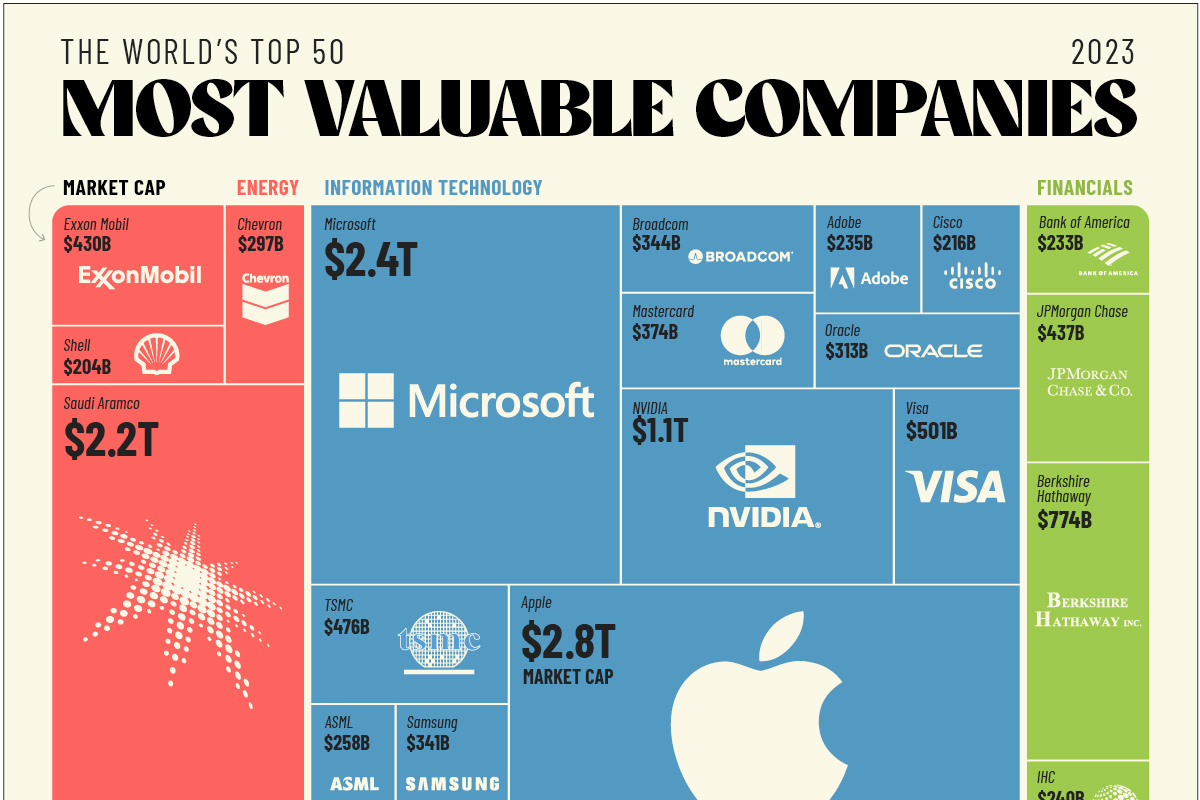
In the dynamic landscape of global commerce, the term “value” is often a multifaceted concept. When we speak of the most valuable companies in the world, we’re not just referring to their stock market capitalization, although that’s a significant metric. We’re also delving into the intangible assets that drive their dominance: their technological innovation, their brand equity, and their mastery of financial strategy. These giants are not merely businesses; they are ecosystems that shape our digital lives, influence our purchasing decisions, and dictate the flow of global capital.
The companies that consistently appear at the pinnacle of global valuation are invariably those that have successfully integrated cutting-edge technology, cultivated powerful, recognizable brands, and demonstrated exceptional financial acumen. They are the architects of our present and the probable builders of our future.
The Pillars of Unrivaled Value: Technology, Brand, and Financial Prowess
The immense valuations of today’s most successful companies are not accidental. They are the product of a strategic convergence of three crucial domains:
Dominance Through Technological Innovation
Technology is the bedrock upon which many of the world’s most valuable companies are built. It’s not just about creating new gadgets; it’s about fundamentally reshaping how we live, work, and interact.
The AI Revolution and its Architects
Artificial Intelligence (AI) has moved from the realm of science fiction to a tangible force driving unprecedented value. Companies at the forefront of AI research and development are not just creating smarter software and more sophisticated algorithms; they are unlocking new paradigms for efficiency, personalization, and problem-solving across industries. Think of the AI tools that are revolutionizing drug discovery, optimizing supply chains, or personalizing educational experiences. The companies that master AI are not just developing tools; they are creating intelligence, and intelligence, in the modern economy, is the ultimate currency.
This isn’t limited to nascent AI startups. Established tech giants are pouring billions into AI research, acquiring promising AI companies, and integrating AI capabilities into every facet of their products and services. From voice assistants that manage our homes to predictive analytics that inform business decisions, AI is becoming an indispensable component of modern life, and the companies that control its development and deployment are reaping enormous rewards. The ability to harness and deploy AI effectively allows these companies to offer services that are more intuitive, efficient, and personalized, creating a powerful lock-in effect with their customer base.
The Ever-Evolving Software and App Ecosystem
Beyond AI, the broader software and app ecosystem remains a critical driver of value. Companies that develop robust, scalable, and user-friendly software solutions, whether for enterprise needs or direct consumer use, command significant market share. The proliferation of mobile apps has created a vast marketplace where innovative ideas can rapidly gain traction and generate substantial revenue. These platforms, often built on sophisticated cloud infrastructure and continuously updated with new features and security protocols, become indispensable tools for billions of people. The recurring revenue models inherent in many software subscriptions further solidify their financial stability and growth potential.
Consider the companies that provide the operating systems for our smartphones, the productivity suites we use for work, or the entertainment platforms that fill our leisure hours. Their value lies not just in the code itself, but in the vast networks of users and developers they cultivate, creating powerful network effects that are incredibly difficult for competitors to overcome. The continuous cycle of innovation, user feedback, and iterative development ensures that these software giants remain at the cutting edge, constantly adapting to new trends and user demands.
The Tangible Impact of Gadgets and Digital Security
While software often takes center stage, the hardware – the gadgets we hold in our hands and the infrastructure that powers our digital lives – also contributes immensely to company value. The design, engineering, and manufacturing of desirable and functional devices require immense capital investment, technical expertise, and a deep understanding of consumer psychology. These companies are not just selling products; they are selling experiences, aspirational lifestyles, and seamless integration into our digital world.
Furthermore, as our reliance on digital systems grows, so too does the critical importance of digital security. Companies that can effectively protect data, safeguard networks, and offer robust cybersecurity solutions are in incredibly high demand. The ever-present threat of cyberattacks makes robust digital security not just a feature, but a fundamental necessity. Companies that can demonstrably provide this security build trust and establish themselves as indispensable partners for individuals and businesses alike, commanding premium pricing and fostering long-term loyalty.
Cultivating Brand Power and Reputation
In a crowded marketplace, a strong brand is more than just a logo; it’s a promise, an identity, and a powerful emotional connection with consumers.

The Art of Brand Strategy and Personal Branding
The most valuable companies understand that their brand is one of their most significant assets. They invest heavily in brand strategy, meticulously crafting their corporate identity to resonate with their target audiences. This involves more than just catchy advertising; it’s about defining their mission, values, and the unique experience they offer. Whether it’s a commitment to sustainability, a focus on customer service, or a reputation for groundbreaking innovation, a well-defined brand builds trust and fosters loyalty.
The rise of personal branding has also blurred the lines between individual influence and corporate power. Influential figures within these companies often become extensions of the brand itself, embodying its values and driving its narrative. This symbiotic relationship can amplify a company’s reach and impact, creating a more relatable and engaging presence in the market. Case studies of successful brand transformations and marketing campaigns often highlight how a shift in brand perception can lead to significant market gains and increased shareholder value.
Marketing, Design, and the Psychology of Influence
Exceptional marketing and design are not merely about aesthetics; they are strategic tools that shape perception and drive desire. The companies that consistently rank among the most valuable are masters of understanding consumer psychology. They employ sophisticated marketing techniques, leveraging data analytics to understand customer behavior and tailor their messaging accordingly. Their product design is often iconic, intuitive, and aspirational, making their offerings not just functional but highly coveted.
The ability to create compelling narratives around their products and services allows these companies to transcend mere transactions. They sell a lifestyle, a solution, or an aspiration. This deep understanding of market dynamics and consumer desires, combined with a relentless focus on delivering a superior user experience, solidifies their position and drives their enduring success. The power of their brand extends beyond direct sales, influencing trends, shaping culture, and creating a halo effect that benefits all their offerings.
Reputation as a Competitive Advantage
In the digital age, reputation is fragile yet incredibly powerful. Companies that consistently maintain a positive public image, demonstrate ethical practices, and respond effectively to challenges build a formidable competitive advantage. Conversely, even a single misstep can have devastating consequences. The most valuable companies prioritize reputational management, investing in transparent communication, corporate social responsibility initiatives, and robust crisis management strategies. A strong reputation translates into customer trust, employee loyalty, and a more favorable regulatory environment. It’s an intangible asset that is difficult to replicate and can take years, even decades, to build, making it a cornerstone of sustainable long-term value.
Mastering the World of Money and Finance
Ultimately, the valuation of a company is measured in financial terms. The most valuable companies are not just innovative and well-branded; they are also exceptionally adept at managing their finances, generating profits, and investing for future growth.
Strategic Investing and Profit Generation
The core of any company’s value lies in its ability to generate profit and reinvest it wisely. Companies at the top of the valuation charts are characterized by their robust revenue streams, efficient cost management, and strategic investment in high-growth areas. They understand the power of scale, leveraging their market position to achieve economies of scale that drive down costs and increase profit margins. Their investment strategies are forward-thinking, identifying emerging trends and allocating capital to ventures that promise significant future returns. This could involve acquiring promising startups, investing in research and development, or expanding into new geographical markets.
The Power of Financial Tools and Business Finance
Sophisticated financial tools and a deep understanding of business finance are essential for navigating the complexities of global markets. The most valuable companies employ top-tier financial professionals who manage everything from complex accounting and taxation to mergers and acquisitions. They utilize advanced financial modeling to forecast market trends, assess risk, and optimize their capital structure. Their ability to access capital markets, whether through issuing debt or equity, at favorable terms further fuels their growth and expansion. The disciplined approach to financial management ensures that their innovation and brand strength are translated into sustainable economic success.
Online Income Streams and Side Hustles for Growth
While large corporations have their own complex revenue models, the concept of diversified income streams is increasingly relevant across the business spectrum. For these giants, this translates to developing multiple, often interconnected, revenue streams. Think of the advertising revenue generated by a search engine, the subscription fees for a streaming service, the hardware sales of a consumer electronics company, and the cloud services offered to businesses. This diversification insulates them from downturns in any single market and creates a powerful engine for sustained growth. Even the idea of “side hustles” can be seen in the way large tech companies spin off or acquire smaller ventures that explore new technological frontiers, essentially creating their own internal incubators for future growth engines.
The Future of Value: A Continual Evolution
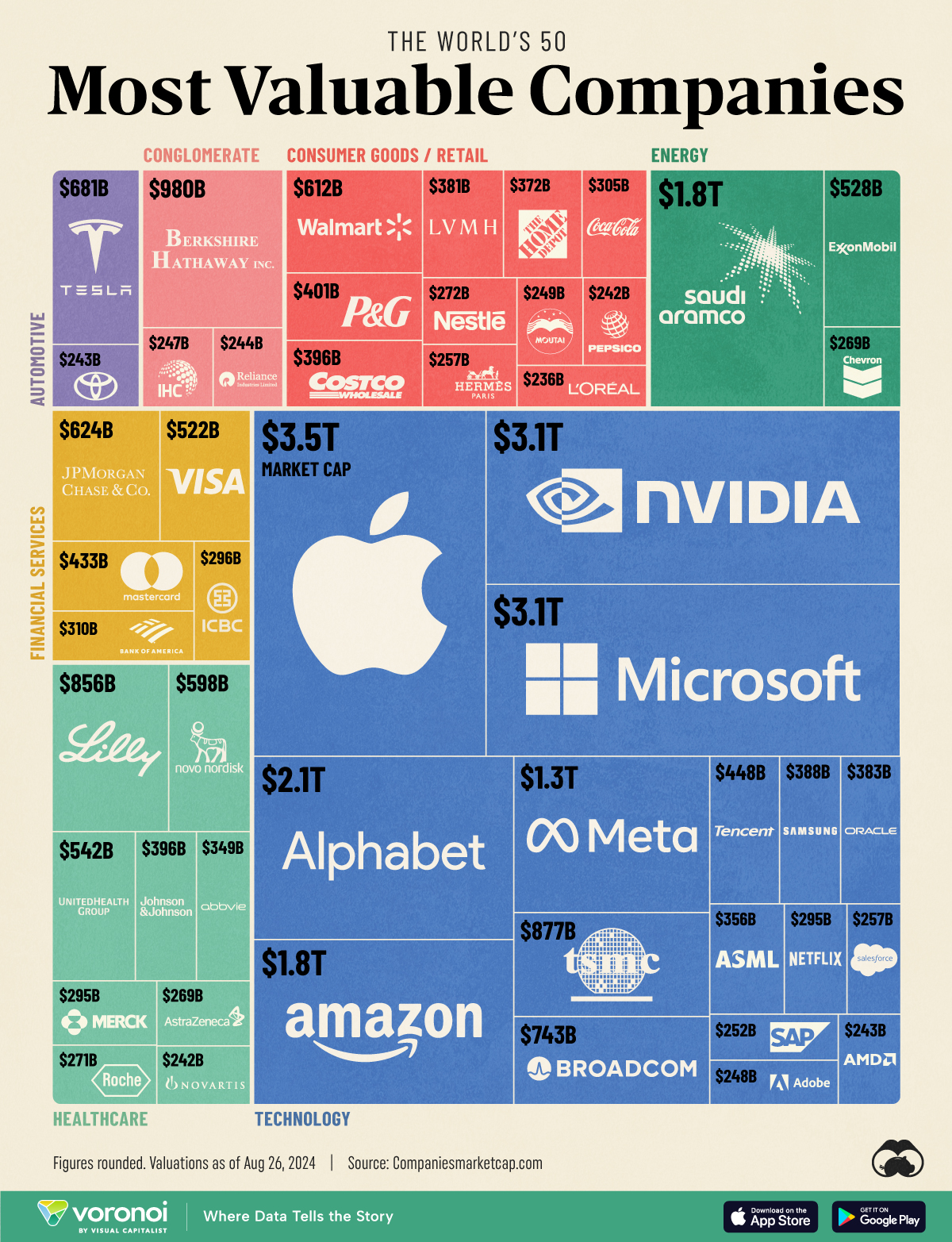
The companies that are the most valuable today are not static entities. They are constantly adapting, innovating, and evolving to meet the challenges and opportunities of tomorrow. The lines between technology, brand, and finance are becoming increasingly blurred, with success in one area often fueling progress in the others. As new technologies emerge, new consumer behaviors develop, and global economic landscapes shift, the definition of “most valuable” will continue to evolve. However, the fundamental principles of technological leadership, compelling brand identity, and astute financial management will undoubtedly remain the cornerstones of enduring corporate success. The companies that can master this intricate dance between innovation, perception, and profitability will continue to shape our world and lead the charge in defining what constitutes true value in the 21st century.
aViewFromTheCave is a participant in the Amazon Services LLC Associates Program, an affiliate advertising program designed to provide a means for sites to earn advertising fees by advertising and linking to Amazon.com. Amazon, the Amazon logo, AmazonSupply, and the AmazonSupply logo are trademarks of Amazon.com, Inc. or its affiliates. As an Amazon Associate we earn affiliate commissions from qualifying purchases.