
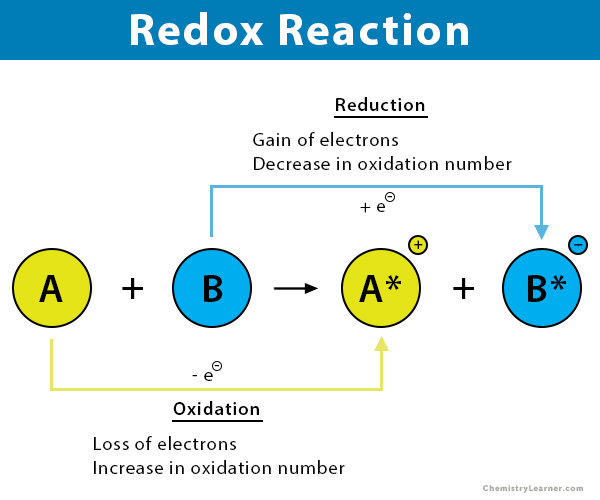
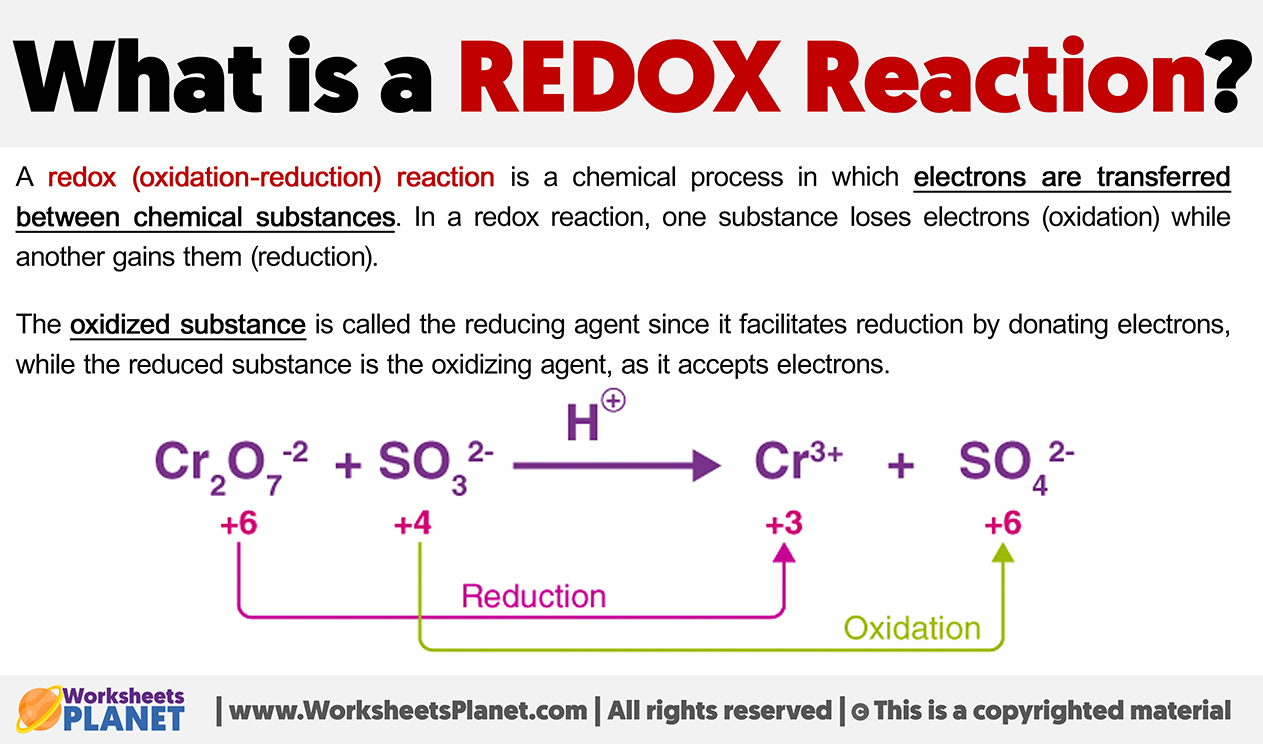
Oxidation-reduction reactions, commonly known as redox reactions, are fundamental chemical processes that underpin a vast array of phenomena, from the way our bodies generate energy to the way batteries power our devices. While the term might sound intimidating, the core concepts are quite accessible. Essentially, redox reactions involve the transfer of electrons between chemical species. One species loses electrons (is oxidized), and another gains electrons (is reduced). This intricate dance of electron movement is the driving force behind many technological advancements, financial innovations, and even the very maintenance of life.
The science of redox reactions is deeply intertwined with our understanding of technology, brand development, and financial systems. Consider the ubiquitous smartphones that populate our pockets; their functionality is a testament to sophisticated battery technology, which relies heavily on redox reactions. The efficiency and longevity of these batteries are direct results of ongoing research and development in materials science and electrochemistry. Similarly, in the realm of branding, the perception of innovation and cutting-edge technology in a company’s identity can be subtly influenced by its association with advancements in areas like energy storage or digital processing – fields heavily reliant on understanding and manipulating redox processes. And when it comes to money, the very concept of storing and transferring value, whether through physical currency or digital transactions, has parallels with the flow of electrons in a redox reaction, representing an exchange of potential and utility.
This article will delve into the fundamental principles of oxidation-reduction reactions, exploring their definition, mechanisms, and the key players involved. We’ll then broaden our perspective to examine how these reactions manifest and are leveraged across the diverse landscapes of technology, brand strategy, and personal and business finance, revealing their surprising and far-reaching impact.
The Core Concepts: Oxidation and Reduction
At its heart, a redox reaction is characterized by the simultaneous occurrence of two complementary processes: oxidation and reduction. These terms, though sometimes used in broader contexts, have very specific meanings in chemistry.
Oxidation: The Loss of Electrons
Oxidation refers to the loss of electrons by a chemical species. When a substance is oxidized, its oxidation state – a hypothetical charge assigned to an atom in a molecule or ion – increases. This might seem counterintuitive, as “oxidation” often evokes images of rust or burning, which are typically destructive processes. However, in chemistry, oxidation is simply about the shedding of electrons.
A classic and easily observable example of oxidation is the rusting of iron. When iron (Fe) is exposed to oxygen (O₂) and water, it undergoes a series of reactions where it loses electrons to form iron oxides (like rust). The iron atoms transition from a neutral state (oxidation state 0) to a positively charged state (e.g., Fe²⁺ or Fe³⁺), indicating they have lost electrons.
Reduction: The Gain of Electrons
Reduction, conversely, is the gain of electrons by a chemical species. When a substance is reduced, its oxidation state decreases. The substance that accepts the electrons is said to be reduced.
In the rusting of iron example, oxygen acts as the oxidizing agent. It accepts the electrons lost by the iron, and in doing so, it is reduced. Oxygen atoms in O₂ gain electrons and are converted into oxide ions (O²⁻).
The Indivisible Pair: Redox Reactions
It is crucial to understand that oxidation and reduction never occur in isolation. One species cannot lose electrons unless another species is there to gain them. Therefore, oxidation and reduction always happen together in what we call a redox reaction.
To remember which is which, mnemonics can be helpful:
- OIL RIG: Oxidation Is Loss, Reduction Is Gain (of electrons).
- LEO the lion says GER: Lose Electrons Oxidation, Gain Electrons Reduction.
Identifying Oxidation States: The Key to Understanding Redox
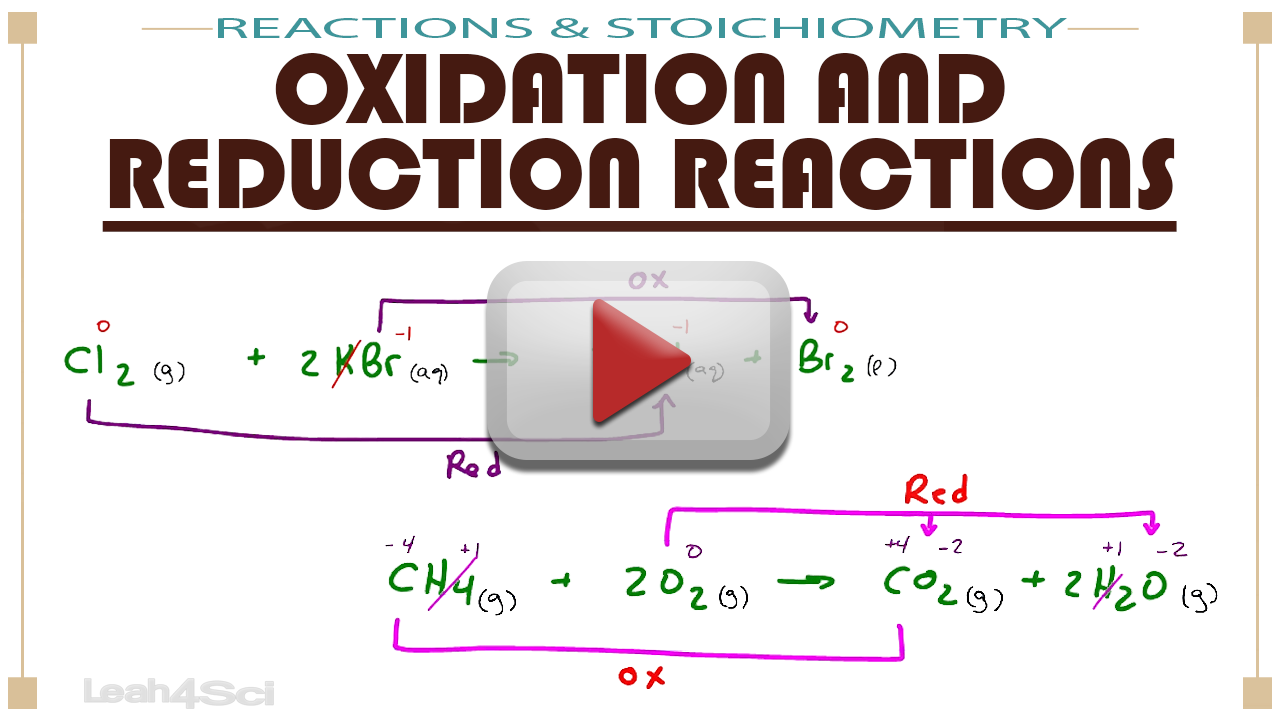
To accurately identify what is being oxidized and what is being reduced in a reaction, chemists use the concept of oxidation states. These are a set of rules that allow us to assign a numerical value to each atom in a compound. By tracking the changes in these oxidation states during a reaction, we can pinpoint the electron transfer.
Common rules for assigning oxidation states include:
- The oxidation state of an element in its elemental form is zero.
- The oxidation state of oxygen in most compounds is -2 (except in peroxides where it’s -1).
- The oxidation state of hydrogen is +1 when bonded to nonmetals and -1 when bonded to metals.
- The sum of oxidation states in a neutral compound is zero.
- The sum of oxidation states in a polyatomic ion equals the charge of the ion.
For instance, in the formation of water from hydrogen gas (H₂) and oxygen gas (O₂):
2H₂ (0) + O₂ (0) → 2H₂O (-2 for O, +1 for each H)
Here, hydrogen’s oxidation state changes from 0 to +1, indicating it lost electrons (oxidation). Oxygen’s oxidation state changes from 0 to -2, indicating it gained electrons (reduction).
Redox Reactions in the Digital Age: Powering Our Connected World
The ubiquitous nature of technology in our modern lives is inextricably linked to the principles of redox reactions. From the devices we use daily to the infrastructure that supports our digital interactions, redox processes are fundamental to their operation and innovation.
Batteries: The Heart of Portable Power
Perhaps the most direct and impactful application of redox reactions in technology is in the design and function of batteries. Batteries are electrochemical devices that convert chemical energy into electrical energy through controlled redox reactions.
How Batteries Work:
At a high level, a battery consists of two electrodes (an anode and a cathode) separated by an electrolyte.
- Anode: This is where oxidation occurs. The material at the anode loses electrons, which then flow through an external circuit to the cathode.
- Cathode: This is where reduction occurs. The material at the cathode accepts the electrons from the anode.
The electrolyte facilitates the movement of ions between the electrodes to complete the circuit, ensuring the reaction can continue. The potential difference between the anode and cathode, determined by the specific redox chemistries involved, dictates the voltage of the battery.
Types of Batteries and Their Redox Chemistry:
Different battery technologies employ distinct redox couples to achieve varying performance characteristics like energy density, power output, and cycle life.
- Lithium-ion Batteries: These are the workhorses of modern portable electronics, powering everything from smartphones and laptops to electric vehicles. They utilize the reversible movement of lithium ions between a graphite anode and a metal oxide cathode. During discharge, lithium atoms at the anode lose electrons and become lithium ions, which migrate through the electrolyte to the cathode, where they are reduced and incorporated into the cathode material. The overall reaction involves the oxidation of lithium at the anode and the reduction of a transition metal oxide at the cathode. The continuous research in anode and cathode materials aims to improve energy density and charging speeds, directly manipulating the underlying redox potentials and reaction kinetics.
- Lead-acid Batteries: Commonly found in cars, these batteries involve the oxidation of lead at the anode and the reduction of lead dioxide at the cathode in a sulfuric acid electrolyte. While less energy-dense than lithium-ion, they are robust and cost-effective for high-current applications.
- Alkaline Batteries: These single-use batteries utilize the oxidation of zinc at the anode and the reduction of manganese dioxide at the cathode in an alkaline electrolyte.
The ongoing pursuit of more efficient, safer, and longer-lasting batteries is a testament to the continuous exploration of new redox chemistries and material science. Innovations in battery technology directly impact the tech sector by enabling more powerful and enduring gadgets, driving advancements in electric transportation, and supporting renewable energy storage solutions.
Digital Security and Data Integrity
While not as direct as battery technology, the principles behind redox reactions can provide interesting analogies for understanding concepts in digital security. The flow and transfer of “charge” – analogous to electron flow – are critical.
- Data Transmission: The secure transmission of data relies on ensuring that the “signal” (representing data) is not corrupted or intercepted. Analogous to maintaining the integrity of electron flow in a circuit, robust encryption protocols ensure that data packets arrive at their destination uncompromised. Tampering with data would be akin to disrupting or altering the intended electron transfer in a redox process.
- Authentication: Verifying the identity of users or devices can be seen as a process of “proving one’s charge.” For example, cryptographic keys, used in authentication, are like unique “electron signatures” that, when correctly presented, allow access. A successful authentication confirms the right “charge” has been presented, allowing the system to proceed.
The tech industry is constantly innovating in digital security, and while direct redox applications might not be evident, the underlying principles of controlled flow, integrity, and verification find echoes in these concepts.
Redox Reactions and Brand Perception: The Chemistry of Trust
The influence of redox reactions extends beyond the purely technical into the realm of branding and corporate identity. While not a direct scientific application, the principles of stability, energy, and transformation inherent in redox processes can inform and subtly resonate with brand messaging and perception.
Innovation and Progress: The “Spark” of Redox
Brands that position themselves as innovators and leaders often leverage imagery and language associated with progress, transformation, and energy. Redox reactions are inherently about change and the release or storage of energy.
- Technological Advigoration: Companies developing cutting-edge technologies, especially in areas like renewable energy, advanced materials, or AI, can subtly align their brand narrative with the dynamic and transformative nature of redox. The “spark” of innovation, the “energy” driving progress, and the “transformation” of industries are all concepts that can find a chemical resonance with redox processes. For instance, a brand focused on sustainable energy storage might highlight the efficient electron transfer in their solutions, positioning themselves as harnessing powerful natural forces.
- Future-Forward Messaging: Brands aiming to convey a sense of optimism and a bright future can draw parallels with the concept of stored energy and controlled release. The potential for future action and impact, much like the stored chemical potential in a battery, can be a powerful branding tool.
Corporate Identity: Stability and Transformation
The ability of redox reactions to either build up stable compounds or break them down to release energy can also be a metaphor for corporate identity.
- Building Trust and Reputation: Just as stable chemical compounds are essential in many industrial processes, a strong and stable corporate identity is crucial for building trust and a positive reputation. The “chemistry” of a brand – its values, mission, and consistent messaging – needs to be robust and resistant to “corrosion” from negative publicity or market shifts. This can be likened to a well-maintained, stable redox system.
- Adapting to Change: Conversely, brands need to be able to adapt and transform in response to market dynamics and evolving consumer needs. This capacity for change, without losing their core identity, can be metaphorically linked to the controlled transformations of redox reactions. A brand that successfully reinvents itself, much like a reversible redox reaction, demonstrates resilience and forward-thinking.
- Case Studies and Performance: When showcasing case studies of success, brands often highlight how they have “energized” a client’s business or “transformed” their outcomes. These descriptors, while metaphorical, tap into the inherent understanding of energy transfer and change that redox reactions embody.
The strategic use of language and imagery in marketing and branding can therefore subtly connect with the scientific understanding of redox reactions, creating a deeper, albeit often unconscious, resonance with audiences.
Redox Reactions and the World of Money: Energy, Exchange, and Value
The connection between redox reactions and the world of money might seem less obvious at first glance, but intriguing parallels can be drawn when considering concepts of energy, exchange, and the storage and transfer of value.
Storing and Transferring Value: The “Charge” of Currency
At its most fundamental, money represents stored value and a medium of exchange. This can be compared to the potential energy stored within chemical bonds in redox reactions, or the flow of electrons that facilitates energy transfer.
- Financial “Energy”: Just as a battery stores potential chemical energy that can be converted into electrical energy, financial capital represents stored economic potential. The “charge” of money, its purchasing power and capacity to drive economic activity, is analogous to the electrical charge carried by electrons.
- Exchange and Transactions: Every financial transaction, from a simple purchase to a complex investment, involves the transfer of value. This is akin to the transfer of electrons in a redox reaction, where charge moves from one species to another. The efficiency and security of these transactions are paramount, much like ensuring the controlled and predictable flow of electrons in a chemical process.
Investing and Economic “Reactions”
The dynamics of investment and the broader economy can be viewed through a lens of transformation and energy release or absorption.
- Investment as Redox: Investing can be seen as a form of financial “oxidation” where capital is deployed (electrons are “lost” from readily available funds) with the expectation of future returns – a “reduction” in the form of increased wealth or assets. Conversely, selling an investment could be viewed as “reduction,” as assets are converted back into liquid capital.
- Economic Cycles: Economic booms and busts can be viewed as large-scale “reactions” within the financial system. Periods of rapid growth and investment might be likened to highly energetic or exothermic reactions, where capital is actively flowing and being converted. Recessions or market corrections could be seen as periods of adjustment or endothermic processes, where energy is absorbed and activity slows down.
- Financial Tools and Processes: Many financial tools and processes are designed to facilitate the efficient transfer and transformation of value, mirroring the controlled nature of redox reactions. For example, financial derivatives can be used to hedge risk or speculate on future price movements, effectively acting as mechanisms to manage and channel financial “energy.”
Personal Finance and Side Hustles: Maximizing “Energy” Efficiency
In personal finance, the goal is often to maximize the efficiency of one’s financial resources, much like optimizing a chemical reaction for maximum yield.
- Budgeting and Saving: Effective budgeting and saving are about managing financial “energy” efficiently, preventing unnecessary “losses” (spending) and accumulating “potential” (savings).
- Side Hustles and Online Income: The pursuit of side hustles and online income can be seen as actively seeking out new “reaction pathways” to generate additional financial “energy.” This involves identifying opportunities for value creation and exchange, much like chemists explore new reactions to produce desired compounds. The efficient deployment of time and skills in these ventures is key to maximizing the “output” – the income generated.
The intricate interplay of value, exchange, and potential in the financial world, therefore, finds a curious yet insightful resonance with the fundamental principles of oxidation-reduction reactions. Understanding these underlying analogies can offer a fresh perspective on managing personal finances and navigating the complexities of the global economy.
aViewFromTheCave is a participant in the Amazon Services LLC Associates Program, an affiliate advertising program designed to provide a means for sites to earn advertising fees by advertising and linking to Amazon.com. Amazon, the Amazon logo, AmazonSupply, and the AmazonSupply logo are trademarks of Amazon.com, Inc. or its affiliates. As an Amazon Associate we earn affiliate commissions from qualifying purchases.