
High cholesterol often lurks silently, a hidden threat that can, over time, lead to serious cardiovascular diseases like heart attacks and strokes. While its health implications are widely known, what’s less frequently discussed is the profound financial burden it can impose – both directly through medical costs and indirectly through lost income and reduced quality of life. Understanding the true causes of high cholesterol and taking proactive steps to manage it isn’t just a health imperative; it’s a strategic financial decision that can safeguard your future wealth and well-being.

In an era where healthcare costs continue to skyrocket, viewing our health as a critical asset makes more sense than ever. Managing cholesterol effectively is an investment with a significant return, potentially preventing devastating financial shocks down the line. This article will delve into the actual causes of high cholesterol, reframing them through a financial lens, and outline practical, budget-conscious strategies to lower it, ultimately protecting your most valuable resource: your financial security and capacity to earn.
The Hidden Financial Burden of High Cholesterol
The diagnosis of high cholesterol often comes with a prescription, but the real cost extends far beyond a monthly co-pay for medication. Unmanaged, high cholesterol is a precursor to a cascade of expensive health issues that can deplete savings, strain budgets, and even impact retirement plans. Understanding these financial ramifications is the first step toward appreciating the monetary value of prevention and proactive management.
Understanding the Direct Medical Costs
When cholesterol levels remain elevated, the risk of atherosclerosis – the hardening and narrowing of arteries – increases significantly. This can lead to angina, heart attacks, strokes, and peripheral artery disease, each demanding extensive and costly medical interventions.
Consider the immediate expenses:
- Doctor Visits and Diagnostics: Regular check-ups, blood tests (lipid panels), and potentially more specialized tests like EKGs or stress tests. These recurring costs add up, even with insurance.
- Medication: Statins, PCSK9 inhibitors, and other lipid-lowering drugs can be life-saving but represent a continuous monthly expense for decades. Generic options can help, but proprietary drugs can be very expensive.
- Emergency Care and Hospitalizations: A heart attack or stroke can trigger an immediate, colossal bill. Emergency room visits, ambulance services, hospital stays, intensive care, and surgical procedures (like angioplasty or bypass surgery) can easily run into tens or even hundreds of thousands of dollars, even with good insurance. High deductibles, co-insurance, and out-of-pocket maximums can still leave individuals with substantial personal debt.
- Rehabilitation: Post-event, cardiac rehabilitation programs, physical therapy, and ongoing specialist appointments (cardiologists, neurologists) are crucial for recovery but add further to the financial burden.
These direct costs represent a significant drain on personal finances, often unanticipated and capable of derailing carefully constructed financial plans.
Indirect Financial Impacts: Lost Income and Productivity
Beyond the direct medical bills, high cholesterol can exact a heavy toll on an individual’s earning potential and overall economic productivity.
- Lost Wages and Employment: Chronic conditions stemming from high cholesterol can lead to reduced work capacity, frequent sick days, or even permanent disability. A heart attack, for example, often necessitates an extended recovery period, resulting in lost income. In some severe cases, individuals may be unable to return to their previous employment, forcing them into lower-paying jobs or early retirement.
- Caregiving Costs: If a family member suffers a severe cholesterol-related event, another family member might need to reduce work hours or take a leave of absence to provide care, impacting household income.
- Reduced Quality of Life and Opportunity Cost: Living with chronic illness can limit participation in career-advancing opportunities, personal hobbies, and social activities. While harder to quantify, the opportunity cost of these missed experiences and career growth can be substantial over a lifetime. The mental and emotional stress of managing a severe illness also impacts decision-making and overall well-being.
These indirect costs, though less tangible than a hospital bill, contribute significantly to the overall financial devastation that unmanaged high cholesterol can bring.
The Long-Term Investment in Your Health
Viewing health as an investment asset is a powerful paradigm shift. Just as you invest in stocks, real estate, or a retirement fund, investing in your health – particularly in preventing and managing high cholesterol – yields substantial long-term returns.
- Compounding Returns: The healthier you are, the more likely you are to remain productive, maintain a stable income, and avoid costly medical interventions for longer. This allows your financial assets to compound effectively without being siphoned off for healthcare expenses.
- Insurance Savings: Healthier individuals may qualify for better life insurance rates or avoid loading clauses that increase premiums due to pre-existing conditions.
- Peace of Mind: The psychological benefit of financial security, knowing you’ve mitigated significant health risks, cannot be overstated. This peace of mind allows for better focus on career, family, and personal growth.
In essence, managing high cholesterol isn’t just about living longer; it’s about living a financially secure and fulfilling life.
Unpacking the Root Causes: A Financial Perspective on Lifestyle Choices
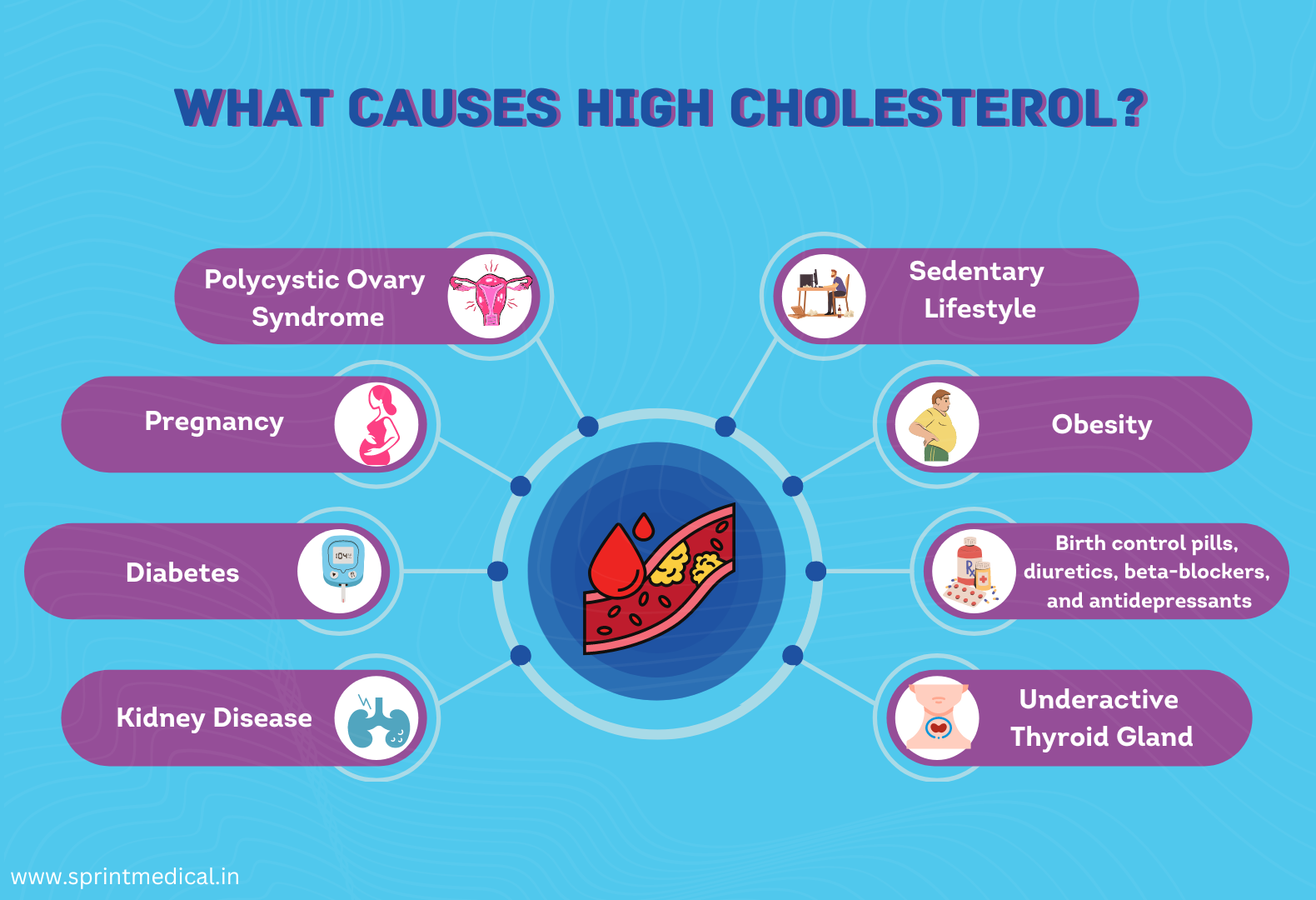
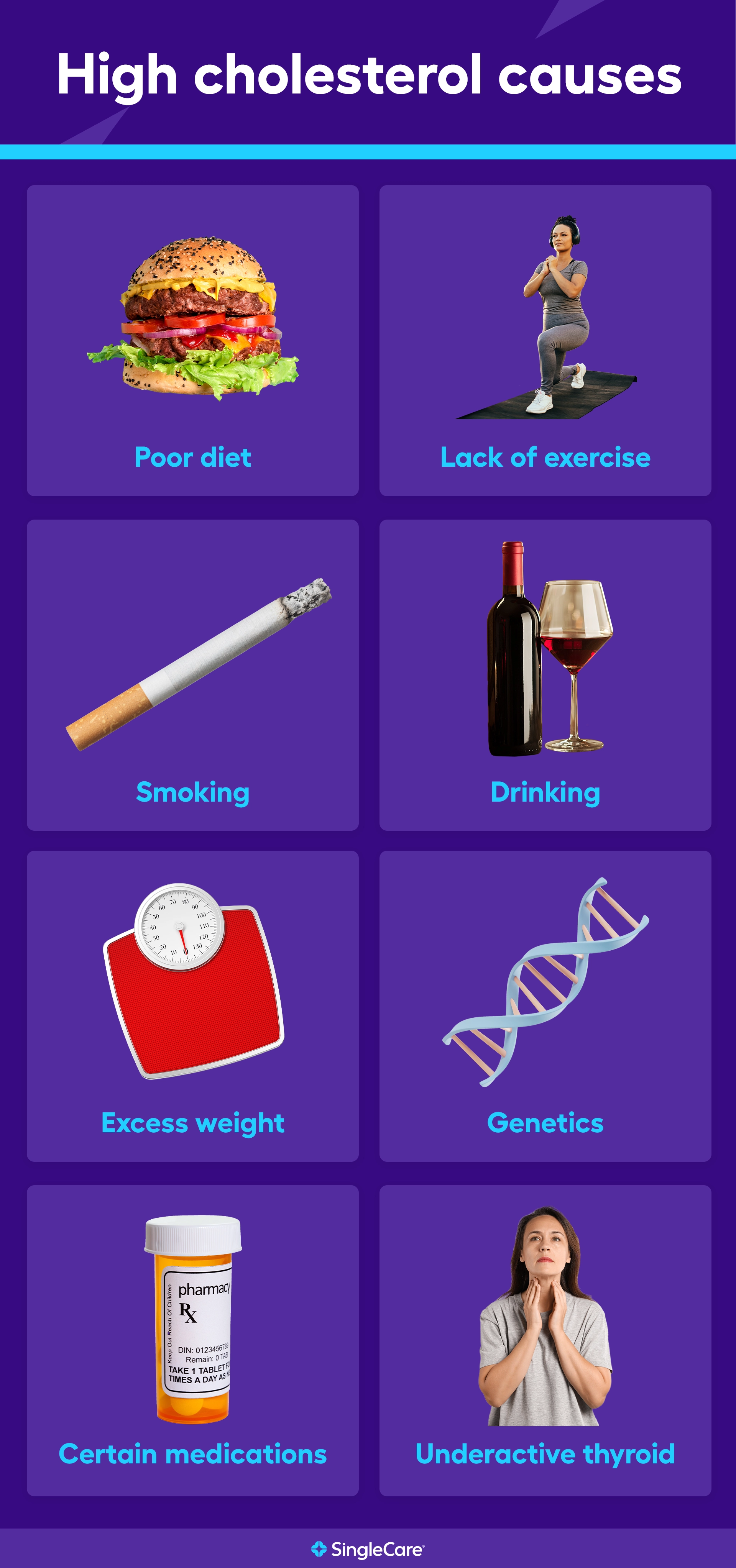
High cholesterol is rarely a singular event; it’s often the cumulative result of a combination of genetic predispositions and, critically, lifestyle choices. Understanding these root causes through a financial lens helps illuminate where our spending habits intersect with our health outcomes, offering opportunities for smarter resource allocation.
Dietary Habits: The Cost of Convenience vs. Health
What we eat directly impacts our cholesterol levels, particularly LDL (“bad”) cholesterol and triglycerides. A diet rich in saturated and trans fats, found predominantly in processed foods, fast food, and certain animal products, is a major culprit. From a financial viewpoint, these choices often represent the “cost of convenience.”
- The Lure of Cheap, Unhealthy Food: Fast food, pre-packaged meals, and sugary snacks are often perceived as cheaper and quicker options, especially for busy individuals or families on a tight budget. However, the long-term health consequences, leading to high cholesterol and related diseases, represent a much higher deferred cost.
- Investing in Whole Foods: While fresh produce, lean proteins, and whole grains might seem pricier upfront, they are an investment in future health. Budgeting for healthier groceries, meal prepping, and cooking at home are financially prudent strategies that pay dividends in cholesterol management and overall well-being. Consider the cost-per-serving of homemade meals versus restaurant or takeout options, and the nutritional superiority becomes clear.
- Avoiding “Dietary Debt”: Just as financial debt accrues interest, poor dietary habits accrue “dietary debt” in the form of elevated cholesterol, blood pressure, and blood sugar, all of which lead to future medical expenses. Choosing wisely now is like paying down a high-interest loan.
Sedentary Lifestyles: Investing in Activity
Physical inactivity is another significant contributor to high cholesterol, particularly low HDL (“good”) cholesterol. In our increasingly desk-bound society, a sedentary lifestyle is often a default choice, but it comes with a hidden price tag.
- The Cost of Inactivity: A lack of physical activity not only impacts cholesterol but also contributes to obesity, diabetes, and other chronic conditions, all of which incur substantial medical costs. The “cost” here is the missed opportunity to naturally improve lipid profiles through exercise.
- Budgeting for Movement: Investing in physical activity doesn’t require expensive gym memberships. Walking, jogging, cycling, or home-based workouts are free or low-cost options. For those who prefer structured environments, budgeting for an affordable gym membership or fitness classes can be a wise allocation of funds, yielding health benefits that prevent far greater expenditures later.
- Integrating Activity into Your Day: Simple choices like taking the stairs, walking during lunch breaks, or biking to work can reduce your “sedentary debt” without incurring significant financial outlay, and often save money on transportation.
Genetics and Modifiable Risk Factors: Prioritizing Proactive Management
While genetics play a role in some cases of high cholesterol (e.g., familial hypercholesterolemia), lifestyle choices often exacerbate or mitigate these predispositions. Even with a genetic component, proactive management is key.
- Early Detection as Risk Mitigation: Regular health check-ups and lipid panel screenings are relatively inexpensive preventative measures. They allow for early detection and intervention, potentially preventing the progression to more severe, and costly, conditions. Think of it as an early warning system for your financial health.
- Managing Other Risk Factors: Smoking, excessive alcohol consumption, and unmanaged stress can all negatively impact cholesterol levels. These habits often come with direct financial costs (cigarettes, alcohol purchases) and indirect costs through their health impacts. Quitting smoking, moderating alcohol, and investing in stress-reduction techniques (meditation, therapy, hobbies) are financially and medically beneficial.
- Seeking Professional Guidance: Consulting with a doctor or a registered dietitian might seem like an expense, but their guidance can be invaluable in tailoring a personalized plan that is both effective and financially sustainable, preventing costly trial-and-error approaches.
Strategic Financial Planning for Lowering Cholesterol
Successfully lowering cholesterol and maintaining healthy levels requires a thoughtful approach that integrates health goals with financial planning. It’s about making smart, sustainable choices that protect both your body and your bank account.
Budgeting for Heart-Healthy Eating
Adopting a heart-healthy diet doesn’t have to break the bank. It requires strategic planning and conscious spending.
- Meal Planning and Grocery Lists: Plan your meals for the week, focusing on whole, unprocessed foods. Create a detailed grocery list and stick to it to avoid impulse buys and reduce waste.
- Shop Smart: Utilize sales, buy in season, and consider store brands for staples like oats, beans, and frozen vegetables. Buying in bulk for non-perishable items can also offer savings.
- Cook at Home: Eating out frequently is significantly more expensive and often less healthy than preparing meals at home. Invest in basic cooking skills and enjoy the financial and health benefits.
- Plant-Based Power: Incorporate more plant-based meals. Legumes, whole grains, fruits, and vegetables are generally more affordable than meat and dairy products, and they are excellent for cholesterol reduction.
- Grow Your Own: For those with space, a small garden can provide fresh, organic produce at minimal cost.
Smart Spending on Fitness and Wellness
Physical activity is crucial, and it can be integrated into your life without major financial commitments.
- Free Fitness: Walking, running, hiking, and bodyweight exercises are completely free. Explore local parks, trails, or simply walk around your neighborhood.
- Community Resources: Many communities offer low-cost fitness classes, recreational sports leagues, or access to public pools and tracks.
- Home Gym Essentials: Instead of an expensive gym membership, invest gradually in a few basic items for a home workout: resistance bands, dumbbells, a yoga mat. These are one-time costs that provide long-term benefits.
- Budget-Friendly Apps: Many fitness apps offer free tiers or affordable subscriptions, providing guided workouts and tracking capabilities.
Maximizing Your Healthcare Investments: Insurance and Preventive Care
Your health insurance is a vital financial tool in managing cholesterol and overall health. Understanding and utilizing it effectively is key.
- Understand Your Policy: Familiarize yourself with your insurance plan’s coverage for preventive care, specialist visits, prescriptions, and emergency services. Know your deductibles, co-pays, and out-of-pocket maximums.
- Leverage Preventive Benefits: Most insurance plans cover annual physicals and lipid panel screenings at 100%, without a co-pay or deductible. Utilize these benefits to monitor your cholesterol and catch issues early.
- Generic Medications: Discuss generic alternatives with your doctor. They are chemically identical to brand-name drugs but significantly cheaper.
- Health Savings Accounts (HSAs) and Flexible Spending Accounts (FSAs): If eligible, contribute to an HSA or FSA. These tax-advantaged accounts allow you to pay for qualified medical expenses, including prescriptions and doctor visits, with pre-tax dollars, effectively reducing your healthcare costs.
The ROI of Proactive Cholesterol Management
The return on investment (ROI) for proactively managing high cholesterol is perhaps one of the most compelling financial arguments for prioritizing health. It’s an investment that pays dividends in both tangible savings and intangible improvements to your quality of life.
Avoiding Catastrophic Health Expenses
The most direct and significant financial return comes from preventing the high costs associated with heart attacks, strokes, and other cardiovascular events. Each dollar spent on prevention and management today is potentially saving thousands, or even hundreds of thousands, of dollars in future emergency medical bills, surgical procedures, and long-term care. This is the ultimate financial risk mitigation strategy.
Enhancing Long-Term Financial Security
By maintaining good health, you extend your years of productivity and earning potential. You’re less likely to suffer from lost wages, career setbacks, or the need for early retirement due to illness. This allows your financial plans—whether for retirement, education, or other life goals—to stay on track, building your wealth rather than depleting it. A healthy individual has more control over their financial destiny.
Financial Tools and Resources for a Healthier You
Several financial tools can aid in managing health-related expenses and fostering a healthier lifestyle:
- Budgeting Apps: Utilize apps like Mint, YNAB, or similar tools to track spending on groceries, fitness, and healthcare. This helps identify areas where you can optimize spending for health.
- Wellness Programs: Many employers offer wellness programs that include discounted gym memberships, health coaching, or incentives for health-improving activities. These can be excellent, low-cost resources.
- Nutrition Tracking Apps: While not directly financial, apps that help track food intake can make you more aware of your dietary habits, which can lead to healthier, more cost-effective food choices.
- Health Savings Accounts (HSAs): As mentioned, HSAs offer a triple tax advantage (contributions are tax-deductible, earnings grow tax-free, and withdrawals for qualified medical expenses are tax-free) and can serve as a powerful retirement savings vehicle that doubles as a medical emergency fund.
In conclusion, managing high cholesterol is more than a medical concern; it’s a critical component of sound financial planning. By understanding its causes through a financial lens and adopting proactive, budget-conscious strategies, you not only safeguard your health but also secure your financial future, proving that investing in your well-being is the smartest money move you can make.
aViewFromTheCave is a participant in the Amazon Services LLC Associates Program, an affiliate advertising program designed to provide a means for sites to earn advertising fees by advertising and linking to Amazon.com. Amazon, the Amazon logo, AmazonSupply, and the AmazonSupply logo are trademarks of Amazon.com, Inc. or its affiliates. As an Amazon Associate we earn affiliate commissions from qualifying purchases.