
The streaming giant Netflix is more than just a purveyor of entertainment; it’s a complex ecosystem where technology innovation, brand evolution, and financial strategy intersect. As Netflix continually reshapes its content library and platform, understanding these underlying forces provides crucial insights for consumers, creators, and investors alike. This article delves into the future of Netflix through the lens of technology trends, brand perception, and financial implications, exploring what’s truly coming to the streaming service beyond just the next binge-worthy series.
The Technological Engine Driving Netflix’s Future
Netflix’s dominance in the streaming wars is intrinsically linked to its relentless pursuit of technological advancement. From its early days of DVD-by-mail to its current status as a global streaming powerhouse, technology has been the bedrock of its success. As we look ahead, several key technological trends are poised to shape Netflix’s offerings and user experience.

AI and Personalization: The Future of Content Discovery
Artificial intelligence (AI) is no longer a futuristic concept for Netflix; it’s a deeply embedded operational component. The recommendation engine, the heart of Netflix’s user experience, is a prime example of AI in action. Millions of data points, from viewing habits and time of day to genre preferences and even device used, are processed in real-time to curate a personalized homepage for each subscriber.
Looking forward, the sophistication of these AI algorithms is only set to increase. We can expect AI to move beyond simply recommending existing content to actively influencing content creation. AI-powered tools could assist writers in generating script ideas, analyze audience reception to early drafts, and even help in optimizing trailer cuts for maximum engagement. Furthermore, AI will play a pivotal role in dynamic pricing models, potentially offering tiered subscriptions based on individual viewing patterns and device usage, a concept we’ll explore further in the “Money” section.
The impact of AI extends to the user interface as well. Natural language processing (NLP) could lead to more intuitive search functions, allowing users to discover content through conversational queries rather than keyword matching. Imagine asking, “Find me a lighthearted sci-fi comedy with a strong female lead released in the last two years,” and receiving precise, relevant suggestions. This level of granular control, powered by AI, promises a more engaging and less frustrating content discovery journey.
Enhanced Streaming Technologies: Beyond HD and 4K
While high-definition and 4K streaming have become standard, Netflix is continuously exploring next-generation streaming technologies to elevate the viewing experience. Advancements in codecs and compression algorithms are crucial for delivering higher resolutions and richer visual experiences with less bandwidth, making premium content accessible to a wider audience.
The future may see a greater adoption of technologies like Dolby Vision and HDR10+ becoming standard, offering a wider range of colors and contrast for a more immersive visual spectacle. Furthermore, we can anticipate Netflix exploring volumetric video or even augmented reality (AR) integrations in the longer term. While still nascent, the potential for AR overlays that provide real-time information about actors, historical context, or even interactive elements within a show could revolutionize how we consume visual media.
Digital Security and Content Protection: A Constant Arms Race
As Netflix’s content library grows and its global reach expands, digital security and content protection become paramount. The battle against piracy is an ongoing one, and Netflix invests heavily in robust digital rights management (DRM) technologies. Expect continued innovation in this space, with advanced encryption methods and watermarking techniques to safeguard its intellectual property.
Beyond piracy, Netflix also faces challenges related to account sharing and unauthorized access. AI can play a role here too, by identifying suspicious login patterns and detecting anomalies that might indicate account compromise. The company’s commitment to ensuring a secure platform for its users and protecting its content from unauthorized distribution is a critical, albeit often unseen, technological endeavor.
The Evolving Brand of Netflix: From Disruptor to Established Giant
Netflix’s journey from a DVD mail-order service to a global entertainment behemoth is a masterclass in brand evolution. Its initial disruptive brand image has matured, and the company is now navigating the complexities of being an established player in a highly competitive market.
Adapting Brand Messaging in a Multi-Tiered Strategy
Netflix’s introduction of an ad-supported tier marks a significant shift in its brand strategy. Previously synonymous with premium, ad-free entertainment, the company is now aiming to capture a broader market segment by offering a more affordable option. This necessitates a delicate balancing act in brand messaging. The core promise of diverse, high-quality content remains, but the marketing needs to effectively communicate the value proposition of both the premium and the ad-supported tiers.
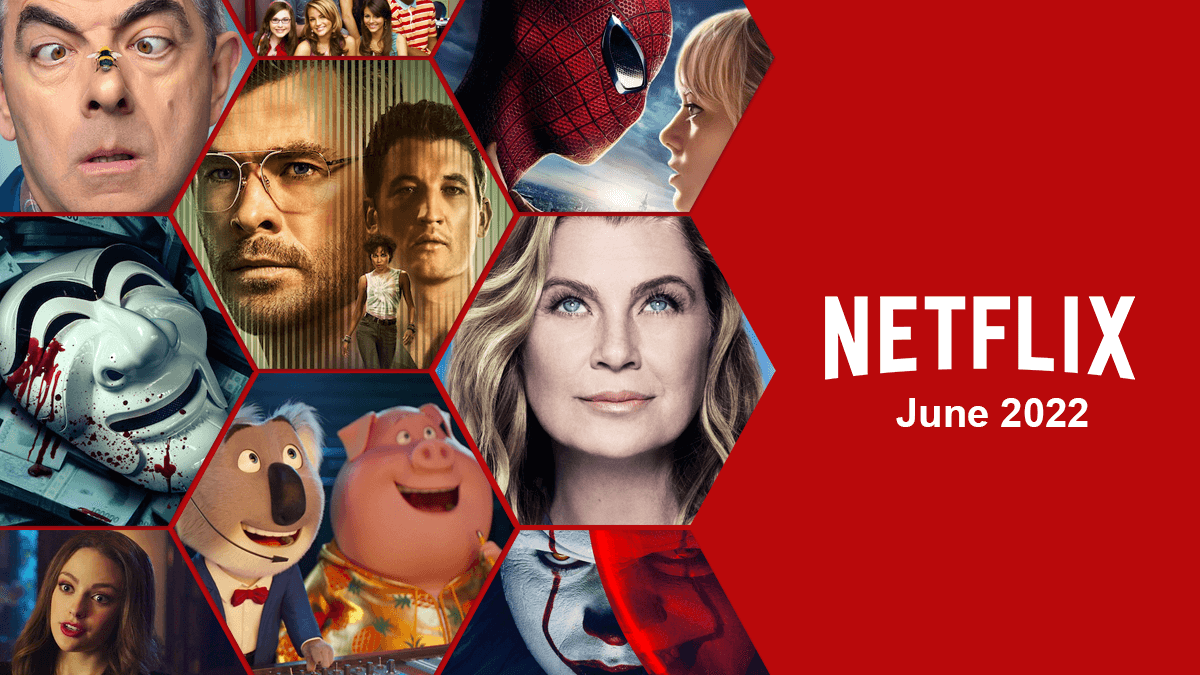
This multi-tiered approach allows Netflix to compete more effectively with emerging platforms that often feature advertising. It also caters to different consumer price sensitivities, broadening its customer base. The brand needs to reassure existing subscribers that the quality of the core offering will not be diluted while simultaneously attracting new users who might have been priced out previously. This requires nuanced marketing campaigns that highlight the benefits of each tier without cannibalizing the other.
The Power of Original Content and Brand Association
Netflix’s brand is inextricably linked to its original content. “Netflix Originals” have become a shorthand for quality, innovation, and cultural relevance. The company’s ability to consistently produce groundbreaking shows and films that spark global conversations is a key differentiator.
Looking ahead, Netflix will continue to leverage its brand power by investing in diverse genres and stories that resonate with a global audience. The strategy of “tranching” content – releasing shows and movies in waves – is also a brand-building tactic, creating anticipation and sustained engagement. Furthermore, the company’s willingness to experiment with different content formats, such as interactive shows and documentaries, further reinforces its brand as a forward-thinking entertainment provider. Case studies of successful original content campaigns will continue to inform future marketing efforts, ensuring that the brand remains top-of-mind for viewers seeking compelling narratives.
Navigating Global Tastes and Cultural Nuances
As Netflix expands its international footprint, understanding and catering to diverse cultural tastes becomes crucial for its brand identity. The company has made significant strides in producing local-language content that achieves global success, exemplified by shows like “Squid Game.” This demonstrates a growing sophistication in understanding global audiences and tailoring content to resonate across different markets.
Future brand efforts will likely involve even deeper localization strategies, not just in content production but also in marketing and community engagement. Building a brand that feels authentic and relevant in every region it operates in is a complex but vital endeavor. This involves fostering relationships with local creators, understanding cultural sensitivities, and adapting communication styles to ensure the brand message lands effectively. The ability to maintain a consistent global brand identity while embracing local nuances is a testament to Netflix’s evolving marketing prowess.
The Financial Landscape of Netflix: Revenue Streams, Investment, and Profitability
The financial performance and strategy of Netflix are under constant scrutiny, especially as it navigates increased competition and evolving consumer behaviors. What’s coming to Netflix in terms of financial models and investment will significantly impact its content, technology, and ultimately, its subscriber base.
Diversifying Revenue Streams: Beyond Subscriptions
The introduction of the ad-supported tier is the most significant recent development in Netflix’s revenue diversification strategy. This move acknowledges the changing economic landscape and the need to tap into advertising revenue, a market where competitors like Disney+ and HBO Max are already well-established.
Beyond advertising, Netflix is exploring other avenues to bolster its financial health. Licensing its content to other platforms, although a departure from its initial model, could generate additional income. The company has also ventured into merchandising and live events, leveraging the popularity of its most iconic franchises. These diversified revenue streams are crucial for funding the massive content budgets that Netflix relies on, allowing it to continue attracting top talent and producing high-quality, in-demand programming. Financial tools that can effectively manage these disparate revenue streams will be critical for future profitability.
The Economics of Content Creation and Investment Decisions
The cost of producing original content is a significant expense for Netflix, and its investment decisions are constantly being scrutinized. The company’s strategy has historically been to spend heavily on content to attract and retain subscribers. However, with increasing competition and a maturing market, Netflix is facing pressure to demonstrate profitability.
Future investment decisions will likely be more data-driven, with AI playing an even greater role in predicting the potential success of projects. This could lead to a more strategic allocation of resources, focusing on projects that have a higher likelihood of broad appeal and long-term engagement. The challenge lies in balancing the need for financial prudence with the creative risks that often lead to breakout hits. Understanding the financial models behind successful online income streams and side hustles can offer parallels to how Netflix might optimize its own content investment.
Profitability and Shareholder Value in a Competitive Market
The ultimate financial goal for any publicly traded company is profitability and delivering shareholder value. Netflix has faced periods of subscriber growth stagnation and increased competition, which have put pressure on its stock price and profitability.
Moving forward, Netflix will need to demonstrate a sustainable path to profitability. This means optimizing its cost structures, effectively monetizing its diverse revenue streams, and continuing to innovate its platform. The company’s ability to maintain its subscriber base while growing its advertising and other revenue streams will be key indicators of its financial success. Investors will be closely watching how Netflix balances its aggressive content spending with its need to generate consistent profits, utilizing sophisticated financial tools and analysis to gauge its performance. The ongoing financial health of Netflix will dictate the scale and ambition of its future technological and brand endeavors.
In conclusion, what’s coming to Netflix is a multifaceted evolution. It’s a future shaped by cutting-edge AI and streaming technologies, a brand that is continually adapting to new market dynamics and global tastes, and a financial strategy that prioritizes diversified revenue and sustainable profitability. By understanding these interconnected forces, we gain a deeper appreciation for the strategic decisions that will define Netflix’s trajectory in the ever-evolving landscape of digital entertainment.
aViewFromTheCave is a participant in the Amazon Services LLC Associates Program, an affiliate advertising program designed to provide a means for sites to earn advertising fees by advertising and linking to Amazon.com. Amazon, the Amazon logo, AmazonSupply, and the AmazonSupply logo are trademarks of Amazon.com, Inc. or its affiliates. As an Amazon Associate we earn affiliate commissions from qualifying purchases.