
The Black Plague, a name that still sends shivers down the spine, evokes images of death, societal collapse, and a world teetering on the brink. While the immediate biological culprit is well-established – the bacterium Yersinia pestis – understanding the true “cause” of the Black Plague necessitates a broader perspective. This wasn’t merely a biological event; it was a complex interplay of environmental factors, human behavior, and the very fabric of society that allowed this devastating pandemic to flourish. Examining this historical catastrophe through the lens of interconnected systems, much like we analyze technological ecosystems, brand resilience, or financial markets today, offers a profound insight into how seemingly isolated elements can converge to create catastrophic outcomes.

The Microbial Invader and its Vector: A Technological Misunderstanding of Disease Transmission
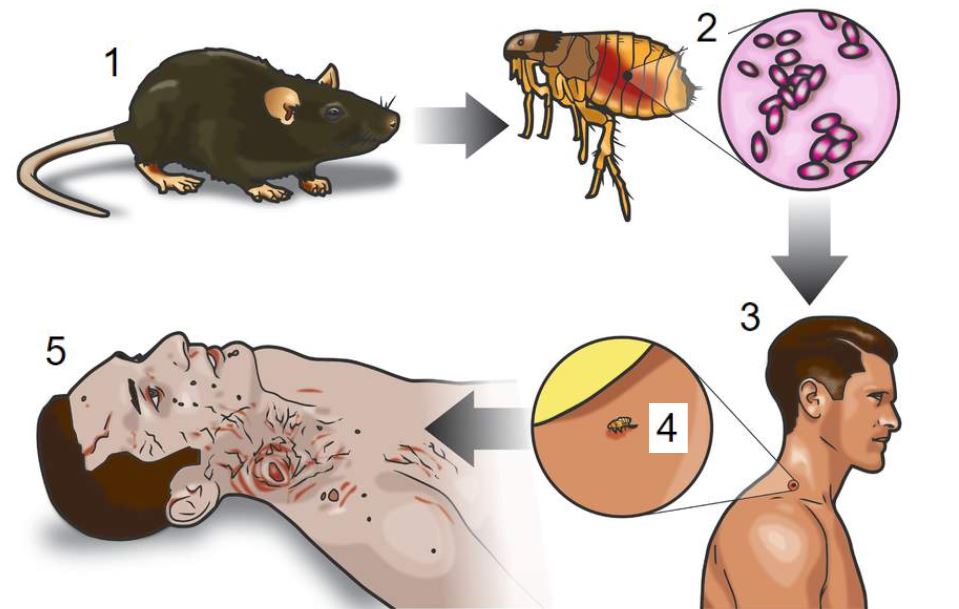
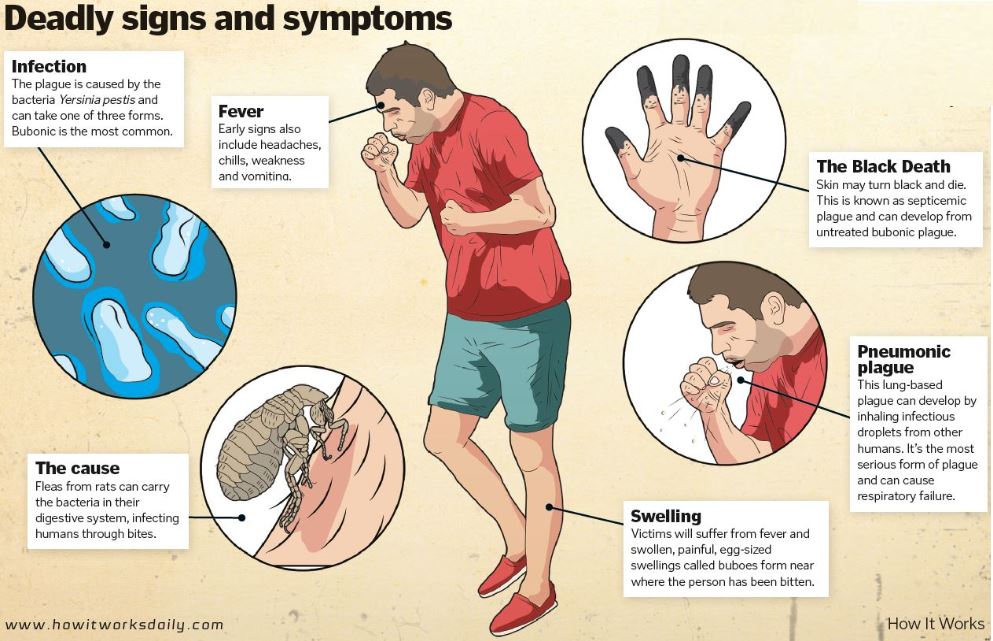
At its core, the Black Plague was caused by a specific pathogen, Yersinia pestis. This bacterium, residing in the bloodstream of rodents, particularly rats, was then transmitted to humans through the bite of infected fleas (Xenopsylla cheopis). This is the classic, widely accepted scientific explanation. However, to truly grasp the “cause,” we need to deconstruct how this biological mechanism was amplified to such a devastating degree.
The Unseen Network: Understanding the Rodent and Flea Population Dynamics
Think of the rodent population as an unmanaged, sprawling network, susceptible to vulnerabilities that can rapidly propagate a “bug.” Just as a poorly secured software network can be infiltrated by malware, the dense, often unsanitary living conditions of medieval Europe provided an ideal environment for rodent populations to thrive. Their rapid reproduction rates meant a constant supply of potential hosts for Yersinia pestis.
The fleas, acting as the “transmission protocol” for the disease, were not passive participants. Their own life cycles, their ability to survive on dead hosts, and their capacity to quickly find new ones, all contributed to the relentless spread. This isn’t dissimilar to how a new app or gadget, when released without proper testing or security protocols, can quickly become a vector for data breaches or system malfunctions. The “ecosystem” of rats and fleas, largely unchecked and misunderstood by contemporary populations, was the primary conduit for the plague’s entry into human society.
The Unforeseen “Bug” in the Human System: Societal Conditions as Vulnerabilities
While Yersinia pestis was the “malware,” the human societies of the 14th century were rife with “vulnerabilities” that allowed the infection to spread like wildfire. These vulnerabilities weren’t necessarily intentional, but their collective impact was catastrophic.
- Urbanization and Overcrowding: Medieval cities were growing, but sanitation infrastructure hadn’t kept pace. Dense populations living in close proximity, often with poor hygiene and waste disposal, created an environment where infected fleas could easily move from one person to another. This is akin to a brand’s reputation being severely damaged by a poorly managed public relations crisis in a highly connected digital world; the “outbreak” of negative sentiment spreads rapidly through interconnected networks.
- Trade Routes as “Data Highways”: The burgeoning trade networks of the medieval era, while vital for economic growth, also served as incredibly efficient “data highways” for the plague. Ships carrying goods from infected regions brought not only wares but also rats and fleas. Caravans on land similarly facilitated the movement of infected vectors across vast distances. This is a powerful analogy to how globalized markets and rapid information dissemination in the tech world can accelerate the adoption of both beneficial innovations and harmful exploits.
- Lack of Medical Understanding: Contemporary medical knowledge was woefully inadequate to combat such a novel and aggressive pathogen. Treatments were often ineffective, based on humoral theory and superstition, and public health measures were rudimentary at best. This mirrors a company launching a complex new AI tool without robust ethical guidelines or data privacy safeguards; the lack of foresight creates unintended and potentially harmful consequences.
The Ripple Effect: Economic and Social Disruptions as Systemic Failures
The Black Plague wasn’t just a health crisis; it was a profound systemic failure that reverberated through every aspect of medieval life, much like a major financial crash or a widespread cybersecurity breach can cripple modern economies. The impact on the “Brand” of societal stability and the “Money” systems of the time was immense.
The Erosion of the “Brand” of Authority and Order
The sheer scale of death and the inability of existing institutions to cope led to a profound crisis of faith and a fracturing of societal “Brand” identity.
- Loss of Trust in Institutions: Governments, religious authorities, and even medical practitioners were largely powerless against the plague. This led to a deep erosion of trust. When the established “brand” of a ruling body or an esteemed profession fails to protect its populace, the long-term consequences for its authority and legitimacy can be severe.
- Social Unrest and Breakdown of Norms: Fear, panic, and the breakdown of social order were rampant. People fled cities, abandoning their homes and responsibilities. This is comparable to a company experiencing mass employee turnover due to a toxic work environment; the internal “brand” of the organization is so damaged that its core operational “machinery” begins to break down.
- The Shift in Perceptions: The omnipresence of death altered the collective psyche. Art, literature, and religious thought began to reflect a more somber and introspective outlook, a fundamental shift in the “corporate identity” of medieval culture.
The Disruption of “Money” and Economic Structures
The Black Plague unleashed economic chaos, demonstrating how interconnected financial systems are to the health and stability of the population.
- Labor Shortages and Wage Inflation: The drastic reduction in the workforce led to severe labor shortages. Surviving laborers, suddenly in high demand, could command significantly higher wages. This dramatically altered the power dynamics between employers and employees, a fundamental shift in the “money” flowing through the economy.
- Disruption of Trade and Commerce: The fear of contagion and the death of merchants and sailors crippled trade routes. This had a ripple effect, impacting the supply of goods, the flow of capital, and the overall economic productivity. Imagine a global tech supply chain being severed due to unforeseen events; the impact on product availability and pricing would be immediate and far-reaching.
- Changes in Land Ownership and Agricultural Practices: With fewer people to work the land, many estates were abandoned. This led to shifts in land ownership patterns and a greater emphasis on less labor-intensive farming methods, fundamentally altering the economic “code” of the agricultural sector.
Lessons from the Past: Applying Modern Frameworks to Historical Catastrophes
When we look back at the Black Plague, it’s easy to focus solely on the bacterium. However, by applying contemporary analytical frameworks from fields like technology, branding, and finance, we can gain a richer understanding of the complex web of causes.
Thinking Like a Cybersecurity Expert: Identifying and Mitigating Systemic Risks
The Black Plague highlights the importance of identifying and mitigating systemic risks, much like a cybersecurity expert assesses vulnerabilities in a digital network.
- Proactive Risk Assessment: Medieval societies lacked a “threat intelligence” framework. They didn’t understand the vectors of disease, the role of sanitation, or the dangers of unchecked urban growth. Today, we invest heavily in understanding potential threats, from cyberattacks to climate change, and developing strategies to prevent them.
- Building Resilient Systems: The rapid collapse of medieval infrastructure under the plague’s strain demonstrates the need for resilient systems. This applies to public health infrastructure, supply chains, and even societal governance. Think of it as building fault-tolerant systems in technology, where redundancy and backup plans ensure continued operation even in the face of failure.
- The Importance of Data and Monitoring: Without accurate data on disease spread and mortality, effective responses were impossible. Modern pandemic preparedness relies on robust surveillance systems and real-time data analysis, akin to how businesses monitor market trends and customer behavior to adapt their strategies.
The “Brand” of Public Health and Societal Resilience
The Black Plague serves as a stark reminder of how the “brand” of public health and societal resilience is built on a foundation of foresight, preparedness, and trust.
- Investing in Prevention: The cost of responding to a pandemic is exponentially higher than investing in preventative measures. This includes public health education, sanitation improvements, and accessible healthcare. This is akin to a company investing in brand building through consistent positive customer experiences, rather than attempting to repair a damaged reputation after a major scandal.
- Effective Communication and Trust: During the plague, fear and misinformation thrived due to a lack of clear, authoritative communication. Building public trust through transparent and accurate information is crucial during any crisis. This mirrors how a strong brand relies on consistent messaging and authentic engagement with its audience.
- Adapting and Innovating: While medieval societies were largely unable to adapt effectively, the long-term consequences of the plague, such as the decline of feudalism and the rise of new economic opportunities, demonstrate a form of slow, painful adaptation. Modern societies aim for more agile and proactive adaptation to emerging challenges.
The “Money” Behind Preparedness: Economic Investments in a Healthier Future
The economic fallout of the Black Plague underscores the crucial link between investment in public health and economic prosperity.
- Long-Term Economic Benefits of Health: A healthy population is a productive population. Investing in public health infrastructure, research, and preventative care yields significant long-term economic returns by reducing the burden of disease and fostering innovation. This is like a smart investment strategy; short-term costs can lead to long-term gains.
- The Economic Cost of Neglect: Conversely, neglecting public health can lead to catastrophic economic consequences, as evidenced by the plague’s devastation. This is a cautionary tale for governments and businesses alike to prioritize investments that safeguard human capital.
- Global Interdependence and Economic Security: The Black Plague was a global event, and its economic impact transcended borders. This highlights the interconnectedness of the global economy and the need for international cooperation in addressing health threats that can destabilize financial markets.
In conclusion, the cause of the Black Plague was not a single factor, but a complex interplay of biological, environmental, social, and economic forces. By moving beyond a purely biological explanation and examining the underlying systemic vulnerabilities, we can draw invaluable lessons that remain remarkably relevant today. Just as we analyze technological innovations, build strong brands, and manage our finances with an eye towards resilience and foresight, understanding the Black Plague offers a profound historical case study in the interconnectedness of all things, and the critical importance of proactive preparedness in the face of inevitable challenges.
aViewFromTheCave is a participant in the Amazon Services LLC Associates Program, an affiliate advertising program designed to provide a means for sites to earn advertising fees by advertising and linking to Amazon.com. Amazon, the Amazon logo, AmazonSupply, and the AmazonSupply logo are trademarks of Amazon.com, Inc. or its affiliates. As an Amazon Associate we earn affiliate commissions from qualifying purchases.