
The Amazon Fire TV Stick has revolutionized home entertainment, transforming any TV into a smart hub capable of streaming a universe of content. From blockbuster movies to binge-worthy series, live sports to educational documentaries, the Fire Stick puts it all at your fingertips. But beneath the sleek interface and seamless user experience lies a sophisticated operating system, the unsung hero orchestrating this digital symphony. So, what exactly is the operating system that powers your Amazon Fire TV Stick, and why does it matter?
At its core, the Amazon Fire TV Stick runs on a highly customized version of the Android Open Source Project (AOSP). This means it’s built upon the same foundational code as the operating system that powers millions of Android smartphones and tablets worldwide. However, Amazon has extensively modified and tailored AOSP to create its proprietary Fire OS. This distinction is crucial because it allows Amazon to exert significant control over the user experience, integrate its own services, and optimize the platform specifically for television consumption.
Understanding the OS of your Fire Stick isn’t just a technical curiosity; it’s fundamental to appreciating its capabilities, its limitations, and how it interacts with the wider digital ecosystem. This knowledge can empower you to make informed decisions about your streaming setup, troubleshoot issues more effectively, and even explore advanced customization options. We’ll delve into the intricacies of Fire OS, its origins, its key features, and how it aligns with the broader trends in technology, branding, and even the financial implications of the streaming landscape.
The Android Ancestry: A Deep Dive into Fire OS Origins
The story of Fire OS begins with Android. Google’s open-source mobile operating system provides a robust and adaptable framework that Amazon has leveraged to build its own ecosystem. This strategic decision offers several advantages. Firstly, it allows Amazon to tap into a vast existing developer community, making it easier to port and develop apps for the Fire platform. Secondly, it benefits from the continuous innovation and security updates inherent in the Android ecosystem.
However, calling Fire OS simply “Android” would be a significant oversimplification. Amazon’s engineers have undertaken a monumental task of re-skinning and re-engineering AOSP to align with Amazon’s specific vision. This includes:
Customizing the User Interface (UI) and User Experience (UX)
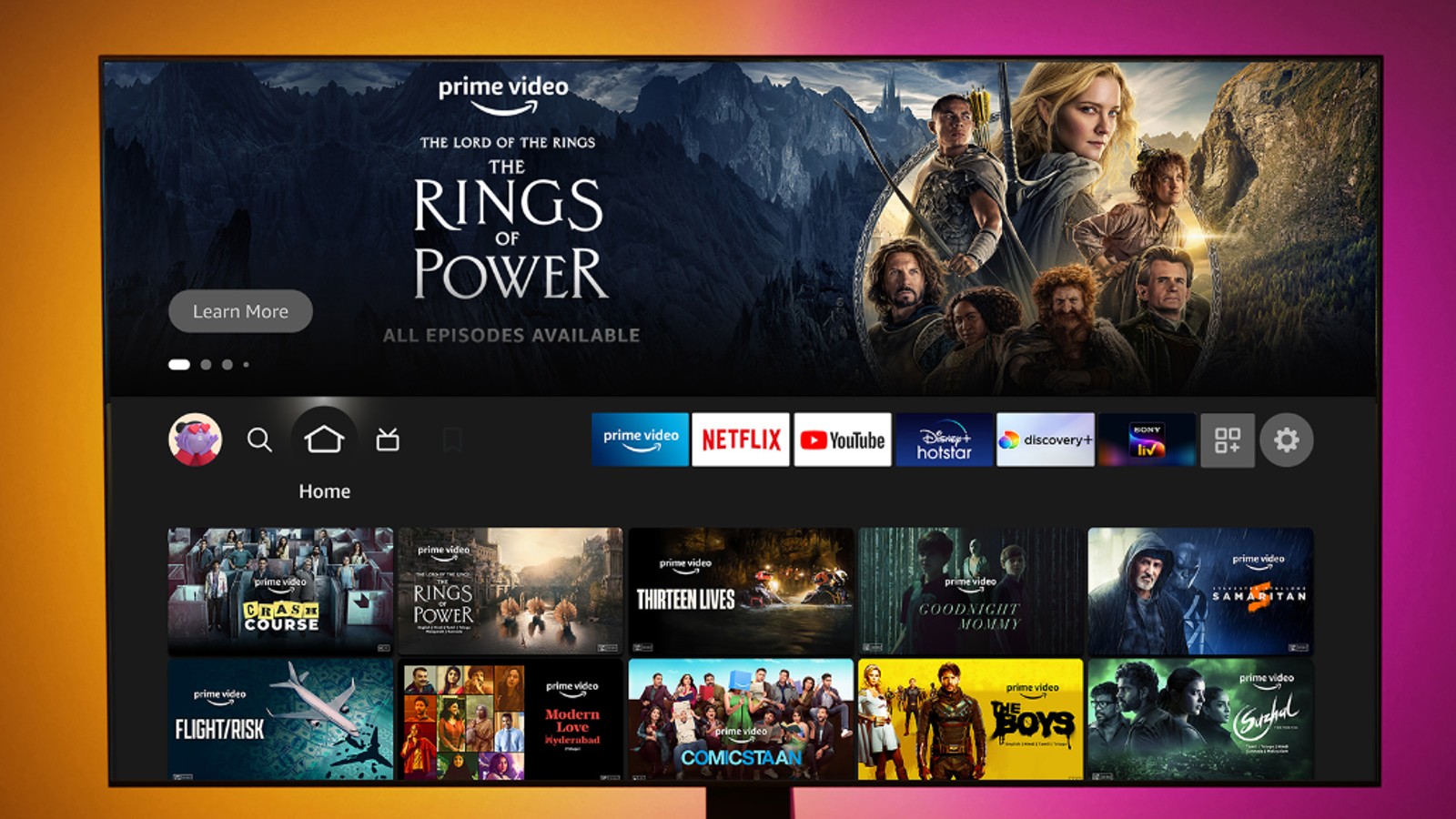
The most apparent difference between stock Android and Fire OS is the visual presentation. Amazon has designed a distinct interface that prioritizes content discovery and seamless integration with its own services. Gone are the app drawers and widgets typical of Android phones. Instead, Fire OS features a home screen heavily influenced by Amazon’s product and service catalog. You’ll find prominent sections for:
- Featured Content: Highlighting new releases, popular movies, and TV shows, often pulled directly from Amazon Prime Video.
- App Recommendations: Suggesting apps based on your viewing habits and popular trends.
- Your Apps & Channels: A clear and accessible list of installed applications and subscribed services.
- Search Bar: Designed for intuitive voice and text search across various streaming platforms.
This tailored UI isn’t just about aesthetics; it’s a strategic branding move. Amazon aims to create a familiar and comfortable environment that gently nudges users towards its own content and subscription services, like Prime Video, Amazon Music, and the Amazon Appstore. The user experience is meticulously crafted to be intuitive for a broad audience, minimizing the learning curve for those new to streaming devices.
Amazon’s Ecosystem Integration: Beyond Just Streaming
The true power of Fire OS lies in its deep integration with the Amazon ecosystem. This goes far beyond simply running streaming apps. Amazon has woven its services into the very fabric of the operating system, creating a cohesive experience for its customers. This includes:
- Amazon Prime Video: As Amazon’s flagship streaming service, Prime Video is seamlessly integrated. You can often start watching content directly from the home screen without even opening the app.
- Amazon Appstore: While it supports many apps available on Google Play, Fire OS primarily relies on Amazon’s own Appstore. This curated marketplace is designed to feature apps that are optimized for the Fire TV experience.
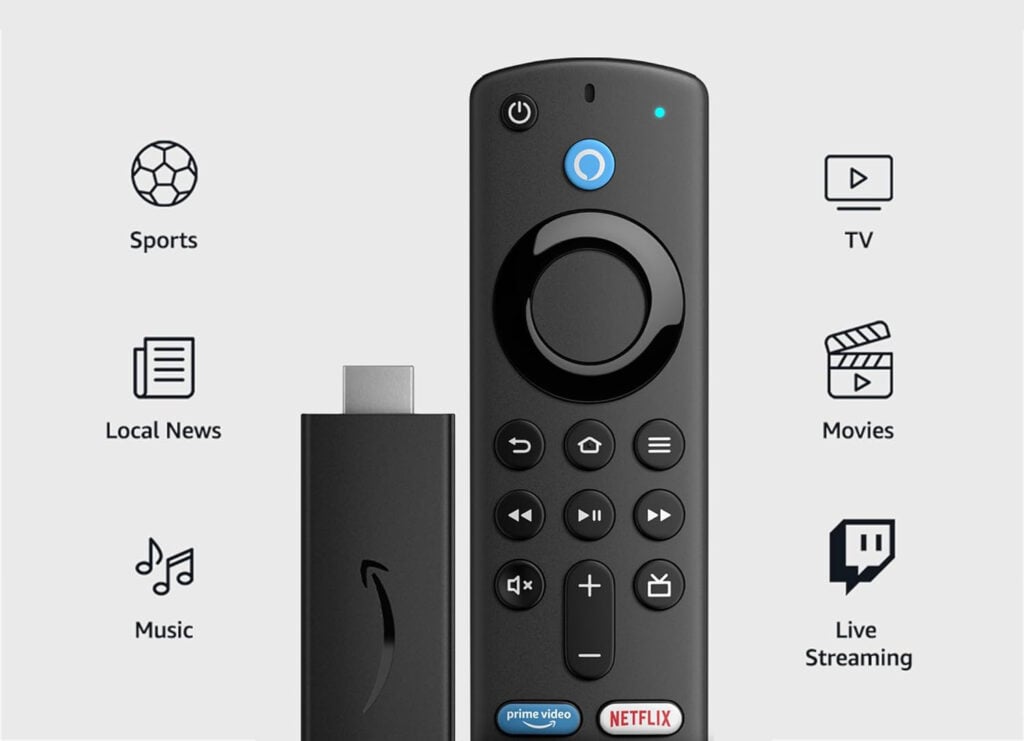
- Alexa Voice Control: The integration of Alexa is perhaps the most defining characteristic of Fire OS. Users can control their Fire Stick using voice commands, asking it to search for content, play music, adjust volume, open apps, and even provide information. This hands-free control elevates the user experience significantly and reinforces Amazon’s dominance in the voice assistant market.
- Amazon Music and Audible: Users can access their Amazon Music libraries and listen to Audible audiobooks directly on their Fire TV, further expanding the device’s entertainment capabilities.
- Photos and Shopping: In some iterations, Fire OS even allows users to view their Amazon Photos and, in limited capacities, engage with Amazon’s shopping platform, showcasing the breadth of Amazon’s services.
This deep integration is a testament to Amazon’s brand strategy. By creating a unified platform where its various services interoperate seamlessly, Amazon strengthens customer loyalty and encourages greater engagement with its entire product and service portfolio. It creates a powerful network effect, making it more attractive for users to stay within the Amazon universe.
The Tech Behind the Scenes: Performance, Updates, and Security
While the user interface and ecosystem integration are highly visible, the underlying technology of Fire OS is what ensures a smooth and reliable streaming experience. Amazon continuously iterates on Fire OS, releasing updates that bring new features, performance enhancements, and crucial security patches.
Performance Optimization for Streaming
Fire OS is specifically engineered to optimize streaming performance. This involves:
- Efficient Resource Management: The OS is designed to allocate device resources – such as CPU, memory, and network bandwidth – efficiently to ensure smooth video playback, quick app loading times, and responsive navigation.
- Codec Support: Fire OS supports a wide range of audio and video codecs, ensuring compatibility with most streaming formats and resolutions, including HD, 4K, and HDR content.
- Network Prioritization: The system can intelligently manage network traffic to prioritize streaming data, minimizing buffering and stuttering, especially during peak usage times.
These technical considerations are paramount in the competitive tech landscape. As users increasingly demand higher quality streaming and lower latency, the OS’s ability to deliver on these fronts directly impacts customer satisfaction and the perceived value of the device.
Software Updates and Digital Security
Like any operating system, Fire OS receives regular software updates. These updates serve multiple critical purposes:
- Introducing New Features: Updates often bring new functionalities, improved UI elements, and enhanced integrations with new services. This keeps the Fire Stick feeling fresh and capable.
- Bug Fixes and Performance Improvements: Developers continuously identify and address bugs that can affect performance or stability. Updates ensure a more robust and error-free experience.
- Security Patches: This is perhaps the most vital aspect of software updates. In the digital age, digital security is a paramount concern for both users and providers. Fire OS updates often include patches to address vulnerabilities discovered in the underlying Android framework or Amazon’s own software. This helps protect users from malware, unauthorized access, and data breaches.
Amazon’s commitment to regular updates is a crucial element of its reputation management. By proactively addressing security concerns and continuously improving the user experience, Amazon builds trust and reinforces its position as a reliable provider of consumer electronics.
The Financial Landscape: Cost, Content, and Consumer Choices
The operating system of the Fire TV Stick also has significant implications in the money and personal finance spheres, influencing how consumers spend their entertainment budgets and how content providers operate.
The Cost-Effectiveness of the Fire Stick Ecosystem
One of the primary appeals of the Amazon Fire TV Stick is its affordability. Compared to smart TVs with integrated operating systems or other streaming boxes, Fire Sticks often represent a more budget-friendly entry point into high-definition streaming. This cost-effectiveness is partly enabled by Amazon’s ability to leverage AOSP and its vast existing infrastructure.
Furthermore, the OS’s seamless integration with Amazon Prime Video, which is often bundled with a Prime membership, offers significant value. For many, this provides access to a substantial library of movies and TV shows without additional per-service subscription costs. This strategy aligns with Amazon’s broader online income and customer retention goals.

The Impact on Content Consumption and Investment
The dominance of operating systems like Fire OS has a profound impact on how content is produced, distributed, and consumed. The ease of access to numerous streaming apps on a single platform has led to a fragmentation of traditional media consumption. Consumers now have to navigate a multitude of services, each with its own content library and pricing model.
This shift influences consumer spending. Instead of a single cable bill, individuals are now managing multiple streaming subscriptions, impacting their personal finance decisions. The proliferation of content also presents an investment opportunity for media companies, but it also raises questions about the long-term sustainability of numerous niche streaming services.
The Fire OS, by prioritizing its own services and curating the Appstore, plays a role in shaping these consumer choices. While it offers a vast array of options, the platform’s design can subtly influence which services users discover and ultimately subscribe to, impacting the financial viability of various content creators and platforms.
In conclusion, the operating system that powers the Amazon Fire TV Stick is far more than just a piece of software; it’s a strategic fusion of Android’s flexibility with Amazon’s unique vision. This customized OS, Fire OS, is the invisible architect behind the convenience, entertainment, and extensive service integration that millions of users enjoy. By understanding its Android roots, its Amazon-centric modifications, and its impact on the wider technological, branding, and financial landscapes, we gain a deeper appreciation for the sophisticated platform that has become a cornerstone of modern home entertainment.
aViewFromTheCave is a participant in the Amazon Services LLC Associates Program, an affiliate advertising program designed to provide a means for sites to earn advertising fees by advertising and linking to Amazon.com. Amazon, the Amazon logo, AmazonSupply, and the AmazonSupply logo are trademarks of Amazon.com, Inc. or its affiliates. As an Amazon Associate we earn affiliate commissions from qualifying purchases.