
The prospect of investing in the share market often evokes a mix of excitement and trepidation. For many, it represents the most viable path toward financial independence and inflation-beating returns. For others, it remains a complex labyrinth of charts, jargon, and perceived risk. However, at its core, the share market is simply a mechanism that allows individuals to own a piece of productive businesses.
Investing is not a “get-rich-quick” scheme; it is a disciplined approach to capital allocation. To transition from a saver to an investor, one must understand the fundamental principles, the logistical requirements, and the strategic frameworks that govern successful market participation. This guide serves as a roadmap for anyone asking, “How can I invest in the share market?” with a focus on sustainable growth and financial prudence.
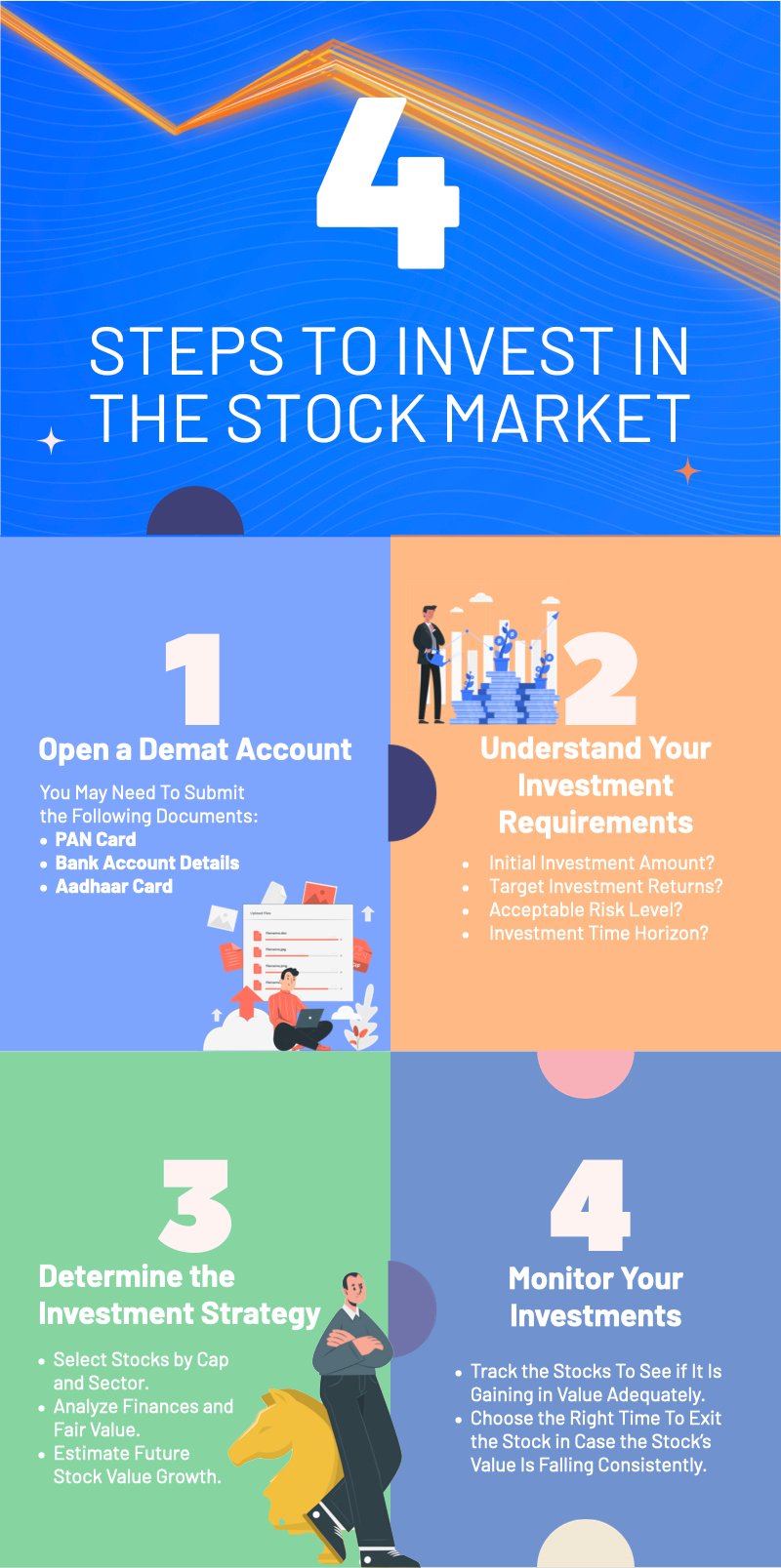
1. Laying the Financial Foundation
Before placing your first trade, it is imperative to ensure your personal finances are structured to support the inherent volatility of the equity markets. Investing should never be done with “scared money”—funds required for immediate survival or short-term obligations.
Understanding Risk and Reward
Every investment carries a degree of risk. In the share market, this typically manifests as market volatility. Prices fluctuate based on economic data, corporate earnings, and global events. Understanding your risk tolerance—your emotional and financial ability to withstand a market downturn—is the first step. Younger investors often have a higher risk tolerance because they have time to recover from market corrections, whereas those nearing retirement may prioritize capital preservation.
The Necessity of an Emergency Fund
Financial advisors unanimously recommend establishing an emergency fund before entering the share market. This fund should ideally cover three to six months of living expenses held in a liquid, low-risk account. The rationale is simple: if the market crashes and you simultaneously lose your job or face a medical emergency, you do not want to be forced to sell your stocks at a loss to cover your bills.
Eliminating High-Interest Debt
If you are carrying high-interest debt, such as credit card balances with interest rates of 15% to 25%, paying that off is a guaranteed “return” on your money. It is statistically unlikely that your initial stock market investments will consistently outperform the cost of high-interest debt. Clear the path by settling these liabilities first, ensuring that your investment capital is truly surplus.
2. Navigating the Logistics: Accounts and Prerequisites
Once your financial house is in order, the next phase involves setting up the infrastructure required to interact with the stock exchange.
Choosing the Right Brokerage Account
You cannot buy shares directly from the exchange; you need an intermediary known as a stockbroker. In the modern era, most investors use online brokerage platforms. When choosing a broker, consider the following:
- Commission and Fees: Many modern brokers offer zero-commission trading for stocks and ETFs, but look out for hidden fees like maintenance charges or withdrawal fees.
- User Experience: The platform should be intuitive and provide the tools you need, whether that is basic order execution or advanced charting.
- Security and Regulation: Ensure the broker is regulated by the appropriate national body (such as the SEC in the US, the FCA in the UK, or SEBI in India).
The Role of Demat and Trading Accounts
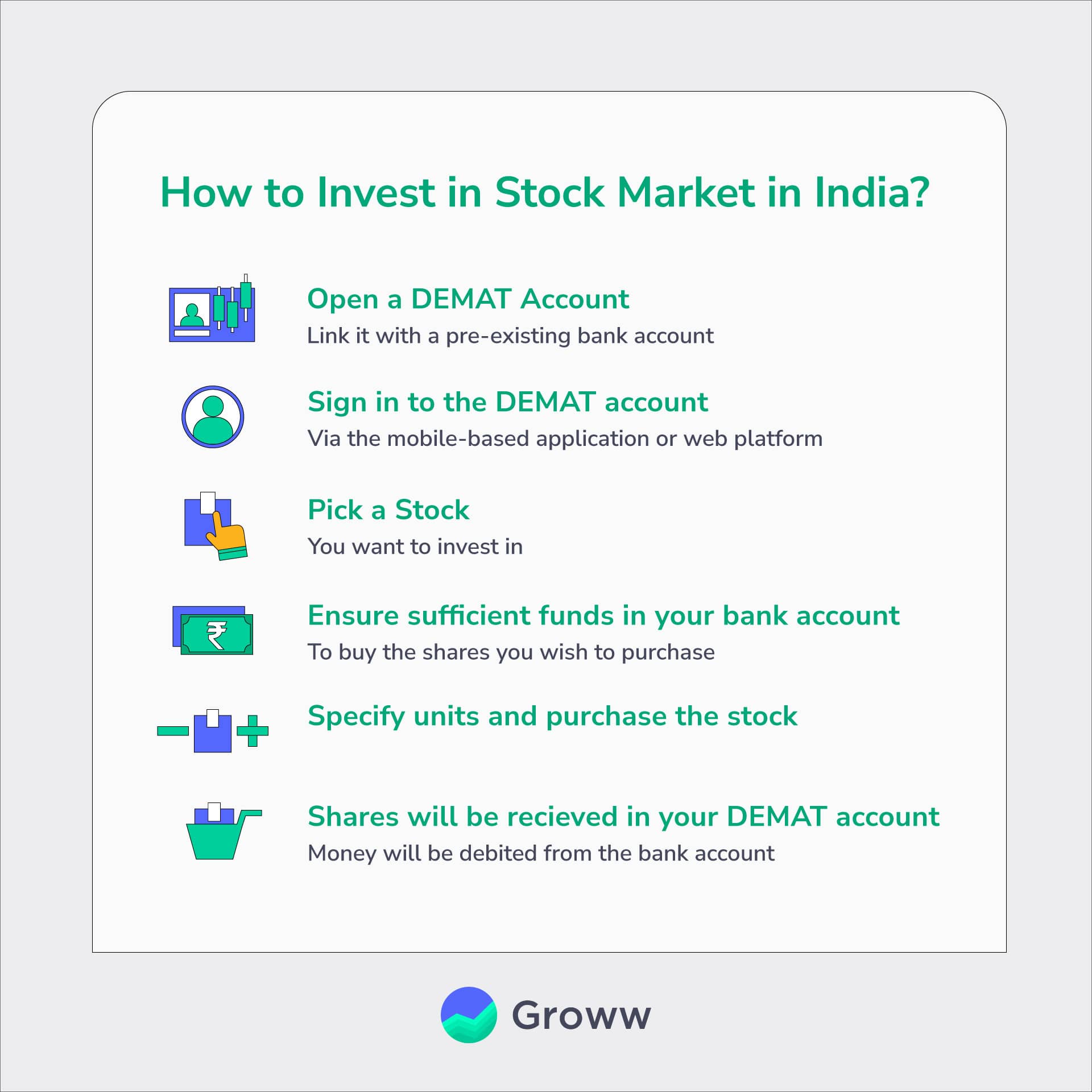
In many jurisdictions, the process involves two distinct types of accounts that work in tandem. The Trading Account is used to execute the buy and sell orders. The Demat Account (Dematerialized Account) acts as a digital locker where your shares are stored in electronic form. Most brokers now offer “2-in-1” or “3-in-1” accounts that integrate these functions with your bank account, streamlining the transfer of funds.
The KYC Process
Know Your Customer (KYC) is a mandatory regulatory requirement designed to prevent money laundering and fraud. You will need to provide proof of identity (Passport, Driver’s License), proof of address, and your tax identification number. This process is now largely digitized, allowing investors to get their accounts verified and ready for trading within 24 to 48 hours.
3. Developing a Strategic Investment Philosophy
Success in the share market is rarely about picking a single “magic” stock. It is about adhering to a strategy that aligns with your financial goals.
Fundamental vs. Technical Analysis
There are two primary schools of thought when evaluating where to put your money:
- Fundamental Analysis: This involves studying a company’s financial statements, management quality, industry position, and growth potential. The goal is to determine the “intrinsic value” of a stock. If the market price is lower than the intrinsic value, the stock is considered a good buy.
- Technical Analysis: This focuses on statistical trends gathered from trading activity, such as price movements and volume. Technical analysts believe that past performance and chart patterns can predict future price movements. For long-term investors, fundamental analysis is usually the more reliable tool.
The Power of Diversification: Index Funds and ETFs
For beginners, picking individual stocks can be overwhelming and risky. A more prudent approach is diversification—not putting all your eggs in one basket.
- Index Funds: These funds track a specific market index, such as the S&P 500. By buying an index fund, you are essentially buying a small piece of the top 500 companies in the US.
- ETFs (Exchange-Traded Funds): Similar to index funds but traded on the exchange like individual stocks. They offer low expense ratios and instant diversification across sectors like technology, healthcare, or energy.
Growth vs. Dividend Investing
Depending on your goals, you may choose different types of stocks:
- Growth Stocks: These are companies expected to grow at a rate significantly above the average for the market. They usually don’t pay dividends, instead reinvesting profits to fuel further growth.
- Dividend Stocks: These are established companies that distribute a portion of their earnings back to shareholders. This is an excellent strategy for those looking for a regular stream of passive income.
4. Executing Your First Trade and Beyond
With your account ready and your strategy chosen, it is time to enter the market. Execution requires an understanding of how orders work and how to manage your portfolio over time.
Market Orders vs. Limit Orders
When you are ready to buy, you will encounter different order types:
- Market Order: An instruction to buy or sell a stock immediately at the best available current price. This guarantees the trade happens but does not guarantee the exact price.
- Limit Order: An instruction to buy or sell a stock only at a specific price or better. This gives you control over the price but might result in the trade not being executed if the market doesn’t reach your target.
Implementing Dollar-Cost Averaging (DCA)
One of the most effective strategies for individual investors is Dollar-Cost Averaging. Instead of trying to “time the market” and invest a lump sum at once, you invest a fixed amount of money at regular intervals (e.g., $200 every month). When prices are high, your $200 buys fewer shares; when prices are low, it buys more. Over time, this lowers your average cost per share and removes the emotional stress of market timing.
Monitoring and Portfolio Rebalancing
Investing is not a “set it and forget it” activity, but it shouldn’t require daily tinkering either. You should review your portfolio quarterly or annually. If one sector has grown significantly, it might now represent a larger percentage of your portfolio than you intended, increasing your risk. Rebalancing involves selling some of the “winners” and buying more of the “underperformers” to return to your original asset allocation.
5. The Psychology of Investing: Avoiding Common Pitfalls
The greatest enemy of the investor is often not the market itself, but the person in the mirror. Behavioral finance suggests that our emotions often lead us to make poor financial decisions.
Managing Emotional Volatility
When the market drops, the natural human instinct is “fight or flight”—often resulting in “panic selling.” Conversely, when the market is booming, FOMO (Fear Of Missing Out) leads people to buy at the top. Successful investors cultivate a “zen” approach, viewing market downturns as “sales” where they can acquire quality assets at a discount.
Avoiding the “Get Rich Quick” Trap
The share market is littered with stories of “meme stocks,” “penny stocks,” and “hot tips” from social media. While these occasionally yield high returns, they are closer to gambling than investing. True wealth in the share market is built through the power of compounding. As Albert Einstein famously noted, compounding is the eighth wonder of the world. It requires two things that many lack: time and patience.
The Importance of Continuous Learning
The financial landscape is constantly evolving. New sectors emerge (such as green energy or AI), and economic cycles shift. Staying informed through reputable financial news, books, and annual reports is crucial. However, distinguish between “noise” (daily market fluctuations) and “signal” (long-term economic trends).

Conclusion
Investing in the share market is one of the most effective ways to build wealth over time. By establishing a solid financial foundation, choosing the right brokerage tools, diversifying your holdings, and maintaining a disciplined psychological approach, you can navigate the complexities of the market with confidence.
Remember that the goal of investing is not to beat everyone else, but to meet your own financial objectives. Whether you are saving for a home, a child’s education, or your own retirement, the best time to start was yesterday; the second-best time is today. Start small, stay consistent, and let the power of the global economy work in your favor.
aViewFromTheCave is a participant in the Amazon Services LLC Associates Program, an affiliate advertising program designed to provide a means for sites to earn advertising fees by advertising and linking to Amazon.com. Amazon, the Amazon logo, AmazonSupply, and the AmazonSupply logo are trademarks of Amazon.com, Inc. or its affiliates. As an Amazon Associate we earn affiliate commissions from qualifying purchases.