
In our increasingly interconnected and digitally driven world, understanding fundamental concepts that underpin global operations is crucial. From the precise timing of financial transactions to the seamless synchronization of global communication networks, a single, universally recognized time standard governs it all. This standard is known as Coordinated Universal Time, or UTC. But what exactly is UTC, and why is it so important across technology, branding, and even the world of finance? This article will delve into the origins, workings, and far-reaching implications of this indispensable timekeeping system.
The Evolution of Timekeeping: From Local Noon to a Global Standard
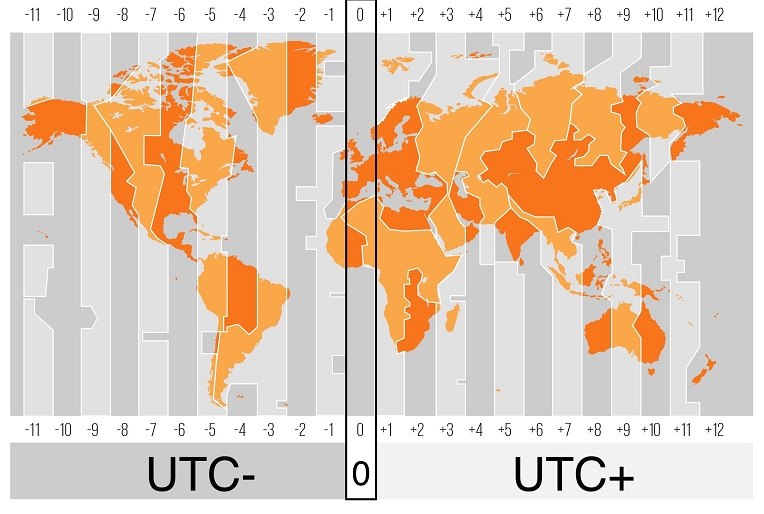
For centuries, timekeeping was a decidedly local affair. Sundials measured the passage of time based on the sun’s position, leading to countless variations in local time across different towns and cities. The advent of mechanical clocks brought greater accuracy, but the problem of inconsistent time persisted. This became particularly problematic with the expansion of railways in the 19th century. Train schedules crisscrossed continents, and a lack of standardized time led to widespread confusion, delays, and even accidents. This practical necessity spurred the development of time zones, but even then, a need for a more scientifically robust and universally applicable standard was becoming apparent.
The early 20th century saw the rise of radio communication, further highlighting the need for a unified time reference. Astronomers, meanwhile, were developing increasingly sophisticated methods for measuring time based on the Earth’s rotation and orbit. These scientific advancements, combined with the growing demands of global infrastructure, paved the way for the establishment of a truly universal time standard.
From Greenwich Mean Time (GMT) to Coordinated Universal Time (UTC)
Historically, Greenwich Mean Time (GMT) served as the primary international time standard. Established in the late 19th century, GMT was based on the mean solar time at the Royal Observatory in Greenwich, London. It was a crucial step towards global synchronization, particularly for navigation and international communication. However, as scientific understanding advanced, it became clear that GMT, being based on the Earth’s rotation, was not perfectly constant. The Earth’s rotation is not perfectly uniform; it is gradually slowing down and subject to slight irregularities.
This is where the concept of atomic time came into play. In the mid-20th century, the development of atomic clocks revolutionized timekeeping. These incredibly precise instruments measure time based on the resonant frequency of atoms, providing an unparalleled level of accuracy and stability. To reconcile the need for a highly stable, atomic-based time scale with the desire to keep time roughly aligned with the Earth’s rotation (which is still relevant for astronomical observations and practical use), Coordinated Universal Time (UTC) was introduced in 1972.
UTC is essentially an average of several highly accurate atomic time scales, primarily International Atomic Time (TAI). However, to prevent UTC from drifting too far from solar time (and thus, the apparent position of the sun in the sky), leap seconds are periodically added to UTC. These leap seconds are inserted to keep UTC within 0.9 seconds of Universal Time (UT1), which is derived from astronomical observations and reflects the Earth’s rotation. This dual nature of UTC – being based on the unyielding precision of atomic clocks while staying tethered to the Earth’s natural rhythm – makes it the ideal standard for a wide range of applications.
The Technical Backbone: How UTC Powers Our Digital World
In the realm of technology, UTC is not merely a time standard; it’s a foundational element that enables countless functionalities and ensures the reliability of our digital infrastructure. From the tiniest microchip to the vast networks that connect us globally, accurate and synchronized time is paramount.
Synchronization and Network Operations
One of the most critical applications of UTC is in network synchronization. For instance, the internet relies heavily on precise timing for the effective functioning of protocols like Network Time Protocol (NTP). NTP clients query NTP servers, which are themselves synchronized to UTC. This ensures that devices across the globe have a consistent and accurate understanding of the time, which is essential for:
- Data Logging and Analysis: When analyzing events that occur across distributed systems, the timestamps associated with logs are critical for reconstructing the sequence of events accurately. Without synchronized time, correlating events between different servers would be nearly impossible.
- Distributed Databases and Transactions: In systems where data is replicated across multiple locations, timestamps are used to resolve conflicts and ensure data consistency. Atomic transactions that span multiple systems require synchronized clocks to guarantee their integrity.
- Telecommunications: Voice and video calls, data transfers, and the overall routing of information across telecommunication networks depend on precise timing. Synchronization errors can lead to dropped calls, corrupted data, and degraded service quality.
- Cybersecurity: Security protocols often rely on time-based mechanisms, such as expiring digital certificates and session timeouts. Accurate time synchronization is vital for preventing attacks that exploit timing vulnerabilities.
- Scientific Research: Many scientific experiments, particularly those involving sensors spread across vast geographical areas or requiring high-frequency data collection, necessitate precise temporal alignment.
The adoption of UTC ensures that all these critical technological processes operate smoothly and reliably, regardless of geographical location.
Software Development and Debugging
For software developers, UTC plays a vital role throughout the development lifecycle. When debugging complex software systems, especially those operating in distributed environments, the timestamps in log files are indispensable. They allow developers to trace the execution flow of an application, identify the order in which events occurred, and pinpoint the source of errors. Without a consistent time reference like UTC, debugging such systems would be an exercise in futility.
Furthermore, many programming languages and libraries provide built-in functions and data types for handling time, almost universally defaulting to or easily convertible to UTC. This standardization simplifies the development of applications that need to handle time across different regions and time zones. Developers can record events in UTC and then convert them to local time zones for user-friendly display, ensuring both accuracy and usability.
Branding and Reputation: The Subtle Influence of Time
While the technical and financial implications of UTC are often more apparent, its impact on branding and reputation is more subtle yet equally significant. In an era of globalized business and instant communication, a company’s ability to project reliability, professionalism, and trust is paramount. UTC underpins many of these crucial brand attributes.
Global Operations and Consistency
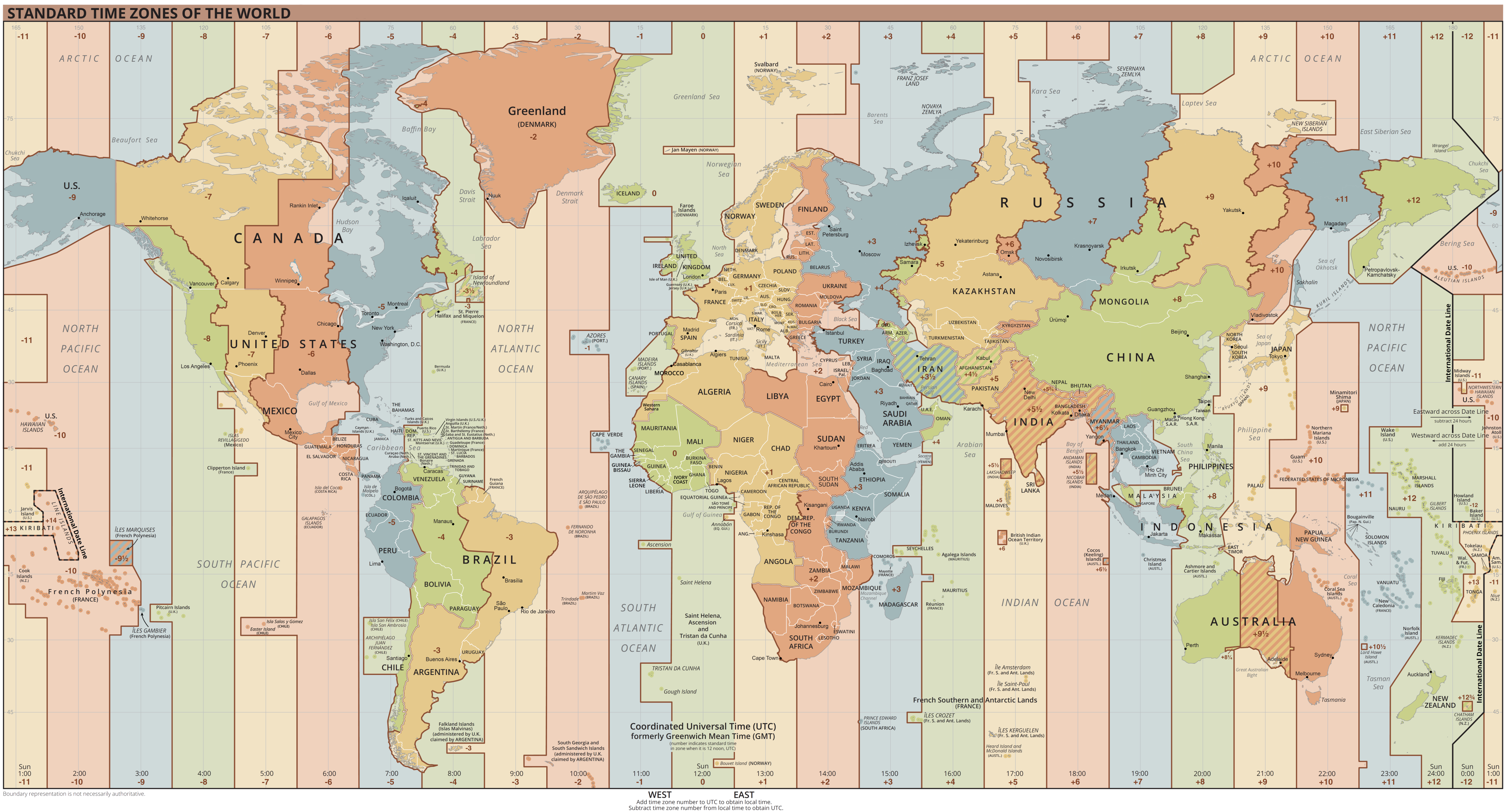
For multinational corporations, maintaining a consistent brand experience across different geographical locations is a significant challenge. This consistency extends to the timing of customer interactions, product launches, and service availability. When a global system relies on UTC, it ensures that, for example, a customer support portal or an e-commerce website operates with the same uptime and response characteristics for users in London, Tokyo, or New York. This underlying temporal consistency contributes to a seamless and predictable brand experience.
Marketing and Event Planning
In marketing, precise timing is often critical. Product launches, live-streamed events, and synchronized promotional campaigns all require meticulous coordination. When planning a global campaign, referring to UTC ensures that all stakeholders, regardless of their local time, are working with a common reference point. This minimizes miscommunication and ensures that campaigns are executed precisely as intended, reinforcing a brand’s image of efficiency and organization.
Case Studies in Reliability
Consider the financial industry. A missed trade due to a timing discrepancy could have catastrophic consequences, impacting not only individual investors but also market stability. Companies that demonstrate exceptional reliability in their operations, often facilitated by robust time synchronization based on UTC, build a reputation for trustworthiness. This reliability becomes a key differentiator and a cornerstone of their brand. Similarly, in critical infrastructure management (e.g., power grids, air traffic control), where downtime can have severe repercussions, the reliance on UTC underscores a brand’s commitment to safety and dependability.
Financial Precision: UTC in Markets and Transactions
The world of finance is inherently time-sensitive. Every millisecond can matter when it comes to executing trades, settling transactions, and maintaining market integrity. UTC is the silent enforcer of this temporal precision.
High-Frequency Trading and Algorithmic Execution
In high-frequency trading (HFT), algorithms execute trades in fractions of a second. These algorithms rely on synchronized clocks across multiple trading venues and servers to ensure that they are acting on the most up-to-date market data. UTC provides the common time reference that makes this rapid-fire decision-making possible and fair. Without UTC, the entire infrastructure supporting modern, fast-paced financial markets would collapse.
Payment Systems and Transaction Reconciliation
From online banking to international money transfers, every financial transaction is stamped with a time. These timestamps are crucial for auditing, reconciliation, and fraud detection. When multiple systems and banks are involved, a universal time standard like UTC ensures that all parties agree on the exact moment a transaction occurred. This prevents disputes, speeds up settlements, and maintains the integrity of the global payment ecosystem.
Online Income and Business Finance
For individuals earning online income or businesses managing their finances, understanding and utilizing UTC can be surprisingly beneficial. Many platforms that facilitate online work or transactions operate on a global scale. Knowing how time zones and UTC affect payment cycles, reporting periods, and deadlines can help individuals and businesses avoid missed opportunities or penalties. For example, understanding the UTC timestamp of a freelance platform’s payment cutoff can help a freelancer ensure they receive their earnings promptly. In business finance, accurate record-keeping, often tied to UTC for global operations, is essential for regulatory compliance and effective financial management.
Conclusion: The Unseen Architect of Our Connected World
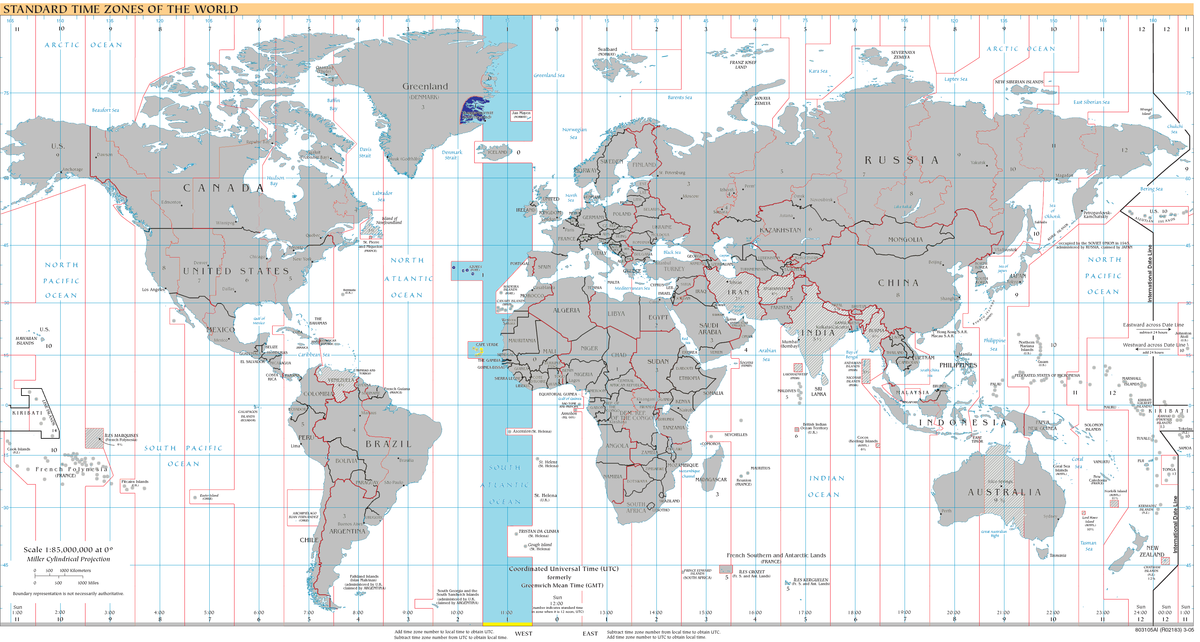
Coordinated Universal Time (UTC) is far more than just a way to tell time. It is a fundamental standard that underpins the seamless operation of our technological infrastructure, influences the perception and reliability of brands, and ensures the integrity and efficiency of global financial markets. From the smallest digital device to the largest international corporation, the silent, precise ticking of UTC synchronizes our world. Understanding what UTC is and its profound impact allows us to better appreciate the intricate systems that keep our modern society functioning, demonstrating how a seemingly simple concept can be an invisible yet indispensable architect of our interconnected reality.
aViewFromTheCave is a participant in the Amazon Services LLC Associates Program, an affiliate advertising program designed to provide a means for sites to earn advertising fees by advertising and linking to Amazon.com. Amazon, the Amazon logo, AmazonSupply, and the AmazonSupply logo are trademarks of Amazon.com, Inc. or its affiliates. As an Amazon Associate we earn affiliate commissions from qualifying purchases.