
In our hyper-connected, always-on world, the quest for optimal productivity and well-being often leads us to explore every conceivable avenue. From the latest productivity apps and AI tools to mastering personal branding and smart investing strategies, we’re constantly seeking an edge. Yet, amidst this relentless pursuit of peak performance, a fundamental pillar of human health is frequently overlooked, or at best, treated as a mere inconvenience: sleep. We often hear about the importance of getting enough sleep, but what if the quality of that sleep is just as crucial? This brings us to a fascinating and increasingly relevant question: What is the best sleep stage?
Understanding sleep stages isn’t just an academic exercise; it’s a critical component of unlocking your full potential, impacting everything from your cognitive function and emotional regulation to your physical recovery and overall health. For those who thrive on optimizing their lives, whether through cutting-edge technology, strategic brand building, or savvy financial management, delving into the science of sleep stages can offer a powerful, yet often untapped, advantage. This article will explore the different stages of sleep, highlight their unique benefits, and discuss how optimizing your sleep architecture can translate into tangible improvements across your professional and personal endeavors.
Decoding the Sleep Cycle: A Journey Through the Night
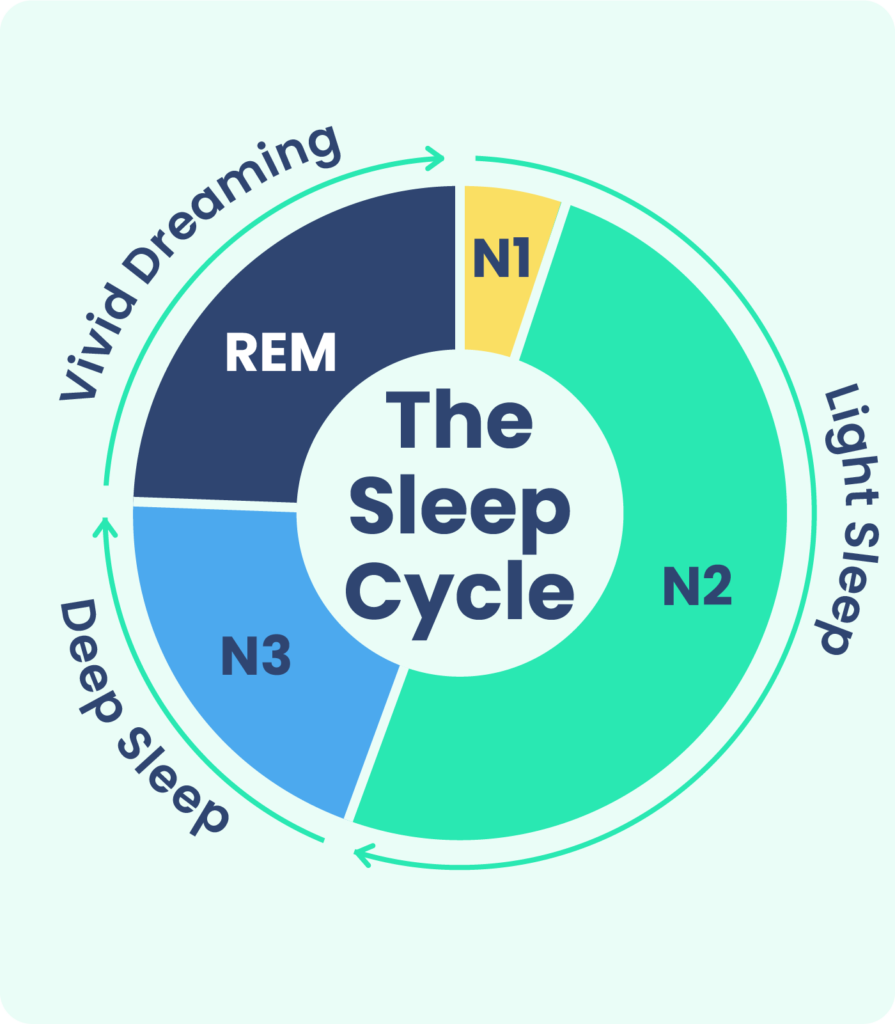
Sleep is not a monolithic state of unconsciousness. Instead, it’s a dynamic process characterized by recurring cycles of distinct brain wave activity and physiological changes. These cycles are broadly divided into two main types of sleep: Non-Rapid Eye Movement (NREM) sleep and Rapid Eye Movement (REM) sleep. Each cycle, lasting approximately 90-120 minutes, progresses through several stages, repeating multiple times throughout the night. Understanding these stages is the first step in appreciating why certain phases might be considered more “beneficial” than others, though the reality is far more nuanced.
NREM Sleep: The Foundation of Rest and Restoration
NREM sleep constitutes the majority of our sleep time, typically making up around 75-80% of the night. It’s further subdivided into three distinct stages, each playing a crucial role in our physical and mental restoration.
NREM Stage 1: The Gentle Descent into Sleep
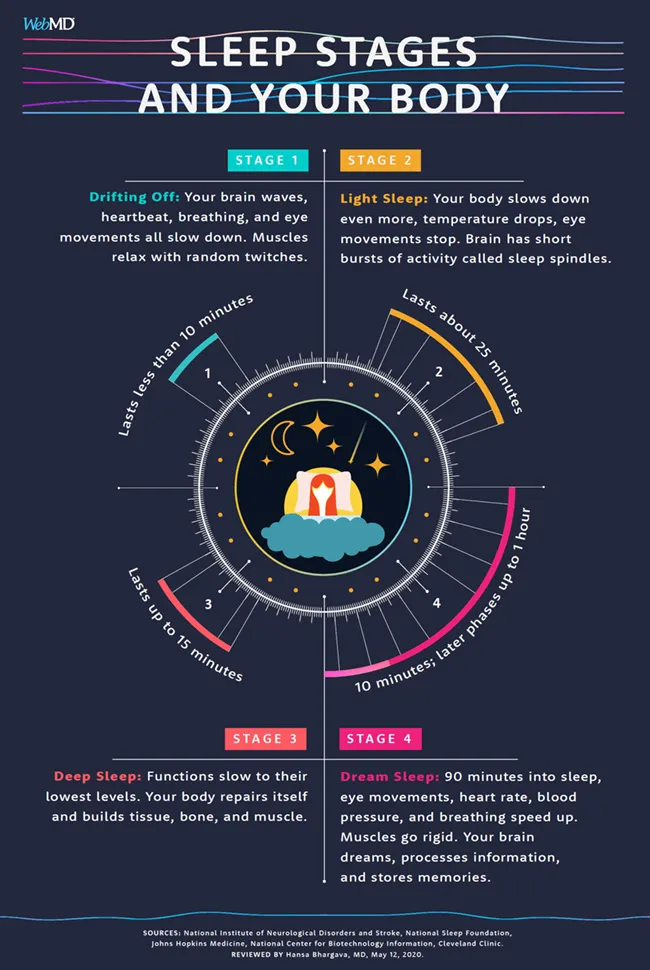
This is the lightest stage of sleep, often described as the transition between wakefulness and sleep. It usually lasts only a few minutes, and individuals can be easily awakened during this phase. Your brain waves begin to slow down, your muscles relax, and your heart rate and breathing gradually decrease. While seemingly insignificant, this stage is essential for initiating the sleep process and preparing the body for deeper slumber. Think of it as the initial buffer, allowing your system to wind down effectively before entering more restorative phases.
NREM Stage 2: The Sleep Onset Deepens
This stage represents a deeper level of sleep than Stage 1. Your brain waves continue to slow, and your body temperature drops. This phase is characterized by brief bursts of rapid brain wave activity known as sleep spindles and K-complexes, which are thought to play a role in memory consolidation and protecting the brain from external stimuli. You spend a significant portion of your sleep time in NREM Stage 2, and its presence is vital for overall sleep architecture. It’s during this stage that your body actively begins to reduce its metabolic rate, preparing for the more profound rest to come.
NREM Stages 3 & 4 (Deep Sleep/Slow-Wave Sleep): The Body’s Repair Shop
Historically, NREM sleep was divided into four stages, with Stages 3 and 4 being characterized by very slow brain waves (delta waves) and representing the deepest, most restorative phase of sleep. Modern sleep science often consolidates these into a single “NREM Stage 3” or “Slow-Wave Sleep (SWS).” This is the period when your body performs its most crucial physical repair work. Growth hormone is released, which is essential for muscle repair, tissue growth, and bone development. Your immune system is also strengthened during SWS, and your brain clears out metabolic waste products accumulated during the day. For athletes, individuals recovering from illness or injury, or simply anyone seeking robust physical recovery, deep sleep is arguably the most vital stage.
REM Sleep: The Brain’s Playground for Cognition and Emotion
REM sleep, accounting for about 20-25% of total sleep time, is a dramatically different state. It’s characterized by rapid eye movements beneath your closed eyelids, increased brain activity that closely resembles wakefulness, and muscle atonia (temporary paralysis of voluntary muscles), which prevents you from acting out your dreams. REM sleep is often referred to as “paradoxical sleep” because of this combination of active brain and paralyzed body.
The Cognitive and Emotional Powerhouse
While NREM sleep focuses on physical restoration, REM sleep is profoundly important for cognitive and emotional processing. This is the stage where most vivid dreaming occurs. During REM, your brain actively consolidates memories, particularly those related to learning and emotional experiences. It’s thought to be crucial for problem-solving, creativity, and emotional regulation. If you’ve ever had a breakthrough idea after a good night’s sleep, or felt more emotionally resilient after resting well, REM sleep likely played a significant role. For professionals in creative fields, problem-solvers, and anyone looking to enhance their learning capacity and emotional intelligence, REM sleep is paramount.
The “Best” Sleep Stage: A Matter of Purpose, Not Superiority
Given the distinct functions of each sleep stage, the question of which is the “best” becomes less about a single superior stage and more about what you aim to achieve with your sleep.
The Case for Deep Sleep (NREM Stage 3): The Physical Power-Up
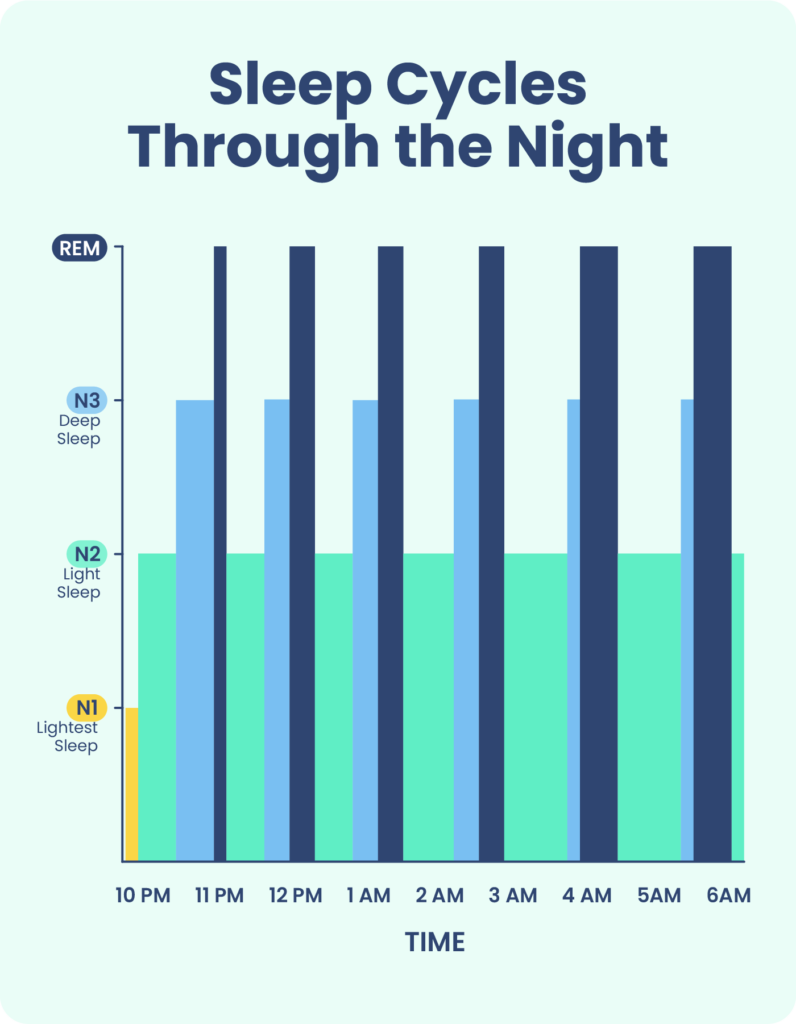
If your primary goal is physical recovery, muscle repair, or bolstering your immune system, then Deep Sleep (NREM Stage 3) might be considered the “best.” This is when your body is at its most reparative. Athletes meticulously plan their training schedules to allow for sufficient deep sleep, recognizing its direct impact on performance and recovery. Individuals recovering from surgery, illness, or strenuous physical activity rely heavily on this stage. Ensuring adequate time in deep sleep can lead to:
- Enhanced Physical Recovery: Faster healing of muscles and tissues.
- Stronger Immune Function: Increased resistance to illness.
- Improved Athletic Performance: Better endurance and reduced injury risk.
- Cellular Repair: The body’s fundamental maintenance process.
For the tech-savvy individual optimizing their biohacking routines, tracking deep sleep duration and quality through wearable devices can be a key metric for assessing recovery and overall physiological health.
The Case for REM Sleep: The Cognitive and Emotional Catalyst
On the other hand, if your focus is on learning, creativity, problem-solving, and emotional resilience, then REM sleep could be argued as the most beneficial. This is where your brain actively processes information, consolidates memories, and integrates emotional experiences. A deficit in REM sleep can lead to:
- Impaired Learning and Memory: Difficulty retaining new information.
- Reduced Creativity: Less innovative thinking and problem-solving ability.
- Emotional Dysregulation: Increased irritability, anxiety, and mood swings.
- Difficulty with Emotional Processing: Struggling to cope with stress and challenging situations.
For entrepreneurs, innovators, marketers, and anyone in roles requiring significant cognitive flexibility and emotional intelligence, prioritizing REM sleep is essential. This stage is where the connections are made, the insights are generated, and the emotional equilibrium is maintained.
Optimizing Your Sleep Architecture for Peak Performance
Understanding the value of each sleep stage empowers you to make informed lifestyle choices that can enhance your sleep quality. While you can’t directly control how much time you spend in each stage in a given night, you can create an environment and adopt habits that promote a healthy and balanced sleep cycle.
Leveraging Technology for Sleep Insights and Improvement
The tech landscape offers a wealth of tools to help you understand and optimize your sleep.
- Wearable Sleep Trackers: Devices like smartwatches and fitness trackers can monitor your sleep stages, duration, and disturbances. While not always perfectly accurate, they provide valuable trends and insights into your sleep patterns. Analyzing this data can help you identify factors that positively or negatively affect your sleep quality.
- Smart Alarm Clocks: These devices aim to wake you during a lighter stage of sleep within a set window, promoting a gentler and more refreshing awakening.
- Sleep Apps and Guided Meditations: Numerous apps offer guided meditations, sleep stories, and white noise generators designed to help you fall asleep faster and improve sleep quality. Some even integrate with wearable devices to provide personalized sleep coaching.
- Environmental Controls: Smart home devices can automate bedroom lighting and temperature adjustments to create an optimal sleep environment, dimming lights as bedtime approaches and maintaining a cool, dark room throughout the night.
Strategic Practices for Enhanced Sleep Quality
Beyond technology, several lifestyle practices are fundamental to achieving better sleep architecture:
- Consistent Sleep Schedule: Going to bed and waking up around the same time, even on weekends, helps regulate your body’s natural sleep-wake cycle (circadian rhythm). This consistency is crucial for ensuring you cycle through all sleep stages effectively.
- Mindful Evening Routine: Wind down before bed with relaxing activities like reading, gentle stretching, or taking a warm bath. Avoid stimulating activities, heavy meals, and excessive screen time in the hours leading up to sleep.
- Optimize Your Sleep Environment: Ensure your bedroom is dark, quiet, and cool. Invest in comfortable bedding and pillows.
- Regular Exercise: Physical activity can significantly improve sleep quality, but avoid intense workouts too close to bedtime.
- Balanced Diet and Hydration: Avoid caffeine and alcohol before bed. Stay hydrated throughout the day, but limit fluid intake in the hours leading up to sleep to minimize nighttime awakenings.
- Stress Management: Chronic stress can wreak havoc on sleep. Incorporate stress-reducing techniques like mindfulness, yoga, or journaling into your daily routine.
The Interconnectedness of Sleep, Brand, and Money
For those focused on building a successful brand or managing their finances wisely, the importance of quality sleep cannot be overstated.
- Brand Building and Cognitive Function: A well-rested mind is a creative, insightful, and resilient mind. This is crucial for effective brand strategy, marketing campaigns, and maintaining a positive corporate or personal reputation. Poor sleep can lead to poor decision-making, reduced innovation, and a diminished ability to connect with your audience.
- Financial Acumen and Sleep: Investing, managing personal finance, and pursuing online income streams require sharp cognitive abilities, careful planning, and emotional control. Sleep deprivation impairs judgment, increases impulsivity, and can lead to costly mistakes. Conversely, optimal sleep enhances focus, problem-solving skills, and the ability to make sound financial decisions.
Conclusion: Sleep as the Ultimate Productivity Tool
So, what is the best sleep stage? The answer is not one stage above all others, but rather the balanced and sufficient experience of all stages. Deep sleep (NREM Stage 3) is the bedrock of physical recovery, while REM sleep is the engine of cognitive function, memory consolidation, and emotional well-being.
In the pursuit of peak performance, whether through cutting-edge technology, strategic brand building, or robust financial management, sleep is not a luxury; it’s a fundamental requirement. By understanding the intricate science of sleep stages and implementing strategies to optimize our sleep architecture, we can unlock a powerful, natural advantage. Prioritizing sleep isn’t about being less productive; it’s about being more effective, more resilient, and ultimately, more successful in every facet of our lives. Embrace the power of a good night’s sleep, and you’ll find that the benefits ripple far beyond the bedroom, impacting your tech-savviness, your brand’s strength, and your financial future.
aViewFromTheCave is a participant in the Amazon Services LLC Associates Program, an affiliate advertising program designed to provide a means for sites to earn advertising fees by advertising and linking to Amazon.com. Amazon, the Amazon logo, AmazonSupply, and the AmazonSupply logo are trademarks of Amazon.com, Inc. or its affiliates. As an Amazon Associate we earn affiliate commissions from qualifying purchases.