
Social phobia, more formally known as Social Anxiety Disorder (SAD), is a pervasive mental health condition that significantly impacts an individual’s ability to navigate social interactions. While the term “phobia” might suggest an irrational fear, SAD is a deeply rooted anxiety that stems from a profound fear of being judged, scrutinized, or embarrassed in social situations. This fear can be so intense that it leads to avoidance of these scenarios, creating significant distress and impairment in various aspects of life, including work, school, and personal relationships.
In today’s hyper-connected world, understanding social phobia takes on new dimensions. The constant barrage of digital interactions, the curated realities presented on social media, and the ever-present pressure to perform and connect online can exacerbate existing anxieties or even trigger new ones. For individuals struggling with SAD, the digital landscape, while offering potential avenues for connection, can also present formidable challenges. This article will explore what social phobia is, its common manifestations, and critically, how it intersects with the digital world, drawing parallels and offering insights relevant to the core topics of technology, branding, and finance.

Understanding the Core of Social Anxiety
At its heart, social phobia is characterized by an intense and persistent fear of social situations where one might be observed or judged by others. This fear is not simply shyness or introversion, which are normal personality traits. Instead, SAD involves a genuine sense of dread and apprehension before, during, and even after social encounters. Individuals with SAD often anticipate negative outcomes, such as being perceived as awkward, unintelligent, or unlikeable.
Common Manifestations and Symptoms
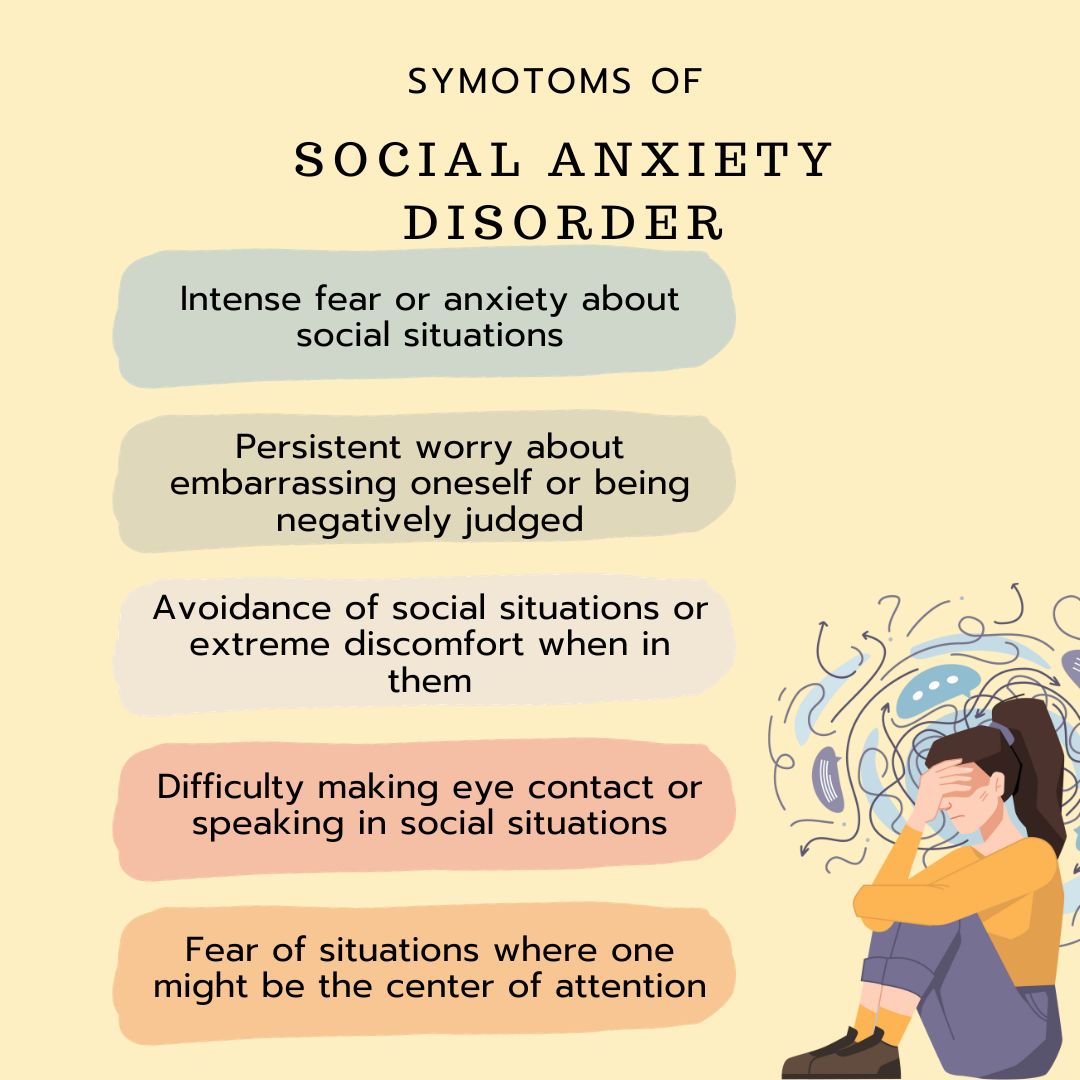
The symptoms of social phobia can vary widely from person to person, but they generally fall into three categories: emotional, physical, and behavioral.
Emotional and Cognitive Symptoms:
- Intense Fear of Scrutiny: A pervasive worry about being judged, humiliated, or embarrassed in social settings.
- Anticipatory Anxiety: Significant worry and dread leading up to a social event, often for days or weeks beforehand.
- Self-Consciousness: An overwhelming awareness of oneself and a belief that others are paying close attention to one’s every move.
- Negative Self-Talk: A tendency to interpret social interactions negatively, focusing on perceived mistakes or shortcomings.
- Fear of Specific Situations: This can include public speaking, meeting new people, eating or drinking in public, attending parties, or even making phone calls.
Physical Symptoms:
When faced with a feared social situation, individuals with SAD can experience a range of physical responses due to the body’s fight-or-flight mechanism kicking in. These can include:
- Blushing: A noticeable reddening of the face.
- Sweating: Excessive perspiration, often in the palms or underarms.
- Trembling or Shaking: Involuntary movements of the hands, voice, or body.
- Nausea or Upset Stomach: Digestive discomfort.
- Rapid Heartbeat: Palpitations or a racing pulse.
- Dizziness or Lightheadedness: A feeling of faintness.
- Shortness of Breath: Difficulty breathing or feeling like one cannot get enough air.
- Dry Mouth: A feeling of thirst and difficulty speaking.
Behavioral Symptoms:
The most prominent behavioral symptom is avoidance. To escape the intense anxiety and potential embarrassment, individuals with SAD will actively try to avoid situations that trigger their fear. This avoidance can significantly limit their life experiences. Other behavioral patterns include:
- Limited Eye Contact: Difficulty maintaining eye contact with others.
- Speaking Quietly or Hesitantly: A reluctance to speak loudly or assertively.
- Rehearsing Conversations: Mentally preparing what to say to avoid saying the “wrong” thing.
- Leaving Social Situations Early: Escaping when anxiety becomes overwhelming.
- Excessive Self-Monitoring: Constantly analyzing one’s own behavior and words during social interactions.
The Digital Divide: Social Phobia in the Age of Technology
The advent of the internet and social media has fundamentally altered the landscape of human interaction. While these technologies offer unprecedented opportunities for connection and information sharing, they also present unique challenges for individuals with social phobia. The digital realm can become both a refuge and a source of heightened anxiety, depending on how it’s navigated.
Technology as a Double-Edged Sword: Platforms, AI, and Apps
Technology, in its various forms, plays a crucial role in the lives of almost everyone today. For those with social phobia, the impact can be particularly nuanced.
Social Media and Curated Realities:
Platforms like Facebook, Instagram, Twitter, and TikTok often showcase idealized versions of people’s lives. The constant exposure to seemingly perfect vacations, successful careers, and vibrant social lives can intensify feelings of inadequacy and comparison for individuals with SAD. The pressure to present a polished online persona, coupled with the fear of negative comments or a lack of engagement, can be overwhelming. What might appear as effortless connection for others can feel like a high-stakes performance for someone with social phobia. The ability to meticulously edit and control what is shared online can also be a double-edged sword; while it offers a sense of control, it can also foster an unrealistic expectation of perfection and further alienate individuals from genuine, imperfect human connection.

AI Tools and the Illusion of Connection:
The rise of AI tools presents a fascinating new frontier. AI-powered chatbots and virtual assistants, for example, can offer opportunities for interaction without the direct social pressure of face-to-face encounters. This can be a safe space for individuals with SAD to practice communication skills or gather information. However, the reliance on AI for social interaction might also inadvertently reinforce avoidance of real-world relationships, potentially hindering the development of crucial social coping mechanisms. Furthermore, AI’s ability to analyze patterns and offer personalized recommendations could, in some instances, create a feedback loop that reinforces existing anxieties if not designed with empathy and user well-being in mind.
Apps for Productivity and Well-being:
On the positive side, numerous apps are designed to improve productivity and mental well-being. Some apps offer guided meditations, cognitive behavioral therapy (CBT) exercises, or mood tracking, which can be incredibly beneficial for managing the symptoms of social phobia. Productivity apps can help individuals break down daunting tasks into smaller, more manageable steps, which can reduce the anxiety associated with initiating projects, whether professional or personal. Digital security apps can also provide a sense of control and safety in an online world, reducing one potential source of anxiety.
Branding and Personal Identity in a Digital Spotlight
The concept of branding, once primarily associated with corporations, has expanded dramatically to encompass personal branding. In the digital age, individuals are encouraged to cultivate and present a strong personal brand, particularly in professional contexts. For someone with social phobia, this can be a source of immense pressure.
The Pressure to Perform Online:
Building a personal brand often involves active participation on professional networking sites like LinkedIn, sharing expertise, and engaging in discussions. This can be a significant hurdle for individuals who fear judgment. The need to articulate one’s skills and accomplishments confidently, often in a public forum, can trigger intense anxiety. The carefully crafted profiles and endorsements expected in the professional online world can feel like an insurmountable task when self-doubt and fear of inadequacy are dominant.
Corporate Identity and Inclusive Technology:
From a corporate perspective, understanding social phobia is becoming increasingly important for designing inclusive digital products and services. Websites, apps, and online communication platforms should be designed with accessibility and user comfort in mind. This means considering features that minimize overwhelming sensory input, provide clear and simple navigation, and offer alternative communication methods. Companies that embrace this understanding of diverse user needs will not only foster a more welcoming digital environment but also build stronger brand reputations.
Reputation Management and Online Perception:
For individuals with SAD, managing their online reputation can be a source of constant worry. A single misinterpreted comment, a lack of engagement on a post, or even the perception of being “unprofessional” online can be deeply distressing. The permanence of online content also adds to this anxiety; a mistake made years ago can still be unearthed, fueling the fear of long-term negative judgment. Therefore, a proactive approach to digital presence, focusing on authenticity rather than perfection, can be a more sustainable strategy for managing this anxiety.
Navigating the Financial Landscape with Social Anxiety
The world of personal and business finance, like many other domains, has increasingly moved online. From online banking and investing to managing side hustles, financial transactions and decisions are now largely digital. This shift can present both opportunities and challenges for individuals with social phobia.
Online Income and the Comfort of Autonomy:
The rise of online income streams, such as freelance work, e-commerce, and content creation, can offer a unique advantage for individuals with SAD. These avenues often allow for a degree of autonomy and control over interactions. For instance, a freelance writer can communicate with clients via email, mitigating the need for phone calls or face-to-face meetings. Building an online store or creating digital products can also be done from the comfort of one’s home, reducing exposure to overwhelming social situations. This can be a powerful way for individuals to earn a living and build confidence without facing direct social pressure.
Investing and Financial Tools: Democratization and Detachment:
Online investment platforms and financial tools have democratized access to financial markets. While this offers convenience, it can also be a source of anxiety for those with social phobia. The fear of making wrong investment decisions, being judged for financial choices, or even the sheer volume of information and options can be overwhelming. However, the digital nature of these tools also allows for research and decision-making to be done privately, at one’s own pace. This detachment from immediate social pressure can be beneficial. Tools that offer clear, concise information and simplified interfaces can further empower individuals to manage their finances with less anxiety.
Business Finance and Remote Operations:
For entrepreneurs, the ability to manage business finances entirely online has been a game-changer. From invoicing and payment processing to accounting software, much of business finance can be handled remotely. This can significantly reduce the need for in-person interactions, networking events, and client meetings, which can be particularly challenging for individuals with social phobia. The digital infrastructure available for business finance allows for greater flexibility and a more controlled environment for managing financial operations, thus mitigating potential sources of anxiety.
In conclusion, social phobia is a complex anxiety disorder that manifests as an intense fear of social situations and scrutiny. In the digital age, technology, branding, and finance all intersect with this condition in profound ways. While the digital world can present new triggers and intensify existing anxieties, it also offers innovative solutions and avenues for connection, personal growth, and financial empowerment. Understanding these intersections is crucial for individuals seeking to manage their social phobia and for the developers and businesses creating the digital landscapes we inhabit. By fostering more inclusive, empathetic, and accessible digital environments, we can help individuals with social phobia navigate the modern world with greater confidence and well-being.
aViewFromTheCave is a participant in the Amazon Services LLC Associates Program, an affiliate advertising program designed to provide a means for sites to earn advertising fees by advertising and linking to Amazon.com. Amazon, the Amazon logo, AmazonSupply, and the AmazonSupply logo are trademarks of Amazon.com, Inc. or its affiliates. As an Amazon Associate we earn affiliate commissions from qualifying purchases.