
In the high-stakes world of commercial aviation, Spirit Airlines has long stood as a polarizing yet financially fascinating entity. Known for its bare-bones pricing and “unbundled” service model, Spirit transformed the American travel landscape by making air travel accessible to a demographic that was previously priced out of the market. However, for investors and financial analysts, the question of “who owns Spirit Airlines” is not answered by naming a single tycoon or a parent conglomerate. Instead, the answer lies within a complex web of public market dynamics, institutional heavyweights, and a failed merger saga that has reshaped the company’s valuation.
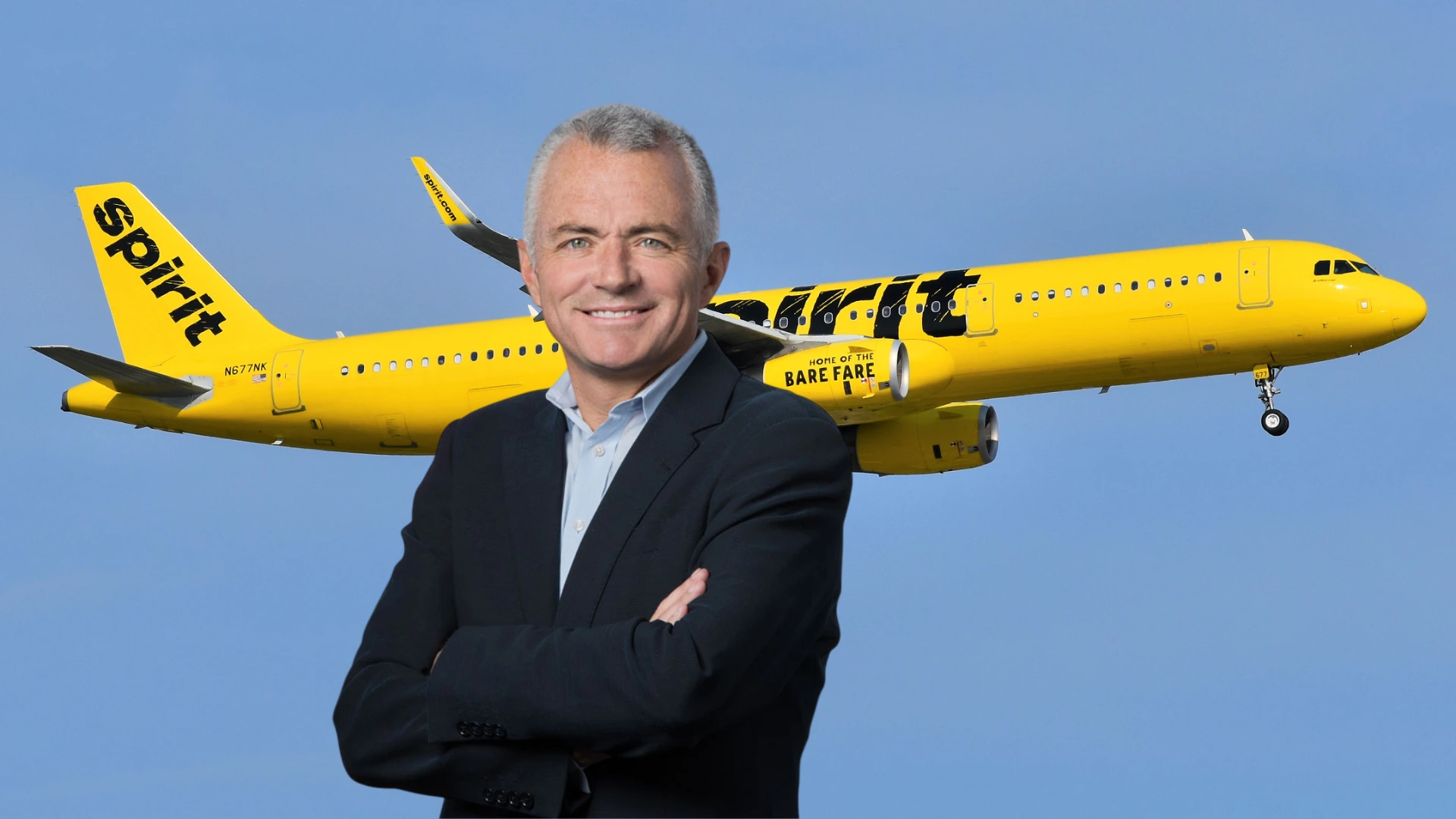
As a publicly traded entity on the New York Stock Exchange (NYSE) under the ticker symbol SAVE, Spirit Airlines is owned by a diverse group of shareholders. From massive asset management firms to retail investors and the remnants of historical corporate maneuvers, the ownership structure of Spirit reflects the volatility and the opportunistic nature of the airline industry.
1. The Public Market Dynamics: Who Holds the Shares?
Spirit Airlines is not a private company, nor is it a subsidiary of a larger airline group. Its ownership is distributed across millions of shares of common stock. To understand who truly holds the reins, one must look at the institutional filings that reveal the major players behind the capital.
Institutional Giants: Vanguard, BlackRock, and State Street
Like many mid-cap American companies, the largest “owners” of Spirit Airlines are institutional investors. These are massive financial firms that manage mutual funds, pension funds, and ETFs. As of recent filings, the “Big Three” of the investing world—The Vanguard Group, BlackRock, Inc., and State Street Corporation—consistently rank among the top shareholders.
Vanguard and BlackRock typically own shares through their index-tracking funds. For example, if an investor buys an “S&P SmallCap 600” index fund, they are indirectly owning a piece of Spirit Airlines. These institutions do not usually take an active role in daily operations, but their voting power during shareholder meetings is immense, often dictating the composition of the Board of Directors and approving or rejecting major corporate actions.
The Role of Hedge Funds and Active Managers
Beyond the passive index giants, Spirit has historically attracted active fund managers and hedge funds. These investors often buy into Spirit based on its “Ultra-Low-Cost Carrier” (ULCC) fundamentals or as a speculative play on industry consolidation. Because Spirit’s stock price is highly sensitive to fuel costs, labor negotiations, and merger news, it remains a favorite for institutional traders looking to capitalize on market volatility.
Retail Investors and the “SAVE” Community
A significant, though smaller, portion of Spirit is owned by individual retail investors. These are everyday people trading through platforms like Robinhood or Fidelity. In recent years, Spirit became a “narrative stock” within retail circles, especially during the bidding war between JetBlue and Frontier. Retail sentiment can drive short-term price action, though it rarely influences the long-term strategic direction compared to the institutional blocks.
2. The Merger Wars: The Battle for Ownership Between JetBlue and Frontier
The ownership narrative of Spirit Airlines was nearly rewritten in 2022 and 2023. Understanding who owns Spirit today requires an analysis of who tried to own them and why those deals collapsed, leaving the airline in its current independent—and financially precarious—state.
The Failed $3.8 Billion JetBlue Acquisition
In early 2022, Frontier Airlines initially proposed a merger with Spirit, aiming to create a dominant ULCC. However, JetBlue Airways intervened with a “hostile” all-cash bid that was significantly higher than Frontier’s offer. After months of bidding wars and shareholder votes, Spirit’s board eventually pivoted to JetBlue.
Had the deal closed, Spirit Airlines would no longer exist as a standalone public company; it would have been a wholly-owned subsidiary of JetBlue, eventually integrated into the JetBlue brand. For shareholders, this represented a lucrative exit strategy at a significant premium over the market price.
Antitrust Regulations and the DOJ Intervention
The ownership transition was halted by the U.S. Department of Justice (DOJ). In early 2024, a federal judge blocked the JetBlue-Spirit merger on antitrust grounds. The court ruled that removing Spirit as an independent “price disrupter” would harm budget-conscious travelers.
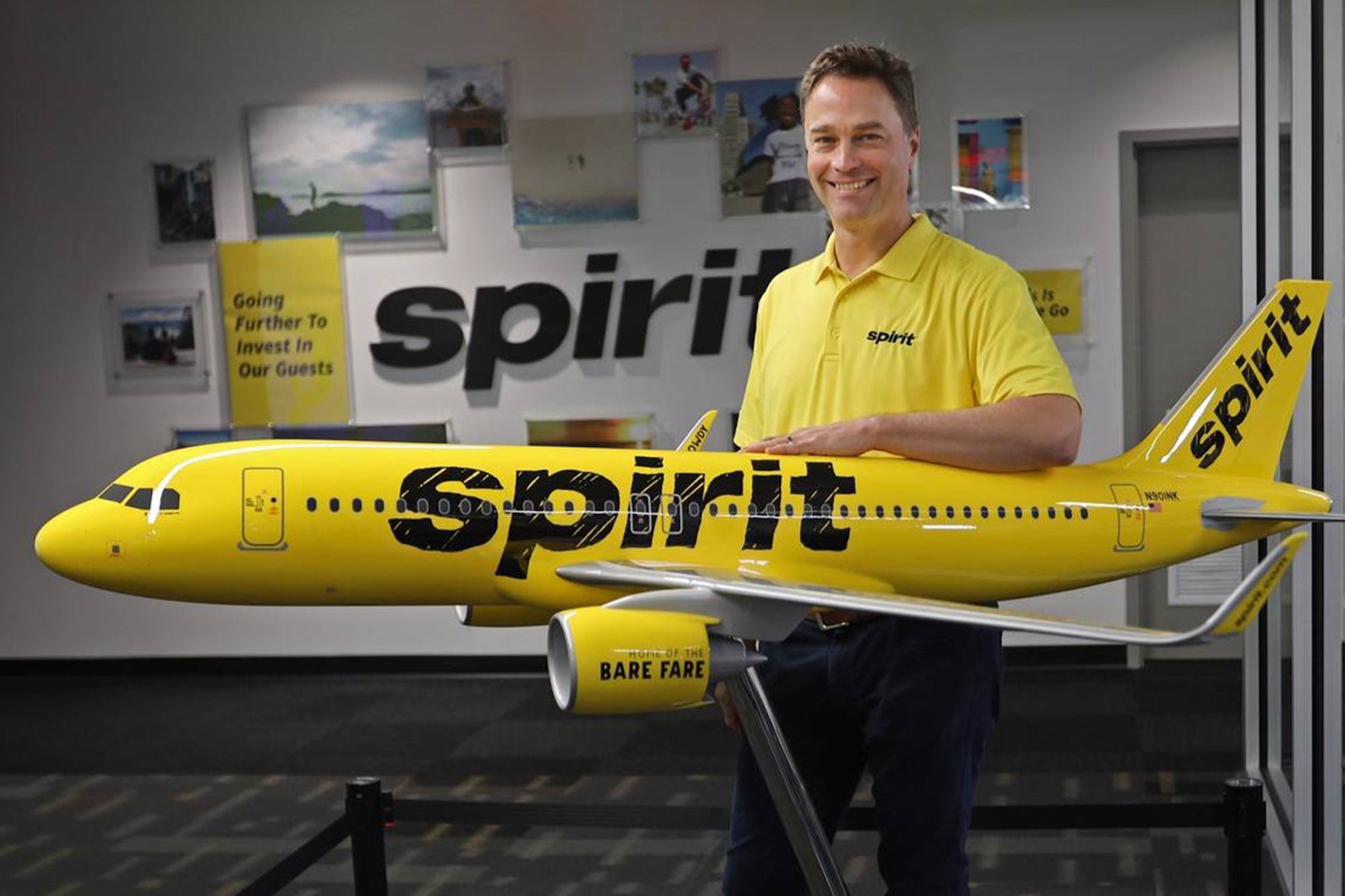
This ruling had a catastrophic impact on Spirit’s stock price, which plummeted as the prospect of a guaranteed buyout vanished. Today, Spirit remains an independent entity not because it chose to, but because the federal government prevented a change in ownership to protect market competition.
3. The Business of Budget Flying: Spirit’s Financial Model
To understand the value of owning Spirit Airlines, one must understand its unique financial engine. Spirit operates on a high-volume, low-margin model that prioritizes asset utilization and “ancillary” revenue over traditional ticket sales.
Ancillary Revenue: The Engine of Profitability
For most airlines, the ticket price is the primary revenue driver. For Spirit, the ticket is often just the “entry fee.” The real profit—and the reason investors have historically been attracted to the stock—comes from non-ticket revenue. This includes fees for carry-on bags, seat assignments, onboard refreshments, and their loyalty program.
From a business finance perspective, this unbundled model allows Spirit to maintain a lower “Base Fare” than Delta or United while often generating a similar “Total Revenue per Passenger.” This strategy targets a specific market segment—the price-sensitive leisure traveler—which has shown remarkable resilience even during economic downturns.
Managing CASM and Operational Levers
Investors closely monitor Spirit’s CASM (Cost per Available Seat Mile). In the airline industry, success is measured by the ability to keep operating costs lower than the revenue generated per seat. Spirit’s ownership of a young, fuel-efficient all-Airbus fleet is a strategic financial asset. Newer planes require less maintenance and consume less fuel, which are the two largest variable costs in aviation. However, recent issues with Pratt & Whitney engines have grounded parts of their fleet, creating a financial drag that shareholders are currently navigating.
4. The Future Outlook: Debt, Liquidity, and Market Viability
Ownership of Spirit Airlines in the current climate is a high-risk, high-reward proposition. Following the blocked merger, the company’s financial health has come under intense scrutiny, with the market questioning its ability to survive as an independent carrier.
Debt Maturities and the Threat of Restructuring
Spirit faces significant debt maturities in the coming years. For the current owners—the shareholders—the primary concern is the company’s liquidity. When a company carries heavy debt and experiences quarterly losses, the risk of a “Chapter 11” restructuring increases.
In a restructuring scenario, the ownership structure often shifts dramatically. Existing equity (the common stock) can be wiped out, and the “new” owners of the company become the creditors (bondholders) who swap their debt for equity in the reorganized firm. This is a critical factor for any potential investor to consider: today’s owners may not be tomorrow’s owners if the balance sheet isn’t repaired.
The Path Forward for Investors
Spirit is currently in a “transformation” phase. They are attempting to move away from the purely “no-frills” model by introducing premium seating options and bundled packages to attract higher-yield travelers. The goal is to return to profitability and prove to the market that Spirit can stand alone without a merger partner.
If Spirit succeeds in this pivot, the current shareholders stand to see a significant recovery in valuation. If they fail, the company may be forced back to the negotiating table for a “distressed” sale or a total financial overhaul.
Conclusion
Who owns Spirit Airlines? Currently, it is owned by a collective of institutional giants like Vanguard and BlackRock, alongside thousands of individual investors who are betting on the resilience of the ultra-low-cost model. However, the true “ownership” of the company’s future is currently being contested in the halls of the treasury department and the boardroom.
Spirit remains a vital case study in business finance. It illustrates how government regulation can override private market agreements (as seen in the JetBlue block) and how a company’s ownership value is inextricably linked to its ability to manage debt in a volatile industry. Whether Spirit remains an independent public company or eventually finds a new owner through a different strategic partnership, its impact on the economics of travel is undeniable. For the savvy investor, Spirit is more than just an airline; it is a high-stakes lesson in market competition, regulatory risk, and financial survival.
aViewFromTheCave is a participant in the Amazon Services LLC Associates Program, an affiliate advertising program designed to provide a means for sites to earn advertising fees by advertising and linking to Amazon.com. Amazon, the Amazon logo, AmazonSupply, and the AmazonSupply logo are trademarks of Amazon.com, Inc. or its affiliates. As an Amazon Associate we earn affiliate commissions from qualifying purchases.