
The word “opposition” conjures images of adversarial battles, staunch resistance, and fundamental disagreement. In its most literal sense, opposition signifies a stance against something, a counter-force that seeks to nullify or challenge a prevailing idea, action, or entity. However, the true nature and impact of opposition are far more nuanced, extending beyond simple antagonism to encompass a vital force that drives innovation, refines strategies, and safeguards against flawed decisions across the dynamic landscapes of technology, branding, and finance.
This article delves into the multifaceted concept of opposition, exploring how it manifests and operates within these key domains. We will examine how opposition, rather than being purely destructive, often serves as a critical catalyst for progress, forcing introspection, demanding stronger justifications, and ultimately leading to more robust and resilient outcomes.
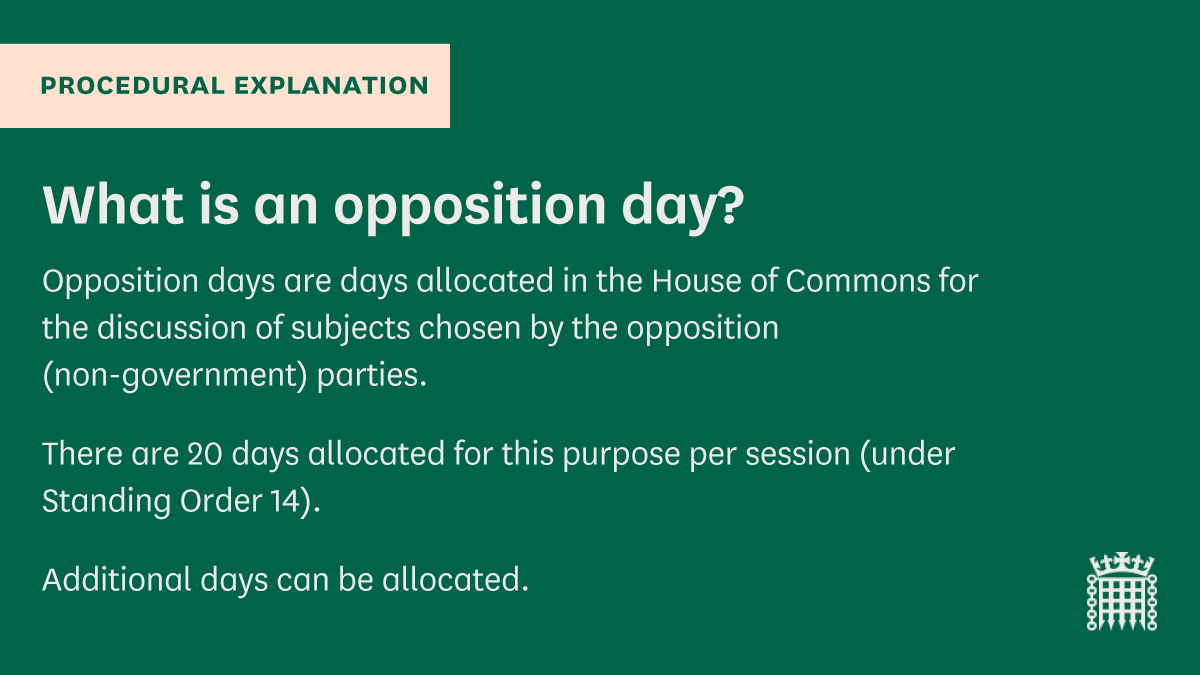
The Ubiquitous Nature of Opposition
Opposition is not an isolated phenomenon; it is an inherent characteristic of any system involving multiple actors, perspectives, or competing interests. Whether it’s a startup challenging an established market leader, a dissenting voice within a company, or a differing investment strategy, opposition is constantly at play. Understanding its origins and forms is the first step to harnessing its potential.
Opposition in the Technological Arena
In the fast-paced world of technology, opposition is the very engine of disruption and advancement. From the groundbreaking invention of the personal computer challenging the mainframe dominance to the rise of open-source software as an alternative to proprietary systems, opposition has consistently pushed the boundaries of what’s possible.
- Challenging the Status Quo: New technologies often emerge as direct opposition to existing solutions. Consider the transition from dial-up internet to broadband, or the shift from traditional software installations to cloud-based SaaS models. These innovations were met with initial resistance – concerns about cost, security, or simply the inertia of familiarity. Yet, the opposition they presented to the status quo ultimately led to widespread adoption and significant improvements in efficiency and accessibility.
- The Role of Competing Standards and Platforms: The tech industry is a prime example of how competing platforms and standards can foster opposition and drive progress. The “browser wars” of the late 1990s, while sometimes acrimonious, spurred rapid development and feature enhancements in web browsers, benefiting users immensely. Similarly, the ongoing competition between different operating systems (Windows, macOS, Linux, Android, iOS) forces each to innovate and improve to remain competitive. This constant push-and-pull, fueled by opposition, ensures a dynamic ecosystem where users benefit from a wider array of choices and increasingly sophisticated products.
- Emergent Opposition: AI and Automation: The current wave of advancements in Artificial Intelligence (AI) is a powerful illustration of opposition at work. AI tools are not just offering alternative ways to perform tasks; they are actively challenging traditional job roles and established workflows. This opposition, while generating apprehension, is also forcing a re-evaluation of skills, leading to the development of new AI-powered productivity tools, and prompting discussions about the future of work. The opposition presented by AI necessitates adaptation, learning, and the development of new strategies to leverage these powerful technologies rather than be replaced by them.
- Digital Security and the Arms Race: In digital security, opposition is a constant and critical battle. Cybersecurity threats are the opposition that security software and protocols must constantly overcome. This adversarial relationship drives innovation in encryption, threat detection, and defensive strategies. The constant evolution of malware and hacking techniques necessitates an equally persistent and intelligent opposition from security professionals and developers, creating an ongoing arms race that ultimately aims to protect users and data.
Opposition in Branding and Marketing
In the realm of branding and marketing, opposition can manifest in various forms, from direct competitor attacks to internal skepticism or negative consumer sentiment. However, understanding and effectively managing this opposition is crucial for building a strong and resilient brand.
- Competitive Opposition: Differentiation and Market Share: The most obvious form of opposition in branding comes from competitors. Businesses must constantly differentiate themselves to stand out in a crowded marketplace. This differentiation is a direct response to the opposition posed by similar products or services. A compelling brand strategy actively anticipates and addresses competitor offerings, highlighting unique selling propositions and building a distinct identity. Case studies of successful brands often reveal how they have strategically navigated and even leveraged competitor opposition to carve out their niche and build loyalty.
- Internal Opposition: The Value of Dissent: Within organizations, internal opposition can be invaluable. It might come from employees who disagree with a proposed marketing campaign, a new product direction, or a change in corporate identity. While this can be uncomfortable, it often stems from genuine concerns or alternative perspectives. Ignoring internal opposition can lead to flawed execution and missed opportunities. Conversely, fostering an environment where constructive dissent is welcomed allows for the refinement of strategies, the identification of potential pitfalls, and the development of more inclusive and effective plans. This is particularly relevant in design and reputation management, where diverse feedback can lead to more universally appealing outcomes.
- Consumer Opposition: Feedback and Adaptation: Consumer opposition, whether expressed through negative reviews, social media backlash, or declining sales, is a powerful indicator that a brand is not resonating. This opposition, while potentially damaging, offers invaluable feedback. Brands that are agile and willing to adapt to consumer sentiment, address concerns, and evolve their messaging or offerings can not only mitigate damage but also strengthen their relationship with their audience. Personal branding, in particular, requires constant vigilance and responsiveness to how one is perceived, actively addressing any negative perceptions to build a more robust and positive reputation.
- The Influence of Market Trends and Cultural Shifts: Opposition can also arise from broader market trends or cultural shifts. A brand that fails to acknowledge or adapt to changing consumer values, ethical considerations, or emerging social movements risks becoming irrelevant. The opposition in this case is not a direct competitor but a shifting tide of public opinion that demands a brand’s alignment with contemporary expectations.

Opposition in the Financial World
The financial landscape is inherently a realm of differing opinions, risk appetites, and strategic approaches, making opposition a constant and often beneficial force.
- Investment Strategies: Divergent Philosophies: In investing, opposition is fundamental to the market’s existence. Different investors hold vastly different philosophies, from aggressive growth strategies to conservative value investing. This divergence of opinion, or opposition, creates the supply and demand that drives market activity. When one group of investors believes a stock is undervalued (and thus opposes the current market price), they buy, pushing the price up. Conversely, when others believe it’s overvalued, they sell, pushing it down. This constant interplay of opposing views is what allows for price discovery and the allocation of capital.
- Personal Finance and Budgeting: Internal Resistance: Within personal finance, opposition often manifests as internal resistance to sound financial principles. The desire for immediate gratification can oppose long-term savings goals, or a fear of complexity can oppose the adoption of effective investing tools. Overcoming this internal opposition requires discipline, education, and the development of strong financial habits. Side hustles, for example, often emerge as an opposition to the limitations of a primary income, demonstrating a proactive approach to financial betterment.
- Business Finance: Strategic Counterarguments: For businesses, financial opposition can come from various sources. Lenders may oppose a loan application due to perceived risk, investors may oppose a proposed funding round if the valuation is too high, or stakeholders might oppose a costly expansion plan. Effective financial management requires anticipating and addressing these oppositions with well-reasoned arguments, robust financial data, and a clear demonstration of potential returns. The development of sound business finance strategies is often a process of presenting a compelling case that overcomes initial objections and oppositions.
- The Regulatory Environment: Checks and Balances: The financial world is heavily regulated, and these regulations themselves often represent an opposition to unchecked market behavior. Regulatory bodies are designed to act as a check and balance, opposing practices that could be detrimental to consumers or the stability of the financial system. While sometimes seen as burdensome, this opposition is crucial for maintaining trust and preventing systemic crises.
Harnessing the Power of Opposition
Rather than fearing or avoiding opposition, individuals and organizations that thrive in technology, branding, and finance learn to embrace and leverage it.
Recognizing and Analyzing Opposition
The first step is to actively recognize when opposition is present. This involves listening to dissenting voices, conducting thorough market research, analyzing competitor strategies, and being open to feedback. Once identified, opposition needs to be analyzed: what is its source? What are its underlying motivations? What are its potential impacts? This analytical approach allows for a strategic response rather than an emotional one.
Constructive Engagement and Adaptation
The most effective way to deal with opposition is not to suppress it but to engage with it constructively. This might involve:
- Refining Strategies: Using feedback from opposition to improve products, services, or marketing messages.
- Strengthening Arguments: Providing more compelling evidence or data to support a decision or proposition.
- Seeking Compromise: Finding common ground and adapting approaches where feasible.
- Learning and Evolving: Embracing opposition as an opportunity for growth and continuous improvement.
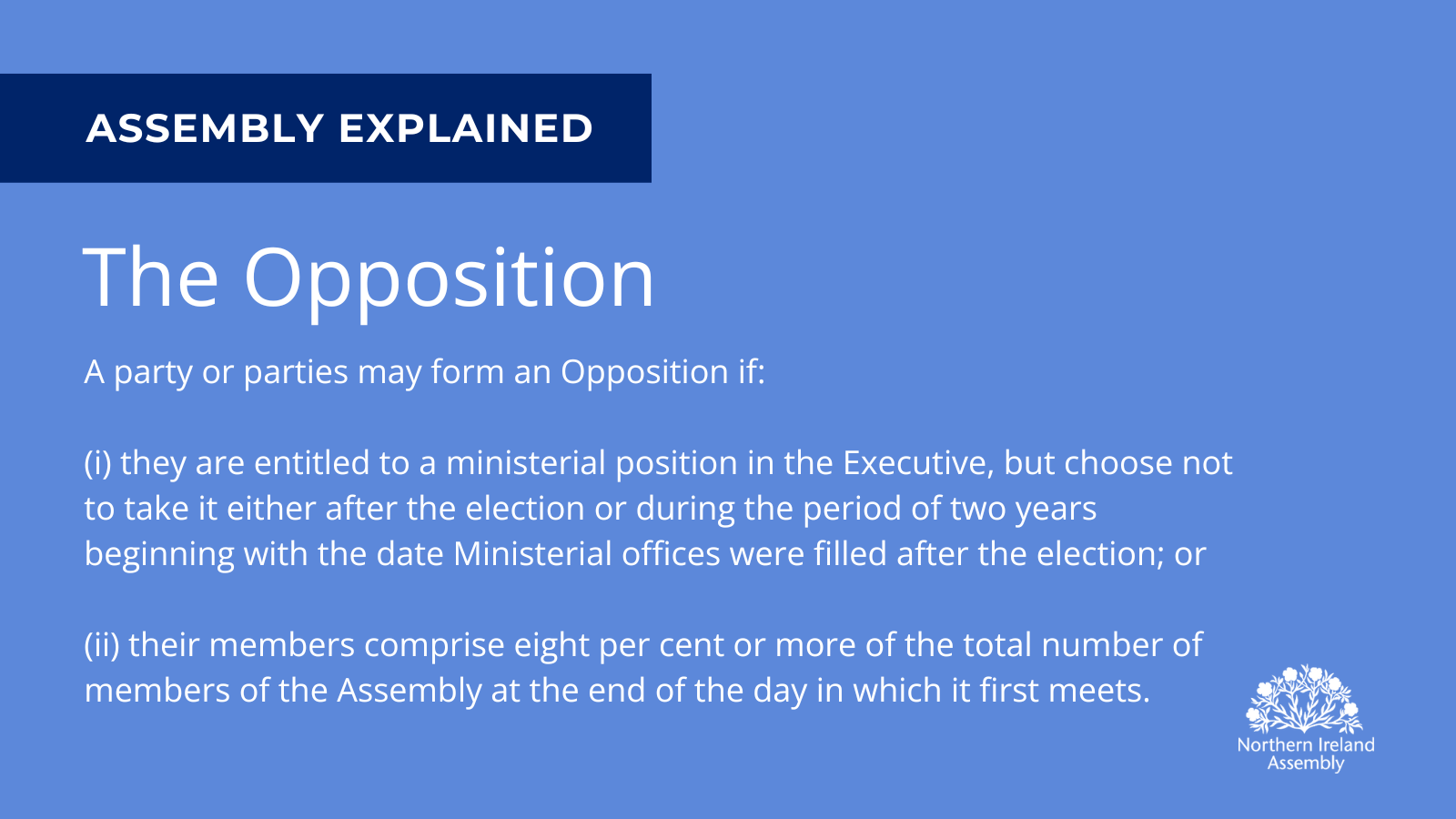
Opposition as a Catalyst for Innovation
Ultimately, opposition is not merely an obstacle; it is a powerful catalyst. In technology, it drives the creation of disruptive innovations. In branding, it forces clarity and differentiation. In finance, it refines strategies and promotes sound decision-making. By understanding the multifaceted nature of opposition and developing the skills to navigate it effectively, we can transform potential challenges into opportunities for significant advancement and success. The next time you encounter opposition, consider it not as a barrier, but as an invitation to innovate, refine, and ultimately, to strengthen your position.
aViewFromTheCave is a participant in the Amazon Services LLC Associates Program, an affiliate advertising program designed to provide a means for sites to earn advertising fees by advertising and linking to Amazon.com. Amazon, the Amazon logo, AmazonSupply, and the AmazonSupply logo are trademarks of Amazon.com, Inc. or its affiliates. As an Amazon Associate we earn affiliate commissions from qualifying purchases.