
To ask “what is LOTR?” is to inquire not merely about a fantasy series, but about one of the most profoundly influential and enduring entertainment brands in human history. Far from being a simple acronym for “The Lord of the Rings,” LOTR represents a sprawling, multi-generational phenomenon that has transcended its literary origins to become a cornerstone of global popular culture. From a brand perspective, LOTR embodies a masterclass in narrative power, consistent identity, and enduring fan loyalty, providing invaluable lessons for anyone interested in brand strategy, corporate identity, and the alchemy of creating a truly iconic market presence. This article delves into the intricate layers of the LOTR brand, exploring its foundational strengths, its strategic evolution, and its unwavering cultural impact.
The Genesis of a Legendary Brand: From Page to Global Phenomenon
Every powerful brand has an origin story, and for LOTR, it begins with an unparalleled act of creative world-building. Understanding its initial formation is crucial to appreciating the subsequent success of its brand diversification and enduring appeal.
J.R.R. Tolkien’s Vision and Literary Foundation
The genesis of the LOTR brand lies firmly with J.R.R. Tolkien’s magnum opus, “The Lord of the Rings,” first published in three volumes between 1954 and 1955. Tolkien, an Oxford professor of Anglo-Saxon, meticulously crafted an entire mythology, history, and linguistic framework for his world, Middle-earth. This commitment to verisimilitude created an unparalleled depth that imbued the stories with a gravitas rarely seen in fantasy fiction. The brand’s initial value proposition was clear: an escape into an exquisitely detailed, morally complex, and heroically epic world. Tolkien’s rigorous approach to lore, character development, and theme laid an unshakeable foundation for the brand’s authenticity, a quality that consumers cherish and brands strive to cultivate. The very prose and narrative style became synonymous with a certain intellectual rigor and imaginative grandeur, distinguishing it from subsequent imitations. This foundational consistency proved to be a critical asset, allowing the brand to maintain its core identity even as it expanded into different mediums.
The Incubation of a Fandom: Early Adaptations and Cult Status
Even before the advent of blockbuster films, the LOTR brand cultivated a passionate and devoted following. Early printings garnered critical acclaim, but it was the counter-culture movement of the 1960s that truly cemented its cult status, particularly in the United States. Its themes of nature, anti-industrialism, friendship, and the struggle against overwhelming evil resonated deeply with a generation seeking meaning and rebellion. This era saw the organic growth of a powerful brand community—fans who not only consumed the books but debated them, created fan art, and organized gatherings. This grassroots engagement was an early indicator of the brand’s unique ability to foster deep, personal connections, transforming readers into evangelists. Subsequent, albeit limited, adaptations like the animated films by Ralph Bakshi (1978) and Rankin/Bass (1980) kept the brand alive in the public consciousness, serving as important touchstones that bridged generations and maintained a steady hum of interest until its eventual cinematic explosion. These early, diverse interpretations, while not always critically perfect, showcased the brand’s adaptability and reinforced its presence across different media, priming it for greater market penetration.
Pillars of the LOTR Brand Identity
A brand’s identity is its essence, the sum of its recognizable traits and values. For LOTR, these pillars are robust, deeply ingrained, and consistently communicated across all its manifestations, allowing it to maintain coherence despite its vast scope.
Core Narrative and Thematic Elements
At the heart of the LOTR brand identity lies its profound narrative and thematic core. The struggle between good and evil, the corrupting influence of power, the strength of friendship, the heroism of the ordinary, and the beauty of sacrifice are universal themes that transcend cultural boundaries. This rich thematic tapestry gives the brand a profound resonance, making it accessible and relevant to diverse audiences worldwide. Unlike fleeting trends, these archetypal stories tap into fundamental human experiences, granting the LOTR brand an unparalleled timelessness. The brand’s message is clear: even the smallest among us can make a difference against seemingly insurmountable odds, and hope can endure in the darkest of times. This powerful and positive messaging forms the emotional core of the brand, fostering loyalty and a sense of shared values among its consumers. It’s not just an escape; it’s an affirmation of enduring virtues.
Iconic Imagery and World-Building
The visual and conceptual world-building of LOTR is another critical pillar of its brand identity. From the Shire’s pastoral tranquility to the ominous Eye of Sauron, the majestic towers of Minas Tirith, and the intricate elven script, the brand is replete with instantly recognizable imagery. These visual cues, meticulously described by Tolkien and later brilliantly realized in various adaptations, create a distinct and immersive brand aesthetic. The brand’s consistent visual language and the detailed lore of Middle-earth—its races, languages, geographies, and histories—form a comprehensive brand universe. This deep well of intellectual property allows for endless avenues of creative exploration while maintaining a consistent visual and narrative identity. It means that whether you encounter an LOTR video game, a piece of merchandise, or a new film, there is an immediate recognition and understanding of the brand’s distinctive world. This robust visual and narrative toolkit is invaluable for marketing and maintaining brand recognition across diverse platforms.
The Power of Community and Fan Engagement
Perhaps the most potent pillar of the LOTR brand is its extraordinary community and the deep level of fan engagement it inspires. From online forums and encyclopedic wikis to cosplay events, conventions, and academic societies, the LOTR fandom is a living, breathing testament to the brand’s power. This active and passionate community serves as a powerful organic marketing engine, generating discourse, fostering loyalty, and introducing new generations to Middle-earth. The brand’s creators and stewards have often wisely embraced this fan base, understanding that these consumers are not just passive recipients but active participants in the brand’s ongoing narrative. Their input, passion, and advocacy contribute significantly to the brand’s sustained relevance and cultural impact, turning consumers into brand ambassadors. This level of intrinsic engagement highlights the success of building a brand that offers more than just content; it offers a sense of belonging and shared identity.

Evolution and Diversification: Expanding the Brand Ecosystem
For any brand to survive and thrive over decades, it must adapt and diversify while staying true to its core. LOTR has masterfully achieved this, expanding its ecosystem through strategic adaptations and market positioning.
Peter Jackson’s Film Trilogy: A Masterclass in Brand Revitalization
The early 2000s saw the LOTR brand undergo a monumental revitalization with Peter Jackson’s live-action film trilogy. This adaptation was not merely a retelling but a definitive cinematic realization that catapulted the brand from beloved cult classic to global blockbuster phenomenon. Jackson’s vision, coupled with groundbreaking special effects and a masterful casting, brought Middle-earth to vivid life in a way previous attempts could not. The films were a strategic triumph, expanding the brand’s reach to billions worldwide who may not have engaged with the books. They not only introduced LOTR to a new generation but reignited passion among existing fans. From a brand strategy perspective, the films solidified the visual identity, deepened emotional connections, and dramatically increased the brand’s commercial viability through box office success, critical acclaim, and Oscar wins. This was a textbook example of how a carefully executed, high-quality adaptation can elevate an existing intellectual property to unprecedented heights, proving the enduring value of its core narrative.
Merchandise, Gaming, and Experiential Marketing
Following the films’ success, the LOTR brand diversified aggressively into a vast ecosystem of products and experiences. Merchandise ranging from action figures and collectibles to apparel, home goods, and even fine art became ubiquitous. This expansion was crucial for monetizing the brand’s immense popularity and maintaining its presence in consumers’ daily lives. Video games, both standalone titles and adaptations, further extended the narrative possibilities, allowing fans to interact directly with Middle-earth. These digital experiences broadened the brand’s appeal to gaming communities and offered new avenues for immersion. Beyond physical and digital products, experiential marketing—such as “The Lord of the Rings in Concert” tours, themed escape rooms, and even real-world tourism to New Zealand (the filming location)—provided fans with unique, memorable engagements. This multi-faceted approach to brand extension demonstrates a sophisticated understanding of consumer touchpoints, ensuring that the LOTR brand remained vibrant and relevant across various market segments.
Navigating Modern Adaptations: Amazon’s “Rings of Power”
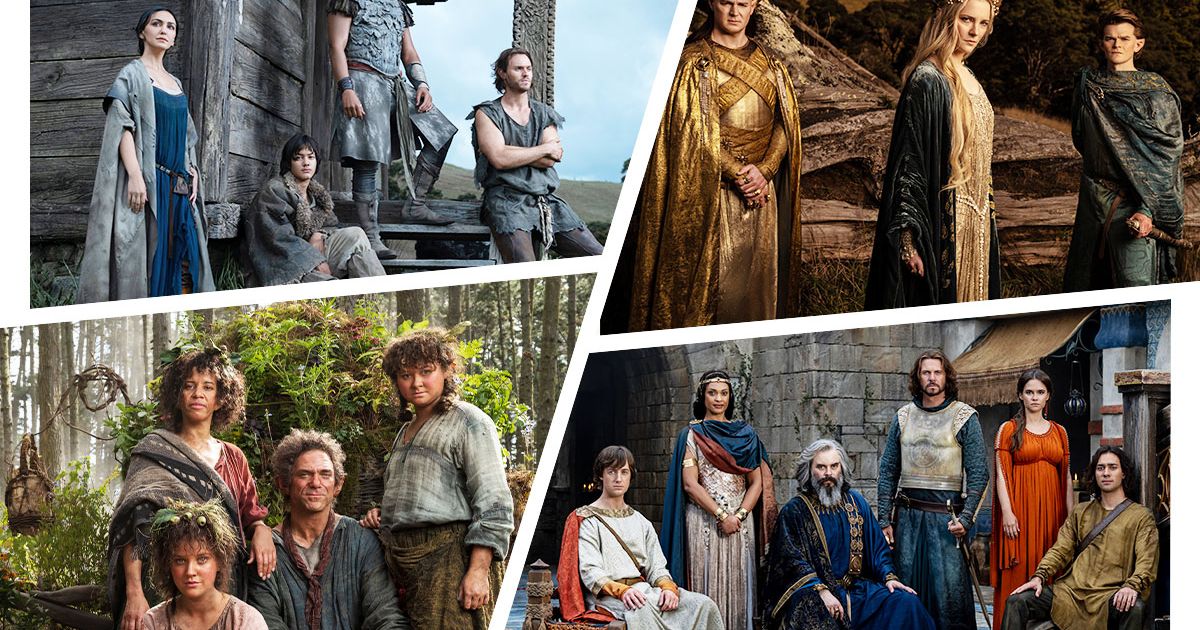
The LOTR brand continues to evolve, as evidenced by Amazon Prime Video’s “The Lord of the Rings: The Rings of Power” series. This ambitious and costly venture represents a significant strategic play to explore the earlier history of Middle-earth, utilizing previously untapped parts of Tolkien’s lore. Such adaptations are crucial for maintaining a brand’s contemporary relevance and introducing it to new digital-native audiences. However, they also present challenges in maintaining brand consistency and meeting fan expectations. The critical and audience reception of “The Rings of Power” highlighted the complexities of managing a beloved brand with a fiercely loyal, and often critical, fan base. It underscores the delicate balance between innovation and fidelity to established canon, a perpetual challenge for long-standing intellectual properties. Nevertheless, the sheer scale of investment and discourse surrounding the series reaffirms the LOTR brand’s immense power and enduring cultural capital, proving that its allure remains a potent force in the entertainment landscape.
The Enduring Legacy and Future of the LOTR Brand
The continued vitality of the LOTR brand is not just a testament to its past achievements but also a dynamic indicator of its future potential. Its legacy stretches far beyond entertainment, influencing culture, language, and storytelling across genres.
Cultural Impact and Archetypal Resonance
The LOTR brand’s cultural impact is immeasurable. Its characters, phrases, and concepts have permeated global consciousness, influencing countless works of fantasy, science fiction, and popular culture. Terms like “Hobbit,” “Orc,” and “Gandalf” are widely understood, demonstrating the brand’s linguistic and conceptual reach. Its archetypal stories of heroism, friendship, and the struggle against oppression resonate deeply, providing a framework for understanding moral dilemmas and human nature. This deep cultural embedding ensures the brand’s longevity, as it continues to be referenced, reinterpreted, and celebrated by successive generations. It has become a benchmark for epic fantasy, shaping expectations for world-building and character development within the genre. The brand’s enduring power lies in its ability to transcend mere entertainment and touch upon universal truths, solidifying its place not just as a story, but as a cultural touchstone.
Strategic Brand Management in a Dynamic Landscape
Looking ahead, the strategic management of the LOTR brand remains paramount. With new adaptations, games, and potential spin-offs continually emerging, maintaining a consistent brand identity while embracing innovation is a delicate balancing act. This requires careful stewardship of the intellectual property, strategic marketing campaigns, and a keen understanding of evolving consumer preferences. Key considerations include ensuring creative integrity, fostering community engagement, and identifying new platforms or technologies that can introduce Middle-earth to fresh audiences without diluting its core values. The brand’s custodians must navigate the fine line between commercial expansion and preserving the artistic vision that gave birth to the brand, much like Disney manages its classic animated properties. The ability to continually tell compelling stories within the established lore, while also charting new territories, will be crucial for its sustained success.

Lessons in Longevity: What Brands Can Learn from Middle-earth
Ultimately, the LOTR brand offers profound lessons for any entity aspiring to long-term market dominance and cultural impact. Its success stems from a foundational commitment to rich, authentic storytelling; the meticulous creation of a deeply immersive world; a profound understanding of universal human themes; and a willingness to strategically adapt and diversify without compromising core identity. It showcases the power of building a passionate community, leveraging adaptations to revitalize relevance, and consistently delivering high-quality experiences that resonate emotionally. In an age of fleeting trends and rapidly shifting consumer attention, LOTR stands as a testament to the enduring power of a well-conceived, consistently managed, and deeply loved brand—a true titan in the realm of global entertainment. Its journey from academic curiosity to global powerhouse serves as an inspiring blueprint for brand builders across all industries.
aViewFromTheCave is a participant in the Amazon Services LLC Associates Program, an affiliate advertising program designed to provide a means for sites to earn advertising fees by advertising and linking to Amazon.com. Amazon, the Amazon logo, AmazonSupply, and the AmazonSupply logo are trademarks of Amazon.com, Inc. or its affiliates. As an Amazon Associate we earn affiliate commissions from qualifying purchases.