
The phrase “liver fatty” might sound like a culinary description, but in reality, it refers to a serious health condition: fatty liver disease. This isn’t about a healthy dose of dietary fat; it’s about an unhealthy accumulation of fat in the liver, which can have significant consequences for your well-being. In a world increasingly focused on optimizing our physical and mental performance, understanding and managing conditions like fatty liver is paramount. While our website delves into the realms of tech innovation, brand building, and financial acumen, the foundation of our success, both personally and professionally, is our health. Therefore, let’s unpack what “liver fatty” truly means, exploring its causes, implications, and the actionable steps you can take to protect this vital organ.
Understanding the Liver’s Crucial Role
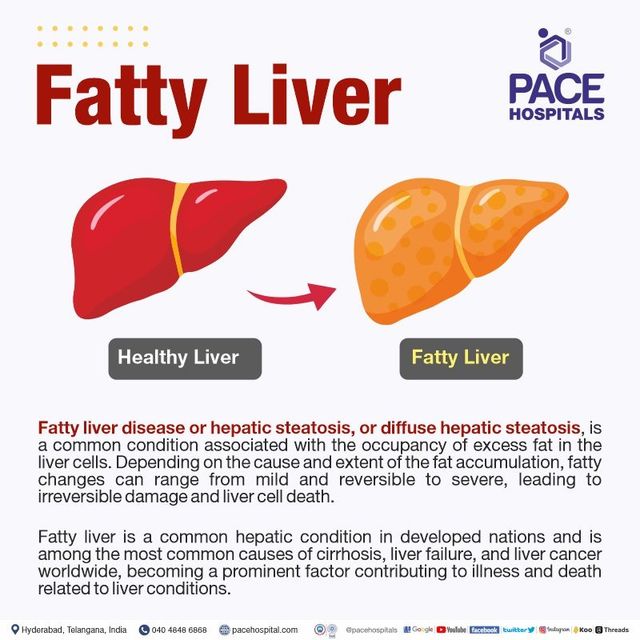
Before diving into the specifics of fatty liver, it’s essential to appreciate the multifaceted functions of our liver. This remarkable organ, weighing around 3 pounds in adults, is a powerhouse, performing over 500 vital tasks. It acts as your body’s natural detoxification center, filtering toxins from your blood, including alcohol and medications. It produces bile, which is crucial for digesting fats and absorbing fat-soluble vitamins. The liver also plays a key role in regulating blood sugar levels, producing essential proteins like albumin (which maintains fluid balance) and clotting factors (necessary for stopping bleeding). Furthermore, it synthesizes cholesterol and triglycerides, and stores glycogen, a form of glucose that provides readily available energy.
This intricate network of functions means that any disruption to the liver’s health can have far-reaching effects. When fat begins to accumulate excessively, it can impair these critical processes, leading to inflammation, damage, and potentially more severe liver diseases.
Decoding “Liver Fatty”: What Exactly is Fatty Liver Disease?
The term “liver fatty” directly translates to fatty liver disease, also known medically as hepatic steatosis. It’s characterized by the presence of more than 5-10% of fat in the liver by weight. While a small amount of fat in the liver is normal, excessive accumulation is where the problem arises.
There are two primary categories of fatty liver disease:
Alcoholic Fatty Liver Disease (AFLD)
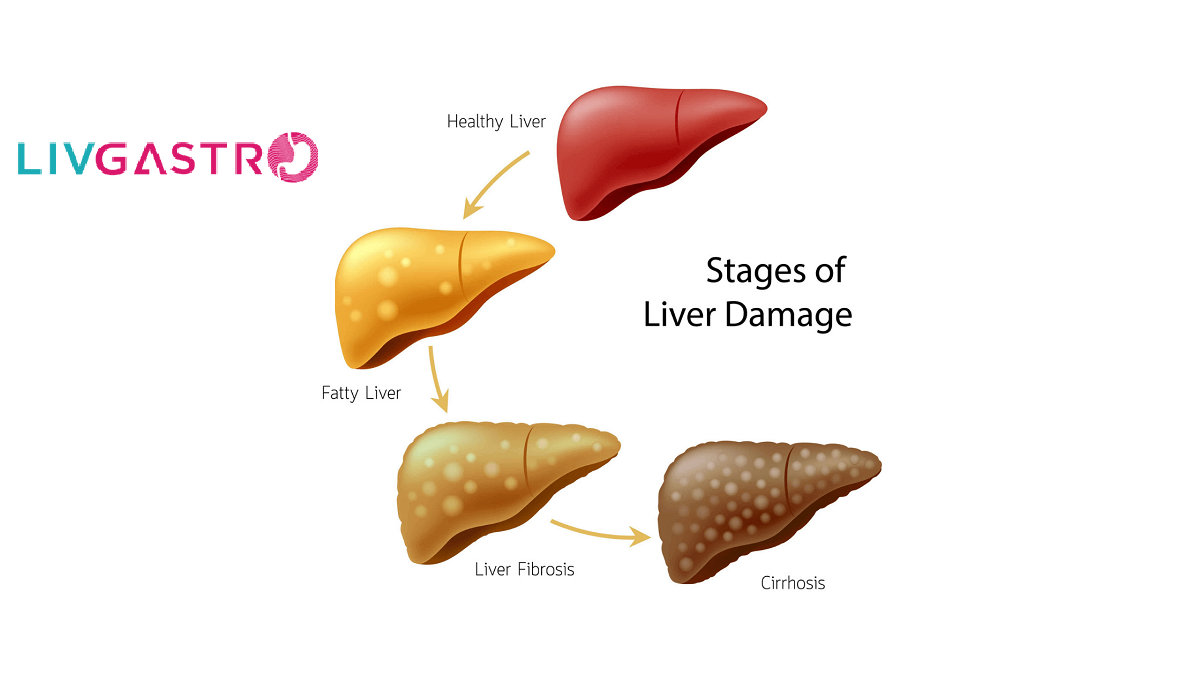
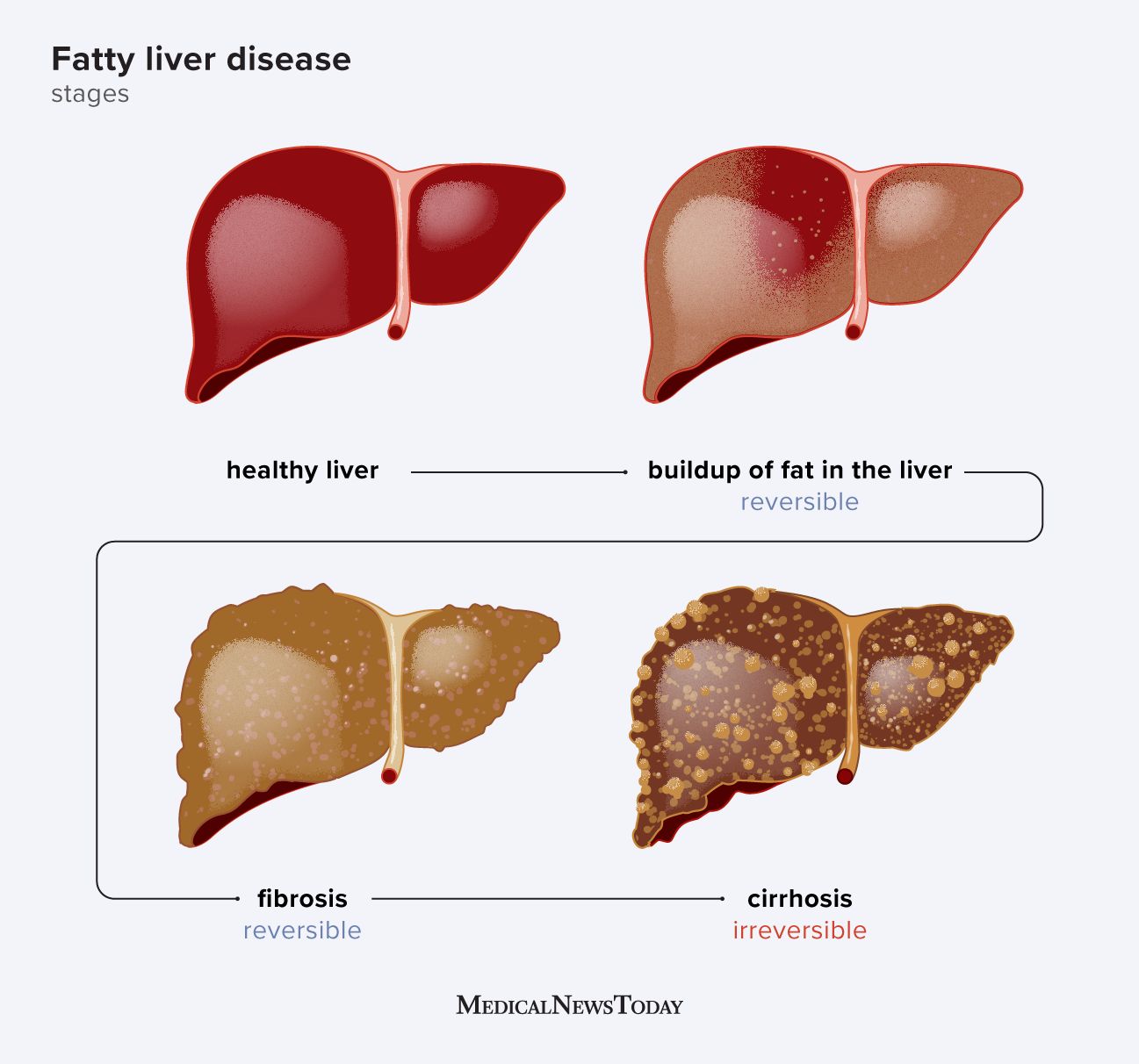
As the name suggests, AFLD is directly linked to excessive alcohol consumption. Alcohol is a toxin that the liver works hard to metabolize. When you drink heavily and regularly, your liver becomes overwhelmed. This metabolic stress leads to the accumulation of fat within liver cells. AFLD can progress through stages, from simple fatty liver to alcoholic hepatitis (inflammation of the liver) and ultimately to alcoholic cirrhosis, a severe and irreversible scarring of the liver.
Non-Alcoholic Fatty Liver Disease (NAFLD)
NAFLD is a more common and broader category, encompassing fatty liver disease in individuals who consume little to no alcohol. It’s often associated with metabolic factors and lifestyle choices. NAFLD is further divided into two main types:
- Non-Alcoholic Fatty Liver (NAFL): This is the milder form, where fat is present in the liver but there is little to no inflammation or liver cell damage. NAFL typically doesn’t cause significant liver damage and often has no symptoms.
- Non-Alcoholic Steatohepatitis (NASH): This is a more serious form of NAFLD. NASH involves fat accumulation along with inflammation and liver cell damage. This inflammation and damage can lead to fibrosis (scarring) of the liver, which in turn can progress to cirrhosis, liver failure, and even liver cancer.
The rise of NAFLD has become a significant global health concern, mirroring the increasing prevalence of obesity, type 2 diabetes, and metabolic syndrome in many populations.
The Silent Culprits: Causes and Risk Factors of Fatty Liver Disease
Understanding the root causes of fatty liver disease is crucial for prevention and management. While alcohol is the direct cause of AFLD, NAFLD is more complex, often stemming from a combination of factors that disrupt the body’s metabolic balance.
Metabolic Syndrome: A Web of Interconnected Issues
The most significant risk factor for NAFLD is metabolic syndrome. This is a cluster of conditions that occur together, increasing your risk of heart disease, stroke, and type 2 diabetes. These conditions include:
- Obesity, particularly abdominal obesity: Excess fat around the abdomen is strongly linked to insulin resistance and liver fat accumulation.
- High blood pressure (hypertension): Consistently elevated blood pressure strains the cardiovascular system and is a hallmark of metabolic syndrome.
- High blood sugar (hyperglycemia) or type 2 diabetes: When your body doesn’t use insulin effectively, it leads to elevated blood sugar levels, which can damage organs, including the liver.
- High levels of triglycerides (a type of fat in the blood): Elevated triglycerides are a clear indicator of an unhealthy lipid profile and are closely associated with fatty liver.
- Low levels of HDL (“good”) cholesterol: HDL cholesterol helps remove excess cholesterol from the bloodstream. Low levels mean less of this protective effect.
When these factors coalesce, they create an environment where the liver struggles to process fats efficiently, leading to their buildup.
Other Contributing Factors:
Beyond metabolic syndrome, several other factors can contribute to fatty liver disease:
- Insulin Resistance: This is a common underlying issue in NAFLD. When your cells become resistant to insulin, your body needs to produce more insulin to regulate blood sugar. This excess insulin can promote fat storage in the liver.
- Genetics: While lifestyle plays a major role, some individuals may have a genetic predisposition to developing fatty liver disease.
- Certain Medications: Some drugs, including corticosteroids, certain cancer medications, and some antiviral drugs, can contribute to fat accumulation in the liver as a side effect.
- Rapid Weight Loss: While weight loss is beneficial, extremely rapid or drastic weight loss can sometimes trigger NAFLD.
- Certain Medical Conditions: Conditions such as polycystic ovary syndrome (PCOS), hypothyroidism, and obstructive sleep apnea are also associated with an increased risk of NAFLD.
- Poor Diet: Diets high in refined carbohydrates, saturated fats, and sugars, and low in fiber, can exacerbate the risk of developing NAFLD.
It’s important to recognize that fatty liver disease often develops gradually and silently, making regular health check-ups and awareness of these risk factors crucial.
The Subtle Signals: Symptoms and Diagnosis of Fatty Liver Disease
One of the most challenging aspects of fatty liver disease, particularly in its early stages, is the lack of pronounced symptoms. Many individuals remain unaware they have the condition until it progresses to more severe stages or is incidentally discovered during medical imaging for other reasons.
The Silent Progression: Common Symptoms (When They Appear)
When symptoms do manifest, they are often vague and can be attributed to general fatigue or other common ailments. These may include:
- Fatigue and weakness: A general feeling of tiredness and lack of energy.
- Discomfort or dull pain in the upper right abdomen: This is where the liver is located.
- Unexplained weight loss: In some cases, particularly with advanced disease.
- Jaundice: Yellowing of the skin and whites of the eyes, a sign of significant liver damage.
- Swelling in the legs and abdomen (ascites): Fluid buildup due to impaired liver function.
- Confusion and difficulty concentrating (hepatic encephalopathy): A severe consequence of the liver’s inability to filter toxins from the blood.
It’s vital to reiterate that most people with fatty liver disease, especially NAFL, experience no symptoms at all. This underscores the importance of proactive health management and regular medical evaluations.
Unveiling the Truth: Diagnosis and Assessment
Diagnosing fatty liver disease typically involves a combination of medical history, physical examination, blood tests, and imaging techniques.
- Medical History and Physical Examination: Your doctor will inquire about your lifestyle, including alcohol consumption, diet, exercise habits, and any existing medical conditions. They may also perform a physical exam to check for an enlarged liver or other signs of liver issues.
- Blood Tests: Liver function tests (LFTs) can reveal elevated liver enzymes (AST and ALT), which are indicative of liver inflammation or damage. However, normal LFTs do not rule out fatty liver disease, and elevated enzymes can have various causes.
- Imaging Techniques:
- Ultrasound: This is often the first imaging test used to detect fat in the liver. It’s non-invasive and readily available.
- CT Scan and MRI: These more advanced imaging techniques can provide a clearer picture of the liver and assess the extent of fat accumulation and any associated changes.
- Transient Elastography (FibroScan): This specialized ultrasound technique measures the stiffness of the liver, which can indicate the presence and severity of fibrosis or scarring.
- Liver Biopsy: In some cases, especially when NASH is suspected or to determine the stage of fibrosis, a liver biopsy may be recommended. This involves taking a small sample of liver tissue for microscopic examination. While it provides a definitive diagnosis, it is an invasive procedure.
The diagnostic process aims to not only confirm the presence of fatty liver but also to determine whether it’s the simple fatty form (NAFL) or the inflammatory form (NASH), as this dictates the recommended course of action and prognosis.
Empowering Your Health: Lifestyle Modifications and Management Strategies
The good news is that fatty liver disease, especially in its earlier stages, is often reversible and manageable through significant lifestyle modifications. While there is no specific medication to “cure” fatty liver disease itself, addressing the underlying causes can dramatically improve liver health and prevent progression.
The Pillars of Liver Health: Diet and Exercise
The most impactful strategies for managing fatty liver disease revolve around adopting healthier dietary habits and increasing physical activity. These two pillars work synergistically to improve insulin sensitivity, reduce inflammation, and promote fat loss, including in the liver.
- Nutritional Overhaul: What to Eat and What to Avoid
- Embrace Whole Foods: Focus on a diet rich in fruits, vegetables, whole grains, and lean proteins. These provide essential nutrients and fiber, which aids digestion and satiety.
- Healthy Fats: Incorporate sources of monounsaturated and polyunsaturated fats, such as olive oil, avocados, nuts, and seeds. These can help improve cholesterol levels.
- Limit Refined Carbohydrates and Sugars: Significantly reduce your intake of sugary drinks, pastries, white bread, and processed snacks. These can spike blood sugar and contribute to fat accumulation.
- Reduce Saturated and Trans Fats: Minimize consumption of red meat, full-fat dairy products, fried foods, and commercially baked goods.
- Lean Protein Sources: Opt for fish, poultry, beans, and legumes as your primary protein sources.
- Hydration is Key: Drink plenty of water throughout the day.
- The Power of Movement: Regular Physical Activity
- Aim for Consistency: Aim for at least 150 minutes of moderate-intensity aerobic exercise per week, such as brisk walking, jogging, swimming, or cycling.
- Strength Training: Incorporate strength training exercises at least two days a week to build muscle mass, which can improve metabolism.
- Find Activities You Enjoy: The key to long-term adherence is to find activities you genuinely enjoy, making exercise a sustainable part of your routine.
Weight Management: A Crucial Component
For individuals who are overweight or obese, even a modest weight loss of 5-10% of their total body weight can lead to significant improvements in liver fat, inflammation, and fibrosis. Gradual and sustainable weight loss through diet and exercise is generally recommended.
Managing Underlying Conditions: A Holistic Approach
Effectively managing the conditions that contribute to fatty liver disease is paramount:
- Diabetes Management: If you have type 2 diabetes, working closely with your healthcare provider to control your blood sugar levels through diet, exercise, and medication is crucial.
- Blood Pressure Control: Maintain healthy blood pressure levels through lifestyle changes and, if necessary, prescribed medication.
- Cholesterol Management: Work with your doctor to manage your cholesterol levels, as high triglycerides and low HDL cholesterol are strong indicators of risk.
The Role of Technology and Digital Tools
While lifestyle is king, technology can play a supportive role in managing fatty liver disease.
- Fitness Trackers and Apps: These can help monitor your daily activity levels, set exercise goals, and track your progress.
- Nutrition Tracking Apps: These tools can assist in making healthier food choices, monitoring calorie intake, and identifying sources of hidden sugars and unhealthy fats.
- Telehealth and Online Resources: Accessing health information and consulting with healthcare professionals remotely can be convenient and beneficial.
Avoiding Liver Toxins
For those with AFLD, abstaining from alcohol is the most critical step. Even for individuals with NAFLD, it’s wise to be mindful of other potential liver toxins, such as excessive use of certain over-the-counter medications and exposure to environmental toxins, where possible.
By embracing these lifestyle changes and actively managing underlying health conditions, individuals can significantly improve their liver health and reduce the risk of complications associated with fatty liver disease. It’s a journey of empowerment, taking proactive steps towards a healthier, more vibrant future.
aViewFromTheCave is a participant in the Amazon Services LLC Associates Program, an affiliate advertising program designed to provide a means for sites to earn advertising fees by advertising and linking to Amazon.com. Amazon, the Amazon logo, AmazonSupply, and the AmazonSupply logo are trademarks of Amazon.com, Inc. or its affiliates. As an Amazon Associate we earn affiliate commissions from qualifying purchases.