
Liver cancer, a serious and often complex disease, might seem far removed from the dazzling world of technology, strategic branding, and financial markets. However, understanding and managing health, especially in an era saturated with information and driven by innovation, requires a holistic approach. As we delve into the intricacies of liver cancer, we’ll explore how the principles and tools from the realms of tech, brand, and money can indirectly, yet significantly, impact our understanding, prevention, and management of this formidable illness.
Understanding Liver Cancer: The Basics
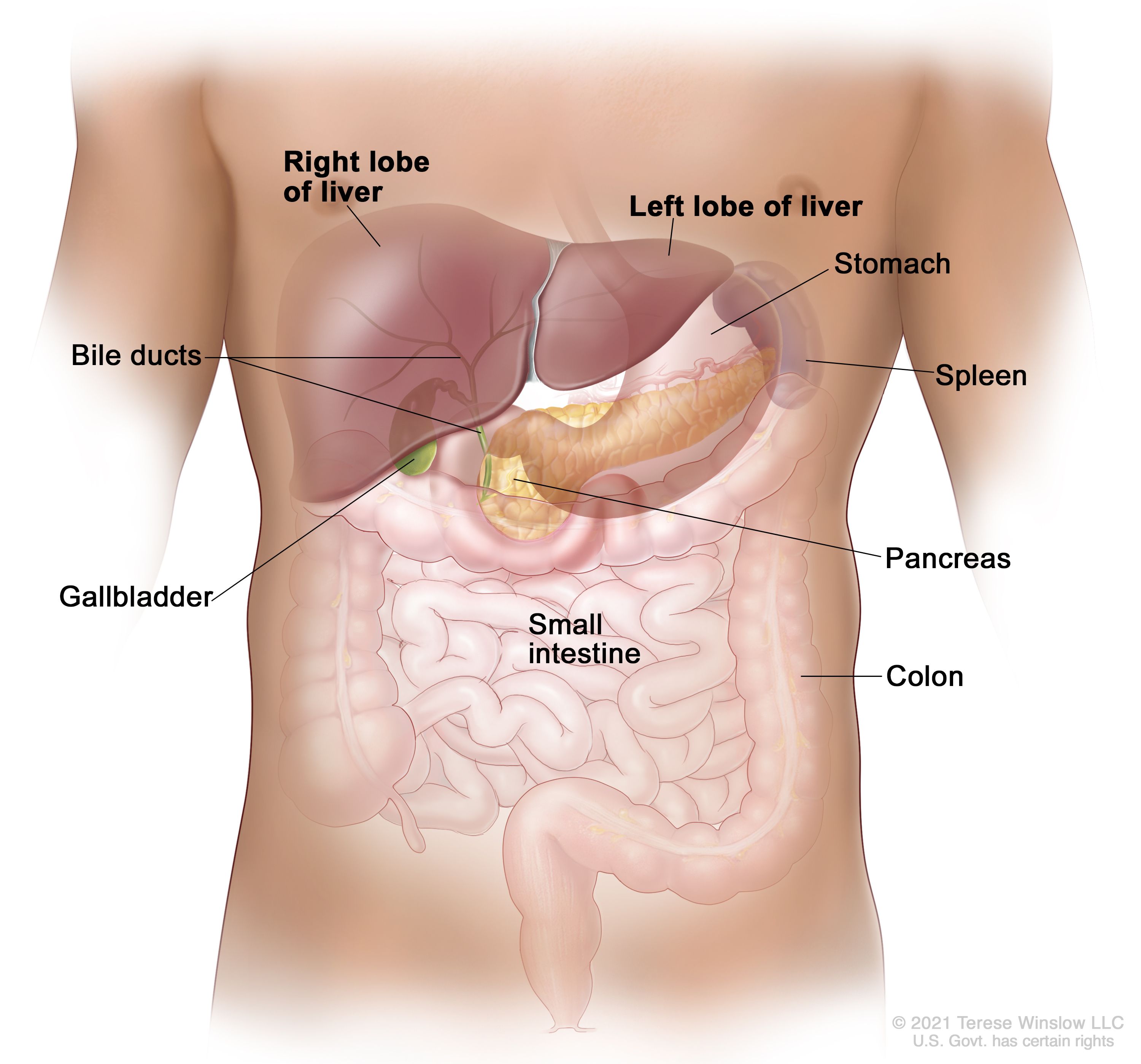
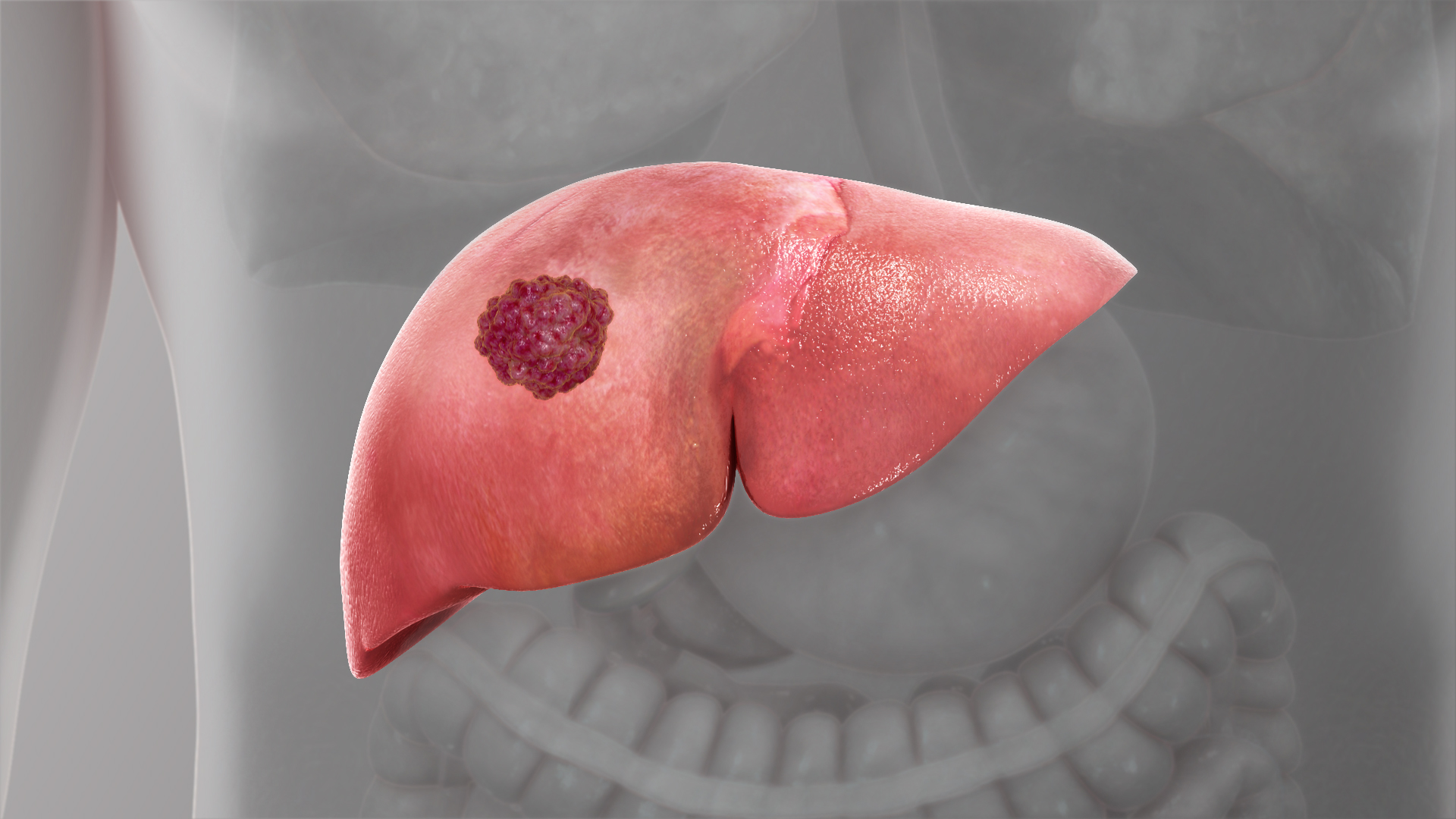
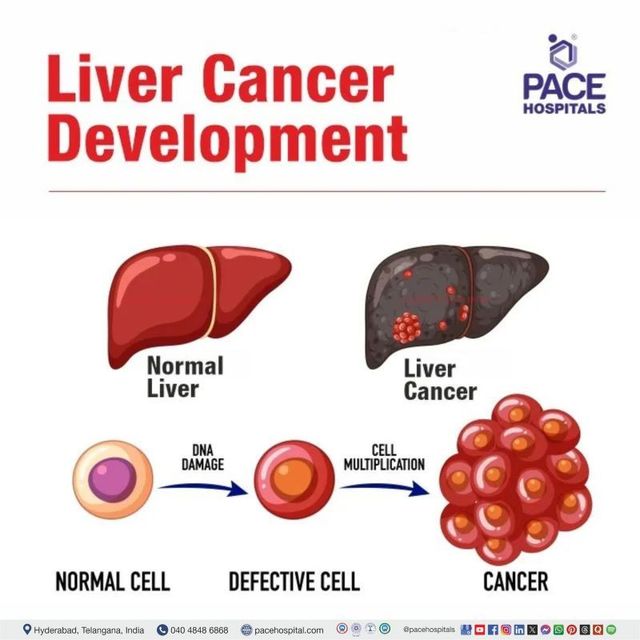
Liver cancer is a disease characterized by the abnormal growth of cells in the liver. The liver is a vital organ, roughly the size of a football, located in the upper right-hand portion of the abdominal cavity, beneath the diaphragm and on top of the stomach, right kidney, and intestines. It performs over 500 essential functions, including detoxification of blood, protein synthesis, and production of biochemicals necessary for digestion.
There are two main types of liver cancer:
- Primary liver cancer: This originates in the liver cells. The most common type of primary liver cancer is hepatocellular carcinoma (HCC), which begins in the main type of liver cells, called hepatocytes. Other, rarer types of primary liver cancer include cholangiocarcinoma (bile duct cancer) and hepatoblastoma (a rare cancer that affects young children).
- Secondary liver cancer (metastatic liver cancer): This is cancer that starts in another organ and spreads to the liver. Cancer in the liver that started elsewhere is more common than cancer that starts in the liver. For instance, breast cancer, lung cancer, or colon cancer can spread to the liver.
Risk Factors and Causes
The development of liver cancer is often linked to chronic liver damage. Key risk factors include:
- Chronic infection with Hepatitis B (HBV) or Hepatitis C (HCV) viruses: These viral infections can cause long-term inflammation of the liver, which can lead to cirrhosis and, subsequently, liver cancer.
- Cirrhosis: This is severe scarring of the liver, often caused by chronic viral hepatitis, heavy alcohol consumption, or fatty liver disease. Cirrhotic livers are significantly more prone to developing cancer.
- Alcoholic liver disease: Long-term, excessive alcohol intake can lead to cirrhosis and increase the risk of liver cancer.
- Non-alcoholic fatty liver disease (NAFLD) and non-alcoholic steatohepatitis (NASH): These conditions, linked to obesity, diabetes, and metabolic syndrome, are increasingly becoming major causes of liver damage and liver cancer, even in individuals who consume little to no alcohol.
- Certain inherited liver diseases: Conditions like hemochromatosis (excess iron in the body) and alpha-1-antitrypsin deficiency can damage the liver.
- Exposure to aflatoxins: These are toxins produced by a mold that can grow on crops like corn, peanuts, and other grains, especially in warm, humid climates. Aflatoxin exposure, particularly in conjunction with Hepatitis B infection, significantly elevates the risk of liver cancer.
- Obesity and diabetes: These conditions are often intertwined and contribute to the growing prevalence of NAFLD/NASH.
Symptoms of Liver Cancer
Early-stage liver cancer often has no symptoms, which is why regular screening for individuals at high risk is crucial. When symptoms do appear, they can be vague and may include:
- Unexplained weight loss
- Loss of appetite
- Upper abdominal pain
- Nausea and vomiting
- General weakness and fatigue
- Abdominal swelling (ascites)
- Jaundice (yellowing of the skin and eyes)
- White, chalky stools
The Tech Nexus: Information, Innovation, and Early Detection
While technology doesn’t directly cause or cure liver cancer, its influence permeates every stage of awareness, diagnosis, treatment, and even prevention. The digital age has fundamentally altered how we access health information, how medical research progresses, and how treatments are delivered.
Access to Information and Health Literacy
The internet is a double-edged sword. On one hand, it provides unprecedented access to information about liver cancer, its symptoms, risk factors, and treatment options. Websites, patient forums, and online medical encyclopedias allow individuals to become more informed about their health. This is where the principles of Digital Security and Productivity become indirectly relevant. Understanding how to discern credible medical information from misinformation is paramount. Being able to efficiently navigate and process this vast amount of data is a Productivity challenge in itself. AI Tools are increasingly being developed to help users filter and verify information, a critical step in combating health-related misinformation.
Advances in Diagnosis and Treatment Through Tech
The core of technological impact lies in its application within the medical field.
- Advanced Imaging Techniques: Technologies like CT scans, MRI scans, and ultrasound have become sophisticated tools for detecting liver tumors, determining their size and location, and assessing their spread. These technologies rely heavily on cutting-edge software and hardware.
- Biomarkers and Molecular Diagnostics: The development of Software and AI Tools is revolutionizing our ability to identify biomarkers – substances in the blood or tissue that indicate the presence of cancer. This allows for earlier and more accurate diagnosis. Genetic sequencing and analysis, powered by advanced computing, are paving the way for personalized medicine.
- Minimally Invasive Treatments: Technologies such as radiofrequency ablation (RFA), microwave ablation, and stereotactic body radiation therapy (SBRT) are less invasive than traditional surgery and are often guided by advanced imaging. These treatments are often administered with the aid of sophisticated Gadgets and precise Software controls.
- Robotic Surgery: In certain cases, robotic surgery can be used for liver resections, offering greater precision and potentially faster recovery times. This is a direct application of advanced Tech.
- Drug Discovery and Development: AI Tools are accelerating the process of identifying potential drug candidates and understanding how they might interact with cancer cells. This is a significant leap in the fight against diseases like liver cancer.
Digital Health Platforms and Telemedicine
The rise of Apps and digital health platforms facilitates patient monitoring, communication with healthcare providers, and adherence to treatment plans. Telemedicine, a direct product of technological advancement, allows patients in remote areas to access specialist consultations, which can be critical for early diagnosis and management of conditions like liver cancer, especially in regions where specialized care is scarce.
The Brand of Health: Personal and Public Perception
The concept of “Brand” in relation to health might seem abstract, but it plays a crucial role in how we perceive diseases, how we communicate about them, and how we build trust in medical information and institutions.
Personal Health Branding and Self-Advocacy
In the digital age, individuals are increasingly empowered to “brand” their health journey. This involves understanding one’s own health risks, actively seeking information (with a critical eye, as discussed under Tech), and advocating for oneself within the healthcare system. A strong “personal brand” of health awareness means being proactive, informed, and engaged in one’s well-being. This includes understanding risk factors related to lifestyle choices, which can be influenced by the brands we interact with daily.
Corporate Identity and Healthcare Providers
For healthcare institutions and pharmaceutical companies, building a strong Corporate Identity and a trustworthy Reputation is paramount. When it comes to diseases like liver cancer, patients need to feel confident in the expertise and ethical practices of their medical providers and the organizations developing treatments. Case Studies that highlight successful treatment outcomes, patient recovery stories, and advancements in research all contribute to building this positive brand perception. Transparency in research and development, ethical marketing of treatments, and clear communication about risks and benefits are all part of a responsible Brand Strategy.
Public Health Campaigns and Awareness
Marketing and Design play a significant role in public health awareness campaigns aimed at preventing liver cancer or encouraging early screening. Effective messaging, visually engaging designs, and strategic outreach can educate populations about the dangers of HBV/HCV, the risks of excessive alcohol consumption, and the importance of maintaining a healthy weight. The way these messages are crafted and disseminated – often through digital channels – directly impacts public perception and behavior.
The Money Factor: Financial Health and Access to Care
The financial implications of liver cancer are profound, affecting individuals, families, and healthcare systems. From personal finances to the economics of drug development, money is inextricably linked to health outcomes.
Personal Finance and Healthcare Costs
Liver cancer treatment can be incredibly expensive, involving complex surgeries, long-term medication, and intensive care. For individuals, this can lead to significant financial strain. Managing Personal Finance becomes critical for individuals at risk or those diagnosed. Understanding health insurance policies, exploring options for financial assistance, and making informed decisions about treatment based on both medical efficacy and financial feasibility are all part of this. Financial Tools can help in budgeting for healthcare expenses and planning for the future.
Investing in Health Research and Innovation
The development of new diagnostic tools and life-saving treatments for liver cancer requires substantial investment. Investing in biotechnology and pharmaceutical companies focused on oncology is a way for individuals and institutions to contribute to medical progress. The Business Finance behind drug development is complex, involving research and development costs, clinical trials, and regulatory approvals. A healthy return on investment can incentivize further innovation, leading to better outcomes for patients in the long run.
Side Hustles and Economic Resilience
For individuals facing health challenges, or those supporting them, the ability to generate Online Income or engage in Side Hustles can provide a crucial financial buffer. This economic resilience can reduce stress and allow individuals to focus more on their health and recovery, rather than overwhelming financial worries. The digital economy, powered by Tech and accessible through various Apps, offers opportunities for individuals to supplement their income, which can be a lifeline in difficult times.
Public Health Funding and Economic Impact
On a broader scale, the economic burden of liver cancer on society is significant. This includes direct healthcare costs, lost productivity due to illness and premature death, and the cost of public health initiatives. Governments and organizations allocate funds (Money) towards research, prevention programs, and ensuring access to affordable care. The economic health of a nation and the efficiency of its healthcare system directly impact the ability to combat diseases like liver cancer.
Conclusion: A Unified Approach to Health in the Digital Age
Liver cancer is a formidable challenge, but our approach to understanding, preventing, and treating it is increasingly multifaceted. The domains of Tech, Brand, and Money, while seemingly disparate, are deeply interconnected with our health. Technology provides the tools for earlier detection and more effective treatments. A strong sense of personal and public health “branding” fosters awareness and trust. And financial considerations dictate access to care and fuel the innovation that drives medical progress. By embracing advancements in all these areas, we can build a more informed, resilient, and ultimately, healthier future for everyone.
aViewFromTheCave is a participant in the Amazon Services LLC Associates Program, an affiliate advertising program designed to provide a means for sites to earn advertising fees by advertising and linking to Amazon.com. Amazon, the Amazon logo, AmazonSupply, and the AmazonSupply logo are trademarks of Amazon.com, Inc. or its affiliates. As an Amazon Associate we earn affiliate commissions from qualifying purchases.