
Inflation. It’s a word that’s been on everyone’s lips, a constant buzz in news headlines, and a growing concern for individuals and businesses alike. But beyond the headlines, what does inflation truly mean today? And more importantly, how does it impact our increasingly digital lives and our financial futures? This article will delve into the multifaceted nature of current inflation, examining its drivers, its effects across various sectors – from the latest tech gadgets to the efficacy of brand strategies – and offering practical insights for navigating this complex economic landscape.

Understanding the Shifting Sands of Price: The Core of Today’s Inflation
At its heart, inflation is the sustained increase in the general price level of goods and services in an economy over a period of time. When the general price level rises, a unit of currency buys fewer goods and services; consequently, inflation reflects a reduction in the purchasing power per unit of money. While this definition is timeless, the drivers of today’s inflation are a complex tapestry woven from global events, technological shifts, and evolving consumer behavior.
1. Supply Chain Disruptions: The Lingering Echoes of Global Turmoil
One of the most significant catalysts for recent inflationary pressures has been the persistent strain on global supply chains. The COVID-19 pandemic exposed the fragilities of a highly interconnected world, leading to factory shutdowns, transportation bottlenecks, and labor shortages. Even as these immediate disruptions ease, the ripple effects continue to be felt.
Heading3: Impact on Tech Gadgets and Software Availability
The tech industry, a cornerstone of our digital lives, is particularly susceptible to these supply chain woes. The production of semiconductors, the tiny brains of virtually all electronic devices, has been a major bottleneck. This scarcity directly impacts the availability and price of everything from smartphones and laptops to gaming consoles and even sophisticated AI hardware. Consumers looking to upgrade their gadgets or invest in new software may find themselves facing longer waiting times and higher price tags. Businesses relying on specialized software or hardware for their operations are also feeling the pinch, as increased costs for components translate into higher prices for the finished products or services.
Heading3: The Cost of Digital Infrastructure
Beyond consumer electronics, the very infrastructure that powers our digital world is also subject to inflationary pressures. The construction of data centers, the deployment of 5G networks, and the manufacturing of networking equipment all require raw materials and specialized components. When these are subject to price hikes due to supply chain issues, the cost of providing digital services – from cloud computing to streaming entertainment – can inevitably rise.
2. Shifting Consumer Demand: The “Revenge Spending” Phenomenon and its Aftermath
Following periods of lockdown and restricted spending, many economies experienced a surge in consumer demand, often referred to as “revenge spending.” This pent-up desire to purchase goods and services, coupled with government stimulus packages in some regions, led to a significant increase in spending power. While this can be a positive sign for businesses, an imbalance between rapidly increasing demand and constrained supply inevitably pushes prices upward.
Heading3: The Brand Dilemma: Balancing Value and Perception
For brands, this dynamic presents a significant challenge. On one hand, there’s an opportunity to capitalize on increased consumer spending. On the other, brands must carefully consider how to price their products and services in an inflationary environment without alienating their customer base or damaging their hard-earned reputation.
- Pricing Strategies in a Volatile Market: Brands are forced to re-evaluate their pricing strategies. Simple cost-plus models may no longer be sufficient. They need to consider perceived value, competitive pricing, and the psychological impact of price increases on consumers. For a personal brand, this might mean adjusting rates for consulting services or the price of digital products. For a corporate identity, it could involve carefully communicating price adjustments for goods or subscription services.
- The Importance of Brand Loyalty and Value Proposition: In times of rising prices, consumers become more discerning. Brands that have cultivated strong loyalty and offer a clear, compelling value proposition are better positioned to weather the storm. This means focusing on quality, customer service, and highlighting the unique benefits that justify their pricing. Case studies of brands that have successfully navigated previous inflationary periods can offer valuable lessons.
3. Monetary Policy and Global Economic Factors: The Macroeconomic Undercurrents
Inflation is not solely driven by microeconomic factors like supply chains and consumer demand. Broader macroeconomic forces, including monetary policy decisions by central banks and global geopolitical events, play a crucial role.
Heading3: The Interplay of Interest Rates and Investment
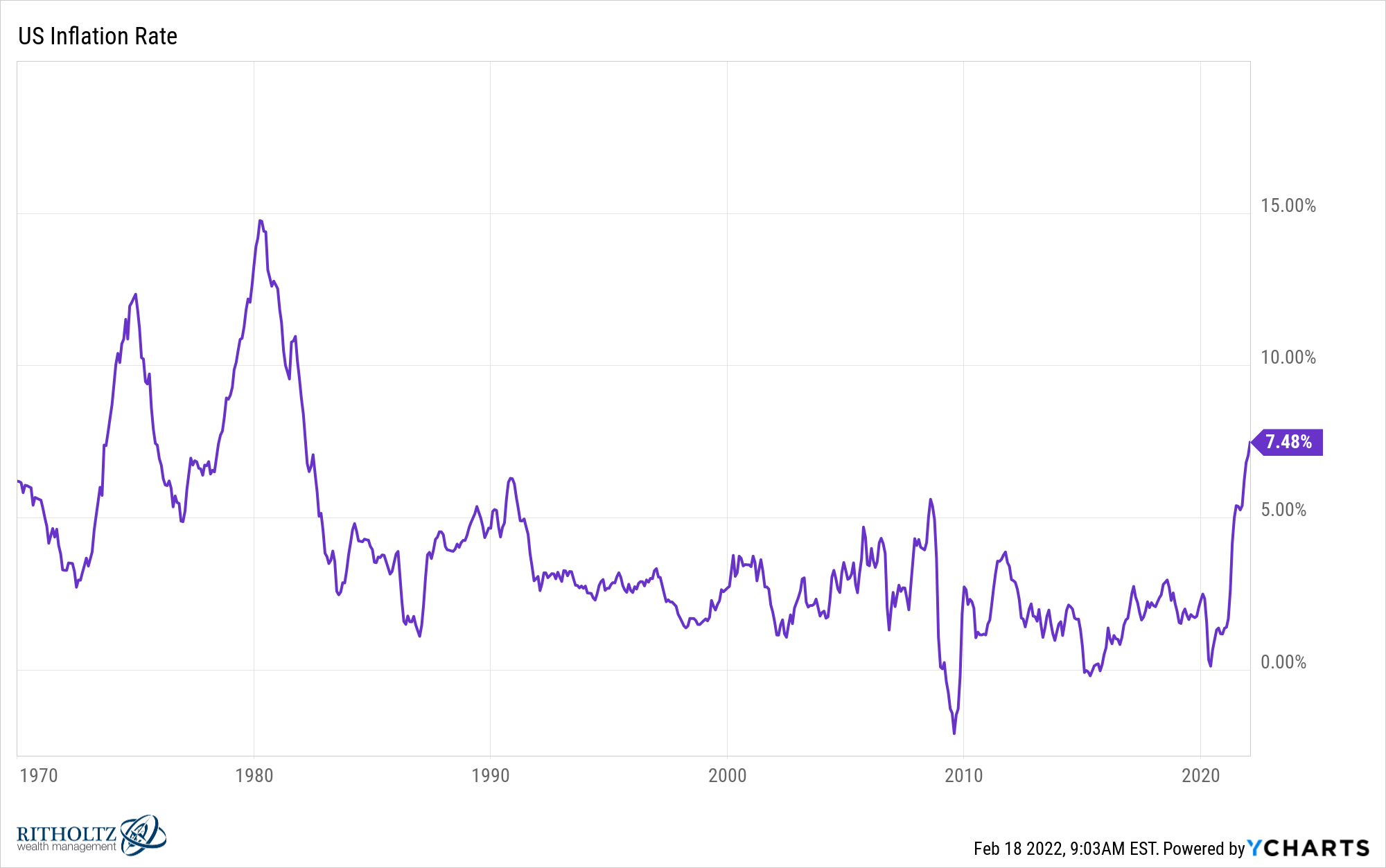
Central banks, in an effort to combat inflation, often raise interest rates. This makes borrowing more expensive, which can cool down demand and, theoretically, bring inflation under control. However, higher interest rates also have a significant impact on personal finance and investment strategies.
- Impact on Personal Finance and Investing: For individuals, rising interest rates can mean higher costs for mortgages and loans. On the upside, savings accounts and fixed-income investments may offer more attractive returns. However, this also makes borrowing for investments, such as real estate or expanding a side hustle, more costly. Navigating this environment requires a careful re-evaluation of financial goals and risk tolerance. Financial tools and expert advice become even more critical in making informed decisions about where to allocate your money.
- Business Finance and Growth Capital: Businesses face similar challenges. Higher interest rates increase the cost of capital, making it more expensive to borrow for expansion, research and development, or even day-to-day operations. This can stifle innovation and slow down economic growth. Startups and small businesses, which often rely heavily on external financing, are particularly vulnerable. Understanding business finance and exploring alternative funding sources becomes paramount.
Heading3: The Evolving Landscape of Online Income
The digital economy, with its myriad of online income opportunities, is not immune to inflation. While some sectors may see increased demand, others could face reduced consumer spending power.
- Side Hustles and Freelancing: For those with side hustles or working as freelancers, inflation can mean increased costs for essential business expenses, such as software subscriptions, marketing tools, and internet services. It also presents an opportunity to re-evaluate their pricing for services. If the cost of living rises, freelancers need to ensure their rates keep pace to maintain their purchasing power. Demonstrating increased value and expertise can help justify these adjustments.
- Digital Products and E-commerce: The creators and sellers of digital products, from online courses to e-books, will also need to adapt. While digital goods often have low marginal costs, the overall economic climate can influence consumer willingness to spend on non-essential items. Brands in this space may need to focus on value-added bundles, loyalty programs, and innovative marketing to maintain sales.
Navigating the Digital Economy in an Inflationary Era
The current inflationary environment demands a proactive and informed approach. By understanding the underlying causes and their specific impacts on the sectors most relevant to our digital lives, we can better equip ourselves to make sound financial and strategic decisions.
1. Leveraging Technology for Financial Resilience
Technology, often a driver of economic change, can also be a powerful tool for navigating inflationary pressures.
Heading3: Productivity Apps and Cost-Saving Strategies
In a world where every dollar counts, maximizing productivity is key to financial well-being.
- Smart Spending and Budgeting Tools: A plethora of apps are available to help individuals and businesses track expenses, create budgets, and identify areas where costs can be cut. From sophisticated personal finance management software to simple budgeting spreadsheets, leveraging these tools can provide crucial insights into spending patterns and highlight opportunities for savings.
- Optimizing Software Subscriptions: Many digital services operate on a subscription model. In an inflationary period, it’s wise to review all subscriptions, identify those that are underutilized, and consider downgrading or canceling to free up funds. There may also be more cost-effective alternatives available.
- AI for Efficiency: AI tools are increasingly being used to automate tasks, optimize workflows, and reduce operational costs for businesses. For individuals, AI assistants can help manage schedules, research information more efficiently, and even offer personalized financial advice, all contributing to a more resilient financial posture.
2. Strengthening Your Brand in Uncertain Times
For individuals and businesses alike, a strong brand is more important than ever in an inflationary landscape.
Heading3: Building Trust and Demonstrating Value
- Transparent Communication: Brands that are transparent about price changes and the reasons behind them tend to foster greater trust with their customers. This is particularly true when those price changes are accompanied by efforts to maintain or enhance product quality or service.
- Focus on Core Strengths: In challenging economic times, consumers and clients are more likely to gravitate towards brands they know and trust. Focusing on core competencies, delivering exceptional value, and reinforcing the brand’s unique selling proposition can help solidify its position in the market.
- Digital Security as a Brand Differentiator: With increased reliance on digital platforms, cybersecurity is paramount. Brands that demonstrate a strong commitment to digital security can build trust and attract customers who are concerned about data protection. Reviews and case studies highlighting robust security measures can be a powerful marketing tool.
Conclusion: Adapting to the New Economic Reality
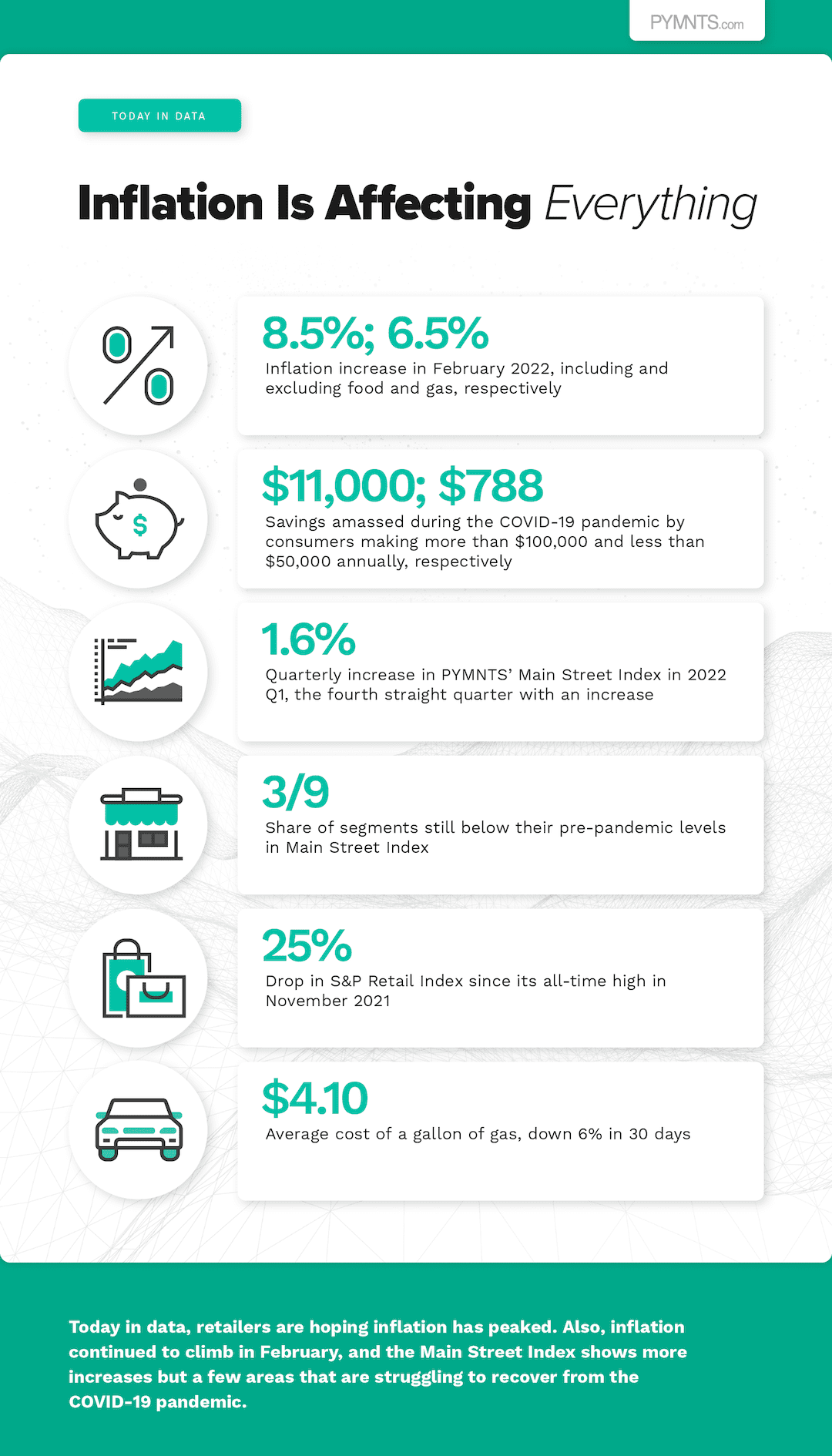
Inflation today is a complex phenomenon driven by a confluence of factors, from global supply chain disruptions to evolving consumer behavior and macroeconomic policy. Its impact is felt across all facets of our lives, influencing the cost of the latest tech gadgets, the effectiveness of brand strategies, and the fundamental principles of personal and business finance.
However, by understanding these dynamics and leveraging the very technologies that define our modern world, we can navigate this challenging economic landscape. By embracing smart financial tools, reinforcing our brands with transparency and value, and remaining adaptable, we can not only weather the storm of rising prices but also emerge stronger and more resilient in the digital age. The conversation around “what is inflation today” is not just an academic exercise; it’s a call to action for informed decision-making and strategic adaptation in an ever-changing world.
aViewFromTheCave is a participant in the Amazon Services LLC Associates Program, an affiliate advertising program designed to provide a means for sites to earn advertising fees by advertising and linking to Amazon.com. Amazon, the Amazon logo, AmazonSupply, and the AmazonSupply logo are trademarks of Amazon.com, Inc. or its affiliates. As an Amazon Associate we earn affiliate commissions from qualifying purchases.