
Indonesia, an archipelago nation of staggering beauty and immense diversity, is currently undergoing a transformative period, not just politically and geographically, but also economically and technologically. While the question of “What is Indonesia’s capital city?” might seem straightforward, the answer has become increasingly complex and strategically significant. Jakarta, for decades the bustling heart of the nation, is facing unprecedented challenges, leading to a monumental shift: the relocation of the capital to Nusantara on the island of Borneo. This move isn’t merely a change of address; it’s a bold statement of Indonesia’s future, a vision deeply intertwined with technological advancement, strategic branding, and sound financial planning.
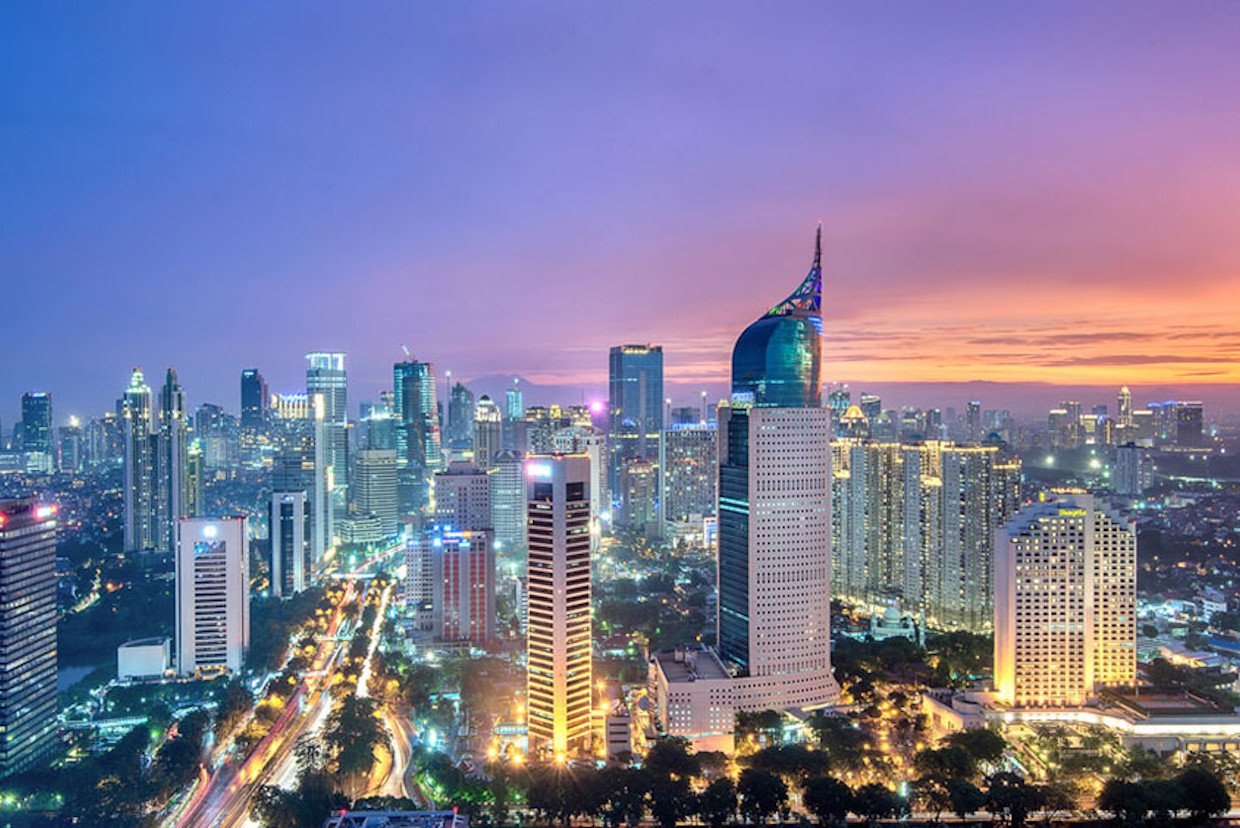
This article delves into the intricacies of Indonesia’s capital city transition, exploring the driving forces behind this ambitious undertaking and how it aligns with the core tenets of technology, branding, and finance that are shaping the nation’s trajectory. We will unpack the challenges and opportunities presented by both Jakarta and the nascent Nusantara, examining how Indonesia is leveraging innovation and strategic foresight to build a new capital that reflects its global aspirations.
Jakarta: The Evolving Metropolis and its Capital City Legacy
For over 500 years, Jakarta, formerly Batavia, has served as the administrative, economic, and cultural epicenter of Indonesia. Its history is rich, marked by colonial influences, a vibrant struggle for independence, and rapid urbanization in the latter half of the 20th century. This period of intense growth, however, has brought about significant challenges that are now forcing Indonesia to reconsider its long-term development strategy.
The Pressures on Jakarta: Urbanization, Environment, and Infrastructure
Jakarta’s status as the capital has come at a significant cost. Its metropolitan area, known as Jabodetabek, is home to over 30 million people, making it one of the largest urban agglomerations in the world. This sheer density has placed immense strain on the city’s infrastructure, leading to notorious traffic congestion that cripples productivity and impacts the quality of life for its residents.
Beyond the immediate logistical nightmares, Jakarta is also facing a severe environmental crisis. Built on low-lying land, the city is sinking at an alarming rate due to excessive groundwater extraction and the weight of its ever-expanding urban sprawl. Coupled with rising sea levels attributed to climate change, parts of Jakarta are becoming increasingly vulnerable to flooding. This environmental precariousness poses a direct threat to the city’s long-term viability as a national capital.
Furthermore, the concentration of government functions, corporate headquarters, and economic activity in Jakarta has created an imbalance in national development. While the island of Java, where Jakarta is located, thrives, other regions of Indonesia have often lagged behind, perpetuating economic disparities.
The Economic Engine and its Digital Transformation
Despite its considerable challenges, Jakarta remains a powerhouse of economic activity and a hub for technological innovation in Indonesia. It is the undisputed financial center, hosting the majority of the country’s banks, stock exchange, and major corporations. This concentration of capital has fostered a dynamic startup ecosystem, with a growing number of tech companies emerging from the city.
The digital transformation of Jakarta is undeniable. E-commerce platforms are booming, ride-hailing services are ubiquitous, and digital payment systems are becoming the norm. Tech trends like Artificial Intelligence (AI) are being explored and implemented across various sectors, from improving traffic management to enhancing customer service. The city’s embrace of digital tools is a testament to Indonesia’s burgeoning digital economy, and Jakarta has been at the forefront of this evolution.
However, the very success that made Jakarta the capital also creates the impetus for change. The city’s infrastructure, while advanced in some digital aspects, is struggling to keep pace with its population and the demands of a modern global capital. This leads us to the ambitious undertaking of establishing a new home for the nation.
Nusantara: A New Capital for a New Era
The decision to relocate Indonesia’s capital from Jakarta to a purpose-built city on the island of Borneo, named Nusantara, signifies a profound commitment to future-proofing the nation and fostering more equitable development. The name itself, meaning “archipelago” in Old Javanese, evokes a sense of national unity and foresight.
The Vision Behind Nusantara: Decentralization and Sustainable Growth
The relocation is driven by several key objectives:
- Decentralization of Power and Wealth: Moving the capital will alleviate the pressure on Jakarta and stimulate economic growth in other regions, particularly on Borneo. This aims to create a more balanced development across the archipelago.
- Mitigation of Jakarta’s Environmental Threats: By establishing a new capital, Indonesia seeks to escape the existential threat of Jakarta sinking and to build a more resilient and environmentally conscious urban center.
- A Modern, Smart, and Sustainable City: Nusantara is envisioned as a “smart city” from its inception, incorporating cutting-edge technology, green infrastructure, and sustainable urban planning principles. This includes features like efficient public transportation, renewable energy sources, and extensive green spaces.
- Symbol of National Identity and Progress: The new capital is intended to be a symbol of Indonesia’s aspirations, its modernity, and its commitment to a brighter future, fostering a stronger sense of national identity and pride.
Technological Foundations: Building a Smart City from the Ground Up
The development of Nusantara is a prime opportunity to integrate the latest technological advancements from the ground up. This isn’t just about installing smart streetlights; it’s about embedding technology into the very fabric of the city’s design and operation.
Leveraging AI and Data for Urban Efficiency
Artificial Intelligence (AI) and data analytics will be crucial in managing Nusantara. From optimizing traffic flow to monitoring environmental conditions and managing resource allocation (water, electricity), AI-powered systems will ensure the city functions efficiently and sustainably. Imagine a city where real-time data informs every decision, from public transport scheduling to waste management.
Digital Infrastructure and Connectivity
High-speed, reliable internet connectivity will be a non-negotiable foundation for Nusantara. This will support a seamless digital experience for residents and businesses, enabling remote work, advanced telecommunications, and the deployment of a vast array of smart city applications. Discussions around digital security will be paramount, ensuring the integrity and privacy of the city’s digital infrastructure.
Innovations in Construction and Urban Planning
The construction of Nusantara itself will likely involve innovative technologies. Advanced building materials, modular construction techniques, and digital twins (virtual replicas of the physical city) can streamline the development process, improve efficiency, and ensure greater precision in urban planning.
Branding Nusantara: Crafting a New National Identity

The establishment of a new capital city is inherently a monumental branding exercise. Nusantara needs to be more than just a location; it needs to represent a distinct identity for Indonesia on the global stage.
From Jakarta’s Crowds to Nusantara’s Vision
The brand narrative of Nusantara will be about shedding the constraints of an overcrowded, environmentally stressed city and embracing a future of controlled growth, innovation, and sustainability. It’s a pivot from a legacy of challenges to a vision of opportunity.
Personal and Corporate Branding in a New Hub
As government agencies, businesses, and individuals relocate to Nusantara, they will be actively engaged in establishing their own presence and brand identity within this new environment. This presents a unique opportunity for both personal branding – individuals shaping their professional narratives in a new setting – and corporate branding, where companies will need to align their identities with the forward-looking ethos of the new capital. The emphasis will be on innovation, efficiency, and a commitment to national progress.
Designing a Distinctive Corporate Identity
Corporate identity will play a crucial role in how businesses integrate into Nusantara. This includes not just logos and visual elements, but also the underlying values and operational principles that align with the city’s vision of sustainability and technological advancement. Case studies from other new capital developments or planned cities will likely inform how corporate identities are shaped and presented in this nascent environment.
Financial Foundations: Funding and Investing in the Future
The ambitious undertaking of building Nusantara requires significant financial investment and meticulous financial planning. The economic implications of this move are vast, impacting both national and international perspectives.
Funding the Capital City Project
The Indonesian government is employing a multi-pronged approach to fund Nusantara, including state budgets, public-private partnerships (PPPs), and investment from domestic and international entities. Understanding the financial instruments and investment opportunities will be crucial for businesses and individuals considering participation in the development.
Economic Opportunities and Investment in Nusantara
Nusantara is being designed as an economic hub, attracting investment in sectors aligned with its smart city and sustainability goals. This presents opportunities for online income generation, side hustles related to the construction and development phase, and for businesses looking to establish a presence in a strategically important new location. Personal finance and business finance strategies will need to adapt to these emerging opportunities.
Financial Tools and Technologies
The development of Nusantara will undoubtedly drive the adoption of advanced financial tools and technologies. Digital banking, fintech solutions, and transparent financial reporting will be essential to manage the vast sums involved and to attract global investment. The focus on innovation in the capital city will likely extend to its financial ecosystem.
Navigating the Transition: Challenges and Opportunities
The transition from Jakarta to Nusantara is not without its complexities. The success of this ambitious endeavor hinges on effective management of the challenges and the astute exploitation of the opportunities.
The Human Element: Relocation and Adaptation
Moving millions of people and a nation’s administrative functions is a monumental logistical and social undertaking. Ensuring a smooth transition for government employees, businesses, and residents will require careful planning and support systems. This includes not only physical relocation but also psychological and social adaptation to a new environment.
Maintaining Economic Momentum During Transition
A key challenge will be to ensure that the economic dynamism of Jakarta is not significantly disrupted during the relocation process. While Nusantara will become the new administrative and future economic heart, maintaining stability and growth in Jakarta will be vital. The article’s focus on “Money” highlights the importance of financial continuity.
The Role of Technology in Bridging the Gap
Technology will play a pivotal role in bridging the physical and functional gap during the transition. Advanced communication tools, remote collaboration platforms, and robust digital infrastructure will be essential to ensure that government and business operations can continue seamlessly. This aligns perfectly with the “Tech” focus of the website.
Branding Indonesia’s New Chapter
The successful branding of Nusantara will be critical in attracting both domestic and international attention and investment. A clear, compelling narrative that highlights the city’s vision, its technological prowess, and its commitment to sustainability will be key. This falls squarely under the “Brand” umbrella.
Conclusion: A Bold Step Towards Indonesia’s Future
The question of “what is Indonesia’s capital city?” is no longer just a matter of geography; it is a reflection of a nation charting a bold course towards a future defined by technological innovation, strategic branding, and sustainable economic growth. Nusantara represents more than just a new administrative center; it’s a manifestation of Indonesia’s ambition to be a leader in the 21st century.
By embracing cutting-edge technology, crafting a powerful and forward-looking brand identity, and ensuring robust financial planning, Indonesia is positioning itself for a future where its capital city is a beacon of progress, resilience, and opportunity for all its citizens. The journey from Jakarta’s vibrant but strained present to Nusantara’s meticulously planned future is a testament to Indonesia’s capacity for visionary thinking and its unwavering commitment to a brighter tomorrow.
aViewFromTheCave is a participant in the Amazon Services LLC Associates Program, an affiliate advertising program designed to provide a means for sites to earn advertising fees by advertising and linking to Amazon.com. Amazon, the Amazon logo, AmazonSupply, and the AmazonSupply logo are trademarks of Amazon.com, Inc. or its affiliates. As an Amazon Associate we earn affiliate commissions from qualifying purchases.