
The term “incel” has emerged from the depths of the internet to become a recognizable, albeit often controversial, label. While its origins lie in niche online communities, the phenomenon it describes has seeped into broader public discourse, sparking concern, debate, and attempts at understanding. This article aims to demystify “incel,” exploring its definition, the socio-economic and psychological factors that contribute to its formation, and how it intersects with the digital landscape that fosters its growth. We will delve into how technology, brand perception, and even financial anxieties can, in complex ways, become intertwined with the experiences and ideologies associated with this term, drawing parallels to the broader themes of connection, identity, and fulfillment explored on this website.
The Anatomy of “Incel”: Defining the Term and its Community
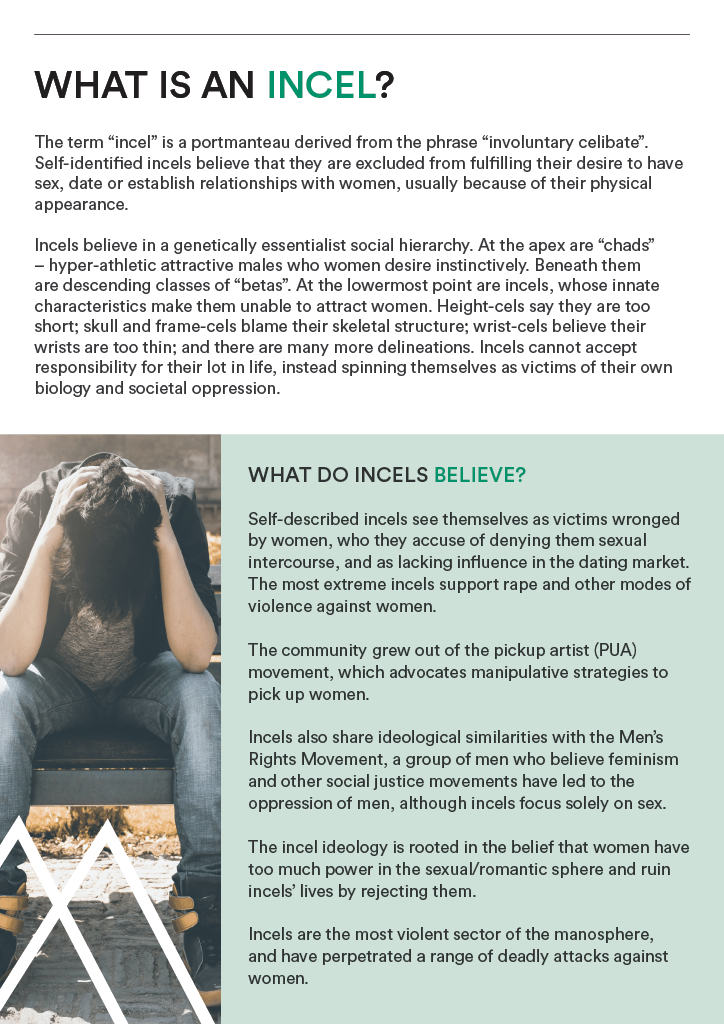
At its core, “incel” is an abbreviation for “involuntarily celibate.” This seemingly straightforward definition, however, belies a far more intricate and often toxic worldview. Incel communities, primarily found on online forums and platforms, are spaces where individuals, overwhelmingly male, articulate a sense of profound frustration and alienation stemming from their perceived inability to form romantic or sexual relationships.
This frustration often morphs into a complex ideology characterized by:
A Sense of Entitlement and Grievance
A central tenet of incel ideology is the belief that certain societal structures or groups are actively preventing them from achieving romantic success. This often manifests as resentment towards women, whom they may view as superficial, demanding, or unfairly influenced by societal standards of attractiveness and status. There’s a prevalent narrative of being “undesirable” or “disposable” due to perceived physical shortcomings, social awkwardness, or a lack of wealth and status. This grievance can be amplified by a perceived disconnect between effort and reward, where they feel they are putting in the work but not seeing the desired romantic outcomes.
The “Black Pill” Ideology
Within incel communities, the concept of the “black pill” is a dominant and defining feature. This refers to a cynical and deterministic worldview that posits that factors like genetics, physical appearance, and inherent social status are the sole determinants of romantic success. Unlike the “red pill” (often associated with self-improvement and understanding female nature in some online communities), the “black pill” rejects the possibility of personal change or overcoming these perceived insurmountable obstacles. It fosters a sense of fatalism, where individuals believe their fate is sealed and that any attempt at self-improvement is futile. This fatalistic outlook can lead to deep-seated despair and a resignation to their perceived perpetual state of involuntary celibacy.
Online Echo Chambers and Radicalization
The internet plays a crucial role in the formation and perpetuation of incel communities. Online forums, image boards, and social media platforms provide a space for individuals who share these feelings of alienation and resentment to connect, validate each other’s experiences, and reinforce their shared worldview. These digital echo chambers can insulate individuals from dissenting opinions and expose them to increasingly extreme ideologies. The anonymity offered by the internet can further embolden the expression of hateful and misogynistic sentiments. This constant reinforcement can lead to a radicalization process, where fringe beliefs become normalized within the group.
The Interplay of Technology, Branding, and Financial Anxieties
While the core of the incel phenomenon is rooted in personal experience and psychological distress, several broader societal trends, which resonate with the themes of this website – Tech, Brand, and Money – can be seen as contributing factors or at least, as elements that are discussed and dissected within incel discourse.

Technology: The Double-Edged Sword of Connection
Technology, a cornerstone of modern life and a primary focus of this website’s “Tech” section, is undeniably central to the incel phenomenon.
- Online Communities as Incubators: As mentioned, the internet provides the primary breeding ground for incel communities. Platforms that facilitate anonymous discussion and group formation allow individuals to find solace and validation in shared grievances. This can be seen as a perversion of the connective potential of technology, where instead of fostering healthy social interaction, it creates insulated spaces for discontent.
- The Illusion of Connection: Social media, with its curated displays of happiness and success, can exacerbate feelings of inadequacy and loneliness for those who feel excluded. The constant barrage of seemingly perfect relationships and social lives can fuel the incel narrative of being overlooked and unvalued.
- AI and Automation: A Glimpse into Future Fears? In the realm of AI tools and automation, there are underlying anxieties about job displacement and the future of human interaction. While not a direct cause, the rapid advancement of technology can contribute to a general sense of societal upheaval and uncertainty, which might be internalized by individuals already struggling with feelings of marginalization. Some incel discourse might project anxieties about technological advancement onto their romantic struggles, fearing that AI might even outperform them in perceived desirable traits.
- Digital Security and Online Identity: The importance of digital security and managing one’s online identity, as explored in the “Tech” section, becomes amplified in the context of incel communities. Individuals within these spaces often grapple with the desire for anonymity while simultaneously seeking validation, creating a complex and often contradictory online presence.
Brand: The Pressure of Perception and Identity
The “Brand” pillar of this website, encompassing Brand Strategy, Personal Branding, and Reputation, offers a lens through which to understand some of the pressures that can contribute to the incel mindset.
- The “Brand” of Success and Attractiveness: Societal narratives often create a perceived “brand” of what constitutes a desirable romantic partner. This brand is heavily influenced by media, marketing, and popular culture, which often emphasize physical attractiveness, financial success, and social charisma. For individuals who do not feel they embody these traits, the gap between the societal “brand” of success and their perceived reality can be a significant source of distress.
- Personal Branding Gone Awry: In a world increasingly focused on self-marketing and personal branding, those who feel unable to “brand” themselves effectively can experience profound feelings of failure. The pressure to present a polished and desirable image, both online and offline, can be overwhelming for individuals who feel fundamentally flawed or incapable of achieving this.
- Corporate Identity vs. Individual Identity: While the “Brand” section often discusses corporate identity, the underlying principles of perception and value can be misapplied to individual lives within incel communities. The focus on external validation and the pursuit of a desirable “image” can overshadow the development of a robust and authentic personal identity.
- Reputation and Social Capital: A negative or absent social reputation can be a significant barrier to romantic success. Incel communities often lament their perceived lack of social capital, contributing to their feelings of being ostracized and unwanted.
Money: The Tangible and Intangible Pressures of Financial Well-being
The “Money” section, covering Personal Finance, Investing, and Online Income, highlights how financial anxieties can intersect with the experiences of individuals identifying as incels.
- Financial Status as a Romantic Prerequisite: In many societies, financial stability and success are often perceived as attractive qualities in a partner. For individuals struggling financially or lacking a clear path to economic security, this can create a significant hurdle in their romantic aspirations. The “black pill” ideology often incorporates financial limitations as an unchangeable factor contributing to their lack of romantic success.
- The Hustle Culture and Its Discontents: The pervasive emphasis on “side hustles” and online income, while offering opportunities for financial growth, can also create pressure and a sense of inadequacy for those who are unable to capitalize on these trends. This can contribute to a feeling of being left behind in a rapidly changing economic landscape.
- The Cost of Social Interaction: Maintaining a social life, dating, and investing in personal appearance can all have financial implications. For individuals with limited disposable income, these practical aspects of building relationships can become further deterrents.
- Financial Tools and the Quest for Security: The pursuit of financial tools and strategies for income generation, while beneficial for overall well-being, can also highlight the stark contrast between those who possess financial security and those who do not. This disparity can, in turn, be perceived as a factor influencing romantic desirability.
Beyond the Label: Understanding the Underlying Issues
It is crucial to approach the phenomenon of incels not just by defining the term, but by attempting to understand the underlying issues that contribute to such extreme forms of social alienation and resentment. While the ideology itself is often harmful and misogynistic, the individual experiences of loneliness, inadequacy, and societal exclusion are real and deserve consideration.
- Mental Health and Isolation: Underlying issues of depression, anxiety, social anxiety, and low self-esteem are often prevalent among individuals who identify as incels. The isolation fostered by their online communities can exacerbate these issues rather than alleviate them.
- Societal Pressures and Evolving Social Norms: The complexities of modern dating, changing gender roles, and the increasing emphasis on superficial markers of success can create a challenging environment for many, particularly for those who struggle with social interaction.
- The Need for Empathetic Engagement (with caution): While not excusing hateful ideologies, a greater societal understanding of the factors that lead to radicalization and despair is necessary. This does not mean condoning incel beliefs but rather seeking to address the root causes of alienation and to offer pathways for healthier engagement with society.
In conclusion, the term “incel” signifies a complex social and psychological phenomenon deeply intertwined with the digital age. While the term itself is rooted in the experience of involuntary celibacy, the ideologies and sentiments associated with it are shaped by a confluence of technological advancements, societal pressures related to branding and perception, and anxieties surrounding financial well-being. Understanding “incel” requires looking beyond the label to explore the broader issues of isolation, mental health, and the evolving landscape of human connection in the 21st century.
aViewFromTheCave is a participant in the Amazon Services LLC Associates Program, an affiliate advertising program designed to provide a means for sites to earn advertising fees by advertising and linking to Amazon.com. Amazon, the Amazon logo, AmazonSupply, and the AmazonSupply logo are trademarks of Amazon.com, Inc. or its affiliates. As an Amazon Associate we earn affiliate commissions from qualifying purchases.