
The humble Reuben sandwich, a perennial favorite in delis and diners across the globe, evokes a sense of comfort and culinary satisfaction. But beneath its unassuming exterior lies a symphony of flavors and textures, meticulously balanced to create a sandwich that is far more than the sum of its parts. While its ingredients might seem straightforward, understanding the nuances and historical context behind each component elevates the appreciation of this iconic creation. This article will dissect the anatomy of a classic Reuben, exploring not only its core ingredients but also how technology, branding, and even financial considerations can subtly influence its perception and enjoyment.

The Cornerstone Ingredients: A Foundation of Flavor
At its heart, a Reuben sandwich is defined by a specific quartet of ingredients, each playing a crucial role in its distinctive taste profile.
The Savory Star: Corned Beef
The undisputed king of the Reuben is corned beef. This isn’t just any beef; it’s beef brisket that has been cured in a brine solution, typically containing salt, water, and a blend of spices. The “corned” in corned beef refers to the coarse grains of salt used in the curing process, a historical culinary term. The curing process not only preserves the meat but also imbues it with a rich, savory, and slightly salty flavor.
The quality of the corned beef is paramount. Ideally, it should be thinly sliced, allowing the tender strands to meld together with the other ingredients. Overcooked or dry corned beef can be a detriment to the entire sandwich, leading to a less enjoyable experience. The marbling within the brisket also contributes to its succulence and flavor. Many artisanal delis pride themselves on their house-made corned beef, often using proprietary spice blends passed down through generations. This attention to detail in sourcing and preparing the corned beef sets the stage for an exceptional Reuben.
The Tangy Counterpoint: Sauerkraut
Complementing the richness of the corned beef is sauerkraut. This fermented cabbage is a powerhouse of probiotics and a vital source of tanginess that cuts through the fattiness of the meat. The fermentation process, where lactic acid bacteria convert sugars in cabbage into lactic acid, gives sauerkraut its characteristic sour and slightly pungent flavor.
The texture of the sauerkraut is also important. It should be moist and slightly yielding, not dry or mushy. A well-prepared sauerkraut offers a refreshing crispness that provides a delightful textural contrast to the tender corned beef. The acidity of the sauerkraut is crucial for balancing the overall flavor profile of the Reuben, preventing it from becoming too heavy or one-dimensional. Some chefs prefer to lightly rinse their sauerkraut to temper its intense sourness, while others embrace its full fermented punch. This subtle variation can significantly impact the final taste.
The Creamy Binder: Swiss Cheese
Melting beautifully between the layers of corned beef and sauerkraut, Swiss cheese adds a nutty, slightly sweet, and creamy dimension to the Reuben. Its distinctive holes, or “eyes,” are a hallmark of its production. The mild yet distinct flavor of Swiss cheese harmonizes with the other components, binding them together and adding a luxurious mouthfeel.
The way the Swiss cheese melts is key. It should be gooey and stringy, creating a delightful visual and textural element. The warmth of the grilled bread and the melted cheese create a comforting embrace for the savory fillings. The choice of Swiss cheese can also vary; some prefer a milder Emmental, while others opt for a slightly sharper Gruyère for a more robust flavor. The richness of the cheese, combined with the savory and tangy fillings, creates a complex and satisfying bite.
The Zesty Emissary: Russian Dressing or Thousand Island Dressing
The final, indispensable component of a classic Reuben is its dressing. Traditionally, Russian dressing is used, though Thousand Island dressing has become a popular and often interchangeable substitute. This creamy dressing, typically made with mayonnaise, ketchup or tomato paste, relish, onions, and spices, provides a touch of sweetness, tang, and a hint of spice that ties all the other ingredients together.
The dressing acts as a flavor enhancer and a lubricant, ensuring that each bite is moist and flavorful. Its creamy texture complements the other elements, and its subtle complexity adds another layer of depth to the sandwich. The precise recipe for the dressing can vary widely, with some delis offering their secret house dressing. The balance of sweet, sour, and savory notes in the dressing is crucial for achieving the perfect Reuben.
The Architectural Ensemble: Bread and Grilling
While the fillings are the heart of the Reuben, the bread and the grilling process are its soul, providing the structure and the final textural transformation.
The Sturdy Foundation: Rye Bread
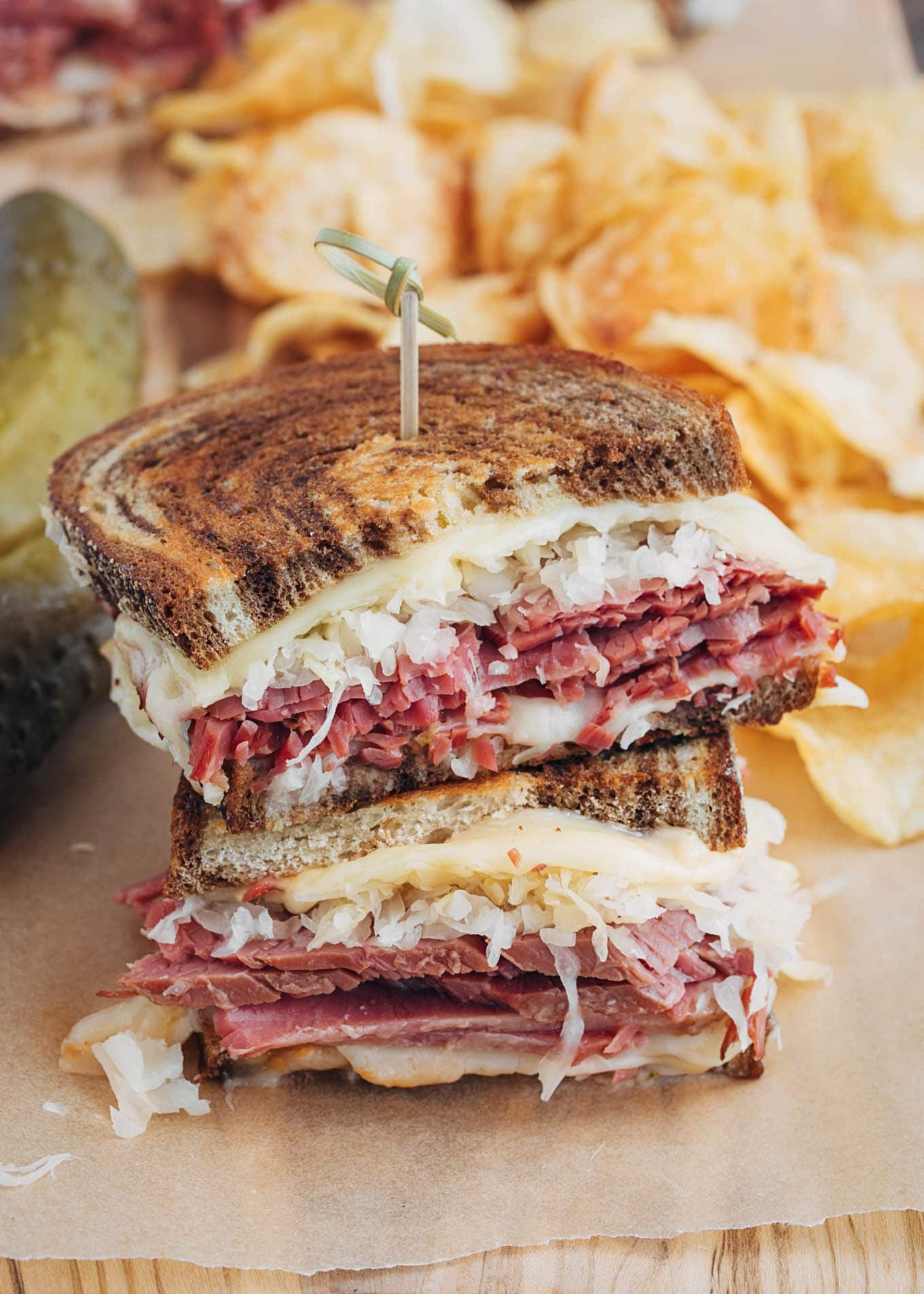
The traditional vessel for a Reuben sandwich is rye bread, specifically marbled rye. The slightly earthy, tangy, and robust flavor of rye bread is a perfect foil for the richness of the corned beef and the tang of the sauerkraut. The marbling, created by layering light and dark rye doughs, offers a visually appealing characteristic and a subtle variation in flavor and texture.
The bread is typically sliced medium-thick, providing enough structure to hold the substantial fillings without being overwhelming. The sturdy nature of rye bread ensures that it can withstand the moisture from the fillings and the heat of the grill without becoming soggy. The aroma of toasted rye bread is an integral part of the Reuben experience, a warm and inviting precursor to the first bite.
The Transformation: Grilling to Perfection
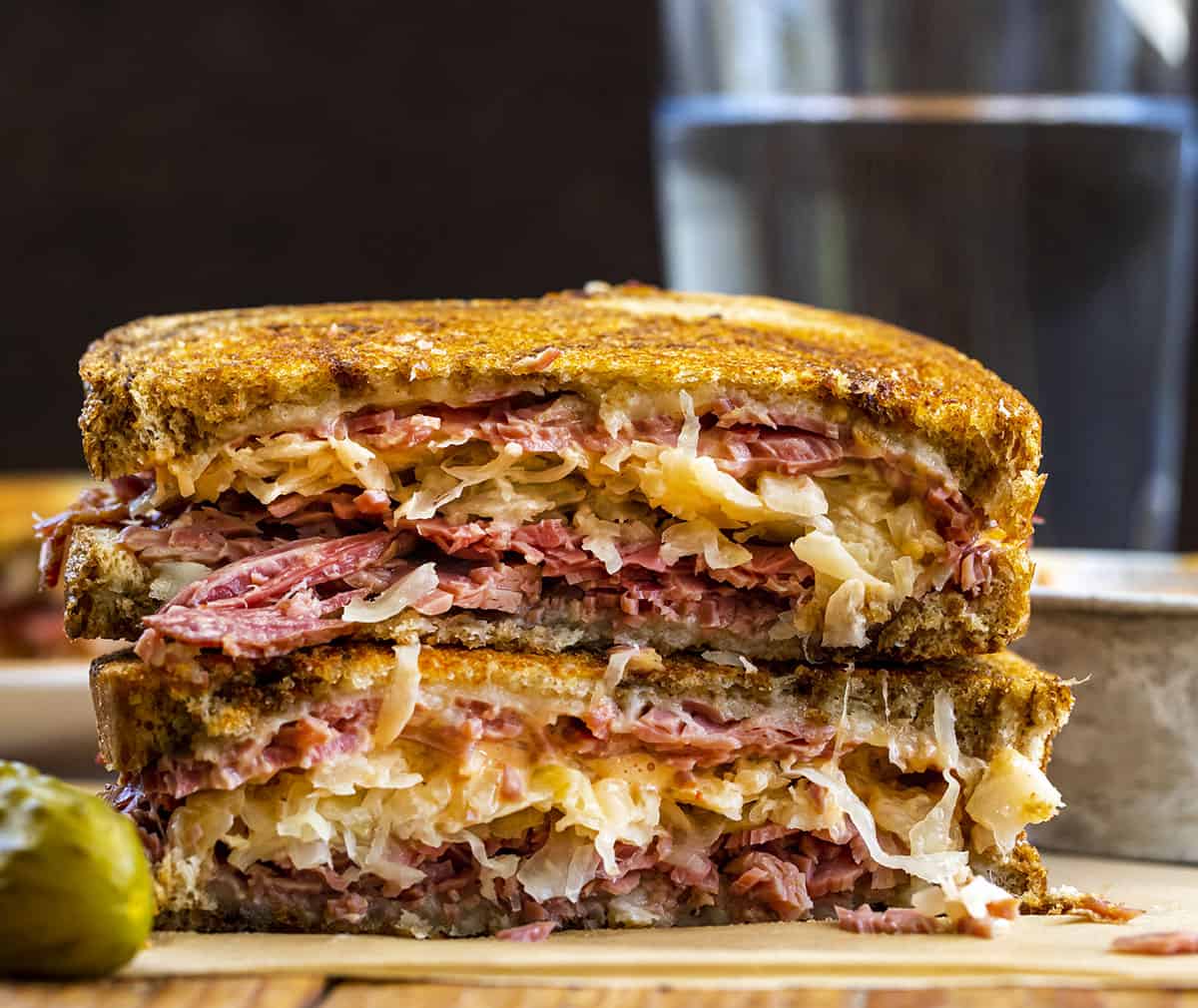
The final stage in the creation of a Reuben is the grilling process. The sandwich is typically griddled in butter or oil, creating a golden-brown, crispy exterior. This grilling is not merely about heating the sandwich; it’s about transforming it. The heat melts the Swiss cheese into a glorious, gooey cascade, further melds the flavors of the corned beef and sauerkraut, and toasts the rye bread to a delightful crispness.
The grilling process imparts a crucial textural contrast: the crisp exterior of the bread against the tender, savory interior. This interplay of textures is a hallmark of a well-made Reuben. The gentle sizzle of the butter and the aroma of the toasting bread are sensory cues that signal the imminent arrival of a culinary masterpiece.
Beyond the Plate: Tech, Branding, and the “Reuben Experience”
While the ingredients and preparation methods are fundamental, the “Reuben experience” can be subtly influenced by broader societal and commercial forces.
The Digital Palate: Tech’s Influence on Food Discovery and Appreciation
In today’s digitally connected world, technology plays an increasingly significant role in how we discover, order, and even appreciate food. From online menus and food delivery apps that allow us to pinpoint the perfect Reuben from a multitude of options, to review sites and social media where enthusiasts dissect the merits of different delis’ corned beef or sauerkraut, technology shapes our culinary journeys.
AI tools are even beginning to influence recipe development and food trend analysis. Imagine an AI that can analyze thousands of Reuben reviews to identify the most sought-after flavor profiles or suggest innovative ingredient pairings. While a classic Reuben relies on tradition, the discovery of that tradition is often facilitated by tech. Tutorial videos on YouTube can break down the art of making a Reuben at home, demystifying the process and empowering home cooks. Discussions on digital security might even touch upon the safety of food sourcing and the importance of transparency from vendors. Productivity apps could help manage grocery lists for the ambitious home Reuben chef.
Crafting the “Reuben Brand”: Marketing the Classic
The Reuben sandwich isn’t just a menu item; it’s a brand. Its identity is built on a foundation of tradition, comfort, and a satisfyingly hearty meal. This brand equity is carefully cultivated by delis and restaurants.
Personal branding, in the context of a chef or a deli owner, can be intrinsically linked to the quality of their signature Reuben. Corporate identity for a restaurant chain might heavily feature their “legendary” Reuben as a flagship product, supported by marketing campaigns that highlight its classic ingredients and preparation. Case studies in marketing might analyze how a particular establishment successfully revived interest in the Reuben through innovative promotions or by emphasizing its historical significance. Design elements on menus and signage often evoke a sense of nostalgia, reinforcing the Reuben’s classic appeal. Reputation management is crucial – a consistently excellent Reuben builds trust and loyalty, while a poor one can tarnish a business’s image.
The “Value” of a Reuben: Financial Considerations in a Delicious Package
Even something as seemingly simple as a sandwich has financial underpinnings. The cost of ingredients – high-quality corned beef, artisanal rye bread, premium Swiss cheese – directly impacts the price of a Reuben. Business finance considerations come into play for establishments: optimizing ingredient sourcing, managing food waste, and pricing strategies to ensure profitability while remaining competitive.
Personal finance might lead individuals to compare the cost of a restaurant Reuben versus the cost of making one at home. Online income streams could even be generated by those who become renowned Reuben makers, perhaps through catering or selling specialty ingredients. Financial tools might be used by businesses to track the profitability of specific menu items like the Reuben. The “side hustle” of a home cook perfecting their Reuben recipe and selling it locally is also a tangible example of financial considerations in the culinary world.
In conclusion, the Reuben sandwich, while seemingly straightforward, is a testament to the power of carefully chosen ingredients, balanced flavors, and traditional preparation. Beyond the deli counter, the “what” of a Reuben can extend to how we discover it, how its brand is perceived, and the economic factors that make it accessible. It’s a culinary icon that continues to satisfy, a delicious intersection of history, flavor, and, in its own unique way, modern commerce.
aViewFromTheCave is a participant in the Amazon Services LLC Associates Program, an affiliate advertising program designed to provide a means for sites to earn advertising fees by advertising and linking to Amazon.com. Amazon, the Amazon logo, AmazonSupply, and the AmazonSupply logo are trademarks of Amazon.com, Inc. or its affiliates. As an Amazon Associate we earn affiliate commissions from qualifying purchases.