
The world of e-cigarettes, often referred to as vapes, has exploded in popularity, offering a seemingly more modern and potentially less harmful alternative to traditional smoking. But beneath the sleek designs and flavorful clouds of vapor lies a complex interplay of technology, branding, and a significant, often overlooked, financial aspect. Understanding what truly constitutes an e-cigarette, from its intricate components to the industry’s sophisticated marketing, and its impact on personal and business finance, is crucial for informed consumer choices and a broader understanding of this pervasive technology.
The Technological Core: How E-cigarettes Function
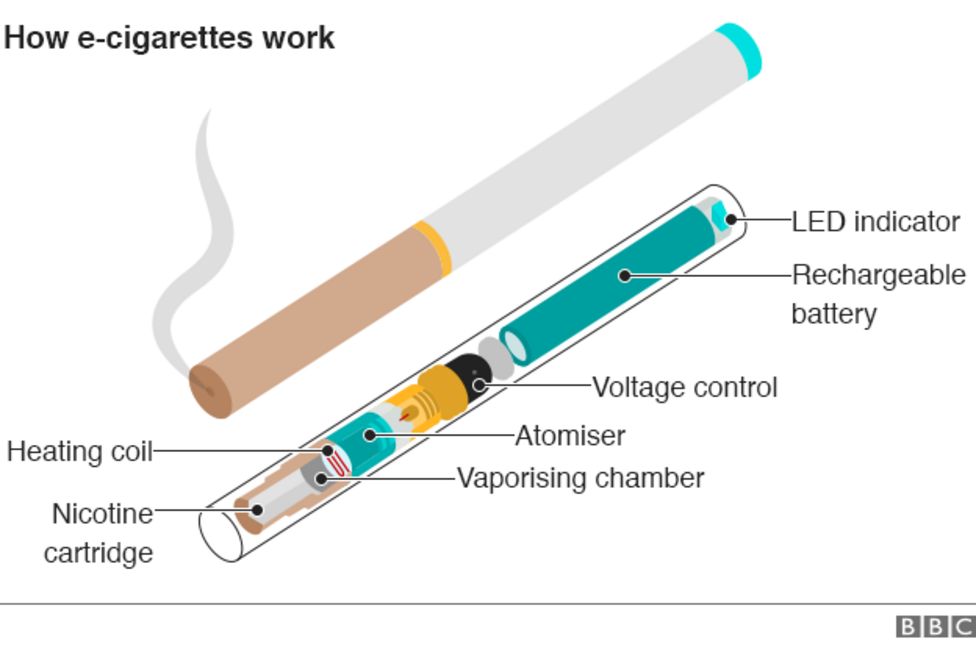
At its heart, an e-cigarette is a sophisticated piece of technology designed to vaporize a liquid, known as e-liquid or vape juice, and deliver it as an aerosol for inhalation. This process, far from being simple, involves a carefully orchestrated sequence of events driven by several key technological components.

The Battery: Powering the Vaping Experience
The battery is the engine of any e-cigarette. It’s the source of power that heats the coil and, consequently, vaporizes the e-liquid. Modern e-cigarettes utilize a range of battery technologies, from small, disposable lithium-ion batteries found in basic pod systems to larger, rechargeable, and often replaceable 18650 or 21700 cells used in more advanced devices.
- Lithium-Ion Technology: The dominant battery type, offering a good balance of energy density and rechargeable capabilities. The capacity is measured in milliampere-hours (mAh), with higher numbers indicating longer potential usage time between charges.
- Variable Voltage and Wattage: More advanced devices incorporate sophisticated circuitry that allows users to adjust the voltage or wattage output. This control directly impacts the heat produced by the coil, influencing vapor production, flavor intensity, and even the throat hit. This level of customization is a prime example of the technological innovation driving the e-cigarette market, catering to a desire for personalized experiences, a concept deeply rooted in modern tech trends.
- Safety Features: As with all battery-powered devices, safety is paramount. E-cigarettes often include built-in protections against overcharging, over-discharging, short circuits, and overheating, demonstrating a commitment to digital security in consumer electronics.
The Atomizer: The Heart of Vaporization
The atomizer is where the magic truly happens. It’s responsible for heating the e-liquid and converting it into an inhalable aerosol. This component typically consists of a heating element (coil) and a wicking material.
- The Coil (Heating Element): Usually made of resistive wire such as Kanthal, stainless steel, nickel, or titanium, the coil is heated by the battery’s electrical current. The resistance of the coil plays a significant role in how quickly and intensely it heats up, directly affecting vapor output and flavor. The selection and engineering of these coils represent a micro-level application of materials science and electrical engineering within consumer gadgets.
- The Wicking Material: This porous material, most commonly organic cotton, draws the e-liquid from the tank to the coil through capillary action. As the coil heats up, it vaporizes the e-liquid that has wicked into it. The efficiency of the wicking material is critical for preventing “dry hits” (unpleasant burning taste due to insufficient e-liquid) and ensuring consistent vapor production.
- Types of Atomizers: From simple clearomizers in beginner devices to rebuildable atomizers (RDAs) and tank atomizers (RTAs) for enthusiasts, the design and complexity of atomizers have evolved significantly. These variations offer different levels of control, maintenance, and flavor perception, appealing to different user segments and reflecting a tiered product strategy.
The Tank/Pod: Housing the E-liquid
The tank or pod is the reservoir that holds the e-liquid. Its design is crucial for convenient refilling, preventing leaks, and ensuring proper delivery of the e-liquid to the atomizer.
- E-liquid Composition: The e-liquid itself is a blend of several key ingredients.
- Propylene Glycol (PG): A colorless, odorless liquid that acts as a carrier for flavorings and nicotine. PG is known for producing a stronger “throat hit,” mimicking the sensation of smoking traditional cigarettes, and for its ability to carry flavor more intensely.
- Vegetable Glycerin (VG): A thicker, colorless, odorless liquid derived from vegetable oils. VG produces larger vapor clouds and a smoother inhale compared to PG. The ratio of PG to VG in e-liquids is a significant factor in user experience, and manufacturers offer a wide range of blends to cater to diverse preferences.
- Flavorings: These are food-grade flavorings that provide the vast array of tastes available in e-liquids, from fruit and dessert flavors to tobacco and menthol. The development and application of these flavorings are a testament to the sophisticated use of chemical engineering and consumer psychology.
- Nicotine: Present in varying concentrations, nicotine is the addictive substance in tobacco and is also found in many e-liquids. The nicotine content can range from zero to very high levels, allowing users to gradually reduce their intake or select a strength that matches their previous smoking habits.
- Pod Systems vs. Tank Systems: Pod systems, prevalent in newer devices, use pre-filled or refillable cartridges (pods) that are often easier to use and maintain. Tank systems, typically found in larger mods, offer more capacity and often allow for greater customization of the atomizer and coil.
Brand Power and Consumer Perception: The Marketing Machine Behind Vaping
The e-cigarette industry has masterfully employed branding and marketing strategies to carve out its significant market share. This is a clear demonstration of how brand strategy and corporate identity can shape consumer perception and drive adoption, even for products with complex technological underpinnings.
Creating an Identity: From Tech Gadget to Lifestyle Choice
Initially, e-cigarettes were marketed as a cessation tool. However, the industry quickly pivoted, leveraging sophisticated marketing to position them as a modern, fashionable, and less harmful alternative.
- Sleek Design and Aesthetics: E-cigarette devices are often designed with minimalist aesthetics, metallic finishes, and vibrant colors, aligning with contemporary tech gadget trends. This focus on design is crucial for personal branding, allowing users to express their style through their vaping device.
- Flavor-Driven Marketing: The explosion of e-liquid flavors has been a cornerstone of the industry’s marketing success. By offering an almost endless spectrum of tastes, manufacturers have tapped into consumer desires for novelty and sensory pleasure. This is a prime example of product differentiation and the power of appealing to individual preferences.
- Influencer Marketing and Social Media: E-cigarette brands have heavily utilized social media platforms and online influencers to showcase their products, build communities, and create a sense of aspiration. This digital marketing approach, including visually appealing content and testimonials, is a direct application of modern marketing tactics.
- Targeting Specific Demographics: While presented as a universal product, marketing efforts often subtly target younger adults and existing smokers, raising concerns about initiation and long-term addiction. This highlights the ethical considerations in brand strategy and the potential for marketing to influence public health outcomes.
Navigating Regulatory Landscapes and Public Image
The rapid growth of e-cigarettes has been met with increasing regulatory scrutiny worldwide. Brands have had to adapt their marketing and even product offerings in response.
- Adapting to Restrictions: As regulations on marketing, advertising, and flavors become stricter, brands have invested in new product development, packaging design, and alternative marketing channels to maintain visibility. This demonstrates resilience and adaptability in corporate strategy.
- Corporate Social Responsibility (CSR) Efforts: Some e-cigarette companies engage in CSR initiatives, often focusing on youth prevention programs or environmental sustainability, to cultivate a more positive corporate identity. However, the effectiveness and sincerity of these efforts are frequently debated.
- Reputation Management: The industry constantly grapples with its public image, balancing claims of harm reduction with concerns about youth vaping and potential long-term health effects. Effective reputation management is therefore a continuous challenge for these brands.
The Financial Ecosystem: From Personal Budgets to Industry Scale
The rise of e-cigarettes has a significant financial dimension, impacting personal finance, investment, and the broader business landscape.
Personal Finance: The Cost of Vaping
For individuals, vaping represents a recurring expense, and understanding these costs is part of sound personal finance management.
- Device Costs: The initial outlay for an e-cigarette can range from a few dollars for a disposable device to several hundred dollars for a high-end mod. This is an investment in a gadget, and consumers must consider depreciation and potential obsolescence.
- E-liquid and Coil Expenses: The ongoing cost of e-liquid and replacement coils can add up significantly over time. The price varies based on brand, flavor complexity, and nicotine content. This is akin to a subscription model or a recurring purchase for consumables.
- Nicotine Replacement Therapy (NRT) vs. Vaping: For smokers attempting to quit, a financial comparison between traditional NRT products (patches, gum) and vaping is often made. While e-cigarettes can sometimes appear cheaper upfront, the long-term financial commitment can be substantial.
- Potential for Savings (vs. Smoking): For individuals who switch entirely from traditional cigarettes to vaping, there can be perceived financial savings, as the cost of e-liquid and devices is often lower than the daily cost of cigarette packs. This is a key selling point for many users.

Investing and Business Finance: A Lucrative, Yet Volatile, Market
The e-cigarette industry represents a multi-billion dollar market, attracting significant investment and complex business finance operations.
- Venture Capital and Mergers: The sector has seen substantial investment from venture capital firms and strategic acquisitions by larger tobacco companies seeking to diversify. This influx of capital fuels innovation, marketing, and expansion.
- Market Growth and Profitability: Despite regulatory challenges, the e-cigarette market has demonstrated rapid growth and high profitability for many companies, driven by consumer demand and innovative product development.
- Financial Tools and Analytics: Companies in this space rely heavily on financial tools and analytics for market research, sales forecasting, inventory management, and investor relations. Understanding consumer trends and regulatory shifts is critical for financial planning.
- Risk and Regulatory Uncertainty: The significant regulatory landscape creates inherent financial risks for businesses. Changes in tax policies, flavor bans, or marketing restrictions can have a profound impact on revenue and profitability. This necessitates robust risk management strategies.
- Public Health vs. Profit: The ethical considerations surrounding the financial success of an industry that sells addictive products present a complex dilemma for investors and policymakers. Debates about the true public health impact versus the pursuit of profit are ongoing and influence investment decisions.
In conclusion, what is in an e-cigarette is far more than just a battery, a heating element, and flavored liquid. It’s a convergence of advanced technology, sophisticated branding, and a significant financial ecosystem. As this industry continues to evolve, understanding these interwoven aspects is essential for consumers, investors, and regulators alike. The future of e-cigarettes will undoubtedly be shaped by ongoing technological advancements, the enduring power of brand narratives, and the ever-present influence of financial markets and public health considerations.
aViewFromTheCave is a participant in the Amazon Services LLC Associates Program, an affiliate advertising program designed to provide a means for sites to earn advertising fees by advertising and linking to Amazon.com. Amazon, the Amazon logo, AmazonSupply, and the AmazonSupply logo are trademarks of Amazon.com, Inc. or its affiliates. As an Amazon Associate we earn affiliate commissions from qualifying purchases.